Yes, you can exercise while fasting, and for many, it can be a highly effective strategy for weight loss and improving overall health. However, how you approach intermittent fasting exercise is crucial for safety and effectiveness. This guide will delve into the nuances of fasting and workouts, helping you determine the best approach for your body.
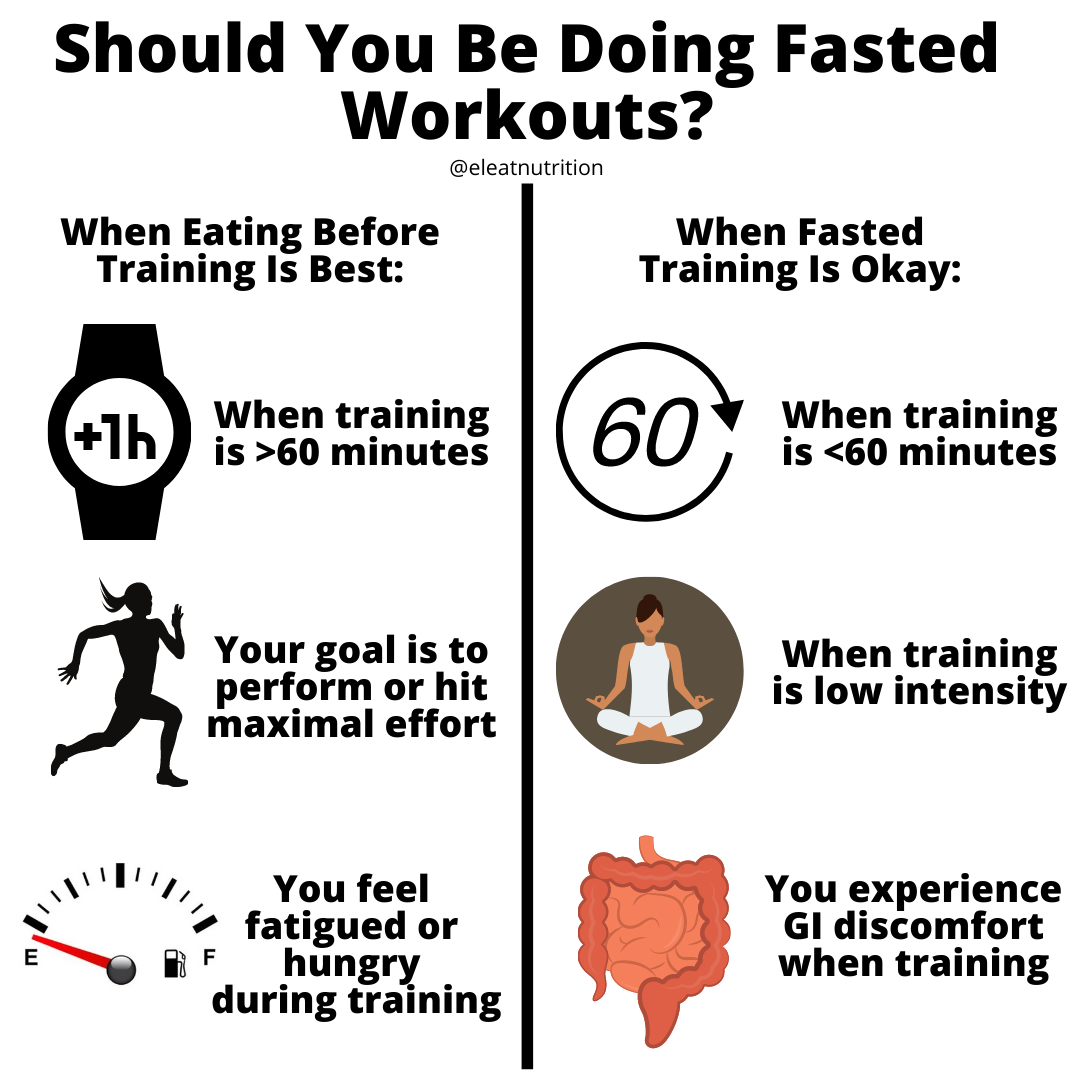
Image Source: images.squarespace-cdn.com
The Basics of Fasting and Exercise
Fasting, particularly intermittent fasting exercise, involves cycling between periods of eating and voluntary fasting. This metabolic state can influence how your body utilizes energy during physical activity. Many people find that exercising on an empty stomach, a common practice during fasting, can be beneficial.
Why Combine Fasting and Exercise?
Combining these two powerful practices can unlock several health advantages. For those focused on fasting for weight loss exercise, the synergy is particularly potent.
Benefits of Exercising While Fasting
- Enhanced Fat Burning: During fasting, your body depletes its glycogen stores. When you exercise in this state, your body may tap into stored fat for energy more readily. This is a key aspect for many pursuing fasting for weight loss exercise.
- Improved Insulin Sensitivity: Exercise itself is known to improve insulin sensitivity. When combined with fasting, which also positively impacts insulin levels, the benefits can be amplified.
- Increased Growth Hormone Levels: Some studies suggest that fasting can increase growth hormone levels, which may aid in muscle building and fat loss. Exercise, especially strength training, also boosts growth hormone.
- Mental Clarity and Focus: Many people report feeling more alert and focused during fasting periods, which can translate to more intense and productive workouts.
- Metabolic Flexibility: Regularly exercising in a fasted state can help your body become more efficient at switching between using glucose and fat for fuel. This is a hallmark of good metabolic health.
Is It Safe to Exercise While Fasting?
For most healthy individuals, exercising while fasting is safe, provided you listen to your body and choose the right type of exercise. However, individuals with certain medical conditions, pregnant or breastfeeding women, and those with a history of eating disorders should consult a healthcare professional before starting any fasting or exercise regimen.
Navigating Exercise on an Empty Stomach
Exercising on an empty stomach, or fasted cardio, is a common scenario when following an intermittent fasting exercise schedule. The key is to manage energy levels and hydration.
Fueling Your Body for Fasted Workouts
When you haven’t eaten for several hours, your primary energy source shifts from readily available glucose to stored fat. This can make exercise on an empty stomach feel different.
Strategies for Successful Fasted Workouts
- Hydration is Paramount: Drink plenty of water before, during, and after your workout. Electrolyte-rich beverages can be helpful, especially for longer or more intense sessions.
- Timing Matters: Many people find it best to exercise towards the end of their fasting window, closer to their eating period. This allows your body to have been in a fasted state for a significant time, potentially increasing fat utilization.
- Listen to Your Body: If you feel lightheaded, dizzy, or excessively fatigued, stop exercising. Pushing too hard in a fasted state can be counterproductive and potentially dangerous.
- Consider Electrolytes: Especially if you’re sweating a lot or fasting for extended periods, replenishing electrolytes can prevent cramping and maintain performance.
What Exercise to Do While Fasting?
The type and intensity of your workout can significantly impact your experience with intermittent fasting exercise. Not all workouts are created equal when performed on an empty stomach.
Low Intensity Fasting Exercise
Low intensity fasting exercise is often recommended for those new to fasting or seeking to maximize fat burning without excessive depletion of energy reserves.
Examples of Low Intensity Fasting Exercise
- Walking: A brisk walk is an excellent way to boost metabolism and burn calories without putting too much stress on your body.
- Light Jogging: Similar to walking, a gentle jog can be sustained for longer periods and is generally well-tolerated during fasting.
- Yoga: This practice improves flexibility, strength, and mindfulness, making it a great choice for fasted workouts.
- Pilates: Focuses on core strength and controlled movements, offering a gentler approach to exercise.
- Cycling (Leisurely Pace): A relaxed bike ride can be a pleasant way to stay active.
These activities typically utilize fat as a primary fuel source and are less likely to lead to fatigue or the breakdown of muscle tissue during fasting.
High Intensity Fasting Exercise
High intensity fasting exercise, such as HIIT (High-Intensity Interval Training) or heavy weightlifting, can be more challenging in a fasted state. While some individuals can tolerate it, careful consideration is necessary.
Considerations for High Intensity Fasting Exercise
- Energy Depletion: High-intensity efforts rely heavily on glycogen. If your glycogen stores are low due to fasting, you may experience reduced performance, fatigue, and a higher risk of muscle breakdown.
- Performance Impact: You might find your strength and power output are diminished during high intensity fasting exercise.
- Recovery: Recovery from intense workouts can be more challenging when you haven’t replenished your nutrient stores.
- When to Consider: If you choose to do high intensity fasting exercise, consider doing it closer to your eating window or consuming a small, easily digestible protein source beforehand (if your fasting window allows for this minimal intake, sometimes called a “modified fast”).
What Exercise to Do While Fasting: A Summary
| Exercise Type | Intensity | Fasting Suitability | Considerations |
|---|---|---|---|
| Walking | Low | Excellent | Great for fat burning, minimal risk of fatigue. |
| Light Jogging | Low to Moderate | Good | Generally well-tolerated, focus on steady pace. |
| Yoga | Low | Excellent | Improves flexibility and mind-body connection. |
| Pilates | Low to Moderate | Good | Focuses on core strength and controlled movements. |
| Cycling (Leisurely) | Low | Excellent | Enjoyable way to stay active, good for endurance. |
| HIIT | High | Caution Advised | Potential for performance drop and fatigue; consider timing and pre-workout fuel. |
| Heavy Weightlifting | High | Caution Advised | May impact strength and recovery; monitor energy levels closely. |
| Endurance Running | Moderate to High | Caution Advised | Longer duration can deplete energy; hydration is key. |
Fasting and Workouts: Tailoring Your Routine
Developing a fasting workout routine requires an understanding of your body’s signals and your specific fasting protocol.
Popular Intermittent Fasting Schedules
- 16/8 Method: Fast for 16 hours, eat within an 8-hour window. This is one of the most popular methods.
- 5:2 Diet: Eat normally for five days a week and restrict calories significantly on two non-consecutive days.
- Eat-Stop-Eat: A 24-hour fast once or twice a week.
Your chosen schedule will dictate when you can exercise in a fasted state. For the 16/8 method, exercising in the morning before your first meal is common. For Eat-Stop-Eat, morning workouts on fasting days are also typical.
Creating Your Fasting Workout Routine
- Assess Your Goals: Are you focused on weight loss, muscle gain, or general fitness? This will influence your exercise choices.
- Start Slowly: If you’re new to exercising while fasting, begin with low intensity fasting exercise and gradually increase duration or intensity as your body adapts.
- Experiment with Timing: Try different fasting workout times to see what feels best for your energy levels and performance.
- Prioritize Recovery: Ensure you’re getting adequate sleep and nutrition during your eating windows to support muscle repair and overall recovery.
- Listen to Your Body: This cannot be stressed enough. If you feel unwell, adjust your workout or take a rest day.
Fasting and Keto: A Synergistic Approach
For many, the keto and exercise combination is a natural fit. A ketogenic diet, characterized by very low carbohydrate intake, shifts the body into a state of ketosis, where it primarily burns fat for fuel.
Keto and Exercise Compatibility
When you’re in ketosis, your body is already accustomed to using fat for energy. This can make exercising in a fasted state feel more natural and sustainable, even for more intense activities.
Benefits of Keto and Fasted Exercise
- Enhanced Fat Adaptation: Both keto and fasted exercise promote fat adaptation, meaning your body becomes more efficient at burning fat.
- Stable Energy Levels: For some, once adapted to keto, energy levels remain more stable throughout the day, even during fasted workouts.
- Reduced Hunger: Ketosis can suppress appetite, which may make fasting periods easier to manage.
Challenges with Keto and Exercise
- Keto Flu: During the initial adaptation phase to keto, you might experience fatigue, headaches, and muscle cramps, which can impact exercise performance.
- Electrolyte Imbalance: Restricting carbs can lead to electrolyte loss, which needs to be managed, especially when exercising.
When combining keto and exercise with fasting, paying close attention to hydration and electrolyte intake is crucial.
Frequently Asked Questions About Fasting and Exercise
Here are answers to some common questions about exercising while fasting.
FAQ
- Can I do cardio while fasting?
Yes, low intensity fasting exercise like walking or light jogging is generally well-tolerated and can be beneficial for fat burning. High intensity fasting exercise can be done, but be mindful of your energy levels and performance. - Is it better to exercise before or after eating when fasting?
For most people practicing intermittent fasting exercise, exercising towards the end of their fasting window, before their eating period, is common. Exercising after eating is also an option once your fasting window begins. - What should I eat after a fasted workout?
Focus on a balanced meal with protein and carbohydrates to replenish glycogen stores and aid muscle repair. - Should I take supplements while fasting and exercising?
Basic hydration and electrolytes are often recommended. Consult with a healthcare professional before taking any other supplements. - Will exercising while fasting burn more muscle?
While there’s a theoretical risk of muscle catabolism if you overdo it, especially with very long or intense fasted workouts without adequate protein intake during your eating window, for most people engaging in moderate exercise, this is not a significant concern. Focusing on sufficient protein intake during your eating periods is key. - How do I know if I’m pushing too hard during a fasted workout?
Pay attention to symptoms like extreme dizziness, nausea, fainting, or prolonged fatigue. If you experience these, stop immediately and rehydrate. - Is exercising on an empty stomach good for everyone?
No. Individuals with certain health conditions, pregnant women, and those with a history of disordered eating should consult a doctor.
Final Thoughts
Embarking on a journey with intermittent fasting exercise can be a rewarding experience for your health and fitness. By carefully considering what exercise to do while fasting, paying attention to your body’s signals, and tailoring your fasting workout routine, you can safely and effectively harness the benefits of these practices. Whether you’re drawn to low intensity fasting exercise or carefully integrating high intensity fasting exercise, consistency and mindful adaptation are your best allies. Remember, keto and exercise can be a powerful combination, but always prioritize your well-being and seek professional advice when needed.