Image Source: www.ymcamidtn.org
How Long After Eating Should I Exercise: Best Time
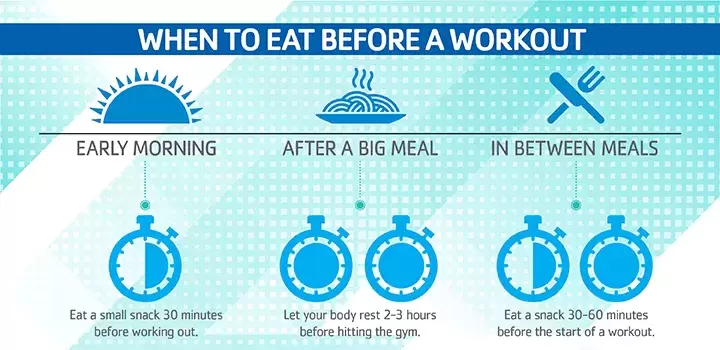
So, how long after eating should you exercise? Most people should wait about 1 to 3 hours after a large meal before exercising. If you’ve had a small snack, waiting 30 minutes to an hour is often enough. This gives your body some digestion time before exercise, making your workout feel better and helping prevent tummy troubles. Deciding when to exercise after a meal depends on what you ate, how much you ate, and the kind of workout you plan to do.
Let’s look closer at the exercising after eating timeline. Getting the timing right is key for comfort and performance. Exercising on a full stomach can feel heavy and even cause problems.
Why Waiting After Eating Matters
When you eat, your body gets busy. It starts breaking down food. This is the digestion process. Your stomach, intestines, and other organs work hard.
What Happens Inside Your Body
After you eat, blood flow goes mostly to your stomach and intestines. This helps them do their job of digesting food and soaking up nutrients.
If you exercise right after eating, your muscles also need blood flow. Your body finds it hard to send lots of blood to both your gut and your muscles at the same time.
This can mean:
- Your muscles don’t get as much oxygen.
- Your digestion slows down.
- You might feel sick or uncomfortable.
Waiting gives your body time to move food along and send blood where it needs to go for your workout.
Grasping Digestion Time Before Exercise
How long food takes to digest varies a lot. It depends on the type of food you eat. Different foods break down at different speeds.
Food Types and How Fast They Digest
- Simple Carbs: These are things like white bread, sugary drinks, or fruit. Your body breaks these down fast. They give quick energy. They move out of your stomach pretty quickly.
- Complex Carbs: These are like whole grains, oats, or brown rice. They take longer to break down than simple carbs. They give slower, steadier energy.
- Protein: Meat, fish, eggs, beans, and nuts are protein sources. Protein takes longer to digest than carbs. It helps build and fix muscles.
- Fats: Oils, butter, and fatty meats are fats. Fats take the longest to digest. They slow down how fast other foods leave your stomach.
A meal with lots of fat and protein will take much longer to digest than a meal that’s mostly simple carbs. This affects your digestion time before exercise.
How Meal Size Changes Things
Eating a big meal means your body has a lot of work to do. A large meal will take many hours to digest. This means you need a longer wait time exercise after eating.
A small snack is much easier on your body. It requires less digestion work. You won’t need to wait as long after a small snack.
Setting Your Exercising After Eating Timeline
There’s no single rule for everyone. But we can give you some general ideas for your exercising after eating timeline. These times help prevent problems and let you get the most from your workout.
Here is a general guide for when to exercise after meal:
- Large Meal: (Lots of food, especially with fat and protein) Wait 3 to 4 hours. Some people might need even longer. This gives your body plenty of time to digest the food well.
- Medium Meal: (A normal breakfast, lunch, or dinner) Wait 1.5 to 3 hours. This is the most common wait time for many people.
- Small Snack: (Like a banana, a handful of crackers, or a small energy bar) Wait 30 minutes to 1 hour. A snack can give you quick energy without making you feel heavy.
This wait time exercise after eating helps your body move food along and reduces the chance of feeling sick or having stomach cramps exercise after eating.
Exercising on a Full Stomach: What Goes Wrong
Working out when your stomach is still full of food is often not a good idea. It can cause several problems.
Feeling Uncomfortable
The most common issue is feeling heavy and bloated. Your stomach is stretched with food. Moving around a lot, jumping, or running can make this feeling worse.
Stomach Cramps and Pain
This is a big problem for many people. Stomach cramps exercise after eating happen because blood is being pulled away from your stomach towards your working muscles. Your stomach acid and the food inside can slosh around. This mix can cause sharp pains or cramps in your stomach area.
Nausea or Vomiting
For some, exercising after eating can lead to feeling sick to their stomach. Hard workouts, especially, can make you feel like throwing up if you haven’t waited long enough. This happens because your body is stressed from trying to digest and exercise at the same time.
Feeling Sluggish
Digestion takes energy. If your body is busy digesting a big meal, you might not feel energetic for your workout. You might feel slow and tired instead.
Worse Performance
Because your body is split between digesting and exercising, your performance can suffer. You might not run as fast, lift as much, or last as long as you could if you had waited properly.
Finding the Best Time to Workout After Eating
The best time to workout after eating is when you feel comfortable and ready. This comes after your body has finished the main part of digestion. This timing can improve how you feel and how well you perform.
Think about what you plan to do.
- Hard Workouts: If you plan a tough workout like running fast, lifting heavy weights, or playing a sport, you need more digestion time before exercise. A full stomach is not good for these activities. Wait longer.
- Easy Workouts: A light walk, gentle yoga, or slow cycling are easier on your body. You might not need to wait as long for these.
Listen to your body. Everyone is different. Some people can handle exercising after eating sooner than others.
Preparing with Pre-Workout Meal Timing
What you eat before you work out is called a pre-workout meal or snack. The timing of this meal is very important. It gives you energy for your workout.
What to Eat Before Exercising
The best pre-workout meal timing usually involves eating foods that are easy to digest and give you energy.
-
1 to 3 Hours Before: A balanced meal with carbs and some protein works well here. Examples:
- Oatmeal with fruit and a little bit of nuts.
- Chicken or turkey sandwich on whole-grain bread.
- Rice or pasta with lean protein.
- Yogurt with granola and berries.
This time frame allows for good digestion. The carbs provide energy. The protein helps muscles.
-
30 Minutes to 1 Hour Before: A small snack is best here. Focus on simple carbs for quick energy. Avoid too much fat or fiber, as they can slow digestion. Examples:
- A banana.
- A small energy bar.
- A few rice cakes.
- Applesauce.
- A small handful of pretzels.
This small snack gives you a boost without making your stomach feel full.
Foods to Be Careful With Before Exercising
Some foods are more likely to cause problems if you eat them too close to your workout.
- High-Fat Foods: Fried foods, greasy burgers, creamy sauces. They take a long time to digest and can feel heavy.
- High-Fiber Foods: Very fibrous beans, some raw vegetables, bran cereal. Fiber is good for you, but too much right before a workout can cause gas or discomfort.
- Very Spicy Foods: These can upset your stomach.
- Sugary Drinks: Sodas or very sweet juices. They can cause a sugar crash later.
Choosing the right foods and the right pre-workout meal timing makes a big difference in how you feel during your workout.
Wait Time Exercise After Eating: Getting Specific
Let’s look at the wait time exercise after eating based on meal types.
| Meal Type | Examples | Suggested Wait Time | Why |
|---|---|---|---|
| Large Meal | Steak dinner with potatoes and veggies | 3-4 hours or more | High in protein, fat, fiber; needs significant digestion time. |
| Medium Meal | Chicken breast with rice and broccoli | 1.5-3 hours | Balanced meal; moderate digestion time. |
| Small Snack | Banana, handful of crackers | 30-60 minutes | Simple carbs; easy and quick to digest for fast energy. |
| Liquid Meal | Smoothie (no heavy ingredients), Juice | 30 minutes – 1 hour | Breaks down faster than solid food. |
Remember, these are just guides. Your own body might be different. Some people have faster or slower digestion.
Listening to Your Body
Your body gives you signals. If you feel full, heavy, or bloated, wait longer. If you feel hungry and weak, a small, quick snack might be helpful.
It’s better to feel slightly hungry than too full when you start exercising.
Avoiding Stomach Cramps Exercise After Eating
Stomach cramps are a common worry. Here’s how to help stop them:
- Wait Long Enough: This is the most important step. Give your body the necessary wait time exercise after eating.
- Choose Easy Foods: Before exercising, pick foods that are simple to digest. Avoid high fat, high fiber, and very spicy foods in your pre-workout meal timing.
- Don’t Eat Too Much: Eat until you are satisfied, not stuffed. Large amounts of food take a very long time to digest.
- Drink Water Wisely: Stay hydrated, but don’t chug a lot of water right before you start. Small sips are better. Drinking too much water right before can make your stomach feel full and slosh around.
- Start Slow: Don’t start your workout at full speed. Warm up gently. This helps your body adjust.
- Breathe: Focus on your breathing during exercise. Short, shallow breaths can sometimes make cramps worse.
If you often get stomach cramps exercise after eating, try waiting a bit longer next time. Also, think about what you ate. Maybe change your pre-workout meal timing or food choice.
Post-Meal Exercise Timing and Different Workouts
The best time to workout after eating also depends on the kind of exercise you do.
- Running or High-Impact Cardio: These activities involve lots of bouncing and movement. A full stomach is very likely to cause problems like cramps or nausea. You need a good wait time exercise after eating for running.
- Weightlifting: While not as much bouncing as running, heavy lifting can still put pressure on your stomach area. Waiting enough time is still important.
- Swimming: Lying flat or face down in the water can feel very uncomfortable with a full stomach. Digestion time before exercise for swimming is important.
- Yoga or Pilates: Gentle types of these might be okay sooner after eating, especially if you avoid poses that put pressure on your stomach or involve lots of inversions. However, even gentle movement can be uncomfortable if you ate a large meal.
- Walking: A light walk is often fine after a meal, sometimes even right after. It can actually help digestion for some people. But avoid brisk walking or hills on a very full stomach.
So, when to exercise after meal is not just about the food, but also about the activity.
Deciphering Individual Needs
Every person is different. What works for one person might not work for you.
- Digestion Rate: Some people digest food faster than others. Age, metabolism, and health conditions can affect this.
- Sensitivity: Some people have very sensitive stomachs and get cramps easily. Others can eat and run with no problem.
- Workout Goals: An elite athlete’s pre-workout meal timing and needs are different from someone doing a casual workout.
Experimenting Safely
The best way to find your perfect exercising after eating timeline is to try different things.
- Start with the general guidelines (1-3 hours after a meal, 30-60 mins after a snack).
- Pay attention to how you feel during your workout.
- Did you feel heavy? Did you get cramps? Did you feel low on energy?
- Based on how you felt, adjust your wait time exercise after eating next time. If you felt bad, wait longer. If you felt fine or hungry, maybe try a little sooner or change your snack.
Keep a simple note of what you ate, when you ate it, when you exercised, and how you felt. This can help you see patterns and find your personal best time to workout after eating.
Hydration Around Exercise and Meals
Drinking enough water is vital for exercise. But how you drink water around meals and workouts matters too.
- Before Eating: Drinking water before a meal can help you feel full and might help with digestion.
- During Eating: Drinking small amounts of water during a meal is fine and helps digestion. Don’t drink a huge amount, as this can dilute digestive juices and make you feel too full.
- After Eating (Before Exercise): Drink water as needed to stay hydrated. Don’t chug a lot just before you start exercising. This goes back to the point about stomach fullness and sloshing.
- During Exercise: Sip water regularly, especially during longer or harder workouts.
- After Exercise: Drink water to replace what you lost through sweat.
Staying well-hydrated in general supports good digestion and good exercise performance.
The Role of Pre-Workout Snacks
Sometimes, you might feel hungry shortly before your planned workout, but you haven’t had a proper meal recently. This is where a pre-workout snack comes in handy.
The point of a pre-workout snack is to give you a quick energy boost without needing a long digestion time before exercise.
- Focus on Carbs: Carbs are your body’s easiest source of quick energy.
- Keep it Small: A small snack of 100-200 calories is often enough.
- Low in Fat/Fiber: These slow down digestion.
- Timing: Eat it about 30 minutes to an hour before you start.
Examples of good pre-workout snacks for this timing:
- A small fruit (like a banana or apple)
- A few dates
- A small handful of crackers or pretzels
- A piece of toast with jam
- A small energy bar focused on carbs
Using a smart pre-workout meal timing strategy with snacks can help you power through your workout when a full meal isn’t an option or you missed the ideal post-meal exercise timing window.
Can You Exercise on an Empty Stomach?
Some people prefer to exercise on an empty stomach, often first thing in the morning. This is sometimes called “fasted cardio.”
- Pros: Some people feel lighter and less likely to get stomach issues. Your body might burn more fat for energy in this state.
- Cons: You might feel low on energy or weak, especially during hard or long workouts. You could feel dizzy or lightheaded. Your performance might not be as good.
Whether exercising on an empty stomach works for you depends on your body and the type of workout. If you do fast cardio, make sure you are hydrated. For longer or harder workouts, a small, easily digested snack is usually a good idea. This relates back to pre-workout meal timing – even a small snack changes the “empty stomach” state.
Final Thoughts on When to Exercise After Meal
Figuring out the best time to workout after eating is a bit of a personal journey.
- The general rule of waiting 1-3 hours after a main meal and 30-60 minutes after a snack is a great starting point for your exercising after eating timeline.
- The type and size of your meal really change your digestion time before exercise. Fattier, bigger meals need more time.
- Exercising on a full stomach can lead to discomfort, cramps, and poor performance.
- Your workout’s intensity also matters for post-meal exercise timing. Harder workouts need more waiting time.
- Pay attention to your body’s signals. It will tell you if you’re ready or if you need more time.
- Finding your personal best time to workout after eating comes from trying different things and seeing how you feel.
Getting the timing right means you’ll feel more comfortable, have more energy, and perform better during your exercise. It helps avoid annoying issues like stomach cramps exercise after eating and makes working out a more positive experience.
Frequently Asked Questions
Here are some common questions about when to exercise after eating.
h4 How long do I really have to wait after a large meal?
After a large meal, especially one with lots of fat and protein, you really should wait at least 3 to 4 hours. Your body needs this much time to digest the food enough so it won’t cause problems during exercise. Trying to exercise sooner can lead to feeling heavy, stomach cramps, or even feeling sick.
h4 Can I exercise right after a very small snack?
Yes, you can often exercise about 30 minutes after a very small, easily digested snack. Think of a banana, a few crackers, or some fruit juice. These give quick energy without much digestion time before exercise. Just make sure it’s truly small and not high in fat or fiber.
h4 What if I get stomach cramps every time I exercise after eating?
If you often get stomach cramps exercise after eating, try these things: Wait longer after your meal or snack. Make sure your pre-workout meal timing involves easily digested carbs and is low in fat and fiber. Don’t eat too much. Drink water in small sips, not large gulps. Start your exercise slowly to warm up. If it still happens, talk to a doctor or a sports dietitian.
h4 Is it better to eat before or after exercising?
Eating before exercise gives you energy for the workout. Eating after helps your body recover and build muscles. For most workouts, having something easily digested (like a small snack or small meal) 30 minutes to 3 hours before is good. Eating within an hour or two after exercising helps recovery. So, both before and after eating are important, just for different reasons and with different timing.
h4 What’s the best time to workout after eating if I’m running?
For running, especially faster or longer runs, you need enough wait time exercise after eating to avoid stomach upset. Most runners wait at least 1.5 to 2 hours after a small or medium meal. After a large meal, wait 3 to 4 hours. If you need energy closer to the run, have a small, easily digested carb snack (like half a banana) about 30-60 minutes before you start. Stomach cramps exercise after eating are very common in runners if they don’t wait long enough.
h4 Does drinking coffee before exercise affect the timing?
Coffee itself doesn’t usually need much digestion time before exercise. Many people drink coffee 30 minutes to an hour before exercising for a boost. However, if you add lots of milk, cream, or sugar, that adds things that need digesting. Black coffee or coffee with a splash of milk is usually fine within that 30-60 minute pre-workout window, as long as it doesn’t upset your stomach personally.
h4 What kind of food is best for pre-workout meal timing?
Focus on carbohydrates that are easy to digest. These provide quick energy. Examples: fruit, oats, rice, bread, pasta, or energy bars. If your workout is 1-3 hours away, you can add some lean protein too. If your workout is within an hour, stick mostly to simple carbs and keep it small. Avoid high fat and high fiber foods right before.
h4 What is post-meal exercise timing?
Post-meal exercise timing refers to the time gap between when you finish eating a meal and when you start your exercise session. It’s about deciding how long to wait after eating before you start working out, to allow for proper digestion and avoid discomfort or performance issues. The ideal post-meal exercise timing varies based on meal size, type, and workout intensity.