How Long Is Blood Pressure Elevated After Exercise: A Guide
How long does blood pressure stay high after workout? For most people, blood pressure goes up during exercise but starts to return to normal fairly quickly after they stop. The recovery time varies. It often takes from a few minutes up to a few hours for blood pressure to settle back down to its usual levels.
Exercising is good for you. It makes your heart stronger. When you work out, your heart pumps faster. This sends more blood to your muscles. Your blood pressure goes up during this time. This is normal. It shows your body is working hard.
But what happens after you finish? Does your blood pressure drop right away? How long does it stay higher than usual? This is what we will talk about. We will look at how your body handles blood pressure after exercise. We will also see what makes the recovery faster or slower.
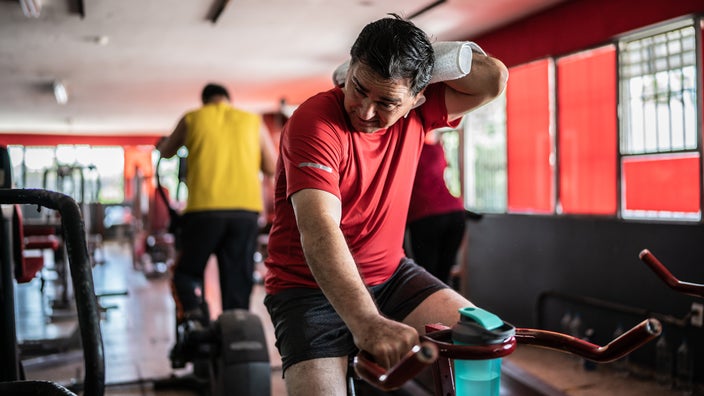
Image Source: www.grxstatic.com
The Body’s Action During Exercise
When you move a lot, like running or lifting weights, your body needs more oxygen. Your muscles use more energy. To get oxygen and energy, your heart has to pump more blood.
Think of your heart like a water pump. When you turn it up, more water moves. Your heart does the same thing with blood. It pumps faster. It also pumps harder.
This pumping action pushes blood through your blood vessels. The pressure of the blood against the vessel walls is your blood pressure.
When the heart pumps harder and faster, more blood is pushed out with each beat. This makes the top number of your blood pressure go up. This top number is called systolic blood pressure. It is the pressure when your heart beats.
The bottom number of your blood pressure is called diastolic blood pressure. This is the pressure when your heart rests between beats. During exercise, the diastolic number usually stays about the same. Sometimes it might even go down a little.
Why does the diastolic number not go up like the systolic number? When you exercise, the blood vessels in your muscles open up wider. This is so more blood can flow through them easily. When the vessels are wider, the pressure inside them when the heart rests is lower. So, even though the heart pumps more blood overall, the wider vessels help keep the resting pressure low or even lower it.
So, during exercise, you see a big rise in systolic blood pressure. Diastolic blood pressure does not rise much, if at all. This is a normal and healthy response.
Post-Exercise Blood Pressure Recovery
When you stop exercising, your body starts to calm down. Your heart rate begins to slow. It does not need to pump blood as fast or hard anymore. The muscles do not need as much oxygen and energy.
As your heart rate slows, the amount of blood pumped per minute goes down. This leads to a drop in blood pressure. The blood vessels that opened up also start to return to their normal size slowly.
The time it takes for your blood pressure to go back to normal is called post-exercise blood pressure recovery time. It is a key part of how your body reacts to physical activity.
For most healthy people, blood pressure goes down after exercise. Often, it drops back to their normal resting level within a short time.
How short is a short time? It depends on many things. But generally, the biggest drop happens in the first few minutes after stopping. Then it continues to drop more slowly over the next hour or so.
Let’s look at the numbers.
H4: Systolic Blood Pressure After Exercise
Systolic blood pressure goes up the most during exercise. So, it has the furthest to fall during recovery. Right after you finish your workout, your systolic blood pressure will start to fall. This drop is often fast at first. Within 5 to 10 minutes, it should be much lower than its peak level during exercise. Within 30 minutes to an hour, it usually gets close to your normal resting systolic pressure.
H4: Diastolic Blood Pressure After Workout
Diastolic blood pressure might not have changed much during exercise. Or it might have even dropped a little. After you stop, the diastolic pressure tends to go back to its normal resting level. Sometimes, it might even drop below your normal resting level for a while. This is a common effect called post-exercise hypotension, which we will talk about more later. But generally, diastolic pressure recovery is less dramatic than systolic recovery.
Normal Blood Pressure Recovery Time After Exercise
So, what is a normal blood pressure recovery time after exercise? For most healthy adults, blood pressure should return to its baseline or near-baseline resting level within one to a few hours after exercise.
- Within the first 5-10 minutes: A quick drop in systolic pressure is expected. It should be much lower than the peak exercise level.
- Within 30-60 minutes: Systolic pressure should be getting close to your normal resting level. Diastolic pressure should also be back near its usual level.
- Within a few hours: Both systolic and diastolic pressure should be fully recovered and at or even below your typical resting numbers.
If your blood pressure stays high for many hours after exercise, it could be a sign that your body is not regulating blood pressure as well as it should. But remember, a little elevation for an hour or two is often perfectly normal, especially after hard exercise.
It is also worth noting that regular exercise improves blood pressure control over time. People who exercise regularly often have better post-exercise recovery. Their blood pressure might drop faster and even go lower than their resting level for a period.
Factors Affecting Post-Exercise Blood Pressure
Many things can change how long it takes for your blood pressure to return to normal after working out. Everyone is different. These factors influence your post-exercise blood pressure recovery time.
H4: Exercise Intensity and Blood Pressure Response
How hard you work out matters a lot. If you do very intense exercise, your blood pressure will go much higher during the activity. Because it went very high, it might take a little longer to come all the way back down compared to light exercise. Harder workouts cause a bigger temporary change in your body. A bigger change often means a longer, but still timely, recovery. So, exercise intensity and blood pressure response are linked. Higher intensity means a bigger rise during exercise and potentially a slightly longer, but still healthy, recovery period.
H4: Type of Exercise
The kind of exercise you do also plays a role.
* Cardio (Aerobic) Exercise: Activities like running, swimming, or cycling usually cause a large rise in systolic blood pressure during the activity. After this type of exercise, blood pressure tends to drop well, sometimes even below the resting level (post-exercise hypotension).
* Strength (Resistance) Exercise: Lifting weights can cause very high blood pressure readings during the lift itself, especially if holding your breath. However, after the set is done, the blood pressure often drops quickly. The overall effect on post-exercise blood pressure recovery might be different than cardio. The drop after the entire strength workout might not be as dramatic as after a cardio workout.
H4: Fitness Level
People who are fitter often have better blood pressure control. Their blood pressure might not go as high during exercise compared to someone less fit doing the same activity. Their blood pressure also tends to return to normal faster after exercise. If you are new to exercise, your blood pressure might stay a little higher for a bit longer after a workout than someone who has been exercising for years. But as you get fitter, your recovery will likely improve.
H4: Hydration and Nutrition
What you drink and eat before, during, and after exercise matters. Being dehydrated can affect blood volume and blood pressure. Not having enough electrolytes (like salt) can also play a role. Staying well-hydrated helps your body work properly, including blood pressure regulation.
H4: Medications
Some medicines can affect your blood pressure response to exercise and recovery. People taking blood pressure medicine might see a different pattern than those not taking any. If you take medicine, talk to your doctor about how exercise might affect your blood pressure.
H4: Health Conditions
Having certain health problems can affect blood pressure recovery. Conditions like high blood pressure (hypertension) itself can change how your body handles exercise. People with untreated high blood pressure might see their pressure go higher during exercise and take longer to come down. Diabetes, heart disease, and other conditions can also influence the response.
H4: Environmental Factors
Things like the temperature and humidity can also matter. Exercising in very hot or humid conditions puts more stress on your body. This can affect blood pressure and how quickly it recovers.
H4: Stress and Sleep
Your general state of health matters. Being stressed or not getting enough sleep can affect your resting blood pressure. They can also impact how your body responds to and recovers from exercise. Poor sleep or high stress might slow down recovery.
Measuring Blood Pressure After Exercise
If you want to know how your blood pressure changes after exercise, you can measure it. But you need to do it correctly. Measuring blood pressure after exercise can give you useful information.
H4: Tips for Getting Accurate Readings
- Wait a few minutes: Do not measure your blood pressure the second you stop moving. Your heart is still racing right away. Sit down and rest quietly for at least 5 minutes before taking a reading. Some experts recommend waiting 10-15 minutes.
- Sit correctly: Sit upright in a chair with your back supported. Your feet should be flat on the floor. Do not cross your legs.
- Rest your arm: Rest your arm on a table or armrest so the cuff is at the same level as your heart.
- Be still and quiet: Do not talk or move while the machine is measuring.
- Use a good cuff: Make sure the cuff fits your arm properly. A cuff that is too small or too large can give a wrong reading.
- Take a couple of readings: Take two or three readings a minute apart. Use the average of these readings.
H4: Why Measure After Exercise?
Measuring blood pressure after exercise helps you see your post-exercise blood pressure recovery time. It shows how your body handles the stress of exercise.
If your blood pressure drops nicely after exercise, it is a good sign. It shows your blood vessels are relaxing and your body is regulating pressure well.
If your blood pressure stays very high for a long time (like several hours) after exercise, it might be something to discuss with your doctor.
Also, some people experience a drop below their normal resting blood pressure after exercise (post-exercise hypotension). Measuring can help you know if this happens to you. Knowing this can be important. For example, it might make you feel dizzy or lightheaded.
Remember, blood pressure readings right after intense exercise will be high. This is normal. You are looking for how quickly and how much it drops after that peak.
The Phenomenon of Post-Exercise Hypotension Duration
This is a special part of post-exercise recovery. Post-exercise hypotension means your blood pressure drops below your normal resting level after you finish exercising.
This often happens after aerobic (cardio) exercise. It can last for several hours. Sometimes it can last for 12 hours or even longer. This is the post-exercise hypotension duration.
H4: Why Does Post-Exercise Hypotension Happen?
There are a few reasons why blood pressure might drop below normal after exercise:
- Blood Vessel Widening: As we talked about, blood vessels in muscles open up during exercise. They can stay wider than usual for a while after you stop. Wider vessels mean less resistance to blood flow, which lowers pressure.
- Less Sympathetic Nervous System Activity: Your “fight or flight” system (sympathetic nervous system) is very active during exercise. It helps raise heart rate and blood pressure. After exercise, this system calms down a lot. This reduction in activity helps lower blood pressure.
- Heat Loss: Your body might send more blood to your skin to help cool you down after exercise. This can also contribute to lower overall blood pressure.
H4: Who Might Experience Post-Exercise Hypotension?
It can happen to anyone, but it is more common in people who:
* Have high blood pressure. Exercise is a great way to help lower blood pressure, and post-exercise hypotension is one way it works!
* Do aerobic exercise.
* Exercise at moderate to high intensity.
* Are well-hydrated.
H4: Is Post-Exercise Hypotension Good or Bad?
For people with high blood pressure, this temporary drop can be a good thing. It contributes to the overall blood pressure lowering effects of regular exercise. It shows your body is responding well.
However, if the drop is too large or too sudden, it can cause symptoms. These include:
* Feeling dizzy or lightheaded.
* Feeling weak.
* Having trouble standing up too fast.
* In rare cases, fainting.
If you often feel dizzy after exercise, it could be due to post-exercise hypotension. Taking your blood pressure after exercise can help you see if this is happening.
To manage this, cool down properly after exercise. Do not stop moving suddenly. Walk slowly for 5-10 minutes after running or cycling. Stay hydrated. Sit or lie down if you feel dizzy.
When Does Blood Pressure Return to Normal After Physical Activity?
To summarize, when does blood pressure return to normal after physical activity? For most people, it starts dropping quickly after stopping. It is often back to near normal within 30-60 minutes and fully recovered within a few hours. This is your normal blood pressure recovery time after exercise.
However, as we discussed, factors like intensity, fitness, hydration, and health conditions play a big role. For some, especially after hard workouts, a slight elevation might last a bit longer. For others, especially those with high blood pressure, it might drop below normal for several hours (post-exercise hypotension duration).
The key is that the trend is downwards after stopping exercise. The body’s system that controls blood pressure should bring it back towards resting levels relatively quickly.
If your blood pressure stays very high for many hours repeatedly after even light exercise, it could be a signal to check in with a doctor.
Importance of Monitoring Post-Exercise Response
Paying attention to how your body recovers from exercise is important. It gives you clues about your health.
Watching your post-exercise blood pressure recovery time can help you:
- See the benefits of exercise: As you get fitter, you might notice your blood pressure recovers faster. This is a sign your heart and vessels are getting healthier.
- Identify potential issues: If recovery is very slow, or if you feel very dizzy due to post-exercise hypotension, it is good to know. You can then adjust your cool-down, hydration, or talk to your doctor.
- Understand your body: Everyone is different. Knowing your own typical response helps you notice when something is unusual.
You do not need to measure your blood pressure after every workout. But doing it sometimes can be helpful, especially when you start a new exercise plan or if you have concerns about your blood pressure.
When to Seek Medical Advice
While it’s normal for blood pressure to go up during exercise and recover afterward, there are times you should talk to a doctor.
- If your blood pressure goes extremely high during exercise: If your systolic pressure goes above 200 mmHg or your diastolic pressure goes above 110 mmHg during exercise, even if you are healthy, it is worth mentioning to a doctor.
- If your blood pressure stays very high for many hours after exercise: If your pressure is still significantly elevated (e.g., systolic still above 140 mmHg or diastolic above 90 mmHg) several hours after you stopped exercising, especially after mild or moderate activity, talk to your doctor.
- If you feel very dizzy, faint, or have other concerning symptoms after exercise: This could be due to post-exercise hypotension or something else. Get it checked out.
- If you have known heart conditions or high blood pressure: Always talk to your doctor before starting a new exercise program. They can give you guidance on safe levels of activity and what to expect regarding your blood pressure response and recovery.
- If your blood pressure does not increase at all during exercise: In rare cases, blood pressure might not rise normally during exercise. This is also something to discuss with a doctor.
Your doctor can help you understand your individual response to exercise. They can make sure your exercise plan is safe and effective for your health goals.
Conclusion
Exercise makes your blood pressure rise. This is a normal and healthy response. After you stop exercising, your blood pressure should start to drop. The post-exercise blood pressure recovery time is usually within a few minutes to a few hours.
The systolic blood pressure after exercise drops fastest initially. Diastolic blood pressure after workout also returns to normal, sometimes even dropping below normal for a while (post-exercise hypotension).
How long blood pressure stays high after workout depends on things like how hard you worked out (exercise intensity and blood pressure response), your fitness level, hydration, and overall health (factors affecting post-exercise blood pressure).
Knowing when blood pressure returns to normal after physical activity is helpful. Measuring blood pressure after exercise correctly can give you insights.
For most people, a timely drop in blood pressure after exercise is a sign of a healthy body response. If you have concerns about your blood pressure before, during, or after exercise, talking to your doctor is always the best step. Exercise is a powerful tool for heart health, and understanding its effects on your blood pressure helps you use it safely and effectively.
Frequently Asked Questions
H4: Is it bad if my blood pressure goes up a lot during exercise?
It is normal for systolic blood pressure to go up quite a bit during exercise. Your heart is working hard. This is not bad if it returns to normal afterward. However, extremely high levels during exercise (like over 200 systolic) should be discussed with a doctor.
H4: Can exercise help lower my blood pressure in the long run?
Yes! Regular exercise is one of the best things you can do to lower your resting blood pressure over time. It makes your heart stronger and blood vessels more flexible. This helps with blood pressure control all day, not just after your workout.
H4: Why do I feel dizzy after exercise sometimes?
This can happen due to post-exercise hypotension. Your blood pressure drops below your normal resting level. It is often harmless, especially for people with high blood pressure. But if it causes dizziness or other symptoms, try a longer, slower cool-down. Make sure you are drinking enough water. If it happens often or is severe, see a doctor.
H4: How soon after exercise should I take my blood pressure?
Wait at least 5-10 minutes after finishing your workout. Sit quietly during this time. Taking it too soon will give you a reading that is still very high from the activity.
H4: Does strength training affect blood pressure the same way as cardio?
Not exactly. Strength training causes sharp, temporary spikes in blood pressure during the lifting. After a set, it often drops quickly. The overall post-exercise drop might be less pronounced than after a long cardio session, where post-exercise hypotension is more common. Both types of exercise are good for blood pressure over time, just in slightly different ways.