Image Source: cdn-assets-eu.frontify.com
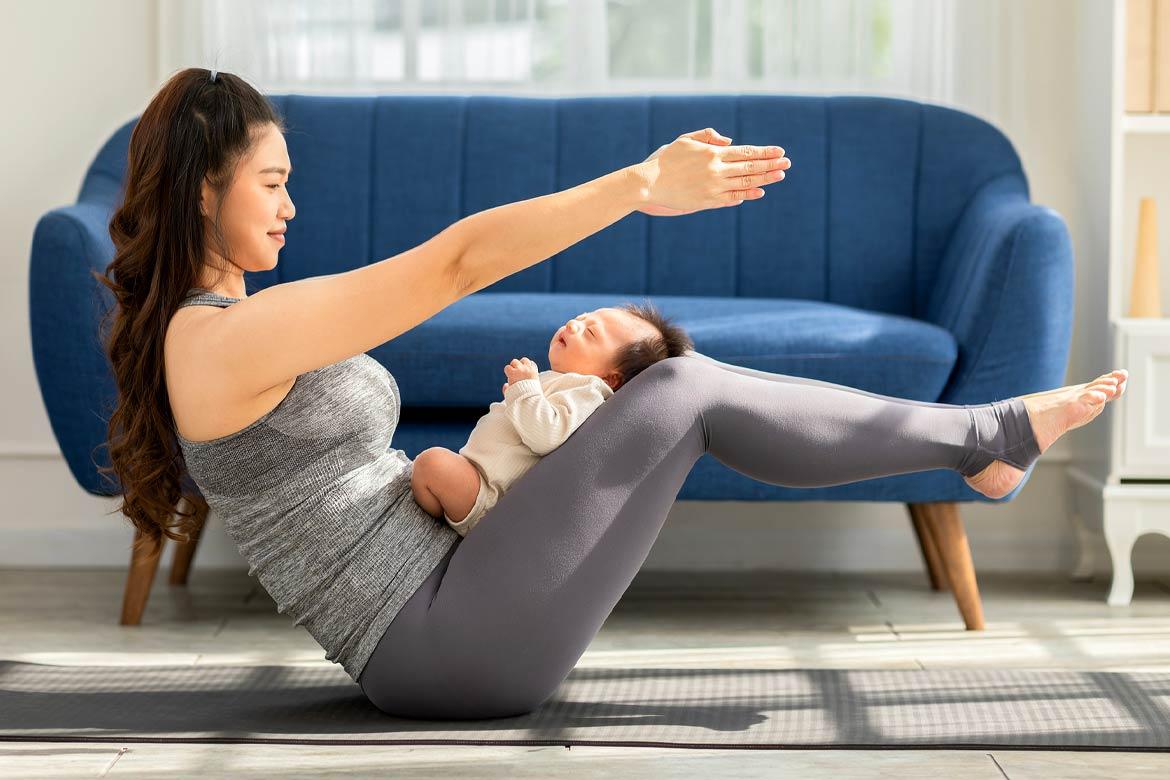
Postpartum Exercise: How Long After Giving Birth Can You Exercise?
So, you’re wondering when to start working out after pregnancy and how long after giving birth you can get back to exercise? Generally, most people can begin gentle exercise after delivery around 6 weeks postpartum, but this is a guideline, and your body’s individual healing process is key. It’s always best to get clearance from your doctor or healthcare provider before starting any postpartum exercise program.
The journey of returning to fitness after childbirth is a unique one for every mother. Pregnancy and birth are significant physical events, and your body needs time to heal and recover. This doesn’t mean you have to put your fitness goals on hold indefinitely, but it does mean approaching postnatal fitness with patience, self-compassion, and a focus on what feels right for your body. Rushing back into intense workouts before your body is ready can do more harm than good, potentially leading to injuries or complications. Instead, think of this period as a gradual reintroduction to movement, prioritizing a strong foundation for long-term health and well-being.
The Importance of a Gradual Return to Exercise
When you’re thinking about returning to exercise after birth, the most crucial element is a gradual approach. Your body has just gone through a marathon and now has a new, demanding job – caring for a baby! This means sleep deprivation, hormonal shifts, and physical recovery are all happening simultaneously.
Imagine your body like a garden that’s just experienced a storm. You wouldn’t immediately expect it to burst into full bloom. It needs time to recover, to rebuild its strength, and to adapt to new conditions. Similarly, your body after childbirth needs gentle care and a progressive return to physical activity.
Why Patience is Key
- Healing: Your body has undergone significant physical changes, from stretching of abdominal muscles and pelvic floor to potential tearing or surgical incisions. These tissues need time to mend.
- Hormonal Changes: Postpartum hormones can affect your joints and ligaments, making them more lax. This can increase the risk of injury if you jump back into high-impact activities too soon.
- Energy Levels: Caring for a newborn is exhausting! Pushing yourself too hard physically when you’re already sleep-deprived can lead to burnout and hinder your recovery.
- Mental Well-being: While exercise can boost mood, overdoing it can add stress. A gentle start can help manage stress and improve mental clarity.
When Can You Start Exercising? The Doctor’s Word is Golden
The most important advice for when to start working out after pregnancy is to consult your healthcare provider. Typically, a postpartum check-up is scheduled around 6 weeks after delivery. At this appointment, your doctor will assess your physical recovery, check for any complications, and give you the go-ahead to resume or begin postpartum exercise.
What to Expect at Your Postpartum Check-up
- Physical Examination: Your doctor will check your incision sites (if you had a C-section), assess the healing of your perineum, and check your uterus.
- Discussion of Symptoms: You’ll have a chance to discuss any concerns you have, such as pain, bleeding, or urinary leakage.
- Exercise Recommendations: Based on your individual recovery, your doctor can provide personalized advice on when and how to start exercising again.
It’s crucial to be honest with your doctor about your activity levels and any discomfort you experience. Don’t feel pressured to say you’re feeling great if you’re not. Your health and safety are the top priorities.
The First Steps: Gentle Movement and Core Recovery
Before you even think about running or lifting weights, the initial focus of postpartum exercise should be on rebuilding your core strength and addressing any changes in your pelvic floor. This is especially important if you experienced significant stretching or trauma during birth.
Pelvic Floor Recovery: The Foundation
Your pelvic floor muscles support your uterus, bladder, and bowels. Pregnancy and childbirth can weaken or injure these muscles, leading to issues like urinary incontinence or pelvic organ prolapse.
- Kegel Exercises: These are the cornerstone of pelvic floor recovery.
- How to do them: Imagine you are trying to stop the flow of urine. Squeeze those muscles. Hold for a few seconds, then relax.
- Frequency: Aim for 3 sets of 10 repetitions daily.
- Important Note: Make sure you are isolating these muscles and not clenching your glutes or abdomen. If you’re unsure, your physical therapist can help you locate and activate them correctly.
Diastasis Recti Exercise: Reconnecting Your Core
Diastasis recti is the separation of the rectus abdominis muscles (your “six-pack” muscles) that can occur during pregnancy due to the growing uterus. It’s very common. The goal of diastasis recti exercise is to gently strengthen the deep core muscles that stabilize your spine and pelvis.
- Transverse Abdominis Activation: This is your deepest abdominal muscle, like a natural corset.
- How to do it: Lie on your back with knees bent. Gently draw your belly button in towards your spine, as if you’re trying to zip up tight pants. You should feel a subtle tightening deep in your abdomen. Breathe normally.
- Focus: It’s not about sucking in; it’s about a gentle engagement.
- Heel Slides:
- How to do it: Lie on your back with knees bent. Gently engage your transverse abdominis. Slowly slide one heel away from you, keeping your back stable and pelvis still. Return to the starting position and repeat with the other leg.
- Progression: As you get stronger, you can increase the range of motion or hold the leg up slightly.
What to Avoid Initially
- Crunches and Sit-ups: These can put excessive pressure on a separated diastasis recti and are generally not recommended in the early postpartum period.
- Heavy Lifting: Avoid lifting anything heavier than your baby until you have regained significant core strength.
- High-Impact Activities: Running, jumping, and anything that causes significant jarring should be avoided until your body is ready.
Resuming Exercise Postpartum: A Phased Approach
Resuming exercise postpartum is best done in phases, starting with the most basic movements and gradually progressing to more challenging activities.
Phase 1: The First 6-12 Weeks (Postpartum Check-up to 3 Months)
This phase is all about gentle reactivation and rebuilding your foundation.
- Focus: Pelvic floor exercises, transverse abdominis activation, light walking, and gentle stretching.
- Examples of Safe Postpartum Workouts:
- Walking: Start with short, flat walks. Gradually increase the duration and incline as you feel stronger.
- Pelvic Tilts: Lie on your back with knees bent. Gently flatten your back against the floor by tilting your pelvis up slightly. Release.
- Cat-Cow Stretch: From hands and knees, inhale as you drop your belly and arch your back (cow), exhale as you round your spine and tuck your chin (cat).
- Glute Bridges: Lie on your back with knees bent. Engage your glutes and lift your hips off the floor. Hold briefly, then lower.
- Bird-Dog: From hands and knees, extend one arm forward and the opposite leg back, keeping your core stable and back straight.
Phase 2: 3-6 Months Postpartum (with Doctor’s Approval)
Once you’ve established a good foundation and your doctor gives you the okay, you can start to introduce more variety and intensity.
- Focus: Building strength, endurance, and incorporating light resistance training.
- Examples of Safe Postpartum Workouts:
- Pilates: Focuses on core strength, flexibility, and controlled movements.
- Yoga: Gentle prenatal or postnatal yoga classes can be beneficial for strength, flexibility, and relaxation.
- Swimming: A great low-impact option that can help you feel strong without putting stress on your joints.
- Light Strength Training: Use light weights or resistance bands for exercises like squats, lunges, rows, and chest presses. Focus on proper form.
- Cardio: Gradually increase the intensity and duration of your walks or consider cycling or elliptical machines.
Phase 3: 6+ Months Postpartum and Beyond
At this stage, you can typically return to your pre-pregnancy fitness routine, provided you’ve been listening to your body and have no lingering issues.
- Focus: Increasing intensity, exploring new activities, and maintaining a consistent fitness routine.
- Examples of Postpartum Exercise Progression:
- Running: If you were a runner, gradually reintroduce running with walk/run intervals.
- High-Intensity Interval Training (HIIT): Once you have a solid base of fitness, you can consider incorporating HIIT.
- Weightlifting: You can increase the weight and complexity of your strength training exercises.
- Sport-Specific Training: If you play sports, you can begin to train for them again.
Special Considerations: C-Section Recovery Exercise
If you had a C-section, your recovery will involve healing from abdominal surgery. This means you’ll need to be even more cautious and patient.
When to Start Postpartum Exercise After a C-Section
You will likely need to wait at least 6-8 weeks, and often longer, before starting any significant physical activity. Always get clearance from your doctor.
Gentle Exercises for C-Section Recovery
- Scar Tissue Mobilization: Once your incision is fully healed, gentle massage around the scar can help prevent adhesions and improve flexibility.
- Deep Breathing Exercises: These help to expand your lungs and can gently engage your diaphragm and deep core muscles.
- Gentle Walking: Similar to vaginal births, walking is an excellent starting point.
- Pelvic Floor and Transverse Abdominis Activation: These exercises are still crucial but may need to be approached with extra care to avoid strain on your incision. Avoid anything that causes pulling or sharp pain.
- Avoid: Exercises that put direct pressure on your abdomen (like crunches) or involve significant twisting or heavy lifting until your doctor clears you.
Listening to Your Body: The Ultimate Guide
No matter what your doctor says or what the “experts” recommend, the most important advice for returning to exercise after birth is to listen to your body. Your body has been through a lot, and it will send you signals if you’re pushing too hard.
Signs to Watch Out For
- Pain: Any sharp or increasing pain, especially in your abdomen, pelvis, or back, is a sign to stop and rest.
- Heaviness or Bulging: If you feel a sense of heaviness or see bulging in your vaginal area, this could indicate pelvic floor weakness or prolapse and requires immediate attention.
- Urinary Leakage: Leaking urine when you cough, sneeze, jump, or exert yourself is a sign that your pelvic floor needs more support and strengthening.
- Excessive Fatigue: While being tired is normal postpartum, extreme fatigue that doesn’t improve with rest might mean you’re doing too much.
What to Do If You Experience These Signs
- Stop the Activity: Immediately cease the exercise causing the discomfort.
- Rest: Give your body a break.
- Consult Your Doctor or a Pelvic Floor Physical Therapist: These professionals can provide specialized guidance and treatment to help you recover safely.
Frequently Asked Questions (FAQ)
Q1: Can I start exercising immediately after giving birth?
A: No, it’s generally not recommended to start exercising immediately after birth. Your body needs time to heal. Waiting for your postpartum check-up (usually around 6 weeks) and getting your doctor’s clearance is essential.
Q2: What are the safest postpartum workouts?
A: The safest postpartum workouts in the early weeks focus on gentle movements like walking, pelvic floor exercises (Kegels), and deep core activation (transverse abdominis). As you progress, Pilates, yoga, swimming, and light strength training become safe options.
Q3: How do I know if I have diastasis recti, and what exercises can I do for it?
A: Diastasis recti is a separation of the abdominal muscles. You can check for it by lying on your back, knees bent, and gently lifting your head and shoulders off the floor. Place your fingers in your belly button area. If you feel a gap of more than two fingers, you likely have diastasis recti. Exercises like transverse abdominis activation and pelvic tilts are beneficial. It’s highly recommended to see a pelvic floor physical therapist for personalized guidance.
Q4: Is it okay to exercise if I’m still bleeding postpartum?
A: Light exercise like walking might be okay if you’re feeling up to it and your doctor approves. However, avoid high-impact activities or anything strenuous while you are still experiencing heavy bleeding or lochia. Listen to your body.
Q5: How long does it take to recover from a C-section to start exercising?
A: For a C-section, the recovery period is longer due to surgery. Most women can begin very gentle movement like walking around 6 weeks postpartum, but a full return to more strenuous exercise is often advised between 3 to 6 months, or even longer, depending on individual healing and doctor’s advice.
Q6: What if I experience pain during postpartum exercise?
A: If you experience any pain, especially sharp or increasing pain, stop the exercise immediately. This is your body’s signal that you may be doing too much too soon or that there’s an underlying issue. Rest and consult your doctor or a pelvic floor physical therapist.
Q7: When can I return to running after giving birth?
A: Returning to running is usually a later stage of postpartum fitness. Most experts recommend waiting until at least 3-6 months postpartum, and only after you have rebuilt significant core and pelvic floor strength, and have been cleared by your doctor. Start with a walk/run program and gradually increase your running time.
Q8: Can I do abdominal exercises like crunches after birth?
A: Generally, crunches and sit-ups are not recommended in the early postpartum period, especially if you have diastasis recti. They can put too much pressure on your healing abdominal muscles. Focus on deep core exercises like transverse abdominis activation first.
Q9: What is postpartum exercise?
A: Postpartum exercise refers to physical activity undertaken by individuals after giving birth to aid in physical recovery, restore strength and fitness, and improve overall well-being. It emphasizes a gradual and safe return to movement, with a focus on core and pelvic floor rehabilitation.
Q10: What is postnatal fitness?
A: Postnatal fitness is a broader term that encompasses all aspects of physical health and well-being in the period following childbirth. It includes exercise, nutrition, rest, and mental health strategies aimed at helping new mothers regain their strength and health.