How do you use exercise bands? Exercise bands are simple tools that can help you get fit. You can use them almost anywhere. They help build muscle, make you more flexible, and can even help you recover from injuries. This guide will show you how to use them the right way. You will learn how to do resistance band exercises safely. You will see how they fit into a home workout with bands.
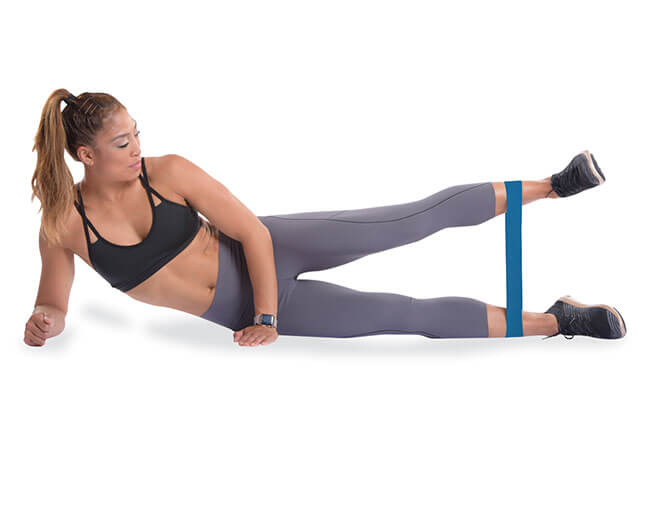
Image Source: kingsfieldfitness.com
Getting to Know Exercise Bands
Exercise bands are stretchy pieces of material. They are often made of rubber or latex. They give you resistance when you pull or push against them. This resistance is what makes your muscles work hard. Think of it like lifting weights, but with a stretchy band instead.
Seeing Why Use Exercise Bands
There are many good reasons to use exercise bands. They offer many exercise band benefits.
- They are easy to carry. You can take them on trips. You can use them in small spaces. This makes a home workout with bands very easy to do.
- They are gentle on your body. The resistance is smooth. This can be easier on your joints than lifting heavy weights.
- They work your muscles in new ways. Bands can pull from different angles. This helps work small helper muscles.
- They are good for everyone. Beginners can start with light bands. People who are strong can use thick bands for tough strength training bands workouts.
- They help with many fitness goals. You can use them to get stronger. You can use them to stretch more. They are great for therapy band exercises too.
Types of Exercise Bands
Not all bands are the same. They come in different shapes and sizes. They also have different levels of stiffness. Here are the main types you will see:
- Loop Bands (Mini Bands): These are small loops. They are often used for leg and glute band workout moves. You might put them around your ankles or knees.
- Flat Bands (Therapy Bands): These are wide, flat bands. They look like long ribbons. They are often used for therapy band exercises. You can cut them to the size you need.
- Tube Bands with Handles: These bands have handles on the ends. They are good for moves like rows or chest presses. The handles make them easy to hold.
- Power Bands (Large Loop Bands): These are thick, strong loops. They give a lot of resistance. People use them for heavy strength training bands work. They are also used to help with pull-ups.
Seeing Band Resistance Levels
Bands come in different colors. The color tells you how hard they are to stretch.
- Light colors (like yellow or red) are usually light resistance.
- Medium colors (like green or blue) are medium resistance.
- Dark colors (like black or purple) are heavy resistance.
Some bands might use their own color system. Always check the label. It should tell you the resistance level (like ‘light’, ‘medium’, ‘heavy’, or in pounds).
Choosing Your First Band
Start simple. A good choice for a beginner is a set with a few different bands. This way, you can try different levels.
- Choose a band that feels right for the exercise. It should be hard enough to challenge your muscles. But not so hard that you cannot do the move correctly.
- If you are new to exercise, start with a light or medium band. You can move to a stronger band as you get stronger.
- For a full body band workout, you might need different bands. A lighter one for arm moves. A stronger one for leg moves.
Grasping Proper Form
Using the right form is very important. This is true for proper form resistance bands work, just like it is for weights. Good form helps you work the right muscles. It also helps you stay safe and avoid getting hurt.
- Control the movement. Do not let the band snap back fast. Move slowly and with control.
- Keep tension on the band. The band should be a little bit tight at the start of the move. Do not let it go totally loose.
- Anchor the band well. Make sure the band is secure if you wrap it around something. Make sure your feet are firm if you stand on the band. You do not want it to slip during the exercise.
- Listen to your body. If something hurts in a bad way (not just muscle tiredness), stop.
Basic Exercise Band Moves
Let’s look at some simple moves you can do with bands. These can be part of your resistance band routines.
For Your Legs and Glutes
These moves are great for a glute band workout.
Band Squats
- Stand on the middle of a long tube band.
- Hold the handles at your shoulders.
- Keep your back straight.
- Lower your body like you are sitting in a chair.
- Keep your knees over your feet.
- Push through your heels to stand back up.
Banded Glute Bridge
- Lie on your back with knees bent. Feet flat on the floor.
- Place a mini loop band around your thighs, just above your knees.
- Keep your feet and knees about hip-width apart.
- Push your hips up off the floor. Squeeze your glutes at the top.
- Make sure your knees stay pushed outward against the band.
- Slowly lower your hips back down.
Banded Lateral Walks
- Place a mini loop band around your ankles or just above your knees.
- Stand with feet shoulder-width apart. Knees bent a little.
- Take a step to the side. Keep tension on the band.
- Bring your other foot to meet it.
- Take several steps one way, then go back the other way.
- Stay low with bent knees.
For Your Upper Body
Use tube bands with handles or flat bands for these.
Band Rows
- Sit on the floor with legs out. Loop the band around your feet.
- Hold an end of the band in each hand.
- Keep your back straight and chest up.
- Pull the band towards your body. Squeeze your shoulder blades together.
- Keep your elbows close to your body.
- Slowly let the band go back.
Band Chest Press
- Wrap the band around your back, under your arms.
- Hold an end of the band in each hand at your chest. Your palms face down or towards each other.
- Stand with one foot slightly forward.
- Push your hands straight forward like a punch.
- Slowly bring your hands back to your chest.
- You can also do this lying on your back. Wrap the band under your back.
Band Shoulder Press
- Stand on the middle of a tube band.
- Hold the handles at your shoulders. Palms facing forward or towards each other.
- Keep your back straight.
- Push your hands straight up over your head.
- Slowly lower your hands back to your shoulders.
For Your Core (Abs and Back)
Keeping your core strong is important.
Banded Russian Twists
- Sit on the floor. Bend your knees a little. Keep your feet on the floor or lifted slightly.
- Hold one end of a band. Wrap the other end around your feet.
- Lean back slightly. Keep your back straight.
- Twist your body to one side.
- Twist back to the middle, then to the other side.
- Keep the movement slow and controlled.
Banded Anti-Rotation Press
- Anchor a band to something sturdy on your side (like a pole).
- Stand sideways to the anchor. Hold the band with both hands at your chest.
- Step away from the anchor until there is tension on the band.
- Keep your body facing forward. The band will want to pull you sideways.
- Press the band straight out in front of your chest.
- Hold for a second, then slowly bring it back.
- Do the same number of presses on both sides.
Stretching with Resistance Bands
Bands can also help you stretch deeper. This is different from using them for strength. Here, the band helps you hold a stretch or go a little further.
Hamstring Stretch
- Lie on your back.
- Loop a flat band around the bottom of one foot.
- Hold the ends of the band with your hands.
- Keep your other leg straight on the floor.
- Gently pull the band to lift the leg with the band. Keep your knee straight.
- Pull until you feel a stretch in the back of your thigh. Do not pull too hard.
- Hold the stretch. Breathe normally. Slowly lower the leg.
Shoulder Stretch
- Hold a flat band in both hands. Hold it wide.
- Keep your arms straight.
- Slowly lift the band up and over your head.
- Try to bring it behind you. Only go as far as feels comfortable.
- You should feel a stretch in your shoulders and chest.
- Bring the band back to the front.
Remember when stretching: Do not bounce. Move slowly. Hold the stretch for a set time (like 20-30 seconds).
Building a Full Body Band Workout
You can use bands to work your whole body. Here is an example of a full body band workout. You can change the bands you use based on how strong you are.
- Warm-up: 5-10 minutes of light movement. (Walking in place, arm circles).
- Workout: Do 2-3 sets of 10-15 repeats for each exercise. Rest 60-90 seconds between sets.
| Body Part | Exercise | Band Type | Notes |
|---|---|---|---|
| Legs | Band Squats | Tube band (medium) | Keep back straight |
| Glutes | Banded Glute Bridge | Mini loop band (light) | Push knees out |
| Glutes | Banded Lateral Walks | Mini loop band (light) | Stay low, small steps |
| Back | Band Rows | Flat or Tube (medium) | Squeeze shoulder blades |
| Chest | Band Chest Press | Tube band (medium) | Control the push and return |
| Shoulders | Band Shoulder Press | Tube band (light) | Push straight up |
| Core | Banded Russian Twists | Flat band (light) | Twist from your core |
| Core | Banded Anti-Rotation | Flat band (medium) | Do both sides, stay facing forward |
- Cool-down: 5-10 minutes of light stretching. (Use a band for hamstring or shoulder stretch if you want).
This is just one example. There are many other resistance band routines you can follow. You can find many resistance band exercises online or in fitness apps.
Creating Resistance Band Routines
How often should you work out with bands? Like any strength training, give your muscles time to rest.
- Aim for 2-3 band workouts per week.
- Give yourself at least one rest day between workouts that work the same muscles.
- You can do full body workouts. Or you can split it up (like upper body one day, lower body another).
- For therapy band exercises, follow your doctor’s or therapist’s advice. They will tell you how often and what moves to do.
Safety First with Bands
- Check your bands. Look for cuts or tears before you use them. A broken band can snap and hurt you. Throw away bands that look damaged.
- Do not overstretch the band. Bands have a limit. Stretching them too far can break them.
- Wear shoes. This can help you stand on bands without slipping.
- Keep the band away from your face. If a band snaps, you do not want it to hit you in the eye.
- Use a secure anchor. If you tie the band to something, make sure it will not move or break.
Caring for Your Bands
Proper care helps your bands last longer.
- Keep bands away from sharp things.
- Store them out of direct sunlight.
- Clean them sometimes with mild soap and water. Let them air dry completely.
- Some people use powder (like cornstarch) on latex bands. This keeps them from sticking together.
Why Exercise Bands Are Great for Therapy
Therapy band exercises are very common. Bands help people get stronger after an injury or surgery.
- Gentle resistance: The smooth resistance is good for muscles that are healing.
- Control: You can control the speed and range of motion easily.
- Specific muscles: Bands can help target very specific muscles that need work.
- Progress: You can start with a very light band and slowly move to stronger ones as you heal.
Your doctor or physical therapist will show you the right therapy band exercises for your needs. Do these moves exactly as they show you.
Glute Bands: A Closer Look
Mini loop bands are sometimes called glute bands. This is because they are great for working the muscles in your hips and backside (your glutes). A glute band workout can help make your glutes stronger. Strong glutes are important for walking, running, and preventing lower back pain.
Placing the band around your knees or ankles makes your glute muscles work harder during moves like squats, bridges, and side steps. This extra effort helps build strength and shape in that area.
Stretching and Bands Together
We talked about using bands to help stretch. This is different from using them for strength. When stretching with resistance bands:
- The band is a tool to help you go a little deeper into a stretch.
- The resistance is used to support your limb or gently pull it further. Not to push against like lifting.
- Focus on breathing and relaxing into the stretch.
Always warm up a little before stretching. Never stretch to the point of sharp pain.
Benefits in More Detail
Let’s go back to exercise band benefits. Beyond just being easy to use, what else is good about them?
- Muscle Growth: Yes, you can build muscle with bands! Your muscles grow when they work against resistance. Bands provide this resistance. Doing resistance band routines regularly challenges your muscles to get stronger and bigger.
- Improved Flexibility and Movement: Stretching with resistance bands helps make your muscles longer and your joints move better. This can help you move more freely in your daily life.
- Better Joint Health: The smooth pull of bands can help improve the strength of muscles around your joints without the hard impact of weights. This is great for joint health.
- Good for Travel: A few bands take up almost no space in a suitcase. You can keep up with your home workout with bands anywhere you go.
- Cost-Effective: Bands are much cheaper than a full set of dumbbells or weight machines.
Going Beyond the Basics
Once you are comfortable with basic resistance band exercises, you can try new things:
- Increase Resistance: Move to a stronger band.
- Do More Repeats: Instead of 10, try 15 or 20 repeats.
- Add More Sets: Do 4 sets instead of 3.
- Do Harder Moves: Look up more advanced resistance band routines online.
- Use Bands with Weights: Some people use bands along with weights to make exercises even harder.
Your Home Workout Partner
Exercise bands are perfect for a home workout. You do not need much space. You do not need special equipment other than the bands. You can follow a full body band workout video online or create your own routine using the exercises you have learned. A home workout with bands makes it easy to fit fitness into your busy day. No gym needed!
Wrapping Up
You now know the basics of how to use exercise bands properly. You have seen the different types, how to choose them, and how to use proper form resistance bands for different moves. You have also learned about exercise band benefits, including strength training bands, therapy band exercises, glute band workout tips, and stretching with resistance bands. Start slow, focus on good form, and be safe. Exercise bands are a great way to get stronger and healthier.
Frequently Asked Questions
h4 What kind of results can I expect from using resistance bands?
You can get stronger, build muscle, and become more flexible. How much depends on how often you work out and how hard you push yourself. Using them regularly as part of resistance band routines will show results over time.
h4 Can I replace weight lifting with exercise bands?
For many people, yes. Bands provide resistance just like weights. They can challenge your muscles enough to build strength and muscle size. For very advanced bodybuilders, bands might not be enough on their own. But for general fitness, they work great as strength training bands.
h4 How do I know if the band is too easy or too hard?
If you can do more than 20 repeats of an exercise easily, the band is likely too easy. If you cannot do at least 8 repeats with good form, it is probably too hard. Find a band where you can do 10-15 repeats and feel tired by the last few.
h4 How long do exercise bands last?
With good care, bands can last for months or even a few years. Check them often for damage. Store them properly.
h4 Are exercise bands good for losing weight?
Any exercise that makes your muscles work can help with weight loss as part of a healthy diet. Resistance band exercises build muscle, which helps your body burn more calories. A full body band workout can be a good part of a weight loss plan.
h4 Can I use exercise bands if I have an injury?
Maybe, but talk to a doctor or physical therapist first. Therapy band exercises are often used for recovery. But you need to make sure you do the right moves and use the correct resistance for your specific injury.