Getting enough exercise is key to living a long and healthy life. But many people wonder exactly how much is needed. How often should you exercise to get the most benefits? The answer depends on your health goals and what type of exercise you do. Luckily, experts have created helpful guides. These Physical activity guidelines tell us the minimum amount of exercise most adults need each week. Meeting these guidelines can greatly improve your health. It’s not just about working out every day. It’s about finding a regular rhythm that fits your life and helps your body stay strong.
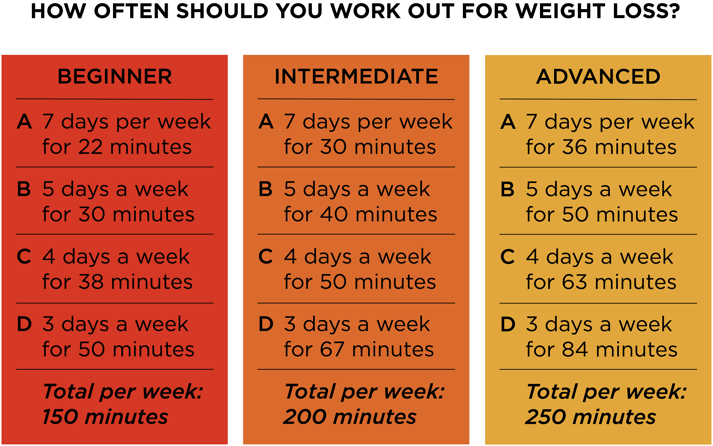
Image Source: www.chicagoathleticclubs.com
Interpreting Physical Activity Guidelines
Governments and health groups around the world offer clear advice on exercise. These are often called Physical activity guidelines. They give a good starting point for most adults. These guides are based on lots of research. They show what amount of exercise helps lower risks for many diseases. They help you get heart health, stronger muscles, and a better mood.
Most guidelines say adults should do two main types of exercise each week:
* Cardio exercise (like brisk walking, running, swimming)
* Strength training (like lifting weights or using resistance bands)
The guides tell you how much of each type you need. They also talk about how hard you should work.
Deciphering Exercise Intensity
Not all exercise is the same. How hard you work matters. Experts talk about two main levels of effort:
* Moderate intensity exercise
* Vigorous intensity exercise
Knowing the difference helps you meet the guidelines.
What is Moderate Intensity Exercise?
Moderate intensity exercise makes your heart beat faster. You breathe harder than usual. But you can still talk. You just can’t sing.
Examples include:
* Brisk walking
* Riding a bike on flat ground
* Doing yard work
* Playing doubles tennis
* Dancing
If you are doing moderate intensity exercise, you should feel warmed up. You might sweat a little.
What is Vigorous Intensity Exercise?
Vigorous intensity exercise makes your heart pump much faster. You breathe very hard. You can only say a few words at a time. You cannot have a conversation easily.
Examples include:
* Running or jogging
* Swimming laps
* Riding a bike fast or on hills
* Playing singles tennis
* Playing sports like basketball or soccer
* Hiking uphill
Vigorous exercise takes more effort. You will likely sweat a lot.
Why Intensity Matters
The guidelines give amounts for both moderate and vigorous exercise. This is because vigorous exercise gives similar benefits in less time. Think of it this way:
* 1 minute of vigorous activity counts about the same as 2 minutes of moderate activity.
So, if you are short on time, working harder can help you meet the goals faster.
Recommended Exercise Duration
The guidelines give a total amount of time you should exercise each week. This is your Exercise duration goal. For most adults, the goal is:
* 150 minutes of moderate intensity exercise per week OR
* 75 minutes of vigorous intensity exercise per week
You can also do a mix of both. For example, 30 minutes of vigorous exercise plus 60 minutes of moderate exercise would meet the goal (30 vigorous * 2 + 60 moderate = 60 + 60 = 120 moderate equivalent minutes, falling short). Let’s re-do that math with the 2:1 ratio correctly applied.
* 30 minutes of vigorous exercise is like 60 minutes of moderate exercise.
* So, 30 minutes vigorous + 60 minutes moderate = 60 + 60 = 120 moderate equivalent minutes. This is still below the 150 target.
Let’s try again to hit the target with a mix:
* 30 minutes of vigorous exercise (equals 60 minutes moderate) AND 90 minutes of moderate exercise. Total moderate equivalent = 60 + 90 = 150 minutes. This mix meets the goal.
* Another mix: 45 minutes of vigorous exercise (equals 90 minutes moderate) AND 60 minutes of moderate exercise. Total moderate equivalent = 90 + 60 = 150 minutes. This also meets the goal.
The key is reaching that total of 150 moderate minutes or 75 vigorous minutes (or a mix). You can spread this time out during the week.
Weekly Exercise Frequency: How Often Per Week?
The Physical activity guidelines suggest spreading your exercise out. It’s better for your body and helps you build a habit. While the guides give a total weekly time, they also offer hints on Weekly exercise frequency.
The goal of 150 minutes of moderate exercise is often met by doing:
* 30 minutes per day, 5 days a week.
This is a common and good Recommended exercise schedule for many people. You get exercise on most days. But you also get days off.
You can divide the time in other ways too. You could do:
* 50 minutes, 3 days a week (50 * 3 = 150)
* About 20-25 minutes, 6-7 days a week (20 * 7 = 140, 25 * 6 = 150)
* Shorter bursts: Three 10-minute walks spread throughout the day, 5 days a week (3 * 10 * 5 = 150)
The guidelines say you can even do exercise in short periods, like 10 minutes or more at a time. Every little bit adds up towards your weekly total.
For vigorous exercise (75 minutes per week), you could do:
* 25 minutes, 3 days a week (25 * 3 = 75)
* About 15 minutes, 5 days a week (15 * 5 = 75)
Spreading it out is generally better than trying to do it all in one or two long sessions. It helps lower the risk of injury. It also keeps your body active more often.
Grasping Cardio Exercise Frequency
Cardio exercise, also called aerobic exercise, is important for your heart and lungs. It helps them work better. To get the best heart benefits, you need to do cardio often.
Based on the guidelines, a common Cardio exercise frequency is:
* 3 to 5 days per week.
If you do moderate intensity cardio, aiming for 5 days a week of about 30 minutes is great. This meets the 150-minute guideline perfectly.
If you do vigorous intensity cardio, you might only need 3 days a week. About 25 minutes each time will get you to 75 minutes.
Some people like to do cardio almost every day. This is okay for moderate intensity exercise, as long as your body feels good. For vigorous intensity, it’s usually wise to take days off between tough workouts. This gives your body time to recover.
How long should each cardio session be?
* Minimum: At least 10 minutes at a time to count towards the goal.
* Ideal: Often 20-60 minutes per session is a good target range. Longer sessions build more endurance.
Listen to your body. If you are new to exercise, start with fewer days and shorter times. Slowly add more days and time as you get stronger.
Strength Training Frequency: Building Muscle and Bone
Strength training is key for strong muscles and bones. It also helps with balance and metabolism. The guidelines are clear on how often you should lift weights or do bodyweight exercises.
The standard Strength training frequency recommendation is:
* At least 2 days per week.
These strength training sessions should work all the major muscle groups. This includes legs, hips, back, chest, stomach, shoulders, and arms.
Important points for strength training:
* The 2 days per week do NOT have to be on back-to-back days. It is often better to have a rest day in between strength sessions. This lets your muscles repair and grow stronger.
* Aim to do 8-12 repetitions for each exercise. Do 1-3 sets of each exercise.
* Use a weight or resistance level that makes the last few reps hard to finish.
Unlike cardio, doing strength training every day is usually not helpful. Muscles need time to recover. If you work the same muscle group hard two days in a row, you increase your risk of injury. You also might not get the full benefit of muscle growth.
If you want to do more than 2 days, you can. You could work different muscle groups on different days. For example:
* Day 1: Upper body (chest, back, arms, shoulders)
* Day 2: Lower body (legs, hips)
* Day 3: Full body or core focus (stomach, back)
* Take rest days between these.
Even doing full-body strength workouts 3 days a week is fine for many people, as long as there are rest days in between. The key is those Minimum exercise amount goals: at least 2 days per week working all major groups.
Combing Cardio and Strength Training
To get the best health results, you need both cardio and strength. How do you fit it all in?
A good Recommended exercise schedule often mixes the two. Here is one common way:
* Monday: Moderate Cardio (e.g., brisk walk)
* Tuesday: Strength Training (full body)
* Wednesday: Moderate Cardio (e.g., cycling)
* Thursday: Strength Training (full body)
* Friday: Moderate Cardio (e.g., dancing)
* Saturday: Rest or light activity
* Sunday: Rest or light activity
This schedule meets the guidelines:
* Cardio: 3 days (Monday, Wednesday, Friday) * ~30-50 minutes = 90-150+ minutes (meets or exceeds 150 moderate minutes goal)
* Strength: 2 days (Tuesday, Thursday) working all major groups (meets 2 days goal)
You could also do vigorous cardio:
* Monday: Vigorous Cardio (e.g., running)
* Tuesday: Strength Training
* Wednesday: Rest
* Thursday: Vigorous Cardio
* Friday: Strength Training
* Saturday: Rest
* Sunday: Vigorous Cardio (or rest, depending on weekly total)
This schedule could look like:
* Monday: Vigorous Cardio (25 minutes)
* Tuesday: Strength Training
* Wednesday: Rest
* Thursday: Vigorous Cardio (25 minutes)
* Friday: Strength Training
* Saturday: Rest
* Sunday: Vigorous Cardio (25 minutes)
* Total Vigorous Cardio: 75 minutes (meets goal)
* Total Strength: 2 days (meets goal)
Many people find it works best to do cardio and strength on separate days. However, you can do them on the same day if needed.
* Option 1: Do strength training first, then cardio. This is good if strength is your main focus or you are lifting heavy.
* Option 2: Do cardio first, then strength training. This is fine if your cardio isn’t too tiring before strength.
* Option 3: Do strength training in the morning and cardio in the evening (or vice versa). This gives more recovery time between types.
Listen to your body. If doing both tires you out too much, separate them. The goal is to meet the weekly totals, not to do everything at once.
Interpreting the Need for Rest Days
Exercise puts stress on your body. This is a good thing! This stress helps you get stronger. But your body needs time to recover and build itself back up. This is where Rest days needed come in.
Rest days are not lazy days. They are important parts of your training plan. On rest days, your muscles repair tiny tears that happen during exercise. Your energy stores get refilled. Your nervous system recovers.
How many Rest days needed each week?
* For most people following the guidelines, 1-2 rest days per week are helpful.
* If you do very intense workouts or exercise for long periods, you might need more rest days.
* If you are new to exercise, you might need more rest days at first.
What to do on a rest day?
* Complete rest: Do nothing active besides your normal daily tasks.
* Active rest: Do very light activity. This could be a gentle walk, stretching, yoga, or easy cycling. Active rest can help keep blood flowing and reduce muscle soreness for some people.
Ignoring rest days can lead to problems:
* Feeling constantly tired
* Muscle soreness that does not go away
* Increased risk of injury
* Trouble sleeping
* Feeling moody or stressed
* Getting sick more often
This is called overtraining. Paying attention to the Rest days needed helps you avoid overtraining. It allows your body to get stronger from the exercise you are doing.
Grasping the Minimum Exercise Amount
We have talked about the main guidelines. But what is the absolute Minimum exercise amount you should aim for?
The guidelines state 150 minutes of moderate cardio OR 75 minutes of vigorous cardio, plus 2 days of strength. Is there anything less that still helps?
Yes, some research shows even less than the full guidelines can offer some health benefits.
* Just 60 minutes of moderate activity per week can start to lower risks for some diseases.
* Breaking up long periods of sitting is also helpful. Even short walks every hour help.
However, to get major health benefits – like a big drop in heart disease risk, help with weight management, and improved mental health – aiming for the full 150 minutes of moderate or 75 minutes of vigorous cardio plus strength training is the goal. The Minimum exercise amount to see real, lasting health changes is generally considered to be meeting those standard guidelines. Doing less might be better than nothing, but it won’t provide the same level of protection and benefit.
So, while any movement is good, try to work towards the 150 minutes cardio/2 days strength goals. That is the Minimum exercise amount that experts recommend for significant health improvements for most adults.
Building a Recommended Exercise Schedule
Let’s look at some example Recommended exercise schedule plans based on different goals and lifestyles. Remember to adjust these based on your own fitness level and what you enjoy.
Example 1: Meeting Minimum Guidelines (Balanced)
This plan meets the 150 minutes moderate cardio and 2 days strength.
| Day | Activity | Intensity | Duration | Focus |
|---|---|---|---|---|
| Monday | Brisk Walk | Moderate | 30 mins | Cardio |
| Tuesday | Strength Training | Moderate | 45 mins | Full Body |
| Wednesday | Brisk Walk or Cycling | Moderate | 30 mins | Cardio |
| Thursday | Strength Training | Moderate | 45 mins | Full Body |
| Friday | Brisk Walk or other Cardio | Moderate | 30 mins | Cardio |
| Saturday | Rest Day | None | – | Recovery |
| Sunday | Rest Day | None | – | Recovery |
| Weekly Total | 150 mins Cardio | 2 Days Strength |
This is a great plan for general health. It spreads exercise out over 5 days. It includes two full rest days.
Example 2: Meeting Minimum Guidelines (Time Saver)
This plan uses vigorous exercise to meet the cardio goal faster.
| Day | Activity | Intensity | Duration | Focus |
|---|---|---|---|---|
| Monday | Running or HIIT Class | Vigorous | 25 mins | Cardio |
| Tuesday | Strength Training | Moderate | 45 mins | Full Body |
| Wednesday | Rest Day | None | – | Recovery |
| Thursday | Running or Cycling Fast | Vigorous | 25 mins | Cardio |
| Friday | Strength Training | Moderate | 45 mins | Full Body |
| Saturday | Active Rest (Gentle Walk) | Light | 30 mins | Recovery/Light |
| Sunday | Running or Sports | Vigorous | 25 mins | Cardio |
| Weekly Total | 75 mins Vigorous Cardio | 2 Days Strength |
This plan is more intense. It still includes rest days. The cardio is shorter but harder.
Example 3: Exceeding Guidelines for More Benefits
Doing more exercise can lead to even greater health benefits. The guidelines suggest aiming for 300 minutes of moderate or 150 minutes of vigorous cardio for extra benefits.
| Day | Activity | Intensity | Duration | Focus |
|---|---|---|---|---|
| Monday | Brisk Walk or Jog | Mod/Vig | 45 mins | Cardio |
| Tuesday | Strength Training | Moderate | 60 mins | Full Body |
| Wednesday | Cycling or Swimming | Mod/Vig | 45 mins | Cardio |
| Thursday | Strength Training | Moderate | 60 mins | Full Body |
| Friday | Running or HIIT | Vigorous | 30 mins | Cardio |
| Saturday | Long Walk or Hike | Moderate | 60 mins | Cardio/Leisure |
| Sunday | Rest or Active Rest | None/Light | – | Recovery |
| Weekly Total | 225 mins Mod/Vig Cardio | 2 Days Strength |
This plan offers more exercise time. It mixes intensities. It still includes a key rest day. The total cardio is above the minimum, giving extra health boosts.
Deciphering Your Personal Best Frequency
The general guidelines are for most healthy adults. Your perfect Weekly exercise frequency might be different. It depends on several things:
* Your current fitness level: If you are just starting, fewer days and shorter times are best. Build up slowly.
* Your age: Older adults can get great benefits from exercise. They might need more focus on balance and less intense activities.
* Your health conditions: If you have any health problems, talk to a doctor before starting a new plan. They can help you find a safe schedule.
* Your goals:
* General health: Meeting the minimum guidelines is enough.
* Weight loss: You likely need more exercise than the minimum, maybe closer to 300 minutes of moderate cardio per week.
* Training for an event (like a race): You will need a specific training plan that might involve more frequent or longer workouts.
* Building a lot of muscle: You might focus more on strength training frequency and quality, maybe 3-4 days per week of strength focused on different body parts.
* How you recover: Some people recover faster than others. Pay attention to how your body feels.
* What you enjoy: You are more likely to stick to a schedule you like. If you hate running, find a different cardio you enjoy. If you dislike lifting weights, try resistance bands or bodyweight exercises.
* Your schedule: Find a routine that fits into your daily or weekly life. It’s better to do a little exercise often than plan big workouts you never have time for.
Finding your personal best frequency is a journey. Start with the Recommended exercise schedule based on guidelines. See how you feel. Are you very sore? Are you tired all the time? Maybe you need more Rest days needed or shorter sessions. Do you feel you could do more? Slowly add a little extra time or an extra day of activity.
Consistency is often more important than doing a massive workout just once in a while. Try to find a schedule you can keep up most weeks.
Comprehending Consistency and Benefits
Meeting the Physical activity guidelines on a regular basis is the key to getting lasting health benefits. It’s not just about hitting the goals one week. It’s about making exercise a regular part of your life.
Consistent exercise helps with many things:
* Heart Health: Lowers blood pressure, improves cholesterol, reduces risk of heart attack and stroke.
* Weight Management: Helps burn calories and build muscle, which helps with keeping a healthy weight.
* Blood Sugar: Helps control blood sugar levels, lowering the risk of type 2 diabetes.
* Bone and Muscle Strength: Prevents bone loss and builds strong muscles, reducing risk of falls as you age.
* Mental Health: Reduces stress, anxiety, and depression. Improves mood and sleep.
* Energy Levels: Makes you feel more energetic throughout the day.
* Reduced Risk of Certain Cancers: Exercise is linked to lower risk of some cancers.
Even the Minimum exercise amount suggested by the guidelines can give you these important benefits. Doing more can lead to even greater improvements, especially if your goal is weight loss or high fitness.
Think of exercise like taking medicine for your health. To get the best results, you need to take it regularly as prescribed. The “dose” prescribed by health experts is meeting the Weekly exercise frequency and duration goals.
Frequently Asked Questions (FAQ)
h4 Should I Exercise Every Single Day?
It is not necessary or always recommended to exercise every single day. The Physical activity guidelines suggest getting cardio most days of the week (3-5 days) and strength training at least two non-consecutive days. Rest days needed are important for your body to recover and get stronger. Doing moderate activity daily is often fine, but vigorous activity or heavy strength training usually requires days off between sessions for the same muscle groups.
h4 Can I Get All My Weekly Exercise at Once?
While doing a long workout once a week is better than nothing, it is not the most effective way to exercise for health. The guidelines suggest spreading your exercise throughout the week. This helps lower injury risk and keeps your body active more often. It’s usually better to do 30 minutes 5 days a week than 150 minutes in one day.
h4 How Short Can an Exercise Session Be?
Current guidelines say that any length of activity counts towards your weekly total. Even bursts of 10 minutes or less add up. However, longer sessions (10 minutes or more) where you get your heart rate up are often easier to track and ensure you are getting enough moderate or vigorous time. Shorter bursts of very high intensity exercise (like sprinting for 30 seconds) can also be very effective, but are best included within a longer session or as part of a specific type of training (like HIIT).
h4 What if I Can’t Meet the Minimum Guidelines Yet?
If you are new to exercise or have health issues, don’t worry! Start small. Even 5-10 minutes of walking per day is a great start. Slowly add more time and days as you get stronger. Any amount of exercise is better than none. Work towards the Minimum exercise amount goal (150 moderate minutes/75 vigorous minutes + 2 days strength) over time. Celebrate small wins!
h4 Do Daily Chores Count as Exercise?
Some daily chores can count if they are done at a moderate or vigorous intensity for at least 10 minutes. For example, brisk walking while shopping, heavy gardening, or pushing a lawn mower could count as moderate activity. Cleaning vigorously or shoveling snow could be vigorous. Light chores like dusting or washing dishes usually do not raise your heart rate enough to count towards the guidelines.
h4 How Do I Know if I’m Exercising at Moderate Intensity?
A simple test is the “talk test”. If you can talk but can’t sing, you are likely doing moderate intensity exercise. You should feel your heart rate is up and you are breathing harder than normal. You might sweat a little.
h4 How Do I Know if I’m Exercising at Vigorous Intensity?
Using the talk test, if you can only say a few words at a time before needing to catch your breath, you are likely doing vigorous intensity exercise. Your heart rate will be high, you will be breathing heavily, and you will sweat a lot.
h4 Is More Exercise Always Better?
Up to a point, more exercise can lead to greater health benefits. However, there are times when too much exercise can be harmful. This can lead to overtraining, injury, burnout, and other health issues. This is why Rest days needed are important. For most people seeking general health benefits, meeting or slightly exceeding the guidelines (like aiming for 300 minutes of moderate cardio) is likely enough to get most of the major health rewards. Very high levels of training are usually only needed for serious athletes.
h4 How Can I Fit Exercise into a Busy Schedule?
Look for ways to break up your Exercise duration. Take the stairs instead of the elevator. Walk during your lunch break. Do bodyweight exercises at home. Exercise while watching TV. Schedule your workouts like important appointments. Find activities you can do with family or friends to make it fun. Remember that even short bursts of activity add up towards your Weekly exercise frequency goal.
Meeting the recommended Weekly exercise frequency, duration, and intensity goals is one of the best things you can do for your health. Start with the basic Physical activity guidelines. Find a Recommended exercise schedule that works for you. Be consistent. And remember to include those vital Rest days needed!