Image Source: images.squarespace-cdn.com
Can You Exercise While Fasting? The Complete Answer Here
Can you exercise while fasting? Yes, many people do. Exercising while intermittent fasting or during longer fasts is a common practice. Is it safe to exercise while fasting? For most healthy people, yes, it can be safe. But it really depends on your body, the type of exercise you do, and how long you have been fasting. It’s important to listen to your body and know the possible ups and downs.
Grasping What Fasting Means
Before we talk about working out, let’s get clear on fasting. Fasting means not eating for a certain time. Intermittent fasting is a popular way to do this. You eat only during a set time window each day or week. Common ways include:
- 16/8 Method: You fast for 16 hours and eat during an 8-hour window.
- 5:2 Diet: You eat normally five days a week. On two non-consecutive days, you limit your calories a lot (like 500-600).
- Eat Stop Eat: You do one or two 24-hour fasts per week.
When you fast, your body uses up the sugar from the food you just ate. Then it starts looking for other energy sources. This often means stored body fat. This is why people link fasting to weight loss and burning fat. Now, let’s see how adding exercise changes things.
Exploring the Benefits of Exercising While Fasting
Adding exercise to your fasting plan can bring certain benefits of fasted exercise. People often do it hoping to burn more fat. Let’s look closer at why they think this works and what other good things might happen.
More Focus on Fat Burning
This is a main reason people try a fat burning fasted workout. When you exercise after fasting, your body has less ready-to-use sugar (glucose) from food. So, it might use stored fat for energy more easily. Think of it like this:
- After eating: Your body uses the sugar from your meal first. It’s easy energy.
- While fasting: The easy sugar energy is low. Your body has to tap into fat stores.
Exercising when your body is already tapping into fat stores could potentially speed up this process. This doesn’t mean you burn only fat, though. Your body still uses a mix of fuel types. But the proportion of fat used might be higher than if you had just eaten.
Helping Your Body Use Energy Better
Fasted exercise might help your body become better at switching between using carbs and fat for fuel. This is called metabolic flexibility. It means your body can easily use whatever energy source is most available. Being good at this can be good for your overall health.
Hormones Might Behave Differently
Fasting and exercise both affect your hormones. When you exercise while fasting, some hormone levels change.
- Growth Hormone: Levels can go up during fasting and exercise. Growth hormone helps your body repair tissues and might help keep muscle.
- Adrenaline (Epinephrine): This hormone helps your body release fat from storage to be used for energy. Exercise increases adrenaline. Doing it while fasted might make this effect stronger.
These hormonal changes are part of how fasted exercise might help with fat breakdown.
Potential Effects on Insulin Sensitivity
Insulin is a hormone that helps your body use sugar. Being sensitive to insulin is good. It means your body doesn’t need to make too much insulin to do its job. Exercise, in general, improves insulin sensitivity. Some research suggests that fasted exercise might offer extra benefits here, but more studies are needed to be sure. Better insulin sensitivity is good for preventing type 2 diabetes and other health problems.
Feeling More Mentally Clear
Some people report feeling more alert and focused during fasted workouts. This could be linked to changes in brain chemicals or the body using different fuel sources. However, energy levels exercising fasted can vary greatly. Some people feel full of energy, while others feel low or dizzy. It really depends on the person and the workout.
Different Types of Exercise While Fasting
Not all workouts are the same when you are fasting. The best type for you depends on your goals and how you feel.
Fasted Cardio Benefits
Doing cardio (like running, cycling, or swimming) while fasted is popular. Many people do it in the morning before eating. The idea is to boost fat burning fasted workout effects.
- Light to Moderate Cardio: Easy jogging, walking, or a gentle bike ride is often fine while fasted. Your body can usually handle this well. It’s a good way to start if you are new to fasted exercise. This kind of movement might offer the best fasted cardio benefits for fat burning without too much stress.
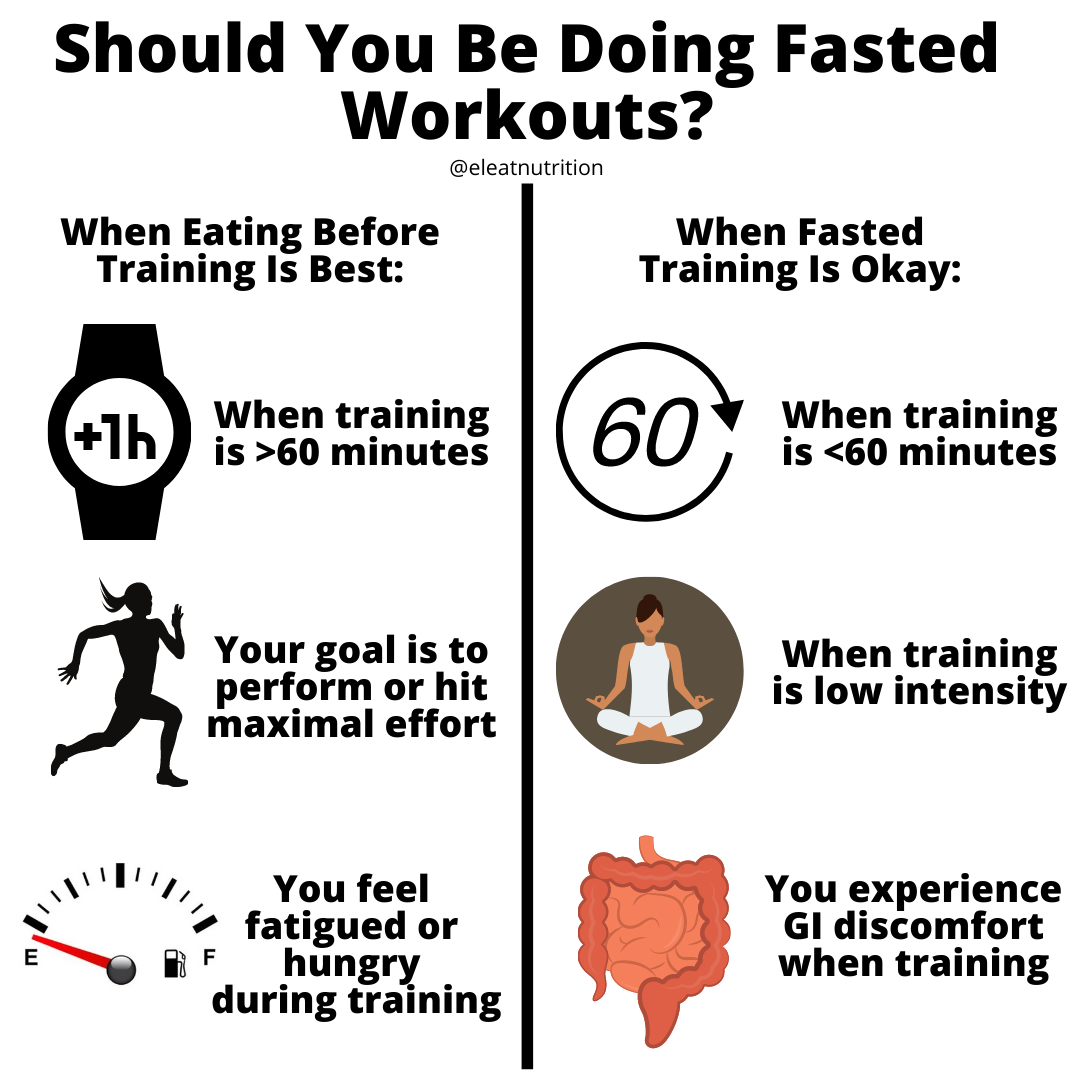
- Intense Cardio: Hard running, HIIT (High-Intensity Interval Training), or tough uphill cycling is much harder while fasted. These workouts use a lot of energy very quickly. Your body prefers to use sugar (carbs) for this kind of fast, hard effort. Doing intense exercise without easily available sugar can make you feel tired, weak, or dizzy sooner.
So, if your goal is just general health or light fat burning, easy to moderate fasted cardio might work well. If you want to perform at your peak during intense cardio, eating something beforehand might be better.
Strength Training During Fasting
What about lifting weights? Strength training during fasting is something many people do. The main question is often about losing muscle or not being able to build it.
- Muscle Preservation: Some worry about losing muscle when fasting. Your body can break down muscle for energy if needed. However, for most people doing standard intermittent fasting and resistance training, muscle loss is unlikely if you eat enough protein and calories during your eating window. Your body is smart. It prefers to burn fat or use stored carbs (glycogen) first.
- Muscle Gain: Can you achieve muscle gain fasting exercise? Yes, it’s possible. Building muscle needs two key things: lifting weights (the stimulus) and getting enough protein and total calories over time (the building blocks and energy). As long as you meet your nutrition needs during your eating period, doing your strength training while fasted doesn’t necessarily stop muscle growth. Some people even feel stronger or more focused lifting weights while fasted. Others feel weaker.
Timing matters for strength training. Some prefer lifting weights just before breaking their fast. Then they can eat right after the workout. This gives the muscles protein and carbs when they are ready to repair and grow. Others lift earlier in their fast and eat hours later. Both can work. What is most important is the total amount of protein and calories you eat daily, not just around the workout itself.
Lower Intensity Workouts
Things like yoga, Pilates, or walking are generally very safe and effective while fasting. These types of activities are less demanding on your energy stores. They are great for movement, reducing stress, and gentle calorie burning without the risks of exercising while fasting that come with high intensity.
Is it Safe to Exercise While Fasting? Weighing the Risks
We asked, is it safe to exercise while fasting? And the answer is mostly yes for healthy adults. But there are risks of exercising while fasting that you need to know. It’s not right for everyone.
Who Should Be Extra Careful or Avoid It?
Some people should probably not exercise while fasting, or at least talk to a doctor first:
- People with Diabetes: Especially if you use insulin or other blood sugar lowering medicines. Exercising while fasted could cause dangerously low blood sugar (hypoglycemia).
- Pregnant or Breastfeeding Women: These times require steady nutrients for the baby. Fasting is usually not recommended.
- People with a History of Eating Disorders: Fasting can be a trigger.
- People with Certain Medical Conditions: Like heart problems, kidney problems, or low blood pressure. Fasting and exercise both stress the body in different ways.
- People Taking Certain Medications: Especially those that affect blood sugar or blood pressure.
Signs You Need to Stop
Your body will give you signals if you are pushing too hard or something is wrong. Pay attention to these risks of exercising while fasting:
- Feeling dizzy or lightheaded
- Feeling sick to your stomach (nausea)
- Having a headache
- Feeling shaky or weak
- Feeling very tired, more than usual for a workout
- Cold sweats
- Blurred vision
If you feel any of these, stop exercising. Sit down or lie down. If you are within your eating window, or if you feel truly unwell, consider breaking your fast with a small amount of juice or easily digestible carbs.
Staying Hydrated is Key
This is super important whether you are fasting or not. But it’s even more critical when exercising while fasting. You aren’t getting fluids from food. You lose fluids through sweat. Drink water before, during, and after your workout. Don’t wait until you feel thirsty.
Electrolytes Matter Too
Water is great, but you also lose electrolytes like sodium, potassium, and magnesium when you sweat. These help your body work right. Low electrolytes can cause headaches, cramps, or dizziness. If you are doing longer or more intense fasted workouts, or if it’s hot, consider adding some electrolytes to your water. You can buy electrolyte powders or tablets that have no calories. Bone broth is another option during a fast that provides electrolytes.
Listen to Your Body Always
This is the most important rule. If you feel bad exercising while fasted, don’t do it. It’s okay to change your plan. Maybe try exercising during your eating window instead. Or have a small, easily digestible snack (like a few dates or half a banana) before your workout, even if you are technically still in your fasting window. A little bit of carbs might give you the energy you need without fully breaking your fast in the traditional sense, depending on your goals.
Workout Timing and Intermittent Fasting
When should you exercise if you are intermittent fasting? There are a few common approaches for workout timing intermittent fasting. Each has pros and cons.
Working Out Early in the Fasting Window (e.g., Morning)
This is very common, especially for people doing the 16/8 method and skipping breakfast.
- Pros:
- Gets exercise done first thing.
- May enhance fat burning fasted workout effects as insulin levels are low.
- Can feel mentally refreshing.
- Doesn’t interfere with meals or social plans later.
- Cons:
- Energy levels exercising fasted might be low for some.
- Risk of dizziness or nausea if not hydrated or used to it.
- Harder to do very intense workouts.
Working Out Later in the Fasting Window (e.g., Right Before Eating)
This means you fast for many hours, then exercise, then immediately break your fast.
- Pros:
- Allows you to refuel quickly after the workout, which is good for recovery and muscle gain fasting exercise.
- Still potentially benefit from the fasted state during the workout.
- You’re closer to breaking the fast if you feel low on energy.
- Cons:
- You might be very hungry during the workout.
- Can feel draining after a long fast.
- Might require careful planning to have your meal ready right away.
Working Out During the Eating Window
This means you have had at least one meal recently before exercising.
- Pros:
- You have more energy available from recent food intake. This allows for higher intensity workouts.
- Often feels more comfortable.
- Better for performance goals (like running a fast race or lifting heavy).
- Less risk of low blood sugar or dizziness.
- Cons:
- Doesn’t offer the specific benefits of fasted exercise related to fat burning.
- Might require timing your workout after digestion is mostly done (avoid exercising right after a big meal).
Choosing the Best Time
The best workout timing intermittent fasting depends on:
- Your Goal: Are you focused on fat loss (maybe fasted is better for you)? Or performance/muscle gain (eating beforehand might be better)?
- How You Feel: Do you have good energy levels exercising fasted? Or do you feel weak?
- Your Schedule: When can you realistically fit exercise in?
Many people find a mix works. They might do easy fasted cardio in the morning and lift weights or do intense exercise during their eating window. Experiment and see what feels best and helps you reach your goals safely.
Fuelling Your Body Around Fasted Exercise
Even if you are exercising while fasting, what you consume before and after your workout is vital.
Before a Fasted Workout
- Water: Drink plenty of water leading up to your workout. Be well-hydrated before you start.
- Black Coffee or Tea: Many people have black coffee or plain tea (no sugar, milk, or cream) before fasted exercise. These drinks usually don’t break a fast and the caffeine can boost energy and focus. Some studies suggest caffeine might also help with fat release.
- Electrolytes: As mentioned, consider calorie-free electrolyte drinks, especially for longer or harder sessions, or in heat.
Avoid anything with calories or sugar if you want to stay in a truly fasted state for the supposed fat burning fasted workout effects.
After a Fasted Workout
This is especially important if you are doing strength training or intense cardio and want to build or keep muscle. Your first meal after breaking your fast should ideally include:
- Protein: Muscles need protein to repair and grow. Aim for a good amount (like 20-40 grams, depending on your size and the workout). Eggs, chicken, fish, lean meat, tofu, or protein powder are good choices.
- Carbohydrates: Carbs help refuel your energy stores (glycogen) and help protein get into your muscles. Choose nutrient-dense carbs like fruits, vegetables, potatoes, rice, or oats.
Eating a balanced meal soon after your workout helps with recovery and supports goals like muscle gain fasting exercise.
Putting it All Together: Personalizing Your Approach
There’s no single “right” way to exercise while fasting. What works for one person might not work for you.
- Start Slow: If you’ve never exercised fasted before, don’t try an intense workout right away. Start with a short, easy walk or light cardio. See how your body feels.
- Listen and Adjust: Pay close attention to how your body reacts. If you feel overly tired, dizzy, or unwell, ease back. It’s okay to cut a workout short or switch to exercising after eating.
- Be Consistent with Nutrition: While meal timing around workouts is often debated, getting enough total protein, carbs, healthy fats, vitamins, and minerals over the course of your eating window is critical for recovery, muscle growth (muscle gain fasting exercise), and overall health. Don’t use fasting as an excuse to eat poorly when you are eating.
- Consider Your Goals: Are you focused mainly on fat loss, performance, muscle building, or just general health? Let your goals guide your timing and workout type.
- Talk to an Expert: If you have any health concerns, are on medication, or are unsure, talk to a doctor or a registered dietitian. They can give you advice based on your specific situation and help you understand if is it safe to exercise while fasting for you.
Exercising while intermittent fasting can be a powerful tool. It might offer benefits like enhanced fat burning and better metabolic health. But it also has risks of exercising while fasting, such as low energy or dizziness, especially with high intensity. By understanding the benefits of fasted exercise, knowing the signs of trouble, staying hydrated, and listening to your body, you can find an approach that is both effective and safe for you. The best workout timing intermittent fasting is the one you can stick to safely and that helps you reach your fitness and health goals.
Frequently Asked Questions (FAQ)
H4: Will I lose muscle if I lift weights while fasting?
Not necessarily. Your body prefers to use fat or stored carbs for energy first. As long as you eat enough protein and calories during your eating window, you can preserve and even gain muscle (muscle gain fasting exercise) while lifting weights during your fast. Eating protein soon after breaking your fast is also important for muscle repair.
H4: How long can I exercise while in a fasted state?
This depends on your fitness level, the intensity of the exercise, and how long you’ve been fasting. Many people can comfortably do light to moderate exercise for 30-60 minutes while fasted. Intense exercise is much harder and might only be possible for shorter periods (e.g., 20-30 minutes of HIIT). Listen to your body; stop if you feel unwell.
H4: What should I do if I feel dizzy or weak during a fasted workout?
Stop exercising immediately. Sit or lie down. Drink water. If you are feeling very unwell or think your blood sugar might be low, and it’s within your eating window or you have a health condition like diabetes, consider having a small amount of juice or a quickly digestible carbohydrate source. Do not try to push through severe dizziness or weakness. This is one of the important risks of exercising while fasting to be aware of.
H4: Is black coffee okay before a fasted workout?
Yes, black coffee is generally considered fine before a fasted workout. It has very few calories and does not typically break a fast. The caffeine may help with energy and focus during your workout.
H4: Can I drink electrolyte drinks while fasting and exercising?
Yes, calorie-free electrolyte drinks or adding electrolytes to water are a good idea, especially during longer or more intense fasted workouts, or if you are sweating a lot. They help replace minerals lost in sweat without adding calories that would break your fast.
H4: Is fasted cardio better for fat loss than fed cardio?
Some studies suggest fasted cardio benefits might include a higher percentage of fat burned during the exercise session itself. However, the total amount of fat you lose over time depends more on your overall calorie intake versus expenditure throughout the day and week, rather than just the fuel source used during one workout. Both fasted and fed cardio can be effective for fat loss as part of a calorie-controlled diet. The key is consistency.
H4: Should I eat protein right after my fasted workout?
If your workout was strength training or high intensity, and you are about to break your fast, consuming protein soon after is a good idea for muscle recovery and growth. However, the idea that you must eat protein within a super short “anabolic window” immediately after exercise is less strict than once thought. Getting enough protein over the course of your eating window is more critical. But eating it after your workout is a smart way to make sure you get some in.