So, how often should you go to the gym? The straightforward answer is that it varies greatly. There’s no single perfect number for gym workout frequency that fits everyone. How many times a week you should work out truly depends on many things. Your goals, how experienced you are with exercise, and the types of workouts you plan to do all play a big part. Thinking about your exercise frequency is very personal. It needs to match what you want to achieve and how your body feels. Getting the right balance is key to seeing results and staying healthy.
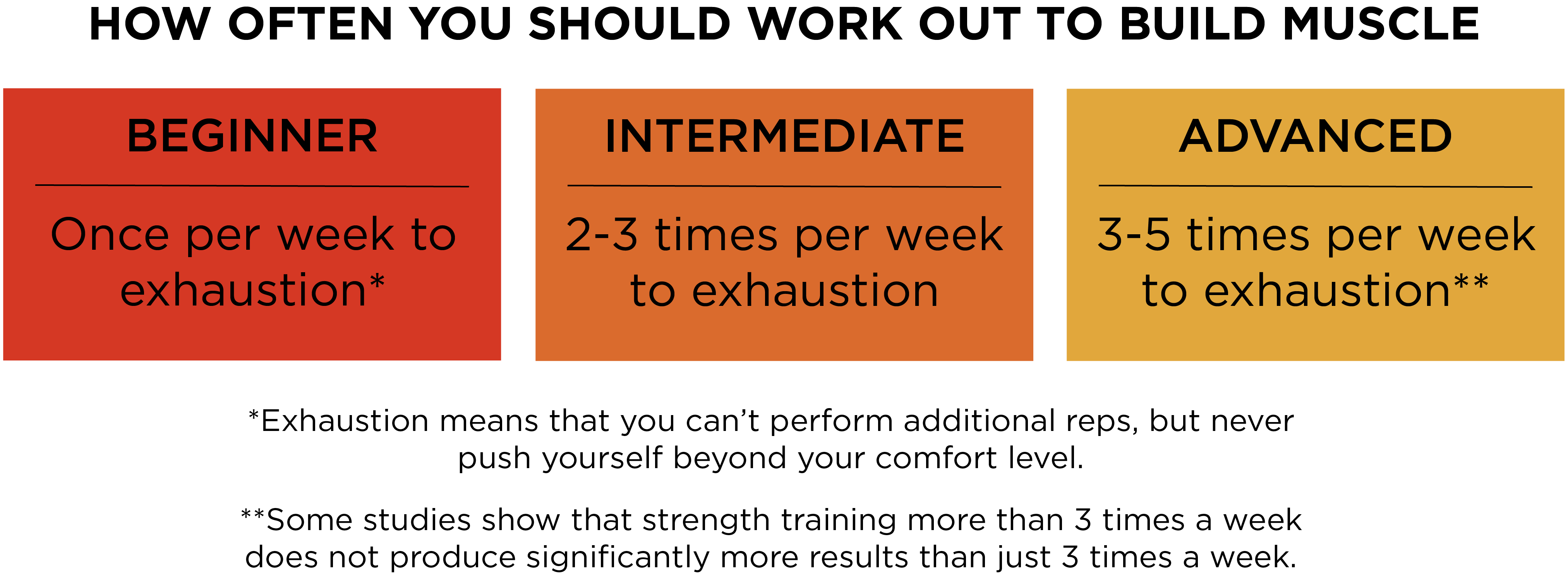
Image Source: www.chicagoathleticclubs.com
Figuring Out Your Gym Trip Rate
Deciding on your ideal gym workout frequency is not a simple one-size-fits-all deal. It involves looking at several key factors. Your personal fitness goals are perhaps the biggest driver. Someone trying to gain muscle will likely have a different weekly gym schedule than someone focused on losing weight or just staying generally healthy.
Your current fitness level also matters a lot. A complete beginner cannot and should not try to work out as often or as hard as someone who has been training for years. Starting slow and building up is safer and more effective in the long run. The specific types of workouts you do also influence how often you can go. Heavy weight lifting puts more stress on your muscles and nervous system, needing more rest days per week compared to light cardio, for instance. Listening to your body is essential. Signs of being tired or overtraining mean you might need more time off.
Your Goals Guide Your Gym Visits
What you hope to achieve from going to the gym is the main thing that should shape your weekly gym schedule. Different goals need different approaches to how often you train.
Boosting Muscle Size
If your main goal is to build muscle, often called hypertrophy, frequency for muscle gain is very important. Muscle growth happens when you challenge your muscles with weight lifting. This creates tiny tears in the muscle fibers. During rest periods, your body repairs these fibers, making them thicker and stronger.
To build muscle, you need to hit each muscle group enough times per week. For beginners, working out two or three times a week doing full-body workouts can be enough to start seeing gains. This allows muscles to be worked, then gives them a day or two to recover before the next session.
As you get more experienced, you might switch to a split routine. This means you work different muscle groups on different days. Common splits include:
* Upper/Lower Split: Work your upper body one day, lower body the next. You might do this four times a week (e.g., Monday: Upper, Tuesday: Lower, Thursday: Upper, Friday: Lower). This hits each major muscle group twice a week. This frequency for muscle gain is often very effective.
* Push/Pull/Legs Split: Work pushing muscles (chest, shoulders, triceps) one day, pulling muscles (back, biceps) the next, and legs on the third day. You could do this three times a week or six times a week by repeating the cycle (e.g., Mon: Push, Tue: Pull, Wed: Legs, Thu: Push, Fri: Pull, Sat: Legs). Training each muscle group twice a week is widely seen as a good frequency for muscle gain for most people.
Some very advanced lifters might train certain muscle groups even more often, but this requires very careful planning and attention to recovery. Generally, training a muscle group directly 2-3 times per week with enough effort is a solid frequency for muscle gain. Remember, weight lifting frequency is key here, but rest is just as crucial.
Shedding Body Fat
For those focused on weight loss, the approach to exercise frequency is slightly different. Weight loss comes down to burning more calories than you take in. Exercise helps increase the calories you burn. Both weight lifting and cardio workouts burn calories, and doing both is often the most effective way to shed body fat.
Frequency for weight loss should aim to create a calorie deficit over the week. This usually means exercising more often than someone who rarely moves. Going to the gym 3 to 5 times a week is a common range for weight loss goals.
- Cardio Workout Frequency: Cardio, like running, cycling, or using the elliptical, burns a lot of calories during the session. Doing cardio frequently, maybe 3 to 5 times a week, is helpful. The length and intensity of your cardio sessions also matter.
- Weight Lifting Frequency: Lifting weights helps build muscle. More muscle mass increases your metabolism, meaning you burn more calories even when you’re resting. This makes weight lifting frequency important for long-term weight loss success. Aiming for 2 to 3 weight lifting sessions per week is a good target. These sessions can be full body or a split routine.
A good weekly gym schedule for weight loss might mix cardio and weights. For example:
* Monday: Weight Lifting (Full Body)
* Tuesday: Cardio (Moderate Intensity)
* Wednesday: Rest
* Thursday: Weight Lifting (Full Body or Upper)
* Friday: Cardio (Higher Intensity or longer duration)
* Saturday: Light Activity or Rest
* Sunday: Weight Lifting (Full Body or Lower) or Cardio
The key for weight loss is consistency and burning enough calories over the week. The exact frequency depends on how many calories your workouts burn and how this fits with your diet.
Staying Healthy Generally
If your main goal is general health, fitness, and feeling good, your exercise frequency can be more flexible. The official guidelines from health organizations suggest aiming for at least 150 minutes of moderate-intensity aerobic activity or 75 minutes of vigorous-intensity aerobic activity per week. They also recommend muscle-strengthening activities at least two days per week.
This translates to going to the gym or exercising around 3 to 5 times a week. You could do a mix of activities:
* Walk or cycle for 30 minutes three times a week (90 mins moderate).
* Do a gym weight circuit twice a week.
* This meets the minimum guidelines.
Or you could go more often:
* Gym session mixing weights and cardio 4 times a week. Each session could be 45-60 minutes.
* This exceeds the minimum and provides great health benefits.
For general health, the focus is less on hitting specific numbers for muscle groups or calorie burn totals, and more on just moving your body regularly. Finding activities you enjoy is key to maintaining this frequency over time. This general exercise frequency helps improve heart health, keeps weight in check, boosts mood, and increases energy levels.
Your Experience Level Matters
How new you are to exercise is one of the most important things to consider when planning your gym workout frequency. Beginners need a different approach than seasoned gym-goers.
Starting Out
If you are new to the gym, your beginner gym frequency should be low to moderate. Your body is not used to the stress of structured exercise. Starting with too much too soon can lead to:
* Extreme soreness
* Higher risk of injury
* Feeling burnt out
* Giving up quickly
A good beginner gym frequency is 2 to 3 times per week. These sessions should ideally be full-body workouts. Why full body? Because it allows you to work all the major muscle groups in one session. Then you take a rest day, allowing all those muscles to recover before you train again.
A sample beginner weekly gym schedule might look like:
* Monday: Full Body Weight Training
* Tuesday: Rest or Light Activity (like a walk)
* Wednesday: Full Body Weight Training
* Thursday: Rest
* Friday: Full Body Weight Training
* Saturday: Rest or Light Activity
* Sunday: Rest
This gives your muscles and nervous system plenty of time to adapt. Focus on learning the right way to do exercises (form) rather than lifting heavy weights or doing lots of sets. Consistency at this frequency is more important than trying to train every day. This builds the habit of going to the gym.
Moving Forward
Once you’ve been going to the gym consistently for a few months (say, 3-6 months) and feel comfortable with basic exercises, you are no longer a beginner. You can think about increasing your exercise frequency if your goals require it.
Intermediate exercisers might increase their gym trips to 3 to 4 times a week. You might continue with full-body workouts or switch to a simple split, like an upper/lower body split performed four times a week. This higher frequency allows you to put more work on your muscles over the week, which is needed to keep making progress as a frequency for muscle gain goal becomes more relevant, or to burn more calories if weight loss is still the aim.
At this stage, rest days per week are still crucial. You might do two days on, one day off, two days on, two days off, for example.
More Experience
Advanced lifters or experienced athletes might train 4 to 6 times per week. Their bodies are highly adapted to the stress of exercise. They can handle more volume (sets and reps) and higher intensity.
Advanced training often uses more complex splits, like Push/Pull/Legs or even body-part splits where only one or two muscle groups are trained intensely in a single session. This allows for very high weekly volume for specific muscles.
However, even at this level, recovery is vital. While the number of gym visits is high, these individuals are often very in tune with their bodies. They know when to push harder and when to back off. They also pay close attention to sleep, nutrition, and other recovery methods. Training 6 days a week requires careful planning to avoid overtraining, injury, and burnout. The importance of rest days per week doesn’t disappear; they might just be scheduled differently or involve active recovery instead of complete rest.
Different Types of Exercise Need Different Rates
Not all workouts are the same. The type of exercise you do heavily influences how often you can or should do it.
Lifting Weights
Weight lifting frequency depends heavily on the intensity and the type of split you use.
* Full Body: If you do full-body workouts, you stress all major muscle groups in one session. You need recovery time for all those muscles. Training 2-3 times per week with a rest day in between is typical and effective for full-body weight lifting frequency.
* Upper/Lower Split: If you work upper body one day and lower body the next, you can train more frequently. A common pattern is 4 times per week (e.g., Upper, Lower, Rest, Upper, Lower, Rest, Rest). This hits each area twice a week.
* Push/Pull/Legs Split: This split can be done 3 times a week (once through the cycle) or 6 times a week (twice through). Doing it 6 times a week means high weight lifting frequency overall, but each specific muscle group is worked less often per session, allowing for faster recovery of that group.
* Body Part Split: Training one or two muscle groups per day (e.g., Chest on Monday, Back on Tuesday, Legs on Wednesday, Shoulders/Arms on Thursday). This allows for very high volume on a specific muscle on its training day. The frequency for working out each muscle group is often only once per week with this method. This used to be very popular, but research now suggests hitting muscles 2-3 times a week (as in full-body or upper/lower/PPL splits) is often better for frequency for muscle gain. However, some advanced lifters use body part splits effectively.
Regardless of the split, listening to your body is critical for weight lifting frequency. If your muscles are still very sore or you feel unusually tired, taking an extra rest day is wise.
Doing Cardio
Cardio workout frequency can generally be higher than weight lifting frequency. Cardio is often less demanding on your muscles and nervous system, especially if it’s moderate intensity.
- Moderate Intensity Cardio: Think brisk walking, steady cycling, or using the elliptical where you can talk but it feels challenging. You can often do this 3 to 5 times a week, maybe even daily if you keep the intensity low.
- High Intensity Interval Training (HIIT): This involves short bursts of very hard effort followed by rest. HIIT is much more demanding. Your cardio workout frequency for HIIT should be lower, perhaps 2 to 3 times per week on non-consecutive days. Your body needs time to recover from the high stress.
- Low Intensity Steady State (LISS): Long, easy activities like a leisurely walk. You can do LISS cardio daily if you wish, as it’s very low impact on the body.
Many people combine weight lifting and cardio in their weekly gym schedule. How you mix them affects frequency. You can do them on separate days or sometimes in the same session (though order matters). If doing both often, ensure you have enough total rest days per week.
The Essential Role of Rest
We’ve talked a lot about training frequency, but rest is just as important – if not more so. Your muscles don’t grow during your workout; they grow and repair during rest. Skipping rest days per week can lead to serious problems.
- Muscle Repair and Growth: Rest allows muscle fibers to rebuild stronger. Without enough rest, they don’t fully recover, limiting growth.
- Preventing Overtraining: This is a state where your body doesn’t recover properly from exercise stress. Signs include constant fatigue, poor performance, irritability, sleep problems, and increased sickness. Sufficient rest days per week prevent this.
- Preventing Injury: Tired muscles and joints are more prone to injury. Rest helps your body stay resilient.
- Mental Break: The gym can be mentally taxing too. Rest days provide a needed break, keeping you motivated and preventing burnout.
Most people need at least one or two complete rest days per week. These are days with no planned exercise. Some people benefit from ‘active recovery’ days, which involve light, easy movement like stretching or a leisurely walk. This can increase blood flow and help with soreness without adding significant stress. How many rest days per week you need depends on your training intensity, duration, frequency, sleep, nutrition, and stress levels outside the gym. Don’t view rest days as lazy; view them as essential parts of your training program.
Planning Your Weekly Gym Schedule
Putting it all together means creating a weekly gym schedule that fits your life, goals, and experience. Here are some examples:
Example 1: Beginner, General Fitness
* Monday: Full Body Weights (Beginner gym frequency)
* Tuesday: Rest
* Wednesday: Cardio (Moderate, 30 mins)
* Thursday: Rest
* Friday: Full Body Weights
* Saturday: Rest
* Sunday: Light Activity (Walk) or Rest
Example 2: Intermediate, Muscle Gain
* Monday: Upper Body Weights (Weight lifting frequency)
* Tuesday: Lower Body Weights
* Wednesday: Rest (Rest days per week)
* Thursday: Upper Body Weights
* Friday: Lower Body Weights
* Saturday: Rest
* Sunday: Rest
Example 3: Intermediate/Advanced, Weight Loss & Fitness
* Monday: Weight Training (Upper focus)
* Tuesday: Cardio (Moderate, 45 mins) (Cardio workout frequency)
* Wednesday: Weight Training (Lower focus)
* Thursday: Cardio (HIIT or Vigorous, 20-30 mins)
* Friday: Weight Training (Full Body or Push/Pull)
* Saturday: Active Recovery (Walk, stretching) or Rest (Rest days per week)
* Sunday: Rest
Example 4: Advanced, Muscle Gain (High Frequency)
* Monday: Push
* Tuesday: Pull
* Wednesday: Legs
* Thursday: Rest (Planned recovery)
* Friday: Push (Weight lifting frequency, higher overall)
* Saturday: Pull
* Sunday: Legs
These are just examples. You need to adjust based on how your body feels, how much time you have, and your energy levels. The best weekly gym schedule is one you can stick to consistently.
Common Worries and Tips
When thinking about how often to go to the gym, several questions or concerns often come up.
- What if I miss a day? Don’t stress! Life happens. One missed workout won’t ruin your progress. Just get back on track with your next planned session. Don’t try to cram two workouts into one or skip your next rest day to “catch up.”
- Should I work out when I’m sore? Mild soreness is usually okay, especially if you are working a different muscle group. But if a muscle group is very sore, or you feel joint pain, that’s a sign you need more rest for that area. Active recovery like a light walk can help ease soreness.
- How long should each workout be? Quality is better than quantity. Most effective gym sessions are between 45 to 75 minutes. Training much longer than 90 minutes can sometimes lead to diminishing returns or increased risk of overtraining, especially with high intensity.
- Does morning vs. evening matter? The best time of day to work out is the time you can do consistently. Some people have more energy in the morning, others in the evening. Find what works for you and stick to it.
- What about active recovery? On rest days per week, active recovery can be helpful. This means light movement that doesn’t stress your body much, like walking, gentle cycling, or stretching. It can improve blood flow and recovery without being a full workout.
Keeping Going and Seeing Results
No matter your goal or level, consistency in your gym workout frequency is key. Going hard for one week and then taking two weeks off is not effective. It’s better to find a frequency that is sustainable for you week after week, month after month.
Tracking your workouts can help you see if you are sticking to your planned frequency. It also helps you see progress, which can boost motivation. Pay attention to how you feel – your energy levels, sleep quality, and mood. These are good indicators of whether your exercise frequency and rest days per week are balanced correctly.
Periodically, you may need to adjust your weekly gym schedule. As you get fitter, your beginner gym frequency will no longer be enough to challenge you, and you’ll need to increase it or the intensity/volume of your workouts. If your goals change (e.g., from weight loss to muscle gain), your optimal frequency might change too. Be flexible and ready to adapt.
The path to fitness is ongoing. Finding the right gym workout frequency for you right now is a process. It might involve some trial and error. Start with a frequency that feels manageable, focuses on proper form, and allows for adequate rest. From there, you can gradually increase how many times a week you work out as your body gets stronger and your goals evolve. Remember that every workout contributes to your overall exercise frequency for the week, helping you reach your fitness goals, whether they are weight loss, muscle gain, or just better health.
Questions People Ask Often (FAQ)
h4: Can I work out seven days a week?
For most people, working out seven days a week is not necessary or advisable, especially if the workouts are intense weight lifting or high-intensity cardio. Your body needs rest to repair muscles and prevent overtraining. Light activity like walking or stretching daily is fine, but structured, intense workouts need rest days per week.
h4: How many times a week should I lift weights?
For muscle growth or strength, training each muscle group 2-3 times per week is generally recommended. This translates to about 2-5 weight lifting frequency sessions per week depending on the type of split routine you follow (e.g., full body 3x/week, upper/lower 4x/week, PPL 6x/week).
h4: How much cardio should I do per week for weight loss?
For weight loss, aim for 150-300 minutes of moderate-intensity cardio or 75-150 minutes of vigorous-intensity cardio per week, spread across 3-5 days. Combine this with weight lifting frequency of 2-3 times per week for best results.
h4: Is working out twice a week enough?
Yes, especially for beginners or those aiming for general health maintenance. Two full-body weight training sessions per week meets the minimum strength training recommendations. Adding some cardio on other days would fulfill the aerobic guidelines too. While more frequent workouts can accelerate progress for specific goals like advanced muscle gain or rapid weight loss, two structured workouts a week is a great starting point and significantly better than none. This beginner gym frequency helps build consistency.
h4: How many rest days do I need from the gym?
Most people benefit from 1 to 3 rest days per week. The exact number of rest days per week depends on the intensity of your workouts, your fitness level, age, sleep, and overall stress. Listen to your body; if you feel constantly tired, sore, or lack motivation, you might need more rest.
h4: Does age change how often I should work out?
Yes, age can influence recovery time. As you get older, you might need slightly more recovery between intense sessions. However, regular exercise frequency is crucial at any age for health, muscle maintenance, and mobility. The types of exercise and intensity might be adjusted more than the overall number of workout days.
h4: Can I do weights and cardio on the same day?
Yes, you can. If you do, it’s often recommended to do weight lifting first, then cardio. This ensures you have the most energy for lifting, which requires more focus and strength. However, doing them on separate days might be better for recovery and performance in each type of exercise, especially if you are training intensely.
h4: What is exercise frequency?
Exercise frequency simply means how often you perform planned physical activity or go to the gym within a specific period, usually measured per week. It’s one of the key factors, along with intensity and duration, that determines the effectiveness of your workout program. Gym workout frequency, weekly gym schedule, and how many times a week workout are all related to this concept.