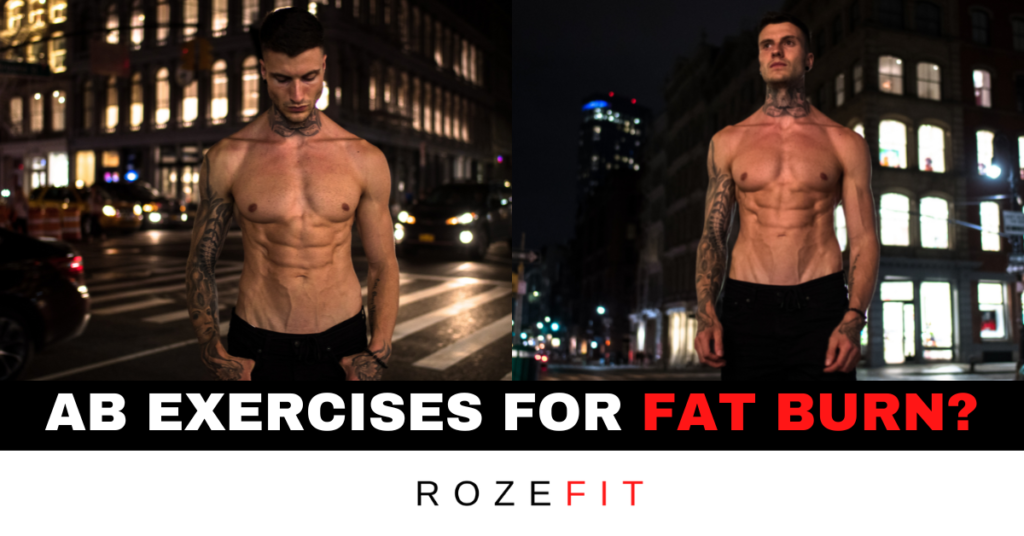
Image Source: rozefit.com
Can Ab Exercises Burn Belly Fat? The Truth Revealed Now
Can doing lots of ab exercises burn belly fat? The short answer is no, not by themselves. Doing crunches or planks builds muscle in your belly area, which is great for core strength and body shape, but these exercises alone don’t target and melt away the fat covering those muscles. Losing belly fat, like losing fat anywhere else on your body, comes down to reducing your overall body fat through creating a calorie deficit over time. The idea that you can lose fat from just one part of your body by working that part is called spot reduction, and sadly, it doesn’t work for fat loss.
Deciphering How Fat Loss Happens
Your body stores energy as fat. When you need more energy than you get from food, your body uses this stored fat. This happens when you are in a calorie deficit. A calorie deficit means you eat fewer calories than your body uses for all its daily tasks. Think of it like money in a bank. To spend less than you earn, you have to make sure more money goes out than comes in. Your body works the same way with calories and fat.
When you are in a calorie deficit, your body takes fat from all over. It doesn’t pick just one spot, like your belly or thighs. The order in which your body uses fat from different areas is mainly set by your genes and hormones. Some people lose fat from their belly first, others from their arms or legs. You cannot tell your body where to lose fat from just by exercising that one area.
The Myth of Spot Reduction
Many people believe that if they work a muscle a lot, the fat right on top of that muscle will disappear. This is the idea of spot reduction. It sounds nice, but how your body burns fat just doesn’t work this way.
h4 How Fat Is Used
When your body needs energy, it breaks down fat cells. These broken-down fat cells are released into your bloodstream as fatty acids and glycerol. Your muscles and other tissues can then use these for energy.
This process happens all over your body. It’s like turning on a fan in a room; the air moves everywhere, not just right in front of the fan. Doing crunches works your stomach muscles, and these muscles use energy. But the energy they use comes from fats and carbs pulled from the bloodstream, which came from fat stores all over your body, not just the fat right next to the working muscles.
So, while your belly muscles work hard during ab exercises, they are not specifically ‘eating’ the fat cells directly on top of them. The fat loss is spread across your entire body.
The Absolute Need for a Calorie Deficit
To lose any fat, including belly fat, you must eat fewer calories than you burn. This is the most important rule for fat loss. You can exercise all day, but if you eat more calories than you use, you will not lose fat. In fact, you might even gain it.
h4 Creating the Deficit
There are two main ways to create a calorie deficit:
- Eat less: Reduce the number of calories you take in from food and drinks.
- Move more: Increase the number of calories your body uses through physical activity.
The best way usually involves doing both. Eating a little less and moving a little more helps create the needed deficit without feeling too deprived or exercising for hours every day.
h4 How Many Calories?
How big should the deficit be? A common goal for safe and steady fat loss is to aim for a deficit of 500 to 750 calories per day. This often leads to losing about 1 to 1.5 pounds of fat per week. Remember, 1 pound of fat is roughly equal to 3500 calories. So, a 500-calorie daily deficit means 3500 calories over 7 days, leading to about a pound of fat loss.
It’s important not to cut calories too much. Eating too little can make you feel tired, slow down your metabolism, and make it harder to stick to your plan. It’s also hard to get all the nutrients your body needs if you eat too few calories.
Diet and Nutrition: Your Core Strategy
While exercise is key for health and helps create a calorie deficit, what you eat plays a huge role in losing overall body fat, including belly fat. You cannot out-exercise a bad diet. This means your diet and nutrition plan is the foundation for fat loss.
h4 What to Eat for Fat Loss
Focus on whole, unprocessed foods. These foods are usually lower in calories and higher in nutrients that keep you full and healthy.
- Lean Protein: Chicken breast, turkey, fish, beans, lentils, tofu, eggs. Protein helps you feel full longer and helps your body keep muscle while losing fat.
- Fruits and Vegetables: Fill half your plate with these. They are low in calories, high in fiber, vitamins, and minerals. Fiber helps you feel full.
- Whole Grains: Oats, brown rice, quinoa, whole wheat bread. These provide energy and fiber. Choose these over white bread, white rice, and sugary cereals.
- Healthy Fats: Avocados, nuts, seeds, olive oil, fatty fish (like salmon). Fats are needed for body functions, but they are high in calories, so eat them in small amounts.
h4 What to Limit
- Sugary Drinks: Soda, fruit juice (even 100% juice has a lot of sugar), sweetened teas and coffees. These add many calories without filling you up.
- Processed Foods: Chips, cookies, cakes, fast food, sugary snacks. These are often high in bad fats, sugar, and salt, and they are easy to overeat.
- Excessive Alcohol: Alcohol has calories and can make it harder for your body to burn fat.
- Refined Grains: White bread, white pasta, white rice. These have less fiber and can cause your blood sugar to spike.
Making smart food choices makes it much easier to create and keep a calorie deficit without feeling hungry all the time. This directly helps reduce overall body fat, which includes the fat around your belly.
The Power of Cardio Exercise
Cardio exercise, also known as aerobic exercise, is a great tool for burning calories and helping create that needed calorie deficit. It makes your heart rate go up and keeps it there for a period of time.
h4 How Cardio Helps Burn Fat
When you do cardio, like running, swimming, or cycling, your body needs energy. It gets this energy by burning calories from carbs and fats. Doing cardio regularly adds to the total calories you burn each day. This makes it easier to reach a calorie deficit and lose overall body fat.
h4 Types of Cardio
You don’t have to run a marathon to get the benefits. Many activities count as cardio:
- Brisk walking
- Jogging or running
- Cycling (on a bike or stationary bike)
- Swimming
- Dancing
- Hiking
- Using an elliptical or rowing machine
The key is to do it often enough and at a level where you are breathing harder than usual but can still talk a little. Aim for at least 150 minutes of moderate cardio or 75 minutes of intense cardio per week, as suggested by health groups.
h4 Cardio and Belly Fat
Cardio is very effective at reducing visceral fat, the unhealthy fat stored deep inside your belly around your organs. This type of fat is linked to many health problems. Regular cardio helps burn this dangerous fat and improves your health.
The Benefits of Strength Training
Strength training, also called resistance training, involves working your muscles against some form of resistance, like weights, resistance bands, or your own body weight. While it doesn’t burn as many calories during the workout as cardio, it has unique benefits for fat loss and changing your body composition.
h4 How Strength Training Boosts Fat Loss
- Builds Muscle: Strength training helps you build or keep muscle mass. Muscles are more active than fat tissue, even when you are resting.
- Increases Metabolism: Having more muscle means your body burns more calories all day long, even when you are not working out. This is often called boosting your metabolism. A higher resting metabolism makes it easier to stay in a calorie deficit and lose fat.
- Changes Body Composition: Strength training helps you lose fat while gaining muscle. This changes your body composition. You might not see a big change on the scale, but your body will look more toned and fit. Your clothes might fit better.
- Burns Calories After Workout: Your body uses energy to repair and build muscles after strength training. This means you keep burning calories at a higher rate for some time after you finish your workout.
h4 Types of Strength Training
You can do strength training in many ways:
- Lifting weights (dumbbells, barbells, machines)
- Using resistance bands
- Doing body weight exercises (push-ups, squats, lunges, planks)
- Taking a weightlifting class
Aim for at least two to three strength training sessions per week, working all your major muscle groups.
h4 Strength Training and Belly Fat
Like cardio, strength training helps reduce overall body fat, including both subcutaneous fat (under the skin) and visceral fat (deep belly fat). By increasing your muscle mass and boosting your metabolism, it makes your body a more effective fat-burning machine.
Understanding Body Composition
When we talk about losing weight, it’s not just about the number on the scale. What really matters is your body composition. This refers to the ratio of fat mass to lean body mass (like muscle, bone, and water) in your body.
h4 Why Body Composition Matters
Two people could weigh the exact same, but one could have much more muscle and less fat than the other. The person with more muscle will likely look leaner and be healthier.
Losing fat is the goal, but gaining muscle at the same time changes your body composition in a very good way. This is why focusing only on the scale number can be misleading. Your weight might not change much if you are gaining muscle as you lose fat, but your body will be changing for the better.
h4 Improving Body Composition
- Calorie Deficit: Needed to lose fat.
- Strength Training: Needed to build or keep muscle.
- High-Protein Diet: Supports muscle growth and repair.
Combining a calorie deficit, strength training, and enough protein helps improve your body composition, making you leaner and stronger.
Deciphering Visceral Fat
Not all belly fat is the same. There are two main types:
- Subcutaneous Fat: This is the fat you can see and pinch, just under the skin. It’s found all over your body, including your belly.
- Visceral Fat: This fat is stored deep inside your belly, surrounding your organs like the liver, stomach, and intestines. You can’t see or feel this fat from the outside in the same way.
h4 Why Visceral Fat Is Dangerous
Visceral fat is more than just storage; it’s active. It releases substances that can cause swelling and harm your health. Too much visceral fat raises your risk for serious health problems like:
- Heart disease
- Type 2 diabetes
- Some cancers
- Stroke
- High blood pressure
h4 Losing Visceral Fat
The good news is that visceral fat is often the first type of fat your body loses when you start losing weight. Regular exercise (both cardio exercise and strength training) and a healthy diet that creates a calorie deficit are very effective at reducing visceral fat. This is one of the most important health benefits of losing belly fat.
The True Role of Ab Exercises
So, if ab exercises don’t directly burn the fat on your belly, what are they good for? They are very important for building core strength.
h4 What Is Core Strength?
Your core muscles are more than just your abs. They include the muscles in your lower back, hips, and pelvis. These muscles work together to support your spine and keep your body stable.
h4 Benefits of Core Strength
A strong core is vital for almost everything you do:
- Better Posture: Helps you stand and sit up straight.
- Reduced Back Pain: A strong core takes pressure off your lower back.
- Improved Balance and Stability: Helps you move with more control.
- Increased Strength for Other Exercises: A strong core helps you lift heavier in strength training and perform better in cardio exercise.
- A More Toned Look: While ab exercises don’t burn the fat on your belly, they build the muscles underneath the fat. As you lose overall body fat through diet and exercise, these stronger, more developed muscles will show, giving you a more defined midsection.
h4 Types of Core Exercises
Many exercises work your core muscles:
- Crunches and sit-ups (work the front abs)
- Planks (work the entire core)
- Leg raises (work the lower abs)
- Russian twists (work the side abs – obliques)
- Bicycle crunches
Doing a variety of these exercises helps build strong, balanced core muscles.
Putting It All Together: A Plan for Losing Belly Fat
Losing belly fat effectively requires a combined approach. It’s not about doing 100 crunches a day. It’s about attacking the problem from different angles.
h4 The Key Steps:
- Create a Calorie Deficit: This is the most important step for losing overall body fat. Focus on diet and nutrition by eating healthy, whole foods and limiting processed items and sugary drinks.
- Do Cardio Exercise: Add regular cardio exercise to burn calories, improve heart health, and specifically target visceral fat.
- Do Strength Training: Include strength training to build muscle, boost your metabolism, and improve your body composition. More muscle means you burn more calories all day.
- Work Your Core: Do ab exercises and other core workouts to build core strength, improve stability, and sculpt the muscles under the fat. These exercises help shape your midsection once the fat starts to go away.
- Be Patient and Consistent: Fat loss takes time. Stick with your plan, even when you don’t see results right away. Consistency in your diet and nutrition, cardio exercise, and strength training is key.
- Manage Stress and Sleep: High stress levels can lead to holding onto belly fat, and poor sleep can affect your hunger hormones and motivation.
h4 Example Weekly Plan
Here is a simple example of how you might put together a plan:
| Day | Activity | Focus |
|---|---|---|
| Monday | Healthy eating, Strength Training (Full Body) | Calorie Deficit, Muscle |
| Tuesday | Healthy eating, Cardio (30-45 mins moderate) | Calorie Deficit, Fat Burn |
| Wednesday | Healthy eating, Core Exercises (15-20 mins) | Calorie Deficit, Core Strength |
| Thursday | Healthy eating, Strength Training (Full Body) | Calorie Deficit, Muscle |
| Friday | Healthy eating, Cardio (30-45 mins moderate) | Calorie Deficit, Fat Burn |
| Saturday | Healthy eating, Active Rest (Walk, light activity) | Calorie Deficit |
| Sunday | Healthy eating, Rest | Calorie Deficit |
This is just an example. You can adjust it based on what you enjoy and what fits your life. The key is finding a mix of healthy eating, cardio exercise, and strength training that you can stick to over time to create that calorie deficit and reduce overall body fat.
Grasping Metabolism’s Role
Your metabolism is the set of chemical processes in your body that turn food into energy. How fast your metabolism is affects how many calories your body burns at rest.
h4 Factors Affecting Metabolism
Several things affect your metabolism:
- Muscle Mass: People with more muscle burn more calories at rest than people with more fat. This is why strength training is important.
- Age: Your metabolism can slow down a little as you get older.
- Genetics: Some people naturally have a faster or slower metabolism.
- Activity Level: The more active you are, the more calories you burn.
- Diet: Eating enough protein can slightly boost your metabolism.
- Sleep: Not getting enough sleep can negatively affect your metabolism.
While you can’t change your age or genes, you can build muscle through strength training and increase your activity level through cardio exercise and daily movement. These actions help keep your metabolism running strong, making fat loss easier as part of your calorie deficit plan.
Interpreting Body Composition Changes Over Time
As you work to lose belly fat through diet and exercise, look beyond just the scale. Your body composition is changing.
h4 How to Track Progress
- Measurements: Measure your waist, hips, and other areas. Losing inches, especially from your waist (a sign of losing visceral fat), is a great sign of progress, even if the scale hasn’t moved much.
- How Clothes Fit: Do your pants feel looser? This is a good way to see changes in your body composition.
- Photos: Take pictures of yourself every few weeks. Sometimes you can see changes in photos that you don’t notice daily.
- Strength Gains: Are you getting stronger in your strength training workouts? This shows you are building muscle.
- Improved Endurance: Can you do cardio for longer or at a higher level? This shows better fitness.
These things tell a fuller story than just your weight. Remember, improving your body composition by losing fat and gaining muscle is the goal, not just seeing a lower number on the scale.
Reaffirming the Truth: No Spot Reduction for Fat
Let’s be very clear again. You cannot choose where your body loses fat from. Doing 100 crunches will make your ab muscles stronger and maybe slightly bigger under the fat, but it will not make the fat disappear from your belly while staying everywhere else. Spot reduction of fat does not work.
Think of it this way: If you want to shrink a balloon, you squeeze the air out, and the whole balloon gets smaller. You can’t just squeeze one side and make only that side smaller. Fat loss is like that balloon shrinking. Your body uses fat from everywhere when you create a calorie deficit.
h4 Why This Is Important
Knowing the truth about spot reduction helps you set the right goals and use your time well. Instead of spending all your time on ab exercises hoping to melt belly fat, you can focus on what really works:
- Creating a calorie deficit through diet and nutrition.
- Burning calories with cardio exercise.
- Building muscle and boosting metabolism with strength training.
- Working your core for core strength and a toned look once fat is lost.
This balanced approach is the most effective way to reduce overall body fat, including stubborn belly fat, and improve your health.
Comprehending the Link Between Metabolism and Fat Loss
Your metabolism is like the engine of your body. It’s always running, burning calories to keep you alive. How fast it runs impacts how easily you can lose fat.
h4 How Exercise Affects Metabolism
- Cardio Exercise: Burns a lot of calories during the activity. Regular cardio can also slightly increase your resting metabolism over time.
- Strength Training: Builds muscle mass. Muscle burns more calories at rest than fat. This means strength training can have a longer-lasting effect on your metabolism, helping you burn more calories 24/7.
Combining both types of exercise is a powerful way to boost your metabolism and increase the number of calories you burn each day, making it easier to maintain a calorie deficit and lose overall body fat.
The Role of Core Strength Beyond Aesthetics
While wanting a toned stomach is a common goal, building core strength has benefits that go far beyond how you look.
h4 Preventing Injury
A strong core helps protect your spine during daily activities and exercise. It helps you lift things safely and reduces the risk of lower back pain, which is very common.
h4 Improving Performance
Whether you are an athlete or just enjoy being active, core strength improves your ability to perform many movements. Running, jumping, lifting weights, even just walking – they all rely on a strong, stable core.
h4 Daily Life Activities
Simple tasks like carrying groceries, standing for long periods, or bending over become easier with a strong core. It improves your quality of life in many small ways.
So, while ab exercises don’t burn belly fat directly, they are definitely worth doing for these important health and performance reasons. They are a key part of a well-rounded fitness plan that, when combined with diet and nutrition, cardio exercise, and strength training, will help you reach your goals, including reducing overall body fat and revealing those strong core muscles underneath.
Conclusion: The Honest Answer
Can ab exercises burn belly fat? The simple, honest answer is no. They build and strengthen the muscles under the fat, improving core strength and shaping that area. But they do not cause spot reduction of the fat on top.
Losing belly fat requires losing overall body fat. This happens when you create a calorie deficit by eating fewer calories than you burn. The most effective way to do this is through a combination of:
- Diet and Nutrition: Focusing on healthy, whole foods to reduce calorie intake.
- Cardio Exercise: Burning calories and targeting visceral fat.
- Strength Training: Building muscle to boost your metabolism and improve body composition.
Ab exercises are important for building core strength and toning the muscles that will show once the fat is gone. They are a valuable part of a fitness plan, but they are not the magic key to burning belly fat alone. Focus on the big picture: eating well, moving your whole body, and building muscle. That’s the real truth revealed about losing belly fat.
Frequently Asked Questions About Belly Fat Loss
h3 FAQs
h4 Will doing lots of crunches give me a flat stomach?
Doing many crunches will build the muscles in your stomach area (your abs). If there is fat covering those muscles, you won’t see the flat stomach or muscle definition you want. You need to lose the fat on top of the muscles through a calorie deficit to see the results of your ab exercises.
h4 Is losing belly fat harder than losing fat from other areas?
For many people, the belly area is one of the last places to lose fat. This is often due to genetics and hormones. However, by consistently staying in a calorie deficit and doing cardio exercise and strength training, you will lose overall body fat, and eventually, the fat from your belly will decrease too, especially the unhealthy visceral fat.
h4 How quickly can I expect to lose belly fat?
There’s no fixed timeline, as it varies for everyone based on starting point, metabolism, and how strictly they follow their plan. Healthy and sustainable fat loss is typically 1 to 2 pounds per week. Losing overall body fat steadily will reduce belly fat over time. Be patient and focus on long-term healthy habits.
h4 Do specific foods burn belly fat?
No single food can burn fat from your belly or anywhere else. Some foods, like those high in protein or fiber, can help you feel full, which makes it easier to eat less and create a calorie deficit. But fat loss comes from the overall calorie deficit and a balanced diet, not from magical fat-burning foods.
h4 How important is sleep for losing belly fat?
Very important. Poor sleep can mess up your hormones that control hunger (ghrelin and leptin). This can make you feel hungrier, crave unhealthy foods, and make it harder to stick to your diet and nutrition plan. Aim for 7-9 hours of quality sleep per night to support your fat loss goals.
h4 Can stress affect belly fat?
Yes, chronic stress can lead to higher levels of cortisol, a hormone that can cause your body to store more visceral fat in the belly area. Finding ways to manage stress, like exercise, meditation, or hobbies, is important for overall body fat loss and health.