Yes, exercise can definitely increase your metabolism and help you burn fat. Your metabolism is how your body turns food into energy. When you exercise, you use more energy, which means you burn more calories. Regular exercise, especially certain types, can also affect your body’s resting metabolic rate (RMR), meaning you burn more calories even when you are resting. This is a key part of achieving exercise and weight loss goals and boosting metabolism.
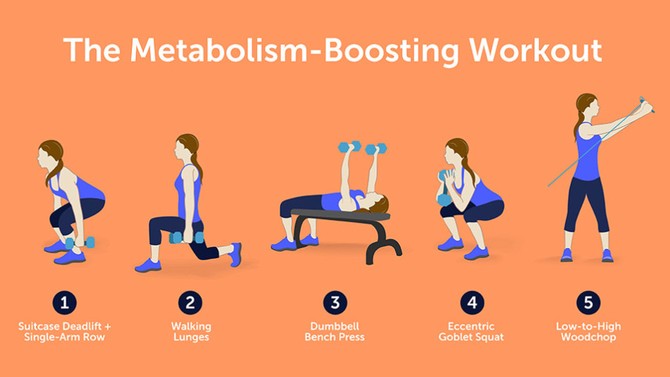
Image Source: www.oprah.com
What is Metabolism?
Metabolism is like your body’s engine. It’s a set of chemical processes. These processes keep you alive. They turn food into energy. They build and repair cells. They get rid of waste. Even when you are sleeping, your body is working. It uses energy for breathing, circulating blood, and keeping organs working.
Parts of Your Daily Energy Use
Your body uses energy all day long. This energy use is called energy expenditure. It has three main parts:
- Resting Metabolic Rate (RMR): This is the energy your body uses at rest. It is the biggest part of your daily energy use. RMR keeps your basic functions going. Think of it as the energy needed to stay alive without doing anything active. It makes up about 60-75% of the calories you burn each day.
- Thermic Effect of Food (TEF): This is the energy used to digest, absorb, and store food. It’s a small part of your energy use. It uses about 10% of your daily calories. Some foods need more energy to process than others.
- Activity Energy Expenditure: This is the energy you use when you move. It includes planned exercise. It also includes simple daily activities. Walking, standing, and even fidgeting count. This part varies a lot from person to person. It depends on how active you are.
How Exercise Affects Your Metabolism
Exercise changes how your body uses energy. During exercise, your muscles need more energy. They burn calories at a much faster rate than when you are at rest. This is the direct calorie burn from the activity itself.
But the effect of exercise goes beyond the workout time. Exercise can impact your metabolism in lasting ways. It can increase your RMR over time. It can also lead to the afterburn effect.
Direct Calorie Burn During Exercise
When you run, lift weights, or swim, your body needs fuel. It gets this fuel by burning calories. The number of calories you burn depends on a few things:
- Your weight.
- The type of exercise.
- How hard you work (intensity).
- How long you exercise (duration).
A harder or longer workout burns more calories right away. This direct calorie burn is a clear way exercise helps with fat burning and weight loss.
Grasping the Resting Metabolic Rate (RMR)
Your RMR is the baseline for your calorie burn. It’s the number of calories your body needs just to function. Things like your age, sex, weight, and height affect your RMR. But one of the biggest factors you can change is your muscle mass.
Muscle tissue is more active than fat tissue. This means muscle burns more calories at rest than fat does. Building more muscle can increase your RMR. This means you burn more calories all day, every day, even when you’re not moving. This is a major way exercise helps with boosting metabolism long term.
Exercise Types and Metabolism
Not all types of exercise affect your metabolism in the exact same way. Two main types of exercise have different effects: cardio and strength training.
Interpreting Cardiovascular Exercise Effects
Cardiovascular exercise, or cardio, includes activities like running, swimming, cycling, and brisk walking. These activities make your heart rate go up. They improve your heart and lung health.
- During Cardio: You burn a lot of calories while doing cardio. The harder you work, the more you burn. This is the main metabolic benefit during the activity.
- After Cardio: Cardio can also lead to the EPOC effect. But the effect might be smaller and shorter compared to high-intensity strength training. Still, regular cardio improves overall fitness. This allows you to do more activity over time, increasing your total energy expenditure.
Grasping Strength Training Effects
Strength training, also called weight training or resistance training, involves working your muscles against resistance. This could be lifting weights, using resistance bands, or even using your own body weight (like push-ups or squats).
- During Strength Training: You burn calories during strength training, but often less per minute than high-intensity cardio. However, it’s still a significant calorie burn.
- After Strength Training: This is where strength training really shines for metabolism. Strength training is the best way to build muscle mass. As mentioned, more muscle means a higher RMR. This helps you burn more calories 24/7.
- EPOC (Excess Post-exercise Oxygen Consumption): Strength training, especially intense sessions, causes a significant EPOC.
Deciphering EPOC (Excess Post-exercise Oxygen Consumption)
EPOC is also known as the afterburn effect. It’s the extra oxygen your body uses after exercise. Why does your body use more oxygen? Because it needs to recover.
After a workout, your body isn’t done working. It needs to:
- Replenish energy stores in muscles.
- Repair muscle tissue damage from the exercise.
- Bring your heart rate and breathing back to normal.
- Cool your body down.
All these recovery processes need energy. This means you keep burning calories at a higher rate even after you stop exercising. This is the afterburn effect.
The size and length of the EPOC depend on the exercise. High-intensity exercise and strength training tend to cause a bigger and longer-lasting EPOC than steady, low-intensity cardio. An intense workout can keep your metabolism elevated for hours, sometimes even up to 24-48 hours.
Table: Comparing Exercise Types and Metabolic Effects
| Exercise Type | Calorie Burn During Workout | Effect on RMR (Long Term) | EPOC (Afterburn Effect) | Primary Benefit for Metabolism |
|---|---|---|---|---|
| Cardio | High (especially high intensity) | Small/Indirect (improves fitness for more activity) | Moderate/Depends on Intensity | High calorie burn during exercise |
| Strength Training | Moderate/High | Significant (builds muscle mass) | High (especially high intensity) | Increased RMR, significant afterburn effect |
Building Muscle Mass for Better Metabolism
Let’s talk more about muscle mass. This is a critical point for boosting metabolism in the long run. Muscle tissue is metabolically active. This means it uses energy even when you are just sitting or sleeping. Fat tissue, on the other hand, uses very little energy at rest.
Imagine two people with the same weight. One has more muscle and less fat. The other has less muscle and more fat. The person with more muscle will have a higher RMR. They will burn more calories every day, just by existing.
Strength training is the most effective way to build muscle mass. When you lift weights or do other resistance exercises, you create tiny tears in your muscle fibers. When your body repairs these tears, it makes the muscle fibers bigger and stronger. Over time, this leads to an increase in overall muscle mass.
More muscle mass means:
- Your body needs more energy to maintain that muscle tissue.
- Your RMR goes up.
- You burn more calories 24 hours a day, not just when you exercise.
This is why strength training is so important for long-term weight management and fat burning. It changes your body composition in a way that makes your metabolism more efficient at burning calories all the time.
Exercise and Weight Loss: The Full Picture
Exercise is a cornerstone of successful weight loss. It helps in several ways, and metabolism is a key part of it. Weight loss happens when you burn more calories than you consume. This is often called creating a calorie deficit.
Exercise helps create a calorie deficit in two main ways:
- Increased Calorie Burn During Activity: Every workout session burns calories. This adds to your total daily energy expenditure.
- Increased Calorie Burn at Rest (via RMR and EPOC): By building muscle and creating the afterburn effect, exercise helps you burn more calories even when you are not moving.
Combining these effects is powerful. You burn calories while exercising. You burn more calories for hours after exercising. You also burn more calories all the time because you have more muscle. This multi-pronged attack on calories is why exercise is so effective for fat burning and weight loss.
However, it’s important to remember that diet also plays a huge role. You cannot out-exercise a bad diet. To lose weight, you need to make sure your total energy expenditure (calories burned) is higher than your calorie intake (calories consumed). Exercise helps increase the “calories burned” side of the equation.
Optimizing Your Exercise for Metabolic Benefits
You can get the most metabolic benefit from your exercise by thinking about how you train.
Incorporating Strength Training
Aim to do strength training exercises for all major muscle groups at least two to three times per week. Focus on compound movements. These exercises work multiple joints and muscle groups at once. Examples include squats, deadlifts, push-ups, rows, and overhead presses. These are very effective for building muscle.
- Consistency is Key: Regular strength training is needed to build and keep muscle mass.
- Challenge Your Muscles: To keep building muscle, you need to challenge your muscles. This means lifting weights that are heavy enough to make the last few repetitions hard.
- Allow for Recovery: Muscles need time to repair and grow. Don’t train the same muscle group intensely every day.
Adding High-Intensity Intervals (HIIT)
High-intensity interval training (HIIT) involves short bursts of very intense exercise. You then follow these with short rest periods. This cycle is repeated several times.
- Metabolic Boost: HIIT is known for causing a large EPOC. This means you burn a lot of calories after the workout ends.
- Time Efficient: HIIT workouts can be shorter than steady-state cardio. This makes them a good option if you are short on time.
- Can be Combined: You can do HIIT with cardio (like sprinting) or with strength exercises.
Not Forgetting Regular Movement
Beyond planned workouts, simple daily movement matters. This is part of your activity energy expenditure. Things like taking the stairs, walking instead of driving, and standing more can add up. Increasing your NEAT (Non-Exercise Activity Thermogenesis) burns extra calories throughout the day. It supports your overall energy expenditure.
Common Questions and Misconceptions
There are many ideas about exercise and metabolism. Let’s clear some up.
Can I Only Boost Metabolism with Intense Exercise?
No. While high-intensity exercise and strength training have the biggest impact on RMR and EPOC, any exercise helps. Moderate activity burns calories during the workout. Being more active overall increases your total energy expenditure. Even light activities use more energy than sitting.
Will Exercise Make Me Instantly Leaner?
Weight loss takes time and consistency. Exercise is a tool. It helps create a calorie deficit. It helps build muscle. It improves overall health. But results won’t appear overnight. Be patient and consistent with both your exercise and your eating habits.
Does Exercise Permanently Speed Up Metabolism?
Regular, consistent exercise can increase your RMR over time. This is mainly by increasing your muscle mass. If you stop exercising and lose muscle, your RMR will likely go down. So, the metabolic boost from exercise is best maintained with ongoing activity.
Is More Sweat Equal to More Fat Burning?
Sweating is how your body cools down. It is not a direct measure of calorie burn or fat burning. You can sweat a lot on a hot day without doing much. You can also burn many calories in a cool place with less sweat. Don’t use sweat as your only measure of workout effectiveness.
The Role of Nutrition and Lifestyle
While exercise is key for boosting metabolism and fat burning, it works best with other healthy habits.
Eating Enough Protein
Protein is important for building and repairing muscle. If you are doing strength training, make sure you eat enough protein. This supports muscle growth. Protein also has a higher thermic effect than carbs or fat. This means your body burns more energy digesting protein.
Staying Hydrated
Being well-hydrated is vital for all body processes, including metabolism. Dehydration can slow down metabolic functions. Drink plenty of water throughout the day.
Getting Enough Sleep
Lack of sleep can negatively affect your hormones. It can disrupt hormones that control appetite and how your body stores fat. It can also lower your motivation to exercise. Good sleep supports a healthy metabolism.
Managing Stress
High stress levels can lead to the release of hormones like cortisol. Over time, high cortisol can affect metabolism and lead to weight gain, especially around the belly. Finding ways to manage stress, like yoga or meditation, can help.
Building a Plan for Boosting Metabolism
Here is how you can put this information into action.
Set Realistic Goals
Don’t try to do too much too soon. Start small and build up. If you are new to exercise, begin with moderate activities. Gradually add intensity and duration.
Mix It Up
Include both strength training and cardio in your routine. This gives you the benefits of both: calorie burn during activity and increased RMR from muscle mass. Aim for at least 150 minutes of moderate cardio or 75 minutes of vigorous cardio per week. Add strength training two to three times per week.
Be Consistent
Regular exercise is the most important factor. Aim to make physical activity a regular part of your week. Find activities you enjoy so you are more likely to stick with them.
Track Your Progress
You can track things like how long you exercise, how much weight you lift, or how you feel. Don’t just rely on the scale. Look for other signs of progress, like clothes fitting better or feeling stronger.
Combine Exercise with Healthy Eating
Remember that metabolism and weight loss are affected by both sides of the calorie equation: calories in and calories out. Focus on a balanced diet with whole foods, lean protein, fruits, vegetables, and healthy fats.
Fathoming the Long-Term Benefits
Focusing on increasing your metabolism through exercise has benefits far beyond just weight loss.
- Improved Body Composition: You won’t just lose weight; you’ll likely change your body shape by building muscle and losing fat. This means looking leaner and feeling stronger.
- Increased Energy Levels: Regular exercise improves your fitness and energy. As your metabolism becomes more efficient, you might find you have more energy throughout the day.
- Better Health Markers: Exercise helps improve blood pressure, cholesterol levels, blood sugar control, and bone density. These are key for long-term health.
- Better Mood: Exercise is a natural mood booster. It can help reduce stress, anxiety, and depression.
By focusing on exercise as a way to improve your metabolism, you are investing in your long-term health and well-being. It’s not just about burning calories right now. It’s about building a more efficient engine for your body that works for you 24/7.
Frequently Asked Questions (FAQ)
How quickly can I increase my RMR with exercise?
Increasing your RMR, mostly by building muscle, takes time. You might see small changes within a few weeks. More significant changes typically take months of consistent strength training. Be patient and consistent.
Does cardio or strength training burn more fat?
Both burn calories, which is needed for fat loss. Cardio often burns more calories during the workout. Strength training is better at building muscle, which increases your RMR and calorie burn at rest. A combination of both is often best for overall fat burning and improving body composition. Remember, fat burning happens when you are in a calorie deficit over time.
Can I boost my metabolism just by eating certain foods?
Certain foods, like protein, have a higher thermic effect. Eating protein uses slightly more energy to digest. Spicy foods or green tea are sometimes linked to metabolism boosts. However, the effect of food on metabolism is much smaller compared to the impact of exercise and muscle mass. Diet is crucial for calorie intake, but exercise is the major driver for increasing calorie expenditure and changing RMR.
Is it true that metabolism slows down with age?
Yes, RMR can slow down with age. This is often because people tend to lose muscle mass and become less active as they get older. However, this slowdown is not inevitable. You can help maintain or even increase your RMR as you age by staying active, especially by doing strength training to preserve muscle mass.
How much exercise is needed to see a change?
Any amount of exercise is better than none. To see noticeable changes in metabolism and body composition, aim for the widely recommended guidelines: at least 150 minutes of moderate-intensity cardio or 75 minutes of vigorous-intensity cardio per week, plus strength training for major muscle groups two to three times per week. Consistency is key.
What is the best time of day to exercise for metabolism?
There is no single “best” time of day for everyone. The most important thing is to exercise consistently. Choose a time that works for your schedule and that you can stick to. The metabolic benefits happen whenever you are active.
Conclusion
Exercise is a powerful tool for influencing your metabolism and achieving fat burning goals. It increases your calorie burn during the activity. It leads to the afterburn effect, where you keep burning calories after you finish. Most importantly, consistent exercise, especially strength training, builds muscle mass. More muscle means a higher resting metabolic rate, so you burn more calories all day long.
To get the best results, combine different types of exercise. Include strength training to build muscle and boost your RMR. Add cardio and high-intensity intervals for significant calorie burn during and after workouts. Support your efforts with healthy eating, hydration, sleep, and stress management.
Making exercise a regular part of your life is one of the most effective ways to boost your metabolism, burn fat, improve your body composition, and support your overall health for the long term. Start moving today!