Can you really lose 10kg (about 22 pounds) in just one month without exercise? Yes, losing 10kg in a month is possible, but it is very difficult and carries significant risks. It requires an extremely strict diet and is not recommended for most people without close medical supervision. This article explores how such rapid weight loss can happen by focusing solely on diet, while strongly emphasizing the importance of safety and the potential downsides.
Losing weight quickly, especially 10kg in a month without exercise, puts a lot of stress on your body. While this guide looks at the methods used for such fast weight loss, it’s critical to understand that this is an aggressive goal. Slower, steady weight loss (like 0.5 to 1kg per week) with exercise is generally much safer, healthier, and easier to keep off in the long run. Always talk to a doctor before trying any fast weight loss plan.
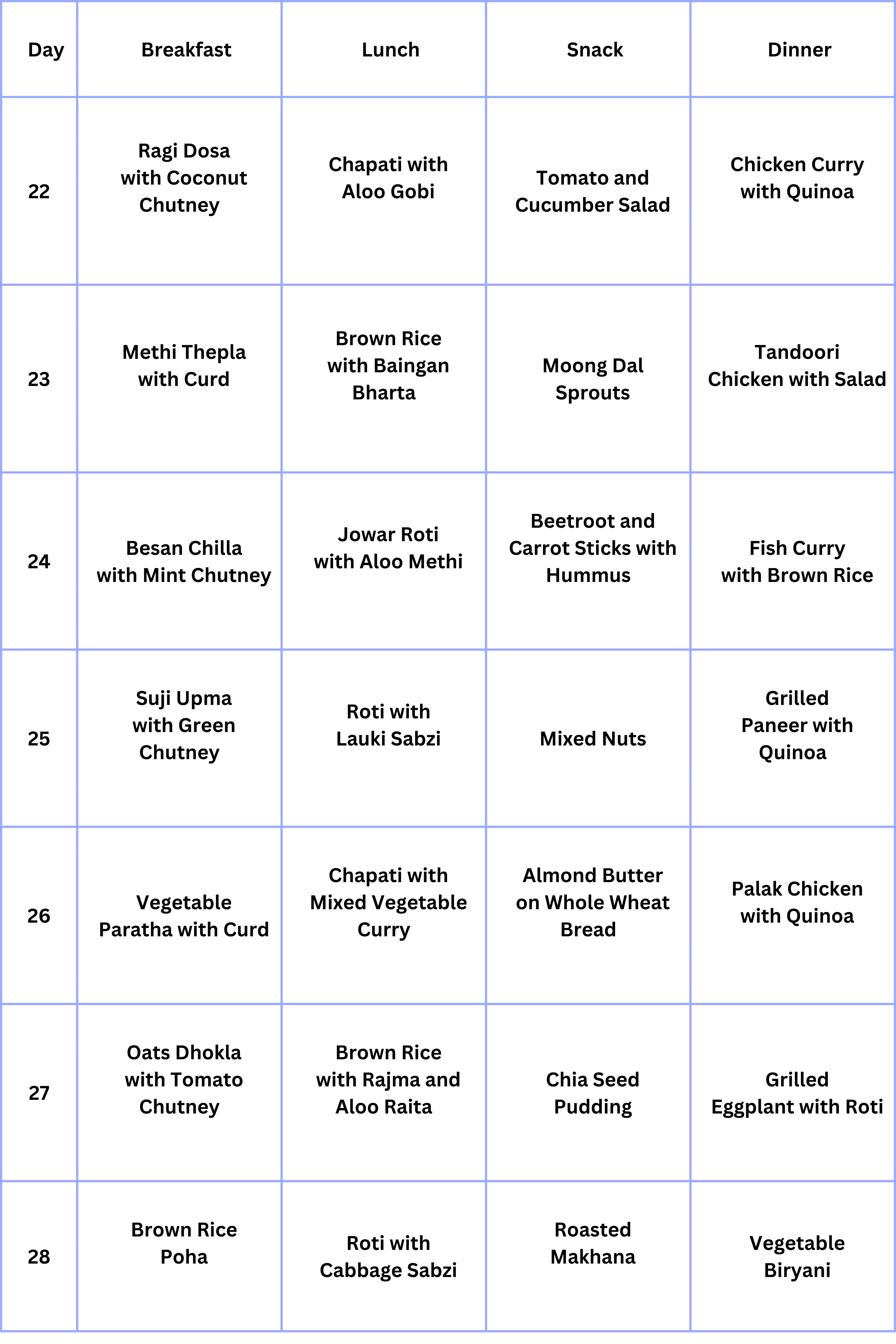
Image Source: www.livofy.com
Grasping the Core Idea: Calorie Deficit
To lose weight, your body needs to use more energy (calories) than you take in from food and drinks. This difference is called a calorie deficit. Your body then burns stored energy, like fat, to make up the difference.
Why a Big Deficit is Needed for Fast Loss
Think of weight loss like spending money. To lose a lot quickly, you need to spend much more than you earn. One kilogram of body fat holds about 7,700 calories. So, to lose 10kg of fat, you need a total calorie deficit of roughly 77,000 calories over the month (30 days).
Dividing 77,000 by 30 days means you need a deficit of about 2,500 to 2,600 calories every single day.
Most adults need around 2,000 to 2,500 calories just to maintain their weight without exercise. To create a deficit of 2,500 calories, many people would need to eat almost nothing, or very, very little. This is why losing 10kg in a month without exercise is extremely challenging and potentially unsafe through diet alone. It means eating way fewer calories than your body needs for basic functions, let alone daily activities.
The Central Strategy: Crafting Your Diet Plan
Since exercise is out, your diet plan to lose 10kg in 1 month becomes the only tool. This plan must be very low in calories while still trying to give your body the nutrients it needs to work. This is a very hard balance to strike.
The Focus: Nutrient-Dense, Low-Calorie Foods
To get enough vitamins and minerals on a very low calorie diet, you must choose foods that pack a lot of nutrients into few calories.
Here are foods to eat to lose weight quickly on such a strict plan:
- Lean Proteins: Chicken breast, turkey, fish (like tuna, cod), egg whites. Protein helps you feel full and helps protect your muscles when eating very little.
- Non-Starchy Vegetables: Leafy greens (spinach, kale, lettuce), broccoli, cauliflower, cucumber, zucchini, peppers, tomatoes, celery. These are very low in calories but high in fiber and nutrients. You can eat a lot of these to feel full.
- Some Fruits (in moderation): Berries (strawberries, blueberries, raspberries), apples, grapefruit. These have more sugar than vegetables but offer vitamins and fiber. Keep amounts small due to calorie and sugar content.
- Very Small Amounts of Healthy Fats: Avocado, nuts, seeds, olive oil. Fats are high in calories, so they must be used very sparingly, even though they are important for health.
- Legumes (in moderation): Beans, lentils. Good source of protein and fiber, but have more calories and carbs than non-starchy vegetables.
- Water: The most important drink. No calories, helps fill you up, and essential for body functions.
What to Strictly Limit or Avoid
On such a low-calorie plan, certain foods and drinks must be avoided almost completely:
- Sugary Drinks: Soda, juice, sweetened teas, energy drinks. Empty calories that add up fast.
- Processed Foods: Chips, cookies, cakes, fast food, most ready-made meals. High in calories, unhealthy fats, sugar, and low in nutrients.
- Refined Grains: White bread, white pasta, white rice. Low in fiber, high in calories.
- Unhealthy Fats: Fried foods, butter, cream, fatty cuts of meat. Very high in calories.
- Alcohol: High in calories, affects judgment, and can increase appetite.
Coming Up with Meal Ideas
Planning your meals is key to staying on track and trying to get enough nutrients. Here are meal ideas lose 10kg without exercise on a very strict calorie plan. Remember, portion sizes will be small.
Sample Daily Plan (Very Low Calorie)
- Breakfast: Scrambled egg whites with spinach and mushrooms.
- Lunch: Large salad with mixed greens, cucumber, tomatoes, a few berries, and a small amount of grilled chicken breast (plain). Dressing should be lemon juice or vinegar, no oil.
- Dinner: Baked fish fillet (like cod or tilapia) with a large serving of steamed broccoli or green beans.
- Snacks (Optional, if calories allow): A few celery sticks or cucumber slices.
This is a sample. The exact foods and amounts depend on your calorie target, which would be extremely low to hit 10kg in a month.
Creating a Healthy eating plan lose 10kg
A detailed plan helps prevent guessing and making poor choices.
- Plan Ahead: Decide exactly what you will eat for every meal and snack.
- Prepare Food: Cook meals in advance so healthy options are ready.
- Measure Portions: Use scales and measuring cups to keep track of how much you eat.
- Track Calories: Use an app or journal to record everything you consume. This is vital for such a strict deficit.
Even with careful planning, getting all needed vitamins and minerals on such a low calorie intake is difficult. A doctor or dietitian might suggest a multivitamin, but supplements cannot replace nutrients from whole foods.
Using Strategic Eating Patterns: Intermittent Fasting
Intermittent fasting for fast weight loss can be a tool when not exercising. It doesn’t change what you eat, but when you eat. This can help manage calorie intake by limiting the time window you have to eat.
How Intermittent Fasting Works
With intermittent fasting, you cycle between periods of eating and voluntary fasting. A common method is the 16:8 method, where you fast for 16 hours and eat all your meals within an 8-hour window. For example, you might eat only between 12 pm and 8 pm.
Benefits for Rapid Weight Loss (When Paired with Low Calories):
- Reduced Eating Opportunities: Confining eating to fewer hours naturally reduces the chances to snack or consume extra calories.
- Simpler Calorie Control: It can make it easier to stick to a very low calorie target because you only need to plan meals for a shorter period.
- Potential Metabolic Effects: Some studies suggest fasting periods can slightly help with fat burning and insulin sensitivity, though the main benefit for weight loss on a very low-calorie diet comes from the calorie reduction itself.
Intermittent fasting can be helpful for managing when you eat on a strict diet, but it’s not magic. You still must create a large calorie deficit during your eating window to lose weight. Combining very low calories with intermittent fasting can make the eating periods very challenging due to hunger.
The Role of Water Intake
Simply drinking water won’t make you lose 10kg, but proper water intake for weight loss plays a supporting role, especially on a strict diet without exercise.
Why Water is Important:
- Can Help with Fullness: Drinking water before meals can help you feel fuller, potentially leading you to eat less.
- Metabolism: Your body needs water for all its processes, including using energy. Dehydration can slow things down.
- Waste Removal: Water helps your kidneys remove waste products, which is important when your body is breaking down fat.
- Reduced Hunger Signals: Sometimes the body confuses thirst with hunger. Drinking water can help you figure out what you’re really feeling.
How much water? There’s no single rule, but aiming for at least 8-10 glasses (2-2.5 liters) a day is a good start. You might need more if you live in a hot climate or if your diet is very high in fiber.
Exploring Natural Methods for Support
Beyond strict dieting, some natural methods for rapid weight loss focus on supporting your body’s functions, especially when exercise isn’t part of the plan.
Fiber’s Filling Power
Fiber is a type of carbohydrate found in plant foods that your body can’t fully digest. It adds bulk to your food and moves through your digestive system slowly. This helps you feel full for longer after eating, which is crucial when you’re eating very few calories. Foods high in fiber include vegetables, legumes, and some fruits (like berries and apples). Getting enough fiber on a very low-calorie diet is challenging but important.
Protein’s Muscle Protection and Fullness
Eating enough protein is vital on a strict diet. Your body uses protein to build and repair tissues, including muscle. When you lose weight, especially rapidly, you risk losing muscle mass along with fat. Eating protein helps your body hold onto muscle. Protein also makes you feel very full, more so than carbs or fats, which helps manage hunger.
Metabolism Boosting Foods (Manage Expectations)
While some foods are called metabolism boosting foods for weight loss, their effect is usually small compared to the calorie deficit. Relying on these alone for 10kg loss without exercise is not realistic. However, they can be part of a supportive diet:
- Lean Protein: As mentioned, digesting protein uses more calories than digesting fats or carbs (this is called the thermic effect of food).
- Spicy Foods: Chili peppers contain capsaicin, which might slightly increase calorie burning for a short time and help reduce appetite.
- Green Tea: Contains caffeine and catechins which might slightly boost metabolism, but the effect is modest.
- Coffee: Caffeine can slightly increase metabolism temporarily.
These foods should be included for their overall nutrient value and minor potential benefits, not as the main strategy for hitting a 10kg weight loss goal in a month without exercise.
The Unseen Connection: Sleep and Weight Loss
Many people overlook the link between sleep and body weight, but the sleep and weight loss connection is strong. Poor sleep can sabotage weight loss efforts, especially when you’re already stressed by a very strict diet.
How Sleep Affects Hormones and Hunger:
- Ghrelin: This hormone tells your brain you’re hungry. Lack of sleep increases ghrelin levels.
- Leptin: This hormone tells your brain you’re full. Lack of sleep decreases leptin levels.
This double whammy means when you’re tired, you’re likely to feel hungrier and less satisfied after eating.
How Sleep Affects Choices:
Being tired also impacts your brain’s ability to make good decisions. You’re more likely to crave sugary, high-fat foods for quick energy and less likely to stick to your strict diet plan.
How Sleep Affects Metabolism:
Chronic poor sleep can also negatively affect insulin sensitivity, making it harder for your body to use glucose efficiently, which can impact fat storage.
Aim for 7-9 hours of quality sleep per night. Create a regular sleep schedule, make your bedroom dark and quiet, and avoid screens before bed. Good sleep is a natural method for rapid weight loss support that costs nothing and has wide-ranging health benefits.
Staying on Track and Safety First
Trying to lose 10kg in a month without exercise is an extreme undertaking. It’s not just about the math of calories; it’s about your body’s health and safety.
Monitoring Progress (Beyond the Scale)
While the number on the scale is a measure, it’s not the only one. How do your clothes fit? Do you have more energy (or less)? How do you feel generally? On a very strict diet, you might lose muscle and water along with fat. Rapid weight loss can also hide underlying health issues.
Listening to Your Body
Pay close attention to how you feel. Signs that a diet is too strict or unsafe include:
- Extreme fatigue or weakness
- Dizziness or lightheadedness
- Constant coldness
- Hair loss
- Dry skin
- Feeling very irritable or depressed
- Absence of menstrual periods (in women)
- Gallstones (a known risk of very fast weight loss)
If you experience any of these, it’s a clear sign you need to stop the diet and see a doctor.
The Absolute Need for Medical Advice
Trying to lose 10kg in a month, especially without exercise, should not be done without talking to a doctor first. They can check if you have any health conditions that make rapid weight loss dangerous (like heart problems, kidney issues, or diabetes). They can also offer guidance or refer you to a registered dietitian who can help create a plan that is as safe as possible under the circumstances, though they may advise against such a fast rate of loss.
Potential Problems to Watch For
Attempting such fast weight loss relying only on a very low-calorie diet comes with significant risks:
- Nutrient Deficiencies: It is very hard to get all the vitamins and minerals your body needs when eating so little food. This can lead to health problems over time.
- Muscle Loss: Without exercise, especially strength training, and on a very low-calorie diet, your body is likely to break down muscle for energy along with fat. Losing muscle slows your metabolism and makes it harder to keep weight off later.
- Slowed Metabolism: Your body adapts to fewer calories. If you eat very little for a long time, your metabolism can slow down, making it harder to lose weight and easier to regain it.
- Gallstones: Rapid weight loss greatly increases the risk of developing gallstones.
- Fatigue and Mood Changes: Very low calories can leave you feeling exhausted, irritable, and even depressed.
- Electrolyte Imbalances: In extreme cases, very restrictive diets can lead to dangerous imbalances of important minerals like potassium.
- Rebound Weight Gain: People who lose weight very quickly often gain it back, and sometimes more, especially if they return to old eating habits. This is often called ‘yo-yo dieting’ and can be harder on your body in the long run.
What Happens After the Month?
If you manage to lose weight this quickly, the biggest challenge is keeping it off. Returning to your old eating habits will cause the weight to come back fast. A healthy transition to a sustainable way of eating and adding exercise is crucial. This means gradually increasing calories with nutrient-dense foods and finding an activity you enjoy for long-term health.
Frequently Asked Questions (FAQ)
H4 Is losing 10kg in a month healthy?
Generally, no. Health professionals usually recommend losing 0.5 to 1kg per week as a safe and sustainable rate. Losing 10kg in a month is more than twice that rate and carries higher risks.
H4 Can I lose 10kg in 1 month just by eating less?
It is possible by eating very, very little to create a huge calorie deficit, but it is extremely difficult, likely harmful, and hard to maintain. It requires a dangerously low calorie intake for most people.
H4 What kind of diet plan to lose 10kg in 1 month is needed?
A very low-calorie diet (VLCD) is needed, typically under 800-1000 calories per day, focusing almost entirely on lean protein and non-starchy vegetables. Such diets should only be followed under strict medical supervision.
H4 What are the main risks of losing 10kg fast without exercise?
Risks include muscle loss, nutrient deficiencies, fatigue, gallstones, hair loss, slowed metabolism, and a high chance of regaining the weight quickly.
H4 Are there natural methods for rapid weight loss that really work without exercise?
While methods like increasing water and fiber intake and getting enough sleep can support weight loss, they will not cause 10kg of loss in a month on their own. The rapid loss comes from a severe calorie deficit through diet.
H4 How does water intake for weight loss help?
Water helps by making you feel fuller, supporting metabolism, aiding digestion, and helping your body function properly when dieting.
H4 Does intermittent fasting for fast weight loss work without changing what I eat?
Intermittent fasting helps control when you eat, which can help limit total calorie intake. But to lose significant weight, you still must eat fewer calories overall during your eating window. It’s a timing tool, not a free pass to eat anything.
H4 What foods are considered metabolism boosting foods for weight loss?
Foods like lean protein, chili peppers, green tea, and coffee are sometimes called metabolism boosters. However, their effect is very small compared to the calorie deficit needed to lose 10kg in a month.
H4 Why is sleep and weight loss connection important?
Poor sleep affects hormones (ghrelin and leptin) that control hunger and fullness, making you feel hungrier and less satisfied. It also makes you more likely to crave unhealthy foods.
H4 Can I eat anything if I just stay under a calorie limit?
On an extremely low calorie diet needed for 10kg loss in a month, focusing on nutrient-dense foods (lean protein, vegetables) is crucial to try and avoid severe deficiencies, even if you meet the calorie goal. Eating only junk food at that low calorie level would be very harmful.
Conclusion
Losing 10kg in just one month without exercise is an extremely aggressive goal that relies entirely on creating a huge calorie deficit through diet. While technically possible for some people, it requires a dangerously low calorie intake, comes with significant health risks like muscle loss, nutrient deficiencies, gallstones, and fatigue, and is very hard to sustain.
This article has shown the strict diet needed, the importance of nutrient-dense foods, strategic eating like intermittent fasting, and supportive factors like water intake and sleep. However, the core message remains: rapid weight loss at this speed without professional medical guidance is strongly discouraged.
For most people, a slower, steady approach to weight loss (0.5-1kg per week) that includes balanced eating and regular exercise is the healthiest and most effective way to reach and maintain a healthy weight long term. Always consult with a healthcare provider before starting any significant weight loss program.