Feeling sick after you exercise is quite common. It happens to many people. Your body works hard when you move. This hard work can make your stomach feel bad. There are many reasons why this happens. Some common reasons include how your blood moves, not having enough water, or not eating right. Sometimes, training very hard causes it too. Knowing why helps you feel better.
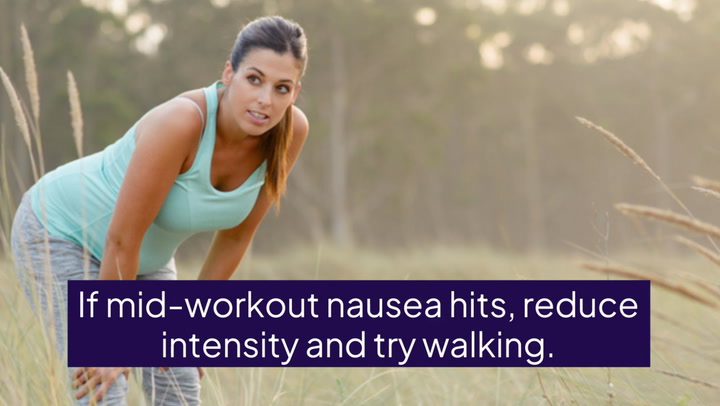
Image Source: cdn.jwplayer.com
The Body Works Hard During Exercise
When you exercise, many things change inside you. Your heart beats faster. You breathe harder. Your muscles need more blood. Your body is smart. It sends blood where it is needed most right then. This means less blood goes to other parts, like your stomach and gut.
Why Blood Moves Around
When you exercise hard, your muscles are doing a lot of work. They need fuel and oxygen. Your blood carries these things. To get more blood to your muscles, your body takes blood from other places. Your stomach and intestines get less blood. This is a normal body change.
Less Blood in Your Stomach
Your stomach needs good blood flow to work well. It helps with digestion. It helps move food through your body. When less blood goes there during exercise, things slow down. This can upset your stomach. It can make you feel sick. It is one of the main exercise induced nausea causes. This can also lead to an upset stomach after running or other activities.
How Exercise Changes Your Body
Exercise is stress for your body, in a good way. It asks your body to do more. This stress causes many changes.
- Heart Rate Goes Up: Your heart pumps blood faster.
- Breathing Speeds Up: You take in more air.
- Muscles Get More Blood: To work hard.
- Stomach Gets Less Blood: Digestion slows down.
This shift in where blood goes is a big reason for that sick feeling.
Not Having Enough Water
Water is very important for your body. You lose water when you sweat during exercise. If you do not drink enough water before, during, or after, you can get dehydrated. Dehydration and exercise nausea are closely linked.
How Dehydration Makes You Feel Sick
When you do not have enough water:
- Your blood volume goes down. This means there is less blood overall.
- Less blood makes it harder for your body to send enough to both your muscles and your stomach.
- Your stomach acid can get more concentrated. This can irritate your stomach lining.
- You might feel dizzy or lightheaded. This often comes with nausea.
Not drinking enough makes it harder for your body to work right. It can easily make you feel unwell.
Not Eating Right
What you eat and when you eat matter a lot before exercise. Eating too much, too little, or the wrong kinds of food can cause problems.
Eating Too Close to Exercise
If you eat a big meal right before you exercise, your body is trying to digest that food. Digestion needs blood flow to the stomach. But exercise takes blood away from the stomach. This conflict can make your stomach feel upset. Food might sit in your stomach longer than usual. This can cause nausea.
Eating the Wrong Foods
Some foods are harder to digest. High-fat foods, very spicy foods, or foods with a lot of fiber can be tough on your stomach. Especially when you exercise soon after. These foods can sit in your stomach and cause discomfort.
Not Eating Enough – Low Blood Sugar
On the other hand, not eating enough before exercise can also cause nausea. Your body uses sugar (glucose) for energy. If you have not eaten in a while, your blood sugar level might be low. This is called hypoglycemia. Low blood sugar after workout or even during can make you feel weak, shaky, dizzy, and sick.
How Low Blood Sugar Causes Nausea
Your brain needs sugar to work. When blood sugar is low, your brain does not get enough energy. This can trigger feelings of sickness. It is your body telling you something is wrong. You might also feel feeling lightheaded after exercise when your blood sugar is low.
Exercising Too Hard
The intensity of your workout matters. Light exercise usually does not cause problems. But intense training puts a lot of stress on your body. This can make nausea much more likely. Nausea after intense training is very common.
Why High Intensity Causes Problems
- More Blood Redirected: The harder you work, the more blood your muscles demand. Even less blood goes to your stomach.
- Stress Hormones: Intense exercise releases stress hormones. These hormones can affect your digestive system.
- Bouncing and Jarring: Activities like running or jumping cause your internal organs to move around. This physical shaking can upset your stomach, especially if it is full. This is often why people get an upset stomach after running.
- Breathing: Breathing very hard or unevenly during intense exercise can also sometimes make you feel sick.
Intense exercise pushes your body to its limits. This increases the chances of feeling nauseous or having other post workout sickness symptoms.
Other Things That Can Cause Nausea
Besides the main reasons, a few other things can contribute to feeling sick after working out.
Being Overheated
Exercising in hot or humid conditions makes your body work harder to cool down. If you get too hot, you can suffer from heat exhaustion. Nausea is a key symptom of heat exhaustion. You might also feel dizzy, sweaty, and weak.
Anxiety or Stress
Sometimes, feeling nervous about a tough workout or an event can affect your stomach. Your gut and brain are connected. Stress or anxiety can cause digestive issues. This can happen before or after exercise.
Pre-Existing Stomach Issues
If you already have a sensitive stomach, or conditions like IBS (Irritable Bowel Syndrome) or acid reflux, exercise can sometimes make those symptoms worse. The physical stress and blood flow changes can trigger your usual stomach problems, including nausea.
Certain Supplements or Medications
Some supplements or medications can cause stomach upset as a side effect. Taking them before or after exercise might make you feel sick. Always check how your body reacts to new substances during physical activity.
Vomiting After a Workout
Sometimes, nausea is so bad it leads to vomiting. Vomiting after workout reasons are usually the same as the nausea causes, but more severe. It means your body is reacting strongly to the stress of the exercise.
- Severe Dehydration: If you lose too much water and salts.
- Very Low Blood Sugar: If your body has no energy stores left.
- Extreme Intensity: Pushing your body beyond its limit very quickly.
- Eating Right Before: If undigested food is still in the stomach and gets tossed around or blood flow is too low to handle it.
- Heatstroke: A serious condition caused by overheating. Vomiting is a warning sign.
Vomiting after exercise is a sign that your body was under significant stress. It is important to pay attention when this happens.
Spotting Post Workout Sickness Symptoms
How do you know if what you feel is typical post workout sickness symptoms? Here are some signs:
- Feeling like you might throw up.
- Stomach discomfort or pain.
- Feeling lightheaded or dizzy.
- Pale skin.
- Sweating more than usual after you stop.
- A general feeling of being unwell or weak.
These symptoms usually happen right after exercise or within an hour or two. They often go away on their own.
How to Stop Feeling Sick After Exercise
If you are feeling nauseous right after a workout, here are some simple things you can try:
- Sit or Lie Down: Rest helps your body recover and blood flow return to normal.
- Cool Down Slowly: Do not stop moving suddenly. Walk around lightly for a few minutes.
- Sip Water: Drink small amounts of cool water slowly. Do not gulp.
- Get Some Air: Go to a cool, well-ventilated area.
- Eat Something Small: If you think low blood sugar is the cause, have a small, easily digestible snack like a piece of fruit (like a banana) or some crackers. Do this slowly.
- Avoid Heavy Food: Do not eat a big meal right away.
- Avoid Lying Flat: If you feel like throwing up, sitting up or propped up is better than lying completely flat.
These steps can help ease the feeling of sickness.
Table of Causes and Simple Fixes
Here is a simple look at common causes and easy ways to help:
| Cause | Why It Happens Simply | What to Do |
|---|---|---|
| Blood Flow Shift | Blood goes to muscles, less to stomach. | Cool down slowly. Rest after exercise. |
| Dehydration | Not enough water lost through sweat. | Drink water before, during, and after exercise. |
| Wrong Food Timing | Eating big meals right before. | Eat 1-2 hours before exercise. Have light snacks closer. |
| Wrong Food Type | Hard-to-digest foods before exercise. | Avoid fatty or spicy foods before working out. |
| Low Blood Sugar | Not enough energy (sugar) in your body. | Eat a light snack (carbs) 1-2 hours before. Have a small snack ready after. |
| High Intensity | Body is pushed very hard. | Build up intensity slowly. Don’t go too hard too fast. |
| Overheating | Body gets too hot in warm places. | Exercise in cool areas. Stay hydrated. Wear light clothes. |
| Stomach Bouncing | Organs shake during running/jumping. | Avoid eating right before these sports. |
Learning to Prevent Exercise Induced Nausea
The best way to deal with feeling sick is to stop it from happening. Here are practical steps to prevent exercise induced nausea.
Plan Your Hydration
- Drink Before: Have a glass of water about 1-2 hours before you start.
- Drink During: Sip water every 15-20 minutes during your workout, especially if it’s long or intense. Do not wait until you are thirsty. Thirst means you are already a bit dehydrated.
- Drink After: Continue drinking water after you finish to replace what you lost.
- Consider Electrolytes: If you sweat a lot or exercise for over an hour, a sports drink with electrolytes (salts) can help replace what you lose and improve hydration.
Proper hydration is key to avoiding dehydration and exercise nausea.
Think About What and When You Eat
- Timing is Key: Try to finish main meals at least 2-3 hours before exercise.
- Snack Wisely: If you need energy closer to your workout (within 1-2 hours), choose a small, easily digestible snack. Good options include:
- A banana
- Small handful of crackers
- Piece of toast with jam
- Small energy bar
- Focus on Carbs: These give you quick energy.
- Limit Fats and Fiber: These take longer to digest and can sit heavy in your stomach. Avoid greasy, fried, or very fibrous foods right before.
- Avoid Spicy Foods: These can irritate your stomach.
- Test Foods: Learn what foods work best for your body before exercise. Everyone is different.
Getting your pre-exercise nutrition right is a big step to prevent exercise induced nausea. Eating the right things helps avoid low blood sugar after workout and an upset stomach after running.
Manage Exercise Intensity
- Warm-Up Properly: Start with a light warm-up (5-10 minutes). This gets your body ready slowly.
- Increase Intensity Gradually: Do not go from zero to 100 right away. Build up how hard you work over time.
- Listen to Your Body: If you start feeling sick during exercise, slow down. Do not push through strong nausea. This can help avoid nausea after intense training.
- Cool-Down Properly: Finish your workout with 5-10 minutes of light activity, like walking or gentle stretching. This helps your body return to a normal state slowly.
Gradual changes in intensity are important for your body to adjust.
Dress for the Weather
- Stay Cool: Wear light, breathable clothing, especially when exercising in warm places. This helps your body manage its temperature.
- Exercise During Cooler Times: If it’s hot outside, try working out in the early morning or late evening.
- Find Shade: Use shaded routes if running or walking outside.
Preventing overheating is crucial to avoid feeling sick.
Breathe Properly
Focus on steady, controlled breathing during exercise. Shallow, fast breaths can sometimes contribute to lightheadedness and nausea.
Consider Your Route or Environment
If activities with a lot of bouncing, like running on hard surfaces, bother your stomach, try softer surfaces like trails or grass. Or mix in lower-impact activities like cycling or swimming. This can help reduce upset stomach after running.
Don’t Lie Down Immediately After
Right after finishing, especially intense exercise, avoid lying flat on your back. This can sometimes make nausea worse by affecting blood flow and pressure in your abdomen. Sit or stand and do your cool-down.
Keep Track of What Causes It
Pay attention to when you feel nauseous.
- Was it after a specific type of exercise?
- Was it after eating a certain food?
- Were you dehydrated?
- Was the weather hot?
- Were you more stressed than usual?
Keeping a simple log can help you find patterns and figure out your personal exercise induced nausea causes.
When Feeling Sick Might Mean Something More
Most of the time, feeling sick after exercise is not serious. It is just your body reacting. But sometimes, it can be a sign of a bigger problem.
You should talk to a doctor if:
- Nausea happens very often.
- The nausea is severe or leads to vomiting almost every time you exercise.
- You have chest pain, extreme shortness of breath, or feel like you might pass out.
- Symptoms do not get better with rest, hydration, and food.
- You have other worrying symptoms like severe headache or vision changes.
These could be signs of something needing medical attention.
Building Your Tolerance Over Time
For many people, especially those new to exercise or increasing their activity, the body needs time to adjust. As you exercise more regularly, your body gets better at managing blood flow. Your digestive system might become less sensitive.
- Start Slow: If you are new, begin with shorter, less intense workouts.
- Increase Gradually: Slowly increase how long and how hard you exercise. This gives your body time to adapt.
- Be Consistent: Regular exercise helps your body become more efficient.
Patience and consistency are key to building tolerance and reducing post workout sickness symptoms.
Hydration is More Than Just Water
While water is essential, electrolytes like sodium and potassium are also lost in sweat. These help your body hold onto water and are important for nerve and muscle function.
- For workouts under an hour, water is usually enough.
- For longer or very intense workouts, or if you sweat a lot, consider adding electrolytes. This could be through a sports drink, electrolyte tablets in water, or even salty snacks if tolerated.
Getting hydration right is one of the most effective ways to prevent exercise induced nausea.
The Link Between Stomach Acid and Nausea
Less blood flow to the stomach can affect the protective lining. Stomach acid, which is always present to digest food, can irritate the stomach wall when its defenses are weakened by low blood flow. This irritation can trigger the feeling of nausea. Eating a small, bland snack before can sometimes help by giving the acid something to work on besides your stomach lining, but timing is important.
Different Sports, Different Effects
The type of exercise can influence nausea.
- Running: High impact, lots of bouncing. Can cause physical jostling of organs and blood flow issues. Often leads to upset stomach after running.
- Cycling: Lower impact, but often done intensely or for long periods. Can still cause blood flow issues. Leaning forward can also put pressure on the stomach.
- Weightlifting: Often involves short bursts of intense effort. Less impact, but very heavy lifting can still stress the body and affect blood flow, especially during sets.
- Swimming: Low impact, often done horizontally. Less bouncing, but intensity and sometimes swallowing water can cause nausea for some.
Understanding how your specific activity affects your body can help you manage or prevent exercise induced nausea.
The Mental Side
Don’t forget the brain-gut connection. If you had a bad experience with nausea before, you might feel anxious about it happening again. This anxiety itself can sometimes trigger stomach upset. Techniques like deep breathing or focusing on positive aspects of your workout can sometimes help manage this.
In Summary: Why You Might Feel Sick
- Blood moves away from your stomach to your muscles.
- You might not have drunk enough water.
- What and when you ate might not work well with exercise.
- Your blood sugar could be low.
- You might have worked out too hard or too fast.
- You could be too hot.
- Stress or existing stomach issues can play a role.
Understanding these exercise induced nausea causes is the first step. Then, you can use simple methods to stop feeling sick or prevent exercise induced nausea in the first place.
Frequently Asked Questions (FAQ)
Is it normal to feel a little sick after exercise?
Yes, it is quite normal for many people. It often happens after hard workouts or if you are new to exercise. Your body is just adjusting.
What should I eat right after feeling nauseous?
Start with small sips of water. If you feel better, try a very small, bland snack like crackers or half a banana. Wait before eating a full meal.
How long does exercise nausea usually last?
Usually, the feeling goes away within a rest period of 15 minutes to an hour after stopping exercise. If it lasts much longer or is very severe, it might be good to check with a doctor.
Can sports drinks help prevent nausea?
For longer or harder workouts where you sweat a lot, sports drinks can help. They replace water and salts (electrolytes) you lose. This helps hydration, which can prevent nausea. But plain water is often enough for shorter, less intense exercise.
Does everyone get sick after intense training?
No, not everyone does. Some people are less sensitive to the changes exercise causes. But nausea after intense training is a common problem for many athletes.
If I throw up after a workout, does that mean something is seriously wrong?
Not always. Vomiting after workout reasons are often the same as nausea reasons, just more intense. It means your body was very stressed. Pay attention to why it happened (maybe very hard workout, not enough water, or poor food timing). If it keeps happening, or you have other worrying signs, see a doctor.
Can changing my breathing help?
Yes, sometimes. Focusing on deep, steady breaths instead of shallow, fast ones can help keep you calm and supply enough oxygen, which might reduce lightheadedness and nausea for some people.
Is it better to exercise on an empty stomach?
It depends on the person and the exercise. For light exercise, it might be fine. But for moderate to intense exercise, having a small, easily digestible snack 1-2 hours before provides needed energy and can prevent low blood sugar after workout, which helps prevent nausea. Listen to your body.
By paying attention to your body’s signals and making small changes to your hydration, nutrition, and how you train, you can often avoid that sick feeling after exercise and enjoy the benefits of being active.