How long should you wait after eating to exercise? The simple answer is that it depends a lot on what you ate, how much you ate, and the kind of exercise you plan to do. For most people, waiting about 1 to 3 hours after a full meal is a good rule of thumb before starting strenuous activity. If you’ve only had a light snack, waiting 30 minutes might be enough. This timing helps your body digest food without causing problems when you start moving. When you consider how long after eating to run or do any intense exercise, giving your stomach enough time is key to feeling comfortable and performing well. Waiting after eating before working out lets your body focus on digestion first.
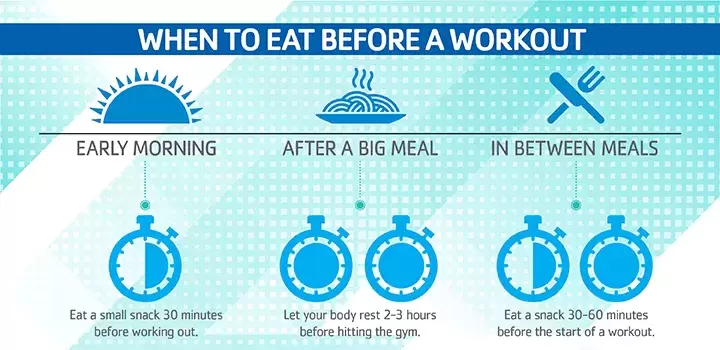
Image Source: www.ymcamidtn.org
Why Waiting Matters for Your Body
When you eat food, your body gets to work. It starts breaking down the food to get energy. This process needs blood flow. A lot of blood goes to your stomach and gut to help with digestion.
If you start exercising too soon, your body needs that blood flow elsewhere. Your muscles need blood to work hard. This creates a conflict. Your body can’t send lots of blood to both your gut for digestion and your muscles for exercise at the same time.
This can lead to problems. Your digestion slows down. Your muscles might not get all the blood they need. This is why you might feel uncomfortable. You might feel heavy or sluggish.
Giving your body time to digest the food first helps. It lets the stomach start emptying. Nutrients begin moving into the bloodstream. Then, when you start your workout, your body can send blood mostly to your working muscles. This helps you feel better and perform better.
Grasping How Food Type Changes Things
Not all food is the same for your body. Different foods take different amounts of time to digest. This is important when thinking about when to exercise.
Think about a big steak dinner. This meal has lots of protein and fat. These nutrients take a long time for your body to break down. Your stomach holds onto them longer.
Now think about a piece of fruit or a slice of toast. These foods are mostly carbohydrates. Carbs are easier and faster for your body to digest. They move out of the stomach more quickly.
The size of your meal also matters a lot. A small snack is easy to handle. A large meal is a much bigger job for your digestive system.
So, the type and amount of food you eat directly affect how long you need to wait. You need to give your body enough time based on what you put into it. Eating the right things at the right time before exercise is part of getting the most from your workout. It’s a key part of how food affects workout performance.
Timing for Different Foods
How long should you wait after eating depends heavily on the type and amount of food. Let’s break down some common scenarios.
After a Large Meal
A large meal is one that fills you up completely. It usually has a mix of protein, fat, and carbohydrates. Things like a full dinner with meat, potatoes, and vegetables count as a large meal.
After a large meal, your body is busy. Digestion takes significant effort and time. Your stomach needs to process a lot of food. Blood flow is high in your gut.
Exercising too soon after a large meal is likely to cause problems. You might feel bloated. You could get stomach cramps exercising after eating. Nausea after exercising post meal is also common. This is because your digestive system is still working hard. Your body is trying to digest while you are asking muscles to perform.
For a large meal, waiting 3 to 4 hours is often a good idea. Some people might need even longer. This gives your stomach plenty of time to empty. It allows the first stages of digestion to finish. This is especially important if you plan to do hard exercise. If you had a particularly large meal, like a holiday feast, you might need 4 or more hours. Listen to your body. It will tell you if it’s ready.
After a Regular Meal
A regular meal is like a standard breakfast, lunch, or dinner. It’s not overly big, but it’s more than a snack. Maybe a sandwich, a bowl of soup and bread, or a moderate plate of pasta.
These meals still require digestion time. They have a mix of nutrients, but less volume than a large meal. Your stomach will process this food faster than a huge amount.
After a regular meal, waiting 2 to 3 hours is a common suggestion. This time allows your stomach to digest most of the food. It reduces the risk of feeling sick or getting cramps during exercise. For many people, this is the typical wait after eating before working out that works well. If your regular meal leans heavier on fat and protein, you might need the full 3 hours. If it’s lighter with more carbs, maybe 2 hours is fine.
After a Small Meal or Snack
A small meal is lighter than a regular meal. Think of a smaller sandwich or a moderate salad without heavy dressing or lots of rich toppings. A snack is even smaller. It could be a piece of fruit, a small yogurt, or a handful of crackers. Eating light snack before workout is a common practice for many people.
These smaller amounts of food are digested much faster. They don’t demand as much blood flow to the gut. They often contain simple carbohydrates that provide quick energy.
If you have a small meal, waiting 1 to 2 hours is usually enough. Your stomach empties relatively quickly.
If you have a small snack, you might only need to wait 30 minutes. Some people can exercise almost immediately after a very light snack, like half a banana or a few sips of a sports drink. This is especially true if the snack is mostly simple carbs. Eating right before exercise in the form of a very light, easily digestible snack can sometimes help boost energy for a short, intense effort. However, even with a snack, waiting just a little helps settle your stomach.
Table of Suggested Wait Times
Here is a simple guide for how long to wait after eating before different types of meals:
| Meal Size/Type | Example Food | Suggested Wait Time | Type of Exercise After Waiting |
|---|---|---|---|
| Large Meal | Big dinner, holiday feast, large buffet plate | 3-4+ hours | Any intensity |
| Regular Meal | Standard breakfast/lunch/dinner, moderate plate | 2-3 hours | Moderate to High intensity |
| Small Meal | Half a sandwich, moderate salad, small soup bowl | 1-2 hours | Low to High intensity |
| Small Snack (Light) | Fruit, yogurt, toast, small energy bar | 30-60 minutes | Low to High intensity |
| Very Light Snack | Few crackers, small handful of nuts, sports drink | 15-30 minutes | Low intensity, or warm-up |
Remember, these are just general guidelines. Your body is unique. What works for one person might not work for you. It’s crucial to listen to your own body’s signals.
Considering Different Exercise Types
The type of exercise you do also affects how long you should wait. Some activities are harder on your stomach than others.
Running and High-Impact Activities
Running, jumping, and other high-impact exercises bounce your body around. This movement can be hard on a full stomach. It can slosh contents around, which might cause discomfort. It can also make it harder for your body to send blood efficiently.
This is why knowing how long after eating to run is very important for runners. Many runners find that they need more time after eating than someone lifting weights. The bouncing motion increases the risk of stomach cramps exercising after eating, side stitches, and nausea after exercising post meal.
For running or intense cardio with lots of movement:
- After a large meal: Wait at least 3-4 hours.
- After a regular meal: Wait at least 2-3 hours.
- After a small meal: Wait 1.5-2 hours.
- After a small snack: Wait at least 45-60 minutes.
Trying to run on a full stomach is often a bad experience. It can ruin your workout and leave you feeling sick.
Weightlifting and Strength Training
Strength training usually involves less bouncing and jarring than running. Your body is often more stable. This can make it slightly easier on your stomach.
However, intense weightlifting still requires a lot of blood flow to your muscles. Lifting heavy weights puts pressure on your core. This can still cause discomfort if your stomach is full.
For weightlifting or strength training:
- After a large meal: Wait 3-4 hours.
- After a regular meal: Wait 2-3 hours.
- After a small meal: Wait 1-2 hours.
- After a small snack: Wait 30-60 minutes.
While the risk of bouncing discomfort is lower, the need for blood in your muscles is high. Waiting helps ensure blood is directed where it’s needed for lifting.
Swimming
Swimming can be tricky. The horizontal position and core engagement can put pressure on your stomach. Also, getting sick in the water is not pleasant or safe.
Many swimmers prefer to wait a significant amount of time after eating, especially before an intense swim.
For swimming:
- After a large meal: Wait 3-4+ hours.
- After a regular meal: Wait 2-3 hours.
- After a small meal: Wait 1.5-2.5 hours.
- After a small snack: Wait 45-75 minutes.
Being in the water adds another layer of caution. It’s better to wait a bit longer and feel comfortable.
Low-Intensity Exercise
Low-intensity exercise includes things like walking, easy cycling, or gentle yoga. These activities do not demand as much blood flow to the muscles. They also don’t cause much bouncing or jarring.
You can often do low-intensity exercise sooner after eating.
For low-intensity exercise:
- After a large meal: Wait 2-3 hours.
- After a regular meal: Wait 1-2 hours.
- After a small meal: Wait 45-90 minutes.
- After a small snack: Wait 15-30 minutes.
A light walk after a meal can even help with digestion for some people. But strenuous activity still requires a wait.
Common Issues from Not Waiting Enough
Ignoring the need to wait after eating can lead to several uncomfortable problems. These issues happen because your body is trying to manage digestion and exercise at the same time.
Stomach Cramps and Pain
This is one of the most common issues. When you exercise with food in your stomach, blood flow is pulled away from your gut. This can slow down digestion. The movement of exercise can also cause the stomach and intestines to cramp. This feels like a sharp or dull pain in your abdomen. Stomach cramps exercising after eating are a clear sign you likely didn’t wait long enough or ate the wrong thing.
Nausea and Vomiting
Feeling sick to your stomach is another frequent problem. A full stomach combined with intense exercise can cause nausea. Your body might even reject the food entirely, leading to vomiting. Nausea after exercising post meal is unpleasant and stops your workout cold. It happens because of the conflicting demands for blood flow and the physical stress on your digestive system.
Sluggishness and Low Energy
Even if you don’t get cramps or nausea, exercising too soon can make you feel heavy and slow. Digestion uses energy. If your body is still heavily involved in digesting, that energy isn’t available for your muscles. This reduces how food affects workout performance negatively. You won’t be able to push as hard or perform at your best.
Acid Reflux or Heartburn
For some people, exercising after eating can cause stomach acid to come back up into the esophagus. This creates a burning feeling in your chest, known as heartburn. Lying down or bending over during exercise can make this worse.
Poor Performance
Overall, not waiting long enough hurts your performance. You can’t run as fast, lift as much, or last as long. Your body is too busy trying to digest food instead of focusing on fueling and powering your muscles. This negates the potential positive impact of how food affects workout performance when timed correctly.
Expert Advice on Meal Timing Exercise
Experts agree that timing your meals around your workouts is key. It helps you feel good and perform well. Here is some expert advice on meal timing exercise:
- Prioritize Carbohydrates Before Exercise: Carbohydrates are your body’s main fuel source for exercise. Especially for moderate to high-intensity workouts. Eating carbs a few hours before exercising ensures your muscles have stored energy (glycogen). This improves how food affects workout performance.
- Keep Pre-Workout Meals/Snacks Low in Fat and Fiber: Fat and fiber slow down digestion. While they are important nutrients, having too much right before a workout can cause stomach upset. Choose simpler carbs closer to your workout time.
- Smaller is Better Closer to Exercise: If you need to eat close to your workout, choose a very small, easily digestible snack. This is why eating light snack before workout is often recommended over a full meal.
- Hydrate Properly: Drink water leading up to your workout. Hydration is crucial for performance. However, avoid chugging large amounts of water right before starting, as this can also cause discomfort.
- Experiment and Find Your Own Timing: The best time to eat before gym or exercise is personal. What works for your friend might not work for you. Pay attention to how you feel after eating and when you exercise. Keep a simple log if needed.
- Consider Post-Workout Nutrition: While this post focuses on pre-workout eating, remember that eating after exercise is also important for recovery and muscle repair. Timing here matters too, but in a different way.
- Listen to Your Body Above All: This is the most critical piece of advice. Your body will tell you when it’s ready. If you feel heavy, bloated, or uneasy, wait longer. If you feel light and energized, you probably timed it right.
By following this expert advice on meal timing exercise, you can improve your comfort and results. It’s not just about avoiding problems; it’s also about maximizing the benefits of your nutrition for your workout.
Best Time to Eat Before Gym or Exercise
Pinpointing the exact “best time” is hard because everyone is different. But we can talk about general timing strategies.
For most people doing moderate to intense exercise, the best time to eat a substantial meal is 2-3 hours before hitting the gym or starting your activity. This allows for good digestion.
If you exercise early in the morning and don’t have 2-3 hours, a smaller meal 1.5-2 hours before, or a light snack 30-60 minutes before, is usually the best option. This prevents exercising on a completely empty stomach which can lead to low energy or dizziness for some. Eating light snack before workout is a popular strategy for morning exercisers.
Some people prefer to train fasted, especially for lower intensity steady-state cardio. This means exercising without eating anything beforehand. This can work for some, but it’s not for everyone and is generally not recommended for high-intensity or long-duration activities where fuel is needed.
For evening workouts, timing is usually easier. You can have your last meal 2-3 hours before your session.
Ultimately, the best time to eat before gym or exercise is when you can get enough easily digestible fuel into your body without causing stomach upset during the activity. This involves finding the right balance for your schedule, your digestion rate, and your exercise type.
Eating Right Before Exercise
Is it ever okay to eat right before exercise? Generally, eating a full meal right before exercise is a bad idea, as we’ve covered. However, eating right before exercise in the form of a very small, specific type of snack can sometimes be okay or even helpful, depending on the person and the workout.
What kind of “eating right before exercise” might be okay?
- Sips of a sports drink: These provide quick carbs and electrolytes. Small sips just before or during a long workout can help maintain energy.
- A small piece of easily digestible fruit: Like a few slices of banana. These are mainly simple carbs.
- Energy gels or chews: These are designed for quick energy during endurance events. They are meant to be consumed right before or during exercise.
These options are very small and designed for rapid energy without much digestion needed. They don’t sit heavy in the stomach.
However, for many people, even these can cause issues if the exercise is very intense or if they have a sensitive stomach.
The rule of thumb remains: the closer you are to your workout, the smaller and simpler any food intake should be. Eating anything substantial right before exercise is usually not recommended. It increases the risk of problems like stomach cramps exercising after eating and nausea after exercising post meal.
Fathoming How Food Affects Workout Performance
The food you eat provides the fuel for your body. The timing of when you eat that food significantly impacts how well that fuel is available during your workout. This is the core of how food affects workout performance.
- Carbohydrates: Carbs are like gasoline for a car. Your body breaks them down into glucose, which enters your bloodstream. This glucose can be used immediately for energy, or stored in your muscles and liver as glycogen. Glycogen is the primary fuel source for moderate to high-intensity exercise. Eating enough carbs in the hours before a workout ensures your glycogen stores are full. This helps you sustain effort and perform better for longer. Without enough carbs, you might “hit a wall” or feel weak.
- Protein: Protein is essential for muscle repair and growth. While it’s not the primary fuel source during exercise (especially not high-intensity), having adequate protein intake throughout the day, including in meals before exercise, is important for overall muscle health. Eating some protein with your pre-workout carbs can also help stabilize blood sugar, providing more sustained energy. However, protein takes longer to digest than carbs, so large amounts right before exercise are not ideal.
- Fats: Fats are a source of energy, especially for lower-intensity, longer-duration exercise. However, fats take the longest to digest. Eating high-fat foods close to a workout means that food will sit in your stomach, potentially causing discomfort. While essential for overall health, fats are not the best choice for immediate pre-workout fuel.
- Hydration: Being properly hydrated is just as crucial as food. Dehydration can severely hurt performance. It affects energy levels, muscle function, and the ability to regulate body temperature. Drink water regularly leading up to your workout.
Proper meal timing ensures that the energy from your food is available when your muscles need it most. Eating too soon means the food is still in your stomach. Eating too late (after the workout) means you missed the window to fuel the activity itself (though post-workout nutrition is vital for recovery).
Optimizing when and what you eat is a form of training in itself. It directly influences your energy levels, your ability to push yourself, and your overall performance and comfort during exercise. This is why understanding how food affects workout performance through timing is so valuable.
Hydration Timing
While food timing is key, don’t forget about water. Being well-hydrated improves performance and helps prevent cramps and nausea.
- Drink water steadily throughout the day.
- Have a glass or two of water in the 2-3 hours before your workout.
- Stop drinking large amounts of water about 30 minutes before starting exercise to avoid feeling full or needing the restroom during your session.
- You can take small sips of water right before you start.
- Drink water during your workout, especially if it’s long or intense.
Proper hydration works together with proper food timing for the best results.
Listening to Your Body’s Signals
All the guidelines and expert advice are helpful, but your body is the final expert for you.
Pay attention to how you feel during exercise after eating at different times or different foods.
- Do you feel heavy or sluggish? You might need to wait longer next time.
- Do you get stomach cramps exercising after eating? You likely ate too much, too close to exercise, or ate something hard to digest.
- Do you feel nauseous? Same reasons – wait longer, change food type.
- Do you feel lightheaded or low on energy? You might not have eaten enough, or waited too long after eating a meal to work out.
- Do you feel good, energetic, and comfortable? You nailed the timing and food choice.
Keep track of what you eat, when you eat, and how you feel during your workout. This helps you learn your own body’s best timing. It might take some trial and error.
For example, you might find that you can easily run 30 minutes after a banana but need 2 hours after a bowl of oatmeal. Or you might discover that coffee on an empty stomach makes you jittery during your run, so you need a small snack with it.
Experimentation is key to finding your personal best time to eat before gym or exercise. Don’t be afraid to try slightly different timings and foods. Your goal is to feel energized and comfortable throughout your workout.
Practical Tips for Meal Timing
Here are some simple tips to help you figure out your personal timing:
- Plan Ahead: Know when you plan to exercise. Then, plan your meals and snacks backward from that time.
- Morning Workouts: If you exercise early, try a very light, easy-to-digest snack (like half a banana or a few dates) 30-60 minutes before, or exercise on an empty stomach if you tolerate it well for low-intensity. Save your main breakfast for after the workout.
- Lunchtime Workouts: Eat a substantial breakfast a few hours before your workout. If needed, have a very light snack about an hour before you start. Eat your lunch after you finish exercising.
- Evening Workouts: Have your lunch as usual. Plan your dinner for after your workout. If you get hungry in the afternoon, have a carbohydrate-focused snack 1-2 hours before your exercise session.
- Stay Hydrated Throughout the Day: Don’t just chug water right before. Sip water consistently.
- Avoid Trying New Foods Before a Big Workout: Stick to foods you know agree with your stomach before an important or intense training session.
- Pay Attention to Digestion Issues: If you consistently experience stomach cramps exercising after eating or nausea after exercising post meal, re-evaluate what and when you are eating. You may need more waiting time or different food choices.
- Consider the Type of Exercise: Remember that high-impact activities like running usually require more waiting time than lower-impact activities like cycling or weightlifting.
By being mindful of these tips and your body’s response, you can find the optimal meal timing that helps you feel your best and perform your best during exercise. This reinforces the importance of eating right before exercise (or more accurately, timing your food right) for performance.
Deciphering the Science
While we’ve simplified things for readability, the science behind this involves blood flow distribution, hormone responses (like insulin), and the rate at which your stomach empties (gastric emptying).
When food is in your stomach and small intestine, your body prioritizes sending blood there to absorb nutrients. This is called the “fed state.” During intense exercise, your muscles need significantly increased blood flow to get oxygen and fuel and remove waste products.
If you exercise in the fed state, your body has to try and split blood flow between digestion and muscles. This split often means neither process works as well as it could. Digestion is slowed, potentially leading to discomfort. Muscle performance is reduced because they aren’t getting optimal blood flow.
The goal of waiting after eating before working out is to move from the “fed state” towards a state where your stomach is relatively empty, and absorbed nutrients are circulating or stored. Then, when you start exercising, your body can direct most of the increased blood flow to your muscles without major conflict.
The time it takes for your stomach to empty depends on the size and composition of the meal. Liquids empty faster than solids. Carbohydrates empty faster than protein or fat. This is why eating light snack before workout (especially carbs) is often fine with a short wait, while exercise after a big meal requires much longer.
Factors like exercise intensity also matter. Very high intensity exercise can slow down gastric emptying, making problems worse if there’s food in the stomach. Low to moderate intensity exercise has less impact on digestion, which is why you might need less waiting time.
Understanding these basic principles helps explain why meal timing is not just an old myth, but rooted in how your body uses energy and manages blood flow. Applying this knowledge is part of the expert advice on meal timing exercise.
Why Exercising Hungry Might Not Be Best Either
While the focus has been on waiting after eating, it’s also possible to wait too long or not eat enough before exercise. Exercising on an completely empty stomach, especially for intense or long workouts, can lead to problems:
- Low Energy Levels: If your immediate blood sugar is low and your glycogen stores are depleted (e.g., after a night’s fast and no breakfast), you might feel weak, tired, or lethargic during your workout.
- Dizziness or Lightheadedness: Low blood sugar can cause these symptoms.
- Muscle Fatigue: Without readily available fuel, your muscles can tire quickly.
- Reduced Performance: You simply won’t be able to perform at your potential if you’re running on empty.
- Increased Muscle Breakdown: In extreme cases, or during very long fasted exercise, your body might break down muscle tissue for energy, which is the opposite of what most people want.
So, the goal isn’t to exercise while starving. It’s to find the sweet spot where you are fueled but not full. This is why strategies like eating light snack before workout (a simple carb snack) are popular. They provide energy without overloading your digestive system.
Finding your personal best time to eat before gym requires balancing these two extremes: not too full, not too empty. It’s about providing your body with accessible energy at the right moment.
Frequently Asked Questions (FAQ)
h4: Can I exercise immediately after a glass of water?
Yes, generally drinking plain water right before or during exercise is fine and encouraged. Water is essential for hydration and doesn’t require digestion like food. Avoid drinking a huge amount all at once right before intense exercise, as this can sometimes cause a sloshing feeling or mild discomfort for some people.
h4: What should I eat if I only have 30-60 minutes before my workout?
If you only have a short time, choose a small, easily digestible carbohydrate-based snack. Examples include:
* Half a banana
* A few dates
* A small handful of pretzels or crackers
* A small energy chew or gel
* A few sips of a sports drink
Avoid fats, protein, and fiber in this short window, as they slow digestion. Eating light snack before workout in this timeframe should prioritize quick energy.
h4: Is it okay to exercise on an empty stomach in the morning?
For some people, yes, especially for low-to-moderate intensity cardio like a walk or easy jog. Many people tolerate this well. However, for high-intensity or long-duration workouts, exercising completely fasted can lead to low energy and poor performance. Listen to your body. If you feel weak, dizzy, or experience reduced performance, try having a small, easily digestible snack 30-60 minutes before your morning workout next time.
h4: Why do I get stomach cramps exercising after eating?
Stomach cramps often happen because your body is trying to digest food while you are exercising. Blood flow is diverted from your digestive system to your working muscles. The physical movement of exercise can also cause discomfort and cramping in a full stomach. Eating too much, eating fatty or high-fiber foods, or not waiting long enough are common reasons. Knowing how long after eating to run, especially, helps prevent this.
h4: Does exercising after eating help you burn more calories?
Exercising after eating doesn’t significantly change the total calories burned during the exercise session itself compared to exercising at the same intensity in a fueled state. Your body uses fuel regardless. The advantage of timing food is about performance and comfort, not calorie burning rate.
h4: Should I wait longer after eating if I’m doing a very intense workout?
Yes, absolutely. Higher intensity exercise puts more stress on your body and digestive system. It also requires more blood flow to the muscles. You generally need more time after eating before working out intensely compared to doing light activity. This is key to avoiding issues like nausea after exercising post meal.
h4: Can I drink coffee before exercising?
Yes, many people consume coffee before working out. Caffeine can improve performance for some. However, coffee can stimulate the digestive system. If you have a sensitive stomach, try it first on a day when you’re not doing a critical workout. Avoid adding lots of cream or sugar if consuming close to exercise, as these can cause stomach upset for some.
h4: What is the best time to eat my main meal relative to my workout?
For most people, having your main meal 2-4 hours before your workout is ideal. This allows for significant digestion so your stomach is relatively empty when you start exercising. It also ensures nutrients are absorbed and available for energy. This aligns with expert advice on meal timing exercise for optimal performance.