Yes, you can wash most gym shoes in a washing machine, but you must do it carefully to avoid damage. Many people find this is the easiest way to clean athletic shoes. However, not all shoes are suitable for machine washing, and the right steps are key to getting them clean without ruining them or your washing machine.
Washing sneakers in machine can save time compared to hand scrubbing. But improper washing machine damage shoes. This guide helps you decide if machine washing is right for your shoes and shows you the How to wash gym shoes in washing machine method step by step. We will cover preparing your shoes, picking the right settings, and drying them safely.
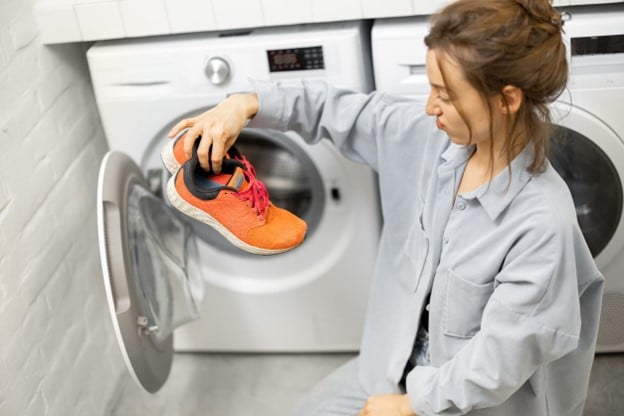
Image Source: www.ahs.com
Grasping the Risks: Why Machine Washing Needs Care
Putting shoes in a washing machine seems simple. You toss them in, add soap, and press start. But shoes are not like clothes. They have different parts made of many materials. These parts can be delicate.
Washing machine damage shoes can happen in a few ways.
* Coming Apart: The glue holding parts together can melt or weaken from hot water or harsh cycles. This can make soles detach or seams unravel.
* Changing Shape: Heat from hot water or a dryer (which you should never use for shoes) can make materials shrink or warp. Your shoes might not fit right anymore.
* Material Damage: Different fabrics and materials used in shoes react differently to water and soap. Some might fade, others might lose their shape, and special coatings (like waterproofing) can be stripped away.
* Noise and Machine Damage: Hard parts of shoes, like the soles, can bang around inside the drum. This can be very loud and potentially damage the machine’s drum or internal workings over time.
* Color Bleeding: Brightly colored shoes can bleed dye, staining other shoes or even the inside of your washing machine.
Knowing these risks helps you understand why using the right method is so important. It’s not just about getting shoes clean; it’s about keeping them wearable and protecting your machine.
Deciding If Your Shoes Can Go In
Not all gym shoes are made for the washing machine. Some materials or types of shoes should always be cleaned by hand.
Shoe Types That Are Usually OK for Machine Washing
- Most running shoes
- Standard trainers with mesh, canvas, or nylon parts
- Everyday athletic shoes
- Fabric-based gym shoes
These shoes often have durable synthetic parts that can handle gentle machine cycles. Washing running shoes machine is common for many runners.
Shoe Types to Keep Out of the Washing Machine
- Shoes made mostly of leather or suede: Water and machine agitation can easily ruin these materials.
- Shoes with delicate parts: Beads, sequins, or other decorations can fall off.
- Shoes with special inserts or technology: Some high-tech shoes might have features that water or agitation can damage.
- Shoes with cardboard or stiffeners that might break down in water.
- Very old or already damaged shoes: Machine washing can make existing problems worse.
If you are unsure, check the shoe’s care label if it has one. If there is no label, or you are still unsure, it’s safer to clean them by hand. Hand cleaning is the Best way to wash shoes if you want to be extra careful or have delicate shoes.
Your Step-by-Step Guide: How to Wash Gym Shoes in Washing Machine
Okay, you’ve checked, and your shoes seem like good candidates for the machine. Here is the detailed process for How to wash gym shoes in washing machine safely and effectively.
Step 1: Get Your Shoes Ready
This is a very important step. Do not just throw dirty shoes into the machine.
Remove Loose Dirt
- Take your shoes outside if possible.
- Knock the soles together to get rid of mud, dirt clumps, and pebbles stuck in the treads.
- Use an old toothbrush or a stiff brush to scrub off any remaining caked-on dirt from the soles and sides. Getting rid of this dirt now helps protect your machine and prevents mud from just swirling around in the wash water.
Take Out Laces and Insoles
- Unlace your shoes completely. Laces can get tangled in the machine or wrap around parts. They also often need extra scrubbing to get clean.
- Remove the insoles if they come out easily. Insoles trap sweat and odor. Washing them separately or hand cleaning them might be better. If you machine wash them, they should be washed with the shoes, but removing them helps them get cleaner and dry faster.
Treat Stains
- Look for any specific spots or stains on the fabric.
- Apply a small amount of stain remover or laundry detergent directly to the stain.
- Gently rub it in with a soft brush (like a toothbrush) or a cloth. Let it sit for about 10-15 minutes before washing. This gives the stain remover time to work.
Step 2: Protect Your Shoes and Machine
This step helps keep your shoes safe and prevents them from banging around too much inside the washing machine drum.
Using a Mesh Bag for Washing Shoes
- Place your prepared shoes inside a large laundry bag or a specially designed Mesh bag for washing shoes. You can often fit both shoes in one bag.
- Make sure the bag is zippered or closed securely.
- Using a mesh bag keeps the shoes together and cushions them slightly. It also stops laces (if you chose to leave them in, though removing them is better) from causing problems.
Add Some Towels
- Put a few old towels (2-4) into the washing machine drum along with the mesh bag of shoes.
- The towels act as a buffer. They help balance the load and reduce the noise and impact of the shoes banging against the drum during the cycle.
- Use old towels, just in case any dirt comes off the shoes during the wash. Dark-colored towels are a good choice.
Step 3: Choose the Right Machine Settings
Picking the wrong settings is a common cause of washing machine damage shoes. You need gentle options.
Temperature Setting
- Always use cold water. Hot water can melt adhesives, warp materials, and cause colors to run. Cold water is effective enough for cleaning most dirt and odor from gym shoes.
Cycle Setting
- Select a Gentle cycle for shoes. This is also called a delicate cycle or hand wash cycle on some machines. These cycles use less agitation and a slower spin speed.
- Avoid heavy-duty or regular cycles, which are too harsh.
- A slow spin speed is important. High-speed spinning can cause shoes to hit the drum walls with more force and potentially damage their structure.
Detergent Choice
- Use a mild laundry detergent.
- Do not use too much detergent. A small amount, about half of what you would use for a regular load of clothes, is usually enough.
- Avoid using bleach, as it can damage materials and cause discoloration.
- You can add a small amount of baking soda to the drum or the detergent compartment to help with odors.
Step 4: Start the Wash
Once everything is ready – shoes in a bag, towels added, settings chosen, detergent in – you can start the machine.
- Double-check that the water temperature is set to cold and the cycle is on delicate or gentle.
- Press the start button.
The process of Washing sneakers in machine is now underway. Stay nearby during the spin cycle if possible. If the banging sounds excessive, you might need to stop the machine and reposition the load.
Drying Your Gym Shoes Safely: The Air Drying Method
Getting your shoes clean is only half the job. How you dry them is just as important, if not more so, for preventing washing machine damage shoes.
Why You MUST Air Dry Gym Shoes
- Never put gym shoes in the dryer. The heat from a clothes dryer is a major culprit for ruining shoes. It can melt glue, shrink materials, warp the shape, and damage cushioning.
- Air drying gym shoes is the only safe way to dry them after washing.
How to Air Dry Your Shoes
Step 1: Remove from Machine and Prepare
- As soon as the wash cycle is finished, take the shoes out of the washing machine. Leaving them in the damp drum can lead to mildew and bad smells.
- Take the shoes out of the mesh bag.
- Open them up as much as possible. Pull the tongue forward.
Step 2: Help Them Dry Inside and Out
- Stuff the inside of each shoe with clean paper towels, newspaper (black ink might transfer, so use sparingly or stick to unprinted paper), or old clean cloths.
- This absorbent material helps soak up water from the inside, speeding up the drying process and helping the shoes keep their shape as they dry.
- Change the stuffing every few hours if it becomes saturated.
Step 3: Find the Right Drying Spot
- Place the shoes in a well-ventilated area.
- A good spot is outdoors on a warm, dry day, but out of direct sunlight (direct sun can fade colors).
- Indoors, place them near a fan, a vent, or in a room with good air circulation.
- You can hang them by their laces (if you re-threaded them loosely for drying) from a line or rack.
- Do not place them directly on a radiator or heater, as direct heat is bad for them.
Step 4: Be Patient
- Air drying gym shoes takes time. Depending on how thick the shoes are and the humidity, it can take 12 hours, 24 hours, or even longer for them to be completely dry inside.
- Make sure they are bone dry before wearing them again. Putting on damp shoes can cause blisters and is a perfect environment for bacteria and odor to grow.
Exploring Other Ways to Clean Athletic Shoes
While machine washing is convenient for some shoes, it is not the only or always the Best way to wash shoes. Sometimes, a different Cleaning athletic shoes method is better.
Hand Washing Shoes
This method is gentler than machine washing and is suitable for delicate shoes, leather/suede parts, or when you only need to clean specific spots.
Steps for Hand Washing:
- Preparation: Remove laces and insoles. Brush off loose dirt.
- Make a Cleaning Solution: Fill a basin or sink with cool or lukewarm water. Add a small amount of mild laundry detergent or dish soap.
- Clean the Outside: Dip a soft brush or cloth into the soapy water. Gently scrub the outside of the shoes, focusing on dirty areas. For tough stains, use a bit more soap and gentle pressure.
- Clean the Soles: Use a stiff brush and soapy water to scrub the rubber soles and treads.
- Clean Laces and Insoles: Wash laces separately in soapy water. Scrub insoles with a brush and soapy water.
- Rinse: Rinse the shoes thoroughly with clean water to remove all soap residue. You can rinse under a running tap or use a clean cloth to wipe them down repeatedly.
- Dry: Stuff the shoes and air dry them completely using the method described earlier.
Spot Cleaning
For small marks or dirt spots, you might not need to wash the whole shoe.
Steps for Spot Cleaning:
- Identify the Spot: Find the dirty area.
- Make a Solution: Mix a tiny amount of mild soap or detergent with water.
- Apply: Dip a clean cloth, sponge, or soft brush into the solution. Make sure it is not too wet.
- Clean the Spot: Gently dab or rub the dirty spot. Work carefully to avoid spreading the dirt or soaking the material too much.
- Rinse (Carefully): Use a separate clean cloth dipped in plain water to wipe away the soap residue from the spot.
- Dry: Let the spot air dry naturally. You can use a fan to speed it up.
Hand washing and spot cleaning give you more control and are often the Best way to wash shoes that are not fully machine washable or only need minor cleaning.
Considering Specific Shoe Types: Washing Running Shoes and Trainers
When considering Washing sneakers in machine, the type of shoe matters. Washing running shoes machine is often okay because they are usually made of synthetic materials like mesh and foam, designed to handle sweat and some moisture. However, very lightweight or minimalist running shoes might be more delicate.
Can trainers go in washing machine? Most standard trainers made from canvas, mesh, or synthetic leather can. Think about everyday athletic shoes you wear to the gym or casually. The same rules apply: gentle cycle, cold water, protective bag, and air dry.
Shoes designed for specific sports like weightlifting (very stiff soles), climbing (special rubber), or certain court sports (specific non-marking soles) might have features or materials that are not machine-friendly. Always consider the specific construction of the shoe.
Weighing the Pros and Cons of Machine Washing
Let’s sum up the good and bad points of using the washing machine for your gym shoes.
Pros:
- Convenience: It requires less manual effort than hand scrubbing.
- Time-Saving: While prep and drying take time, the active washing time is less for you.
- Deep Clean: Can help remove overall dirt and odor from the fabric parts of the shoe.
Cons:
- Risk of Damage: As mentioned, washing machine damage shoes is a real possibility if not done correctly (melting glue, warping, etc.).
- Not Suitable for All Shoes: Many types of shoes cannot be safely machine washed.
- Potential Machine Damage: Hard shoes can be noisy and potentially harm the washing machine over time, especially with frequent washing or high spin speeds.
- Long Drying Time: You still need to air dry, which can take a long time.
- Might Not Remove All Stains: Some tough stains might need pre-treatment or hand scrubbing anyway.
Understanding these points helps you decide if machine washing is the right Cleaning athletic shoes method for your situation and your specific shoes.
Tips for the Best Way to Wash Shoes
Whether you machine wash or hand wash, here are some extra tips for the Best way to wash shoes and keep them clean:
- Clean them regularly: Do not wait until your shoes are extremely dirty or smelly. More frequent, lighter cleaning is better than trying to tackle heavy grime.
- Deal with odor: If odor is the main problem, sometimes just removing and washing the insoles helps a lot. You can also use shoe deodorizers or sprinkle baking soda inside the shoes between washes.
- Use shoe trees or stuff them: Always stuff your shoes with paper or shoe trees when drying or storing them. This helps them keep their shape.
- Clean laces separately: Even if you machine wash the shoes, washing the laces in a small bag or by hand often gets them cleaner.
- Wipe down after each use: A quick wipe with a damp cloth after a workout can prevent dirt from building up.
- Consider shoe material: Always think about what your shoes are made of before deciding on a cleaning method. Leather, suede, delicate fabrics, and specific sports technologies require different care.
Following these tips, along with the steps for How to wash gym shoes in washing machine or hand washing, will help keep your athletic footwear looking and smelling better for longer.
Keeping Your Gym Shoes Fresh Longer: Preventing the Need for Deep Cleans
The less dirt and sweat build up in your shoes, the less often you’ll need intense cleaning like Washing sneakers in machine. Here are some habits to help:
- Wear socks: Always wear socks with your gym shoes. Socks absorb sweat and prevent it from soaking directly into the shoe lining and insole.
- Let them air out: After wearing your shoes, especially after a sweaty workout, take them off and let them air out completely. Do not just shove them in a gym bag or closet. Open them up and let air circulate.
- Alternate shoes: If possible, have a couple of pairs of gym shoes and rotate wearing them. This gives each pair more time to dry out completely between uses.
- Use moisture absorbers: You can buy small pouches or inserts designed to absorb moisture and odor from shoes. Rice in a sock can also work in a pinch.
- Remove insoles: Taking out the insoles after wearing them helps them dry out faster and reduces odor buildup in the shoe itself. You can wash the insoles more frequently by hand.
Simple things like these can significantly reduce how dirty or smelly your shoes get, meaning less work for you when it is time to clean them.
Summarizing the Process: Your Cheat Sheet
Let’s quickly review the key steps for safe Washing sneakers in machine:
- Check: Are your shoes suitable? (No leather, suede, delicate parts)
- Prepare: Remove loose dirt, laces, and insoles. Spot treat stains.
- Protect: Put shoes in a Mesh bag for washing shoes. Add old towels to the machine drum.
- Wash: Use cold water and a Gentle cycle for shoes. Use a small amount of mild detergent.
- Dry: Air drying gym shoes is a must. Stuff shoes to help them dry and keep shape. Never use a dryer.
- Be Patient: Allow shoes to dry completely before wearing.
Following these steps greatly reduces the risk of washing machine damage shoes and helps you achieve a good clean.
Frequently Asked Questions (FAQ)
People often have specific questions about cleaning their gym shoes. Here are some common ones:
h4: Can I wash colored shoes in the washing machine?
Yes, you can wash most colored fabric gym shoes. However, use cold water to reduce the chance of colors bleeding. If you have very brightly colored shoes or are worried, test a small, hidden area with water and soap first, or choose to hand wash them instead.
h4: How often can I wash my gym shoes in the machine?
Machine washing puts some stress on shoes. It is best not to do it too often. Clean them when they are visibly dirty or smelly. For regular cleaning, try brushing off dirt and airing them out. Machine washing maybe every few months or when necessary is usually sufficient for many people.
h4: What kind of detergent should I use?
Use a standard, mild liquid laundry detergent. Avoid powder detergents, which might not dissolve completely and could leave residue. Do not use harsh chemicals, bleach, or fabric softeners.
h4: My shoes have white soles that are still dirty after washing. What can I do?
Machine washing doesn’t always get rubber soles perfectly white. You might need to clean the soles by hand after the wash. You can use a Magic Eraser, a paste of baking soda and water, or a dedicated shoe sole cleaner with a brush to scrub white soles.
h4: Is it better to use a front-load or top-load washing machine?
A front-load machine is generally gentler because it uses a tumbling action. A top-load machine with a central agitator can be harsher on items. If you have a top-load machine, definitely use the gentle cycle and make sure the shoes are well-cushioned with towels to minimize contact with the agitator.
h4: Can I wash other things with my shoes?
Yes, it is recommended to wash shoes with a few old towels. This protects the shoes and the machine. Do not wash shoes with delicate clothing or items that could be snagged or damaged by the shoes. Use towels you do not mind getting potentially dirty or stained.
h4: My shoes still smell after washing. What did I do wrong?
Odor can be stubborn. Make sure you are removing and cleaning the insoles. Sometimes the smell is trapped deep within the shoe materials. Ensure your shoes are drying completely. Incomplete drying is a major cause of lingering odor. You can try adding baking soda to the wash or using a sports wash detergent designed to tackle tough odors. Stuffing the shoes with baking soda overnight after they are dry can also help absorb smells.
Final Thoughts on Cleaning Your Athletic Footwear
Keeping your gym shoes clean helps them last longer and keeps your feet happy and healthy. While Washing sneakers in machine offers a convenient path to a deep clean, it is not a magic bullet and requires careful steps.
By following the guide on How to wash gym shoes in washing machine, protecting your shoes with a Mesh bag for washing shoes, using a Gentle cycle for shoes and cold water, and always practicing safe Air drying gym shoes, you can successfully machine wash many types of athletic shoes.
Remember to assess your specific shoes first – Can trainers go in washing machine? Are they suitable for Washing running shoes machine? – and choose the Cleaning athletic shoes method that is best for their material and construction. Sometimes, hand washing is simply the Best way to wash shoes for delicate or valuable pairs. With the right approach, you can keep your gym shoes fresh and ready for your next activity.