Yes, exercise can significantly lower your blood pressure. If you have high blood pressure, also called hypertension, regular physical activity is one of the best lifestyle changes you can make to help manage it. Moving your body helps your heart work better and keeps your blood vessels healthy.
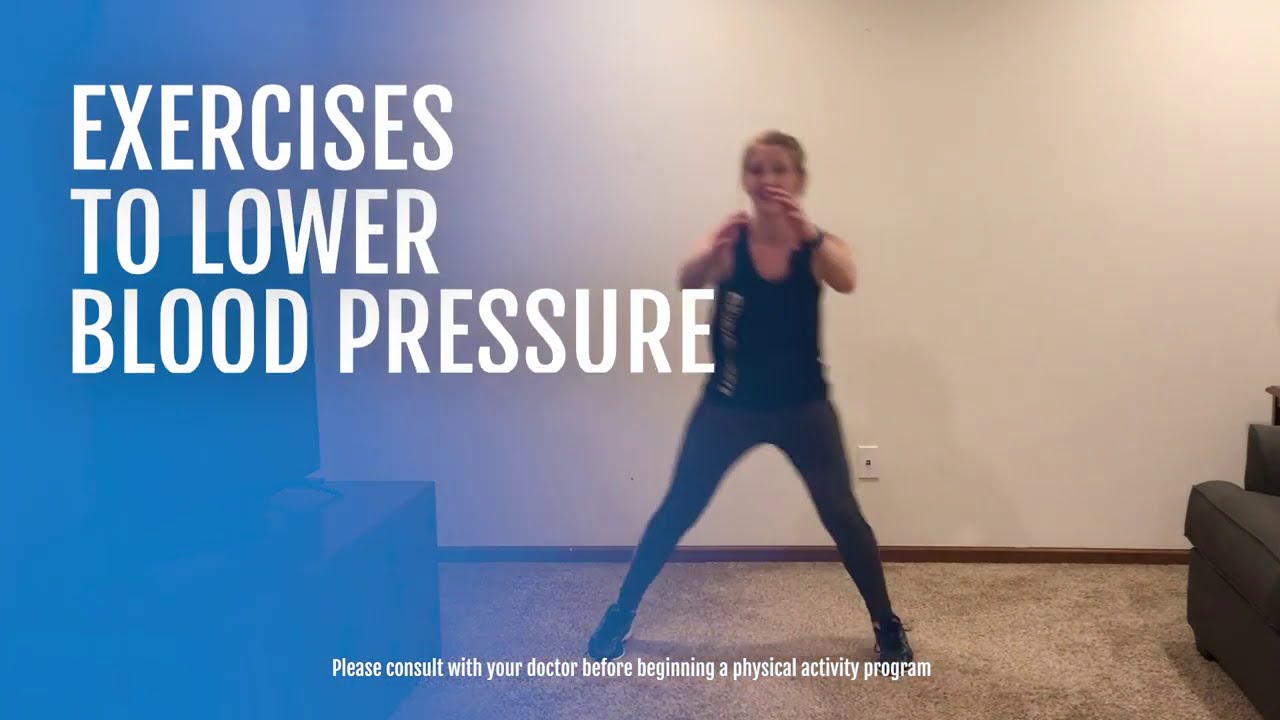
Image Source: i.ytimg.com
Knowing About High Blood Pressure
High blood pressure, or hypertension, is a common health problem. It means the force of your blood pushing against the walls of your arteries is too high. Think of it like too much pressure in a water hose.
Over time, this high pressure can hurt your blood vessels and your heart. It raises your risk for serious issues. These include heart attack, stroke, and kidney problems. Many people have high blood pressure and don’t know it. This is why doctors call it a “silent killer.”
Good blood pressure management is key to staying healthy. It often involves several things. Doctors might suggest medicine. But lifestyle changes are also very important. These changes include eating healthy food, keeping a healthy weight, not smoking, and managing stress. And a big one is getting enough physical activity blood pressure friendly.
How Physical Activity Helps Lower Blood Pressure
Physical activity blood pressure goes down over time. When you exercise, your heart beats faster and stronger. It pumps more blood. This might make your blood pressure go up a little bit while you are exercising. This is normal.
But after you finish exercising, your blood pressure often drops below what it was before you started. This effect can last for many hours.
Doing this often makes your blood pressure lower all the time, even when you are resting. How does exercise do this?
Making Your Heart Stronger
Exercise is like a workout for your heart muscle. A stronger heart can pump more blood with less effort. If your heart works less hard to pump blood, the force on your arteries goes down. This lowers your blood pressure.
Helping Your Blood Vessels
Exercise helps your arteries become more flexible and wider. This makes it easier for blood to flow through them. When blood flows easily, the pressure in the arteries goes down. Regular movement helps keep your blood vessels healthy and less stiff as you get older.
Weighing Less Can Help
Being overweight can raise your blood pressure. Exercise helps you burn calories. When you exercise and eat healthy food, you can lose weight. Losing even a small amount of weight can make a big difference in your blood pressure numbers.
Stress Relief
Stress can cause your blood pressure to go up for a short time. Feeling stressed often can lead to high blood pressure over time. Exercise is a great way to reduce stress. When you exercise, your body releases chemicals that can improve your mood and help you feel more relaxed. This can help keep your blood pressure lower.
Keeping Blood Sugar in Check
Exercise helps your body use insulin better. Insulin is a hormone that helps control your blood sugar. Having diabetes or high blood sugar can raise your risk of high blood pressure. By helping control blood sugar, exercise also helps manage blood pressure.
Different Ways to Exercise for Blood Pressure
Many types of exercise can help lower high blood pressure. The best types often make your heart and lungs work harder. This is called aerobic exercise. But other types, like strength training, are also good for your body and can help.
Aerobic Exercise
Aerobic exercise is any activity that gets your heart pumping and uses large muscle groups over a long time. It is sometimes called cardio. This is often the first type of exercise doctors suggest for lowering blood pressure.
How aerobic exercise helps:
- Makes your heart stronger.
- Improves how your body uses oxygen.
- Helps blood vessels relax.
- Can help with weight loss.
Examples of aerobic exercise:
- Walking fast
- Jogging or running
- Cycling (on a bike outside or a stationary bike)
- Swimming
- Dancing
- Using an elliptical machine or stair climber
- Hiking
- Playing sports like basketball or tennis
Doing aerobic exercise regularly is a key part of exercise for high blood pressure.
Strength Training Blood Pressure
Strength training, also called resistance training, builds muscle strength. This involves using weights, resistance bands, or your own body weight to work your muscles.
Years ago, some people thought strength training might be bad for blood pressure because blood pressure goes up during heavy lifting. But studies show that regular strength training is safe and good for people with high blood pressure. It is an important part of overall fitness.
How strength training helps:
- Builds muscle mass. More muscle helps your body burn calories better, even at rest.
- Can help with weight management.
- Improves bone strength.
- Can slightly lower blood pressure over time, especially when done along with aerobic exercise.
- Helps improve overall body function for daily tasks.
Examples of strength training:
- Lifting free weights (dumbbells, barbells)
- Using weight machines
- Using resistance bands
- Bodyweight exercises (push-ups, squats, lunges, planks)
- Heavy gardening
When doing strength training blood pressure, it is important not to hold your breath. Breathe out as you lift or push and breathe in as you lower the weight. Holding your breath can cause a sudden, big jump in blood pressure. Start with lighter weights and learn the right way to do the moves.
Flexibility and Stretching
Activities like stretching, yoga, and tai chi may not lower blood pressure as much as aerobic exercise or strength training. But they are still important for overall health.
How they help:
- Improve flexibility and balance.
- Reduce stiffness in joints and muscles.
- Help with stress reduction, which can indirectly help blood pressure.
These activities should be part of a full exercise plan, but they should not replace aerobic or strength training for lowering blood pressure.
How Much Exercise Do You Need? Exercise Recommendations Blood Pressure
Doctors and health groups give guidelines on how much exercise is good for health, including for high blood pressure. These exercise recommendations blood pressure often talk about:
- How often you should exercise (frequency).
- How hard you should exercise (intensity).
- How long each time you exercise (duration).
- What types of exercise to do.
General recommendations for most adults, including those with high blood pressure:
- Aerobic Exercise: Aim for at least 150 minutes of moderate-intensity aerobic exercise per week, or 75 minutes of vigorous-intensity exercise per week. You can do a mix of both.
- Moderate-intensity: You can talk, but you can’t sing. Your heart is beating faster, and you are breathing harder than normal. Examples: Brisk walking, casual biking, water aerobics, dancing.
- Vigorous-intensity: You can only say a few words at a time. Your heart is beating much faster, and you are breathing much harder. Examples: Jogging, running, fast cycling, swimming laps.
- Strength Training: Do muscle-strengthening activities that work all major muscle groups at least two days per week. This includes legs, hips, back, belly, chest, shoulders, and arms.
- Flexibility: Do flexibility and stretching exercises at least 2-3 days per week. Hold stretches for 10-30 seconds.
You don’t have to do all your exercise at once. You can spread it out during the week. For example, 30 minutes of brisk walking five days a week meets the 150-minute goal. Or you could do 15 minutes of vigorous activity like jogging five days a week for the 75-minute goal. Even short bursts of activity, like 10 minutes at a time, can add up and be good for you.
Starting Small is Okay
If you are not active now, do not try to do too much too fast. Start small and slowly do more over time. Even 10-15 minutes of brisk walking a few times a week is a good start.
Listen to your body. If something hurts, stop. It’s a good idea to talk to your doctor before starting a new exercise plan, especially if you have high blood pressure or other health issues. Your doctor can help you find a safe way to exercise.
Making Exercise a Regular Part of Your Life: Lifestyle Changes High Blood Pressure
Exercise works best to lower blood pressure when you do it often and make it a habit. It is a key part of lifestyle changes high blood pressure requires. Here are some tips to help you stick with it:
- Find something you enjoy: You are more likely to keep exercising if you like what you are doing. Try different things until you find one that is fun for you.
- Set goals: Start with small, easy goals. For example, “I will walk for 15 minutes three times this week.” When you reach that goal, set a new one.
- Make a plan: Decide when, where, and how you will exercise. Write it down in a planner or on your phone. Treat it like any other important meeting.
- Find a buddy: Exercise with a friend, family member, or coworker. It can make it more fun and help you both stay on track.
- Track your progress: Keep a log of what you do, how long, and how you felt. This can help you see how far you’ve come.
- Use technology: Fitness trackers, smartwatches, or phone apps can help you count steps, track workouts, and set reminders.
- Make it easy: Have your exercise clothes ready. Choose a time of day that works best for you. Pick a place that is convenient.
- Don’t get discouraged: Some days you might not feel like exercising. That’s okay. Just try to get back to your plan the next day. Missing one day won’t ruin your progress.
- Celebrate your wins: When you meet a goal, give yourself a small reward. This helps you feel good about your efforts.
- Think long term: Exercise is not a quick fix. It is a part of a healthy life that helps your blood pressure and your whole body feel better over time.
Making exercise a part of your daily or weekly routine is a big step in blood pressure management. It shows you are taking active steps to improve your health.
Heart Health Exercise Benefits Beyond Blood Pressure
While lowering blood pressure is a major plus, exercise does so much more for your body and mind. These are important heart health exercise benefits and overall benefits:
- Better cholesterol levels: Exercise can help raise your “good” cholesterol (HDL) and lower your “bad” cholesterol (LDL) and triglycerides. This is good for your heart and blood vessels.
- Lower blood sugar: Exercise helps your body use insulin better, which is great for preventing or managing type 2 diabetes.
- Healthier weight: Exercise helps you manage your weight by burning calories and building muscle.
- Stronger muscles and bones: This helps you do daily activities more easily and lowers your risk of falls.
- More energy: Regular physical activity can make you feel less tired and have more energy throughout the day.
- Better mood: Exercise helps your body make chemicals that can make you feel happier and less stressed. It can help with feelings of sadness and worry.
- Better sleep: Getting enough exercise can help you fall asleep faster and sleep more deeply.
- Reduced risk of other diseases: Exercise can lower your risk of heart disease, stroke, type 2 diabetes, some types of cancer, and joint problems.
- Improved brain function: Exercise can help with thinking, learning, and memory.
All these heart health exercise benefits work together to help you live a longer, healthier life. Regular physical activity blood pressure positive effects are just one piece of the larger picture of health benefits.
Important Things to Know Before You Start Exercise for High Blood Pressure
Before starting exercise for high blood pressure, especially if you haven’t been active, talk to your doctor. This is very important.
Your doctor can:
- Check your current blood pressure and overall health.
- Help you find the right type and amount of exercise that is safe for you.
- Tell you if there are any types of exercise you should avoid based on your health.
- Give advice on managing blood pressure during exercise, especially if you are on medication.
Things to watch out for when exercising with high blood pressure:
- Warm-up: Always start with 5-10 minutes of light activity (like slow walking) to get your body ready.
- Cool-down: End your workout with 5-10 minutes of slower activity and stretching to help your heart rate and blood pressure return to normal slowly.
- Avoid sudden stops: Don’t stop exercising very suddenly, especially after intense activity. Slow down gradually.
- Stay hydrated: Drink water before, during, and after exercise.
- Avoid extreme temperatures: Don’t exercise outside when it’s very hot, cold, or humid, as this can affect blood pressure.
- Listen to your body: If you feel dizzy, lightheaded, chest pain, or have trouble breathing, stop exercising right away and rest. If symptoms do not go away, get medical help.
Remember that exercise is part of a total plan for blood pressure management. It works best when combined with healthy eating, managing stress, and taking medicines if your doctor says you need them.
Putting It All Together: Exercise and Blood Pressure Management
Living a healthy life with high blood pressure means making choices each day that support your health. Exercise is one of the most powerful tools you have.
Starting an exercise routine can feel hard at first. But remember why you are doing it: to lower your high blood pressure, protect your heart, and feel better overall.
Aim for regular physical activity blood pressure goals by mixing aerobic exercise and strength training blood pressure support. Follow the general exercise recommendations blood pressure guidelines. Find activities you like. Start slowly and build up over time.
Exercise for high blood pressure is not just about numbers on a blood pressure cuff. It’s about having more energy, less stress, and feeling stronger. It’s about taking charge of your health.
By making exercise a habit, you are making a major positive change in your lifestyle changes high blood pressure requires. You are giving yourself the gift of better heart health exercise benefits and a better quality of life.
Work with your doctor to create a safe and effective exercise plan that fits your needs. Be patient with yourself. Every step counts. Every workout helps. Your heart and your blood pressure will thank you.
Frequently Asked Questions About Exercise and Blood Pressure
h4>Can I exercise every day if I have high blood pressure?
Yes, most people with high blood pressure can exercise every day. In fact, doing moderate aerobic exercise most days of the week is often recommended. It is important to listen to your body and allow for rest days or switch between different types of activity to prevent burnout or injury. Strength training should typically be done 2-3 days a week, not usually on back-to-back days, to allow muscles to recover. Always talk to your doctor about what is right for you.
h4>Does walking lower blood pressure?
Yes, absolutely. Brisk walking is a great form of aerobic exercise and is very effective at lowering blood pressure. It is easy to start, requires no special equipment other than good shoes, and you can do it almost anywhere. Aim for at least 150 minutes of brisk walking per week.
h4>How quickly can exercise lower blood pressure?
Some people see a drop in blood pressure after just one workout. This temporary drop can last for hours. With regular exercise, you may start to see a lasting reduction in your blood pressure numbers within a few weeks or months. It takes time for your heart and blood vessels to get fitter. Be patient and consistent.
h4>Is strength training safe if I have high blood pressure?
Yes, strength training blood pressure is generally safe and recommended for people with high blood pressure when done correctly. It is important to use proper form, avoid lifting extremely heavy weights, and most importantly, breathe properly. Do not hold your breath during lifts. Holding your breath can cause a dangerous spike in blood pressure. Start with lighter weights and focus on controlled movements. Talk to your doctor before starting strength training.
h4>What is the best exercise for high blood pressure?
Aerobic exercise is often considered the best type for lowering blood pressure directly. This includes activities like walking, jogging, cycling, and swimming. However, the best exercise is the one you will actually do regularly. Combining aerobic exercise with strength training provides the most benefits for overall health, including blood pressure management.
h4>Can exercise make my blood pressure too low?
For most people with high blood pressure, exercise helps bring their numbers down towards a healthy range. It is rare for exercise to make blood pressure drop too low, especially if you start slowly and listen to your body. However, if you are taking blood pressure medication, exercise might increase the effect of the medicine. If you feel dizzy, lightheaded, or unwell during or after exercise, talk to your doctor. Your medication might need to be adjusted.
h4>Do I need to track my blood pressure before and after exercise?
Tracking your blood pressure at home is a good way to see how your lifestyle changes, like exercise, are affecting your numbers over time. You don’t need to check it right before and after every single workout. Checking it at the same time each day (like in the morning before medication or food) gives you a better idea of your resting blood pressure trends. If you are just starting exercise or have concerns, your doctor might ask you to monitor it more closely for a while.
h4>How does exercise fit into overall blood pressure management?
Exercise is a key part of blood pressure management. It is one of several lifestyle changes high blood pressure requires, alongside eating a healthy diet, maintaining a healthy weight, reducing salt intake, managing stress, limiting alcohol, and not smoking. For many people, exercise and these other changes can help lower blood pressure enough to avoid medication or reduce the amount of medicine needed. For others, exercise helps their medication work better. It is a vital part of a total health plan.
h4>Are there any exercises to avoid with high blood pressure?
Certain activities that cause sudden, intense strain or pressure might be less ideal for some people with high blood pressure, especially if their blood pressure is not well-controlled. Examples include very heavy weightlifting (if done improperly or by holding breath), competitive powerlifting, or sudden bursts of very high-intensity exercise without proper training. Deep-sea diving can also be risky. Always talk to your doctor about specific activities, especially if you have very high blood pressure or other health conditions.
h4>How important is consistency with exercise for blood pressure?
Consistency is very important. Doing exercise regularly provides lasting benefits for your blood pressure. Sporadic exercise might offer some temporary effects but will not give you the long-term reduction needed to manage hypertension effectively. Make exercise a regular habit, just like brushing your teeth or eating meals.