Yes, you can exercise after eating, but the timing and intensity are crucial. Exercising too soon after a meal, especially a large one, can lead to discomfort and hinder your workout performance.
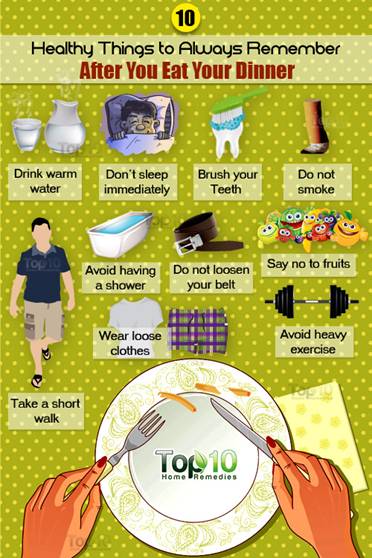
Image Source: www.ekachaihospital.com
Rethinking Your Post-Meal Workout Routine
Many of us have been told to wait a certain amount of time after eating before hitting the gym or going for a run. But is this universally true? The truth about exercise after food is nuanced. It’s not a simple yes or no answer; rather, it depends on several factors, including what you ate, how much you ate, and the type of physical activity after meals you plan to do. This guide will help you navigate the complexities of post-meal exercise and find the optimal timing for your body.
The Science of Digestion and Exercise
When you eat, your body diverts blood flow to your digestive system to break down and absorb nutrients. Simultaneously, exercise requires increased blood flow to your muscles. This creates a potential conflict. If you engage in strenuous activity too soon after eating, your body may struggle to supply adequate blood flow to both your digestive system and your working muscles. This can result in digesting food while exercising becoming a less efficient process and can lead to several unpleasant outcomes.
Why Timing Matters: A Closer Look
The primary concern with exercising too soon after eating is stomach discomfort after exercise. This can manifest as bloating, cramps, nausea, or even vomiting. This happens because your stomach is still working to digest the food, and the jostling motion of exercise can disrupt this process.
- Blood Flow Competition: Your digestive system needs blood to function. Your muscles need blood for oxygen and energy during exercise. If you ask both to work at full capacity simultaneously, one or both systems may suffer.
- Energy Availability: While your body is busy digesting, it’s also trying to supply energy to your muscles. This can make you feel sluggish and less effective in your workout after eating.
- Reflux and Heartburn: Lying down or performing certain movements after a meal can encourage stomach acid to flow back up into the esophagus, causing heartburn.
Factors Influencing Your Post-Meal Exercise Decision
Deciding when to exercise after eating isn’t a one-size-fits-all scenario. Several key factors come into play, dictating the ideal waiting period and the type of activity you can comfortably undertake.
What You Ate: The Macronutrient Breakdown
The type and composition of your meal significantly impact how quickly you can exercise.
Carbohydrates: The Quick Fuel
- Simple Carbohydrates (Sugars): These are digested rapidly and can provide a quick energy boost. Think fruits, honey, or sugary drinks.
- Complex Carbohydrates (Starches): These take longer to digest, releasing energy more gradually. Examples include whole grains, vegetables, and legumes.
Table 1: Carbohydrate Digestion Time
| Meal Type | Primary Macronutrient | Estimated Digestion Time | Suitability for Post-Meal Exercise |
|---|---|---|---|
| Small Fruit Snack | Simple Carbs | 30-60 minutes | Light to Moderate |
| Oatmeal with Fruit | Complex Carbs + Simple | 1-2 hours | Light to Moderate |
| Pasta Meal | Complex Carbs | 2-4 hours | Light to Moderate |
Protein: The Slow Burn
Protein takes longer to digest than carbohydrates. While essential for muscle repair and growth, consuming a protein-heavy meal immediately before exercise can slow down digestion and potentially cause discomfort.
Fats: The Slowest Digester
Fats are the most challenging macronutrient for your body to break down. High-fat meals can sit in your stomach for an extended period, making them the least ideal choice before a workout.
How Much You Ate: Portion Size Matters
A small snack will require less digestion time than a large, multi-course meal. The larger the meal, the longer your body will need to process it.
- Small Snack: Typically 1-2 hours before exercise.
- Medium Meal: Typically 2-3 hours before exercise.
- Large Meal: Typically 3-4 hours or more before exercise.
The Intensity of Your Workout
The type of exercise you plan to do is a critical determinant of when you can exercise after eating.
Light Exercise After Eating
Activities like a leisurely walk, gentle yoga, or stretching typically don’t demand as much blood flow to the muscles. Therefore, you can often engage in light exercise after eating much sooner, even within 30-60 minutes of a small snack. This can actually aid digestion for some individuals.
Moderate Exercise After Meals
Moderate activities, such as brisk walking, cycling at a moderate pace, or light jogging, require more blood flow. Waiting 1-2 hours after a small to medium meal is generally advisable.
Strenuous Activity After Meals
High-intensity interval training (HIIT), heavy weightlifting, or long-distance running demand significant blood flow to your muscles. For strenuous activity after meals, it’s best to allow at least 2-3 hours for digestion, especially after a substantial meal. This allows your body to efficiently fuel your muscles without competing with the digestive process.
Individual Tolerance and Metabolism
Everyone’s digestive system is unique. Some people have faster metabolisms and can tolerate eating closer to exercise than others. Pay attention to your body’s signals.
Recommended Waiting Times: A Practical Guide
To avoid the common pitfalls of stomach discomfort after exercise, let’s establish some practical guidelines for exercise timing digestion.
Post-Snack Exercise
If you’ve had a small, easily digestible snack (e.g., a piece of fruit, a handful of crackers), you might be able to start physical activity after meals as little as 30-60 minutes later. This is especially true if the activity is light.
Post-Light Meal Exercise
For a light meal, consisting primarily of carbohydrates and some protein (e.g., yogurt with berries, a small sandwich), waiting 1-2 hours is a good rule of thumb.
Post-Moderate Meal Exercise
After a moderate meal with a balanced mix of macronutrients, a waiting period of 2-3 hours is typically recommended before engaging in moderate to vigorous exercise.
Post-Heavy Meal Exercise
If you’ve consumed a large meal, particularly one that is high in fat or fiber, allow at least 3-4 hours, and potentially longer, before attempting any significant workout after eating.
Table 2: General Post-Meal Exercise Timing Guidelines
| Meal Size | Meal Composition | Recommended Wait Time Before Light Exercise | Recommended Wait Time Before Moderate/Strenuous Exercise |
|---|---|---|---|
| Small Snack | Fruit, small handful of nuts, crackers | 30-60 minutes | 1-1.5 hours |
| Light Meal | Yogurt with fruit, small sandwich, oatmeal | 1-1.5 hours | 1.5-2.5 hours |
| Moderate Meal | Chicken breast with rice and vegetables | 2-3 hours | 2.5-3.5 hours |
| Large Meal | Steak with potatoes and creamy sauce, pasta Alfredo | 3-4 hours | 3.5-4.5+ hours |
Important Note: These are general guidelines. Listen to your body! If you feel full or uncomfortable, wait longer.
What to Eat Before Exercising (If You Must Eat)
If you’re feeling hungry close to your workout time, opt for something that digests quickly and provides readily available energy.
Best Pre-Workout Snacks
- Banana: Rich in carbohydrates and potassium, easy to digest.
- Rice Cakes: Simple carbohydrates, low in fiber.
- Toast with Jam: Quick-release energy from simple carbs.
- Small Bowl of Cereal (low fiber): Choose options like cornflakes or puffed rice.
- Fruit Smoothie (with low-fat yogurt or water base): Avoid heavy, creamy bases.
Foods to Avoid Before Exercising
- High-Fat Foods: Fried foods, creamy sauces, fatty meats.
- High-Fiber Foods: Large amounts of raw vegetables, beans, or whole grains if you’re sensitive.
- Spicy Foods: Can trigger indigestion and heartburn.
- Large Portions of Anything: Simply overwhelming the digestive system.
Exercising on an Empty Stomach: The Fasted State
Many people choose to exercise in a fasted state, particularly in the morning. This means exercising before eating anything.
Pros of Fasted Exercise
- Potential for Fat Burning: Some studies suggest that exercising in a fasted state may encourage your body to tap into fat stores for energy.
- Time Efficiency: For early risers, it’s a convenient way to get a workout in before the day’s demands begin.
- Personal Preference: Some individuals simply feel more energetic and less weighed down when exercising on an empty stomach.
Cons of Fasted Exercise
- Reduced Performance: For longer or more intense workouts, you might lack the energy needed to perform at your best.
- Muscle Breakdown: If your body doesn’t have readily available glucose, it might break down muscle tissue for energy.
- Dizziness or Lightheadedness: Some individuals can experience these symptoms due to low blood sugar.
Fasted exercise is generally best suited for lighter to moderate intensity activities. If you plan a high-intensity session or a long endurance event, fueling beforehand is usually recommended.
Listen to Your Body: The Ultimate Guide
Ultimately, the most accurate advice comes from your own body. Paying attention to how you feel is key to successful post-meal exercise.
Signs You’ve Eaten Too Soon
- Bloating: A feeling of fullness and pressure in your stomach.
- Nausea: Feeling sick to your stomach.
- Cramping: Sharp pains in your abdominal area.
- Heartburn: A burning sensation in your chest.
- Sluggishness: Feeling unusually tired or heavy.
If you experience any of these symptoms, it’s a clear signal that you need to adjust your exercise timing digestion. You may have eaten too close to your workout, or the meal might have been too heavy.
What to Do if You Feel Discomfort
If you start exercising and feel uncomfortable, it’s best to:
- Slow Down: Reduce the intensity of your activity.
- Switch to a Lighter Activity: If you were running, try walking. If you were lifting weights vigorously, try lighter resistance or bodyweight exercises.
- Stop if Necessary: If the discomfort is severe, stop exercising altogether and focus on recovery.
- Hydrate: Sip water, but avoid drinking large amounts at once.
The Benefits of Smart Post-Meal Exercise
When timed correctly, exercise after food can offer several advantages.
Improved Energy Levels
A small, easily digestible snack before exercise can provide the fuel needed for a more energetic and productive workout after eating.
Enhanced Muscle Glycogen Stores
Carbohydrates consumed before exercise are stored as glycogen in your muscles. This is your primary fuel source for endurance and high-intensity activities.
Better Blood Sugar Control
Physical activity after meals can help your body utilize glucose more efficiently, contributing to better blood sugar management.
Frequently Asked Questions (FAQ)
Can I exercise immediately after eating?
Generally, it’s not recommended to engage in strenuous physical activity after meals immediately after eating. It’s best to wait at least 30 minutes to a few hours, depending on the meal size and type, and the intensity of your planned workout.
What is the best time to exercise after eating?
The best time to exercise after eating varies. For small snacks, 30-60 minutes might suffice for light activity. For moderate meals and more intense workouts, wait 2-3 hours. For large meals, 3-4 hours or more is advisable.
Will exercising after eating hurt my digestion?
Exercising too soon after a meal, especially a large one or a high-fat meal, can lead to stomach discomfort after exercise, including cramps, bloating, and nausea, as your body tries to divert blood flow to muscles instead of digestion.
Is it okay to do light exercise after eating?
Yes, light exercise after eating, such as a leisurely walk, can actually aid digestion for some people and is generally well-tolerated shortly after a meal (e.g., within 30-60 minutes).
What if I feel hungry before my workout?
If you feel hungry, choose a small, easily digestible snack about 30-60 minutes before your workout. Examples include a banana, a rice cake, or a small handful of crackers.
Should I avoid exercise after a big meal?
Yes, it is generally recommended to avoid strenuous strenuous activity after meals, especially large ones, to prevent digestive upset and ensure you have adequate energy for your workout. Wait a few hours for digestion to complete.
Does exercise timing digestion really matter?
Yes, exercise timing digestion is important to prevent discomfort, optimize energy availability, and ensure your body can efficiently process both food and physical exertion.
By carefully considering your meal composition, portion size, and the intensity of your planned activity, you can effectively incorporate exercise into your day without the unpleasantness of stomach discomfort after exercise. Always prioritize listening to your body’s cues for the most personalized and effective approach to workout after eating.