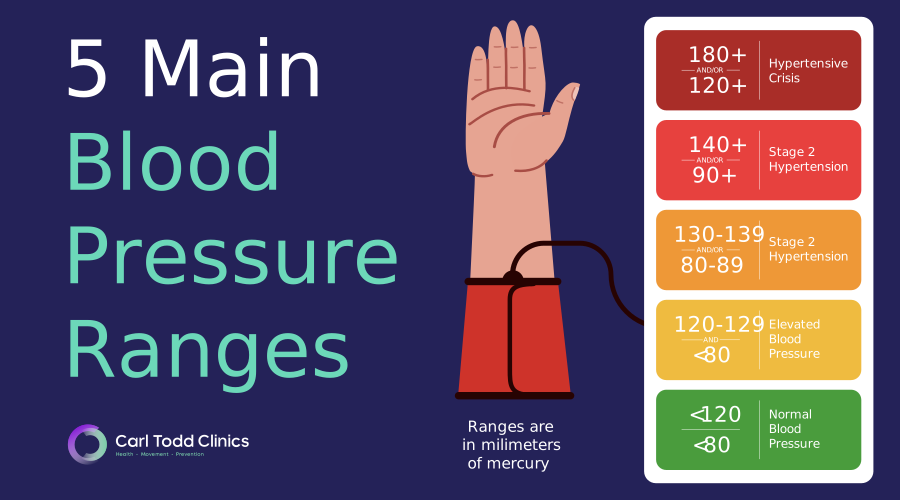
Image Source: thecarltoddclinic.com
Science Behind How Does Exercise Lower Blood Pressure
How does exercise lower blood pressure? Exercise helps lower blood pressure mostly by making your heart stronger and your blood vessels work better. When you exercise, your heart pumps blood using less effort, and your blood vessels become more flexible and open up, allowing blood to flow more easily. This reduces the pressure on your blood vessel walls, bringing your blood pressure down over time.
Blood pressure is the force of blood pushing against the walls of your arteries. Arteries are the big blood vessels that carry blood from your heart to the rest of your body. Your blood pressure goes up and down during the day. It goes up when you are active or stressed. It goes down when you are resting or sleeping.
Having blood pressure that stays high all the time is called high blood pressure, or hypertension. Hypertension can hurt your blood vessels and heart. It can lead to serious problems like heart attack, stroke, and kidney disease. Many things can cause high blood pressure, like what you eat, how much you weigh, if you smoke, and if it runs in your family.
Doctors often tell people with high blood pressure to make changes in their life. One of the most important changes is getting more exercise. Regular exercise is a key part of hypertension exercise treatment. It can make a big difference in lowering blood pressure and improving overall health.
Deciphering the Body’s Response to Physical Activity
When you start to exercise, like going for a brisk walk or jogging, your muscles need more oxygen. To get this oxygen, your heart has to pump faster and harder. This makes your heart rate during exercise go up. Your body also makes your blood vessels in your muscles open wider. This helps more blood get to the working muscles.
Right away, your blood pressure might go up a little bit while you are exercising. This is normal. But after you finish exercising, something interesting happens. Your blood pressure often drops below what it was before you started. This effect can last for several hours. If you exercise regularly, this dip in blood pressure after each session can lead to a lasting drop in your overall blood pressure numbers.
Primary Mechanisms for Lowering Blood Pressure
So, how does moving your body regularly lead to lower blood pressure over time? It works through several important ways. These ways improve your cardiovascular health exercise helps your heart and blood vessels work better together.
- Making the Heart Stronger: Your heart is a muscle. Just like other muscles, it gets stronger with exercise. A stronger heart can pump more blood with each beat. This means your heart does not have to beat as fast or work as hard to get blood to your body when you are resting. This reduced workload on the heart helps lower your blood pressure.
- Improving Blood Vessel Function: Exercise is very good for your blood vessels. It helps them stay flexible and healthy. Stiff blood vessels make the heart work harder to push blood through. When blood vessels are flexible, blood flows more easily, which lowers pressure. This improved blood vessel function exercise brings is vital.
- Helping Blood Flow Smoothly: Regular exercise boosts improved circulation exercise helps blood flow better all through your body. Good circulation means blood can reach all your organs and tissues easily. This reduces resistance in the blood vessels, which in turn lowers blood pressure.
The Role of Nitric Oxide
One of the key reasons exercise improves blood vessel function is its effect on a special molecule called nitric oxide. Nitric oxide is a gas made by the cells lining your blood vessels. These cells make up what is called the endothelium. Exercise boosts nitric oxide production exercise helps the body make more of this helpful molecule.
Nitric oxide tells the muscles in the walls of your blood vessels to relax. When these muscles relax, the blood vessels get wider, or dilate. Think of it like widening a hose – the water flows more easily and with less pressure. This widening of blood vessels due to nitric oxide helps lower blood pressure.
- Endothelium Health Exercise Boosts: The endothelium is the inner lining of all your blood vessels. It is a very active layer that does many jobs, like controlling how blood vessels widen or narrow and preventing blood clots. Exercise keeps this lining healthy. Good endothelium health exercise supports means the blood vessels can make enough nitric oxide and respond properly to signals that help them relax and widen. Poor endothelium health is often seen in people with high blood pressure and other heart problems.
Specific Benefits of Aerobic Exercise
When doctors talk about exercise for blood pressure, they often talk about aerobic exercise. Aerobic exercise is activity that makes your heart beat faster and makes you breathe harder for a sustained time. Examples include walking, jogging, swimming, cycling, and dancing.
The benefits of aerobic exercise are many, especially for people with high blood pressure. Aerobic exercise benefits include:
- Lowering resting blood pressure: Over time, regular aerobic exercise makes your blood pressure lower even when you are not exercising.
- Making the heart and lungs stronger: This improves how your body uses oxygen.
- Helping you lose weight or keep a healthy weight: Carrying extra weight can raise blood pressure.
- Reducing stress: Stress reduction blood pressure benefits are significant. Exercise helps manage stress, which can lead to lower blood pressure.
- Improving cholesterol levels: This helps keep blood vessels healthy.
- Helping control blood sugar: This is important because diabetes can also affect blood vessel health and blood pressure.
Aerobic exercise is a powerful part of hypertension exercise treatment. It tackles several risk factors for heart disease at once.
Exercise’s Impact on Blood Vessels
Let’s look a bit closer at how exercise changes your blood vessels. When you exercise regularly, several things happen that improve your blood vessel function exercise provides:
- Increased Flexibility: Your arteries become more stretchy and less stiff. This makes it easier for them to expand when blood flows through them.
- New Blood Vessel Growth: In your muscles, exercise can help grow tiny new blood vessels called capillaries. This means blood can reach more areas easily, further improving circulation.
- Reduced Inflammation: Exercise can help lower inflammation in the body, including in the blood vessels. Inflammation can damage the endothelium and make blood vessels stiff.
- Less Plaque Buildup: While exercise isn’t a magic bullet for completely clearing blockages, it can help slow down the process of plaque building up in your arteries. This plaque can narrow vessels and raise blood pressure.
All these changes work together to make your blood highway system smoother and more efficient. This is a direct way improved circulation exercise helps lower pressure.
Grasping How Intensity Matters
How hard you exercise matters. Moderate intensity exercise is usually recommended for lowering blood pressure. This means you are working hard enough that your heart rate during exercise goes up, you are breathing harder than normal, but you can still talk in short sentences.
- Moderate Intensity: You feel warm, breathe faster, but can still chat a little. Examples: Brisk walking, easy cycling on flat ground, gardening.
- Vigorous Intensity: You are breathing hard and fast, your heart rate is high, and talking is hard or impossible. Examples: Running, swimming laps, cycling uphill.
Even light activity is better than none, but moderate to vigorous exercise seems to have the biggest impact on blood pressure over time. Starting slow and building up is important, especially if you have high blood pressure or other health issues. Talk to your doctor before starting a new exercise plan.
The Link Between Stress Reduction and Blood Pressure
Stress is a known factor that can raise blood pressure. When you are stressed, your body releases hormones that make your heart beat faster and your blood vessels narrow. This causes a temporary rise in blood pressure. If you are often stressed, this can lead to consistently high blood pressure.
Exercise is a fantastic stress reliever. It helps your body handle stress better. When you exercise, your body releases feel-good chemicals called endorphins. These can improve your mood and reduce feelings of stress and anxiety. This stress reduction blood pressure link shows another important way exercise helps. By helping you manage stress, exercise indirectly helps keep your blood pressure down.
Walking: A Simple Yet Powerful Tool
Walking is one of the easiest and most accessible forms of aerobic exercise. And yes, walking lower blood pressure is a proven fact. Regular brisk walking can significantly lower your blood pressure, especially if you do it consistently.
- Accessibility: You can walk almost anywhere, you don’t need special equipment (just good shoes), and it’s free.
- Impact: Brisk walking gets your heart rate up and counts as moderate intensity exercise.
- Consistency: Because it’s easy, it’s easier to make walking a regular habit.
Aim for at least 30 minutes of brisk walking on most days of the week. This simple activity is a very effective part of hypertension exercise treatment.
Planning Your Exercise Routine
Starting an exercise routine can feel like a big step. But it does not have to be. The most important thing is to start and stick with it. Here are some tips:
- Start Slowly: If you haven’t exercised in a while, start with short sessions, maybe 10-15 minutes at a time. Gradually increase the time and how often you exercise.
- Be Consistent: Try to exercise most days of the week. Aim for at least 150 minutes of moderate-intensity aerobic exercise per week, as recommended by health experts.
- Find Activities You Enjoy: You are more likely to stick with it if you like what you are doing. Try different things like walking, dancing, swimming, or cycling.
- Break It Up: You don’t have to do all 30 minutes (or more) at once. You can do shorter bursts of activity throughout the day, like three 10-minute brisk walks.
- Include Strength Training: While aerobic exercise is key for blood pressure, strength training (like lifting weights or using resistance bands) is also good for overall health and cardiovascular health exercise offers. Aim for two days a week of strength training.
- Listen to Your Body: Don’t push too hard, especially when you are starting. If you feel pain, stop.
- Track Your Progress: Keep a log of when and how long you exercise. This can help you see how far you’ve come.
| Activity Type | Examples | Intensity Level | Notes |
|---|---|---|---|
| Aerobic Exercise | Brisk walking, jogging, cycling, swimming | Moderate to Vigorous | Main type for blood pressure lowering |
| Strength Training | Lifting weights, bodyweight exercises | Moderate | Improves muscle strength, overall health |
| Flexibility/Balance | Yoga, stretching, Tai Chi | Light to Moderate | Improves movement, helps prevent falls |
Remember to talk to your doctor before starting any new exercise program, especially if you have health conditions like high blood pressure, heart problems, or diabetes. They can help you create a safe and effective plan.
Monitoring Your Blood Pressure
If you have high blood pressure, it’s a good idea to monitor your blood pressure regularly, even when you start exercising. Exercise should help lower your numbers over time, but it is important to track this.
- Home Monitoring: Using a home blood pressure monitor is a good way to see how your blood pressure changes with exercise and other lifestyle changes.
- Timing: Check your blood pressure at the same times each day, like in the morning before taking medication and eating, and in the evening. Do not check it right after exercising, as it might be temporarily higher or lower. Wait a bit.
- Logging: Keep a log of your readings to share with your doctor.
Seeing your blood pressure numbers improve as you exercise can be a great motivator to keep going!
Consistency is Key
The benefits of exercise for blood pressure are clearest when you do it regularly. A single exercise session gives you a temporary drop in blood pressure, but consistent exercise leads to lasting reductions. Making exercise a regular part of your life is crucial for managing hypertension.
Think of it like taking medicine – you need to take it regularly for it to work best. Exercise is a powerful, natural medicine for your blood pressure and overall cardiovascular health.
The Long-Term Benefits
Lowering blood pressure through exercise has major long-term health benefits. It significantly reduces your risk of:
- Heart attack
- Stroke
- Heart failure
- Kidney disease
- Problems with your vision or memory caused by damaged blood vessels
Exercise not only helps your blood pressure but also improves your quality of life. You’ll likely feel more energetic, sleep better, and have a better mood.
Deciphering How Much is Enough
Health guidelines generally recommend:
- At least 150 minutes per week of moderate-intensity aerobic activity, OR
- At least 75 minutes per week of vigorous-intensity aerobic activity, OR
- A mix of both.
It’s also good to add muscle-strengthening activities at least two days per week.
Remember, doing something is always better than doing nothing. Even short walks or taking the stairs instead of the elevator can make a difference when you are just starting out. The goal is to gradually build up to these recommended levels.
Safety First: Important Points
- Talk to Your Doctor: Always get medical advice before starting a new exercise plan, especially if you have existing health problems.
- Warm-Up and Cool-Down: Start each exercise session with 5-10 minutes of light activity (like walking slowly) to warm up your muscles. End with 5-10 minutes of slower activity and stretching to cool down.
- Stay Hydrated: Drink water before, during, and after exercise.
- Avoid Extreme Temperatures: Don’t exercise outside in very hot or very cold weather.
- Know Your Limits: Don’t overdo it. If you feel dizzy, chest pain, or very short of breath, stop and seek medical help if needed.
Exercise is a safe and effective way for most people to lower blood pressure, but it is important to do it wisely.
Fathoming the Future
Research continues to explore all the ways exercise benefits the body, especially for conditions like hypertension. Scientists are studying the detailed molecular changes that happen in blood vessels and muscles with exercise. This research helps us understand even more about why exercise is such a powerful tool for cardiovascular health exercise brings.
As we learn more, the advice might get even more specific, perhaps tailoring exercise plans based on a person’s specific health profile. But the core message remains clear and strong: regular physical activity is essential for preventing and managing high blood pressure.
Conclusion: Exercise as Medicine
In summary, exercise lowers blood pressure through several interconnected pathways. It strengthens the heart, making it pump more efficiently. It improves the health and flexibility of blood vessels, partly by boosting nitric oxide production exercise helps blood vessels relax and widen. Regular exercise leads to improved circulation exercise benefits the entire body. It also helps reduce stress blood pressure can be lowered through stress management, and it can help with weight management, another factor in blood pressure control.
Aerobic exercise benefits are particularly notable for hypertension exercise treatment, with simple activities like walking lower blood pressure significantly for many people. By incorporating regular physical activity into your life, you are taking a powerful step towards better cardiovascular health exercise provides a fundamental boost to your body’s most vital system. Exercise is truly a cornerstone of managing high blood pressure and living a healthier life.
Frequently Asked Questions
Q: How quickly can exercise lower blood pressure?
A: You might see a small drop in blood pressure right after one exercise session that lasts for several hours. But for a lasting, significant drop in your overall blood pressure numbers, it usually takes about 1 to 3 months of regular exercise.
Q: What is the best type of exercise for high blood pressure?
A: Aerobic exercise (like walking, jogging, cycling, swimming) is generally considered the best type for lowering blood pressure. Aim for moderate intensity. Adding strength training is also beneficial for overall health.
Q: How often should I exercise to lower blood pressure?
A: Most health guidelines recommend at least 150 minutes of moderate-intensity aerobic exercise per week, spread across most days (e.g., 30 minutes per day, 5 days a week). Consistency is key.
Q: Can exercise replace blood pressure medication?
A: Exercise is a very effective treatment for high blood pressure, but whether it can replace medication depends on your individual situation, how high your blood pressure is, and your doctor’s advice. For some people, exercise and lifestyle changes might be enough. Others may still need medication, but exercise can help the medication work better and might allow for a lower dose. Never stop taking prescribed medication without talking to your doctor.
Q: Does walking lower blood pressure?
A: Yes, absolutely. Brisk walking is a great form of aerobic exercise and is very effective at lowering blood pressure when done regularly. Walking lower blood pressure is a well-established benefit.
Q: What happens to blood pressure during exercise?
A: Blood pressure usually goes up during exercise because your heart is pumping harder and faster to get blood to your muscles. This is a normal response. It’s the effect after exercise (the temporary drop) and the long-term effects of regular exercise (lower resting blood pressure) that are beneficial.
Q: Is it safe to exercise with high blood pressure?
A: For most people, yes, it is safe and highly recommended. However, it’s very important to talk to your doctor before starting any new exercise program, especially if you have very high blood pressure or other health conditions. They can advise you on the right intensity and types of exercise for you.
Q: Can exercise help if I already have complications from high blood pressure?
A: Yes, exercise can still be beneficial even if you have other health problems. It can help manage blood pressure, improve cardiovascular health, boost energy levels, and improve overall quality of life. Again, medical guidance is essential.