So, how often should you work out to get healthy and fit? For most adults, aiming for at least 150 minutes of moderate-intensity aerobic activity or 75 minutes of vigorous-intensity aerobic activity per week is recommended, along with muscle-strengthening activities at least two days a week. This foundation will help you build a sustainable exercise routine.
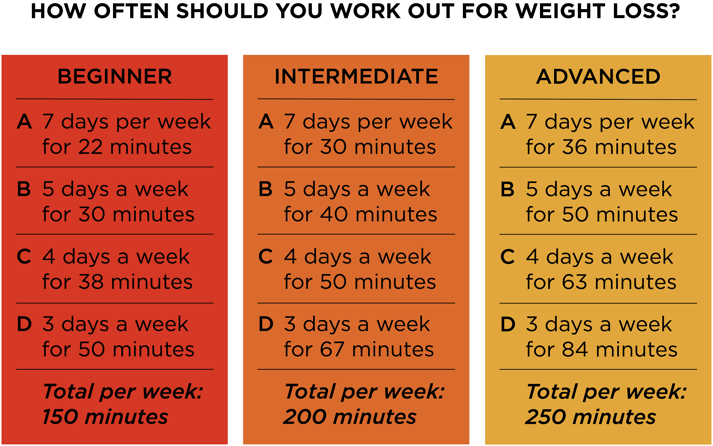
Image Source: www.chicagoathleticclubs.com
Deciphering Your Ideal Workout Schedule
Figuring out the best exercise frequency for your body is key to reaching your health and fitness goals. It’s not a one-size-fits-all answer, as many factors come into play. Your age, current fitness level, health status, and even your lifestyle all influence how often you should be moving. The goal is to create a workout schedule that challenges you enough to see results but also allows your body adequate time to recover and adapt.
The Benefits of Consistent Physical Activity
When you exercise regularly, your body reaps numerous rewards. It’s not just about looking good; it’s about feeling good and living longer. Consistent physical activity guidelines are designed to maximize these benefits.
- Heart Health: Regular exercise strengthens your heart muscle, improves blood circulation, and helps maintain healthy blood pressure and cholesterol levels. This significantly reduces the risk of heart disease and stroke.
- Weight Management: Exercise burns calories, which is crucial for maintaining a healthy weight or losing excess pounds. When combined with a balanced diet, it’s a powerful tool for weight control.
- Stronger Bones and Muscles: Weight-bearing exercises and resistance training help build and maintain strong bones, reducing the risk of osteoporosis. They also strengthen muscles, improving balance, coordination, and overall physical function.
- Improved Mental Well-being: Physical activity is a proven mood booster. It releases endorphins, which have natural mood-lifting effects, helping to reduce stress, anxiety, and symptoms of depression.
- Increased Energy Levels: While it might seem counterintuitive, expending energy through exercise actually increases your overall energy levels. By improving cardiovascular health and muscle efficiency, your body becomes better at delivering oxygen and nutrients to your tissues.
- Better Sleep Quality: Regular exercisers often report sleeping more soundly. Exercise can help regulate your sleep-wake cycle, leading to faster sleep onset and deeper, more restorative sleep.
Exploring Different Exercise Frequencies
Let’s dive into how different frequencies of exercise can impact your health and fitness.
Daily Exercise: Is it Always Best?
While the idea of daily exercise sounds impressive, it’s not always the most effective or sustainable approach for everyone. The effectiveness of daily workouts depends heavily on the exercise intensity and the type of activity.
- Low-Intensity Daily Movement: Engaging in light activities like walking, stretching, or gentle yoga every day can be very beneficial. This promotes recovery, improves flexibility, and keeps your metabolism active without overstressing your body.
- High-Intensity Daily Workouts: Exercising at a high intensity every single day is generally not recommended. Your muscles and nervous system need time to repair and rebuild after strenuous sessions. Pushing yourself too hard daily can lead to burnout, injury, and decreased performance.
Table 1: Impact of Daily Exercise Frequency
| Exercise Intensity | Potential Benefits | Potential Risks |
|---|---|---|
| Low-Intensity | Improved mood, flexibility, metabolism | Minimal, if any |
| Moderate-Intensity | Cardiovascular health, calorie burn | Overtraining if done daily without adequate rest |
| High-Intensity | Significant strength/endurance gains, calorie burn | Overtraining, injury, burnout, impaired recovery |
The Power of a Weekly Workout Schedule
A structured weekly workout plan is often the most practical and effective way to achieve fitness goals. This approach allows for a balance between training and recovery.
- Three to Four Days a Week: For many people, exercising three to four days per week offers a good balance. This allows for dedicated workout days with sufficient rest days in between to allow for muscle repair and energy replenishment.
- Example: Monday: Strength Training, Wednesday: Cardio, Friday: Full Body Circuit, Saturday: Active Recovery (light walk, stretching).
- Five Days a Week: If you’re aiming for more significant improvements in cardiovascular fitness or strength, exercising five days a week can be beneficial. This typically involves splitting workouts by muscle group or activity type.
- Example: Monday: Upper Body Strength, Tuesday: Cardio (running), Wednesday: Lower Body Strength, Thursday: Rest or Light Cardio, Friday: Full Body Circuit, Saturday: Yoga or Mobility.
- Six to Seven Days a Week: This frequency is usually reserved for advanced athletes or those with very specific, high-intensity training goals. It requires meticulous planning, attention to recovery, and often incorporates active recovery days rather than complete rest. This is not typically the optimal workout frequency for general health and fitness for most individuals.
Factors Determining Optimal Workout Frequency
Your optimal workout frequency is deeply personal. Here are key elements to consider:
Your Current Fitness Level
- Beginners: If you’re new to exercise, starting with 2-3 days a week is wise. This allows your body to adapt gradually. Focus on learning proper form and building a foundation.
- Intermediate: As you get fitter, you can increase your exercise frequency to 3-5 days a week. You’ll likely be able to handle higher exercise intensity and volume.
- Advanced: Those with years of consistent training might exercise 5-6 days a week. Their bodies are conditioned to handle more frequent and intense workouts, but they still prioritize strategic rest.
Exercise Intensity and Type
The intensity of your workouts directly impacts how often you should do them.
- High Intensity (e.g., HIIT, heavy lifting): These sessions are demanding and require more recovery. You might perform these 1-3 times per week, with at least one rest day between sessions targeting the same muscle groups.
- Moderate Intensity (e.g., brisk walking, cycling, swimming): You can perform these activities more frequently, even daily, as long as you’re listening to your body. Aim for at least 150 minutes of moderate-intensity aerobic activity per week, spread across 3-5 days.
- Low Intensity (e.g., stretching, light walking): These can be done daily. They aid in recovery and promote overall well-being.
Table 2: Recommended Frequency by Exercise Type and Intensity
| Exercise Type | Intensity | Recommended Frequency per Week | Example Activities |
|---|---|---|---|
| Aerobic (Cardio) | Moderate | 3-5 days | Brisk walking, cycling, swimming, dancing |
| Aerobic (Cardio) | Vigorous | 3-5 days | Running, high-intensity interval training (HIIT) |
| Strength Training | Full Body | 2-3 days | Compound lifts (squats, deadlifts, presses) |
| Strength Training | Split Routine | 3-5 days | Upper body, lower body, push/pull splits |
| Flexibility/Mobility | Low-to-Moderate | Daily or 3-5 days | Stretching, yoga, foam rolling |
Recovery and Rest Days
Rest days are not lazy days; they are crucial components of any effective exercise routine. During rest, your body repairs muscle tissue, replenishes energy stores, and adapts to the training stimulus.
- Active Recovery: This involves light physical activity on rest days, such as walking, gentle stretching, or swimming. It can help reduce muscle soreness and improve blood flow without adding significant stress.
- Complete Rest: Some days, your body might need complete rest to fully recover. This is especially important after particularly intense workouts or if you feel fatigued.
Listening to Your Body
This is perhaps the most critical piece of advice. Your body will often signal when it needs more rest. Pay attention to:
- Persistent Fatigue: Feeling tired all the time, even after a good night’s sleep.
- Soreness: Muscles that remain sore for more than 48-72 hours after a workout.
- Decreased Performance: Finding it harder to complete your usual workouts or noticing a decline in strength or endurance.
- Increased Irritability or Mood Swings: Overtraining can affect your mental state.
- Sleep Disturbances: Difficulty falling asleep or staying asleep.
If you experience any of these, it’s a sign you might need to adjust your workout schedule and incorporate more rest.
Crafting Your Personal Exercise Routine
Building a sustainable exercise routine involves more than just picking days to work out. It’s about creating a plan that fits your life and your goals.
Setting Realistic Goals
What do you want to achieve? Whether it’s running a 5k, lifting a certain weight, or simply feeling more energetic, having clear goals helps you determine the intensity and frequency needed.
Choosing Activities You Enjoy
You are much more likely to stick to an exercise routine if you actually enjoy the activities. Experiment with different forms of exercise:
- Cardio: Running, swimming, cycling, dancing, hiking, team sports.
- Strength Training: Weightlifting, bodyweight exercises, resistance bands, Pilates.
- Flexibility & Balance: Yoga, Tai Chi, stretching.
Structuring Your Week
Consider how your work, family, and social commitments fit into your week. Look for opportunities to incorporate physical activity.
- Morning Workouts: Some people find exercising first thing in the morning sets a positive tone for the day.
- Lunchtime Workouts: A brisk walk or a quick gym session during your lunch break can be effective.
- Evening Workouts: Many prefer to exercise after work to de-stress.
Progression and Adaptation
As you become fitter, your body will adapt. To continue seeing results, you’ll need to gradually increase the exercise intensity, duration, or frequency. This is known as progressive overload.
FAQs About Exercise Frequency
Q1: How often should I do cardio?
For general health, aim for at least 150 minutes of moderate-intensity cardio or 75 minutes of vigorous-intensity cardio per week. You can spread this over 3-5 days.
Q2: How often should I do strength training?
For most adults, training major muscle groups 2-3 days per week is recommended, with at least one rest day between sessions targeting the same muscles.
Q3: Is it okay to do the same workout every day?
It depends on the intensity. Low-intensity activities like walking or stretching can be done daily. However, high-intensity workouts should not be done daily due to the need for recovery. Varying your workouts is also beneficial for overall fitness.
Q4: What is overtraining, and how do I avoid it?
Overtraining is when you exercise too much without adequate rest, leading to decreased performance, fatigue, and increased risk of injury. Avoid it by listening to your body, incorporating rest days, varying your workouts, and ensuring proper nutrition and sleep.
Q5: Can I exercise twice a day?
Yes, it’s possible, but only if the two sessions are of different intensities or focus on different aspects of fitness (e.g., a morning run and an evening yoga session). Avoid doing two high-intensity workouts on the same day.
Q6: Should I exercise if I’m sore?
If the soreness is mild, light activity like walking or stretching (active recovery) can be beneficial. If the soreness is severe, it’s best to rest and allow your muscles to recover.
Q7: How long should my workouts be?
Workout duration varies based on intensity and goals. A 30-60 minute workout is common, but even 10-20 minutes of focused activity can be beneficial. The key is consistency.
Q8: What is the role of rest days in my workout schedule?
Rest days are critical for muscle repair, growth, and preventing overtraining. They allow your body to recover and adapt, ultimately leading to better performance and reduced injury risk.
By carefully considering these factors and listening to your body, you can establish an exercise frequency that supports your health and fitness journey effectively and sustainably. Remember, consistency and balance are key to long-term success.