Image Source: www.ymcamidtn.org
Timing Your Workout: How Long After Eating Can I Exercise?
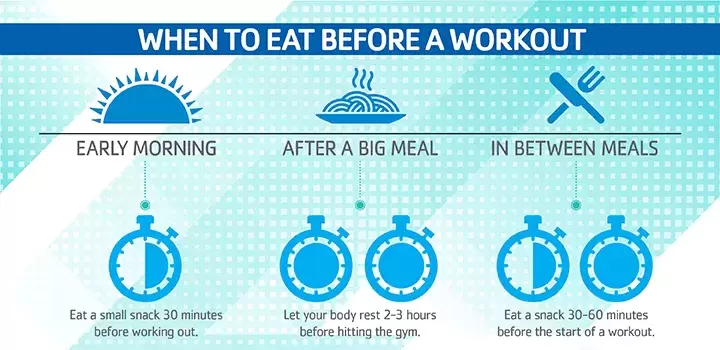
You want to exercise. You just ate. How long should you wait? For most people, waiting 1 to 3 hours after a large meal before exercising is a good idea. If you had a small meal or snack, waiting 30 to 60 minutes is often enough. This allows your body to digest food properly. It helps prevent stomach issues during your workout. The exact time depends on what you ate, how much you ate, and the type of exercise you plan to do.
Exercising is great for your body. It helps you stay healthy. But timing your exercise with your meals can be tricky. Eating before exercise gives you energy. But eating too soon can cause problems. Let’s look closer at ‘Exercise timing after eating’.
Why Timing Meals and Exercise Matters
Your body needs energy to exercise. This energy comes from the food you eat. But your body also needs to digest that food. Digestion takes energy. It also pulls blood flow to your stomach and gut.
When you exercise, your muscles need blood flow. They need oxygen and nutrients. If you exercise while your body is busy digesting a big meal, there’s a conflict. Your body struggles to do both jobs well. It can lead to problems.
Think of your body like a factory. When you eat, the factory starts processing food. This needs workers and power. If you then ask the factory to also build cars (exercise), the workers and power get split. Neither job gets done as well.
How Your Body Digests Food
Comprehending ‘Digestion time before workout’ means knowing how your body handles food. When you eat, food goes down to your stomach. Your stomach mixes food with acids and enzymes. It breaks food down. This takes time.
Liquids move through your stomach fast. Carbohydrates move next fastest. Protein takes longer. Fats take the longest time to digest. A meal with lots of fat or protein will sit in your stomach longer.
After the stomach, food goes to your small intestine. More digestion happens here. Nutrients are absorbed into your blood. This whole process takes hours. The size of the meal matters too. A small snack digests faster than a large, heavy meal.
When you exercise, especially hard exercise, your body redirects blood. Blood goes from your gut to your muscles. This slows down digestion. If there’s still a lot of food in your stomach or intestines, it can just sit there. This can feel very uncomfortable.
How Long Should You Wait?
This is the main question: ‘How long to wait after eating to exercise’? There is no single perfect answer for everyone. It depends on several things. But we can give general rules.
Waiting After a Big Meal
A big meal is like dinner or a large lunch. It usually has a mix of protein, carbs, and fat.
- General rule: Wait 2 to 3 hours after a large meal. Some people might need 3 to 4 hours.
- Why this time? This gives your stomach time to empty most of the food into the small intestine. It reduces the risk of feeling sick or heavy while you exercise.
- Example: If you eat a full plate of chicken, potatoes, and vegetables at 6 PM, wait until 8 PM or 9 PM to do a tough workout.
Exercising too soon after a big meal can cause issues. You might feel sluggish. You might get cramps. You might feel nauseous. This is ‘Exercising on a full stomach’.
Waiting After a Small Meal
A small meal could be a sandwich, a bowl of soup, or a moderate portion of pasta. It’s more than a snack but less than a feast.
- General rule: Wait 1 to 2 hours after a small meal.
- Why this time? Smaller meals digest faster than big ones. This waiting time lets your body handle the initial digestion phase.
- Example: You have a moderate lunch with a salad and some protein at 1 PM. You could likely exercise comfortably by 2 PM or 3 PM.
Waiting After a Snack
A snack is something light. This could be a piece of fruit, a handful of nuts, a small energy bar, or a slice of toast. Snacks are often eaten as a ‘Pre-workout meal timing’ strategy.
- General rule: Wait 30 to 60 minutes after a snack. Some people can even exercise 15-20 minutes after a very light snack.
- Why this time? Snacks are small and often easy to digest. They provide quick energy without overloading your system.
- Example: You eat a banana at 5:30 PM. You can probably start your workout by 6:00 PM or 6:15 PM.
It’s important to find what works for you. Some people have sensitive stomachs. They might need to wait longer. Others can eat and exercise quite soon after.
Type of Exercise Matters
The kind of exercise you do also affects how long you should wait.
Intense Exercise
- Examples: Running fast, high-intensity interval training (HIIT), heavy weightlifting, competitive sports.
- Why timing is key: These activities are hard on your body. They require a lot of blood flow to muscles. They can jiggle your insides. This makes ‘Stomach upset exercising after eating’ more likely if you haven’t waited long enough.
- Recommendation: Wait longer. Stick to the 2-3 hours after a large meal, or 1-2 hours after a small meal rule.
Moderate to Light Exercise
- Examples: Walking, light jogging, easy cycling, yoga, light weightlifting.
- Why timing is less strict: These activities are less demanding. They don’t cause as much internal movement or demand as much blood flow diversion.
- Recommendation: You might not need to wait as long. 1-2 hours after a large meal, or 30-60 minutes after a small meal might be okay. Some can even do light exercise shortly after a snack.
If you feel discomfort during a workout, it’s a sign you might not have waited long enough.
Pre-Workout Meal Timing: Fueling Smart
Eating before exercise is important. It provides the energy you need. The goal of ‘Pre-workout meal timing’ is to eat something that digests easily and gives you fuel.
What to Eat Before Exercising
- Focus on Carbs: Carbohydrates are your body’s main energy source for exercise. Choose simple carbs for faster energy right before a workout (like fruit, white bread, energy bar). Choose complex carbs for energy that lasts longer (like oatmeal, whole-wheat toast) if you have more time before exercising.
- Include a Little Protein: Protein helps muscles. A little protein before exercise can be good. But don’t overdo fat or protein right before intense activity.
- Keep Fat Low: Fat digests slowly. A high-fat meal before exercise can make you feel heavy or sick.
- Stay Hydrated: Drink water before, during, and after exercise. Dehydration can make digestion problems worse.
Examples of Good Pre-Workout Foods
- 1-2 hours before:
- Oatmeal with a few berries.
- Whole-wheat toast with a thin layer of jam.
- Yogurt with a little fruit.
- A moderate-sized fruit smoothie.
- 30-60 minutes before:
- A banana or apple.
- A small handful of crackers.
- A small energy bar (check ingredients – not too much fat/fiber).
- A few dates.
Eating something small and easy to digest before a workout can actually improve performance. It gives your muscles readily available energy. This is a key part of effective ‘Workout after meal’ planning.
Exercising on a Full Stomach: Risks and Side Effects
Trying to exercise with a stomach full of food is generally not a good idea. We’ve touched on this, but let’s look closer at the risks of ‘Exercising on a full stomach’.
- Stomach Upset: The most common problem is feeling sick. This can mean nausea, bloating, burping, or even vomiting.
- Cramps: Painful muscle spasms in your abdomen or sides (often called side stitches). This can happen because blood is diverted from your digestive system. It can also happen because of the physical bouncing or jarring motion of exercise on a full stomach.
- Sluggishness: You might feel heavy and slow. Your body is using energy to digest instead of giving it all to your muscles. This can make your workout feel much harder.
- Reduced Performance: You won’t be able to perform at your best. Your body isn’t optimized for exercise when it’s focused on digestion.
Avoiding these issues is a major reason why ‘Exercise timing after eating’ is important. Giving your body enough ‘Digestion time before workout’ helps you feel better and perform better.
Meal Timing and Exercise: The Science Simplified
Deciphering ‘Meal timing and exercise’ from a science view isn’t too complicated. When you eat carbohydrates, your body breaks them down into glucose (sugar). This glucose goes into your blood. It’s your body’s main fuel. Insulin helps move glucose from your blood into your cells, like muscle cells, for energy or storage.
When you exercise, your muscles use this stored glucose (glycogen) and also glucose from your bloodstream. Eating before exercise makes sure there is glucose available in your blood for muscles to use. This is especially helpful for longer or harder workouts.
If you exercise without eating for many hours (like first thing in the morning), your body uses stored fat for energy more. This is sometimes called “fasted cardio.” Both approaches (eating vs. fasting) have pros and cons. But for most people doing moderate to intense exercise, having some easily available carbs beforehand is beneficial.
Eating after exercise is also important for recovery. Your muscles need protein to repair and carbohydrates to refuel. This is another part of the bigger picture of ‘Meal timing and exercise’. But the focus here is timing before exercise.
Factors Influencing Your Personal Waiting Time
Everyone is different. Several things can change how long you need to wait after eating before exercising.
- Your Metabolism: Some people digest food faster than others.
- Exercise Intensity: As mentioned, harder workouts need more waiting time.
- Type of Food: Fatty and high-fiber meals take longer to digest. Liquid meals or simple carbs digest faster.
- Your Sensitivity: Some people get an upset stomach very easily. They need to be more careful with timing and food choices.
- Hydration Level: Being well-hydrated can help digestion. Dehydration can cause problems.
- Individual Tolerance: Some people can tolerate exercising sooner than others.
It’s helpful to experiment. Pay attention to how you feel when you exercise after different meals and different waiting times. This will help you find your own ‘Best time to exercise after eating’.
Finding Your ‘Best Time to Exercise After Eating’
Finding your optimal timing is a bit of trial and error. Here are some steps to help you.
- Start with the general guidelines: Wait 2-3 hours after a large meal, 1-2 hours after a small meal, and 30-60 minutes after a snack.
- Note down what you ate: Pay attention to the size of the meal and the types of food (high-fat, high-protein, high-carb).
- Note your waiting time: How long was it between finishing eating and starting your workout?
- Note how you felt during exercise: Did you have cramps? Nausea? Did you feel heavy or sluggish? Or did you feel energized and comfortable?
- Adjust based on your feelings:
- If you felt uncomfortable, try waiting a little longer next time. Or try a smaller meal/snack before exercising.
- If you felt fine, perhaps you could try exercising a little sooner next time (especially after a snack) to see if you can optimize your pre-workout fuel.
- Consider exercise type: Remember that intense exercise is more likely to cause problems than light exercise. Adjust your waiting time based on your planned activity.
Finding your personal ‘How long to wait after eating to exercise’ sweet spot is key for consistent and comfortable workouts.
Tips for Better Exercise Timing After Eating
Here are some simple tips to help with ‘Exercise timing after eating’:
- Plan Ahead: Think about when you will exercise. Then plan your meals and snacks around that time.
- Focus on Easy-to-Digest Foods: Especially in the hours right before your workout. Choose carbs like fruit, toast, or rice. Go easy on fats and heavy proteins.
- Hydrate Separately: Don’t chug a lot of water right after a big meal or right before exercise. Drink water steadily throughout the day. Sip water during your workout if needed.
- Listen to Your Body: This is the most important tip. If you feel uncomfortable, slow down or stop. Your body is telling you something.
- Test Different Strategies: See what works best for you. Maybe a liquid meal or smoothie works better for you closer to exercise than solid food.
- Avoid Large Meals Close to Intense Exercise: This is a recipe for ‘Stomach upset exercising after eating’.
By paying attention to ‘Pre-workout meal timing’, you can avoid common problems and have better workouts.
Common Issues: Stomach Upset Exercising After Eating
Experiencing ‘Stomach upset exercising after eating’ is common. Let’s look at why it happens and what you can do.
Why it Happens
- Blood Flow Diversion: Your gut doesn’t get enough blood to digest properly when muscles demand blood flow.
- Mechanical Stress: Jumping, running, or heavy lifting can physically jostle your stomach and intestines, especially if full.
- Undigested Food: Food sitting in your stomach can cause nausea or a heavy feeling.
- Wrong Food Choices: High-fat, high-fiber, or very spicy foods are harder to digest and more likely to cause issues.
- Dehydration: Not having enough fluids can worsen digestive issues during exercise.
How to Avoid It
- Increase Waiting Time: This is the most direct solution. Wait longer after eating before you start exercising.
- Choose Pre-Workout Foods Wisely: Opt for simple carbs and easily digestible snacks or meals before exercise. Avoid fatty, greasy, or very high-fiber foods right before a workout.
- Eat Smaller Portions: If you must eat closer to your workout, eat a smaller amount of food.
- Stay Hydrated: Drink water throughout the day, not just right before exercise.
- Avoid Carbonated Drinks: Fizzy drinks can cause bloating and gas.
- Warm-up Gently: Start your workout slowly to allow your body to adjust.
- Reduce Intensity: If you feel sick, ease up on the exercise.
Paying attention to these points greatly reduces the chance of ‘Stomach upset exercising after eating’.
The Role of Hydration
We’ve talked about water, but let’s look closer. Proper hydration is vital for overall health and exercise performance. It also plays a part in ‘Meal timing and exercise’.
Drinking water is part of preparing your body for exercise. But drinking a large amount of water right after a meal can sometimes fill your stomach too much, making you feel heavy. It’s better to drink water consistently throughout the day.
About 2-3 hours before exercise, drink about 15-20 ounces of water. About 15-20 minutes before exercise, drink another 5-10 ounces. During exercise, sip water as needed, especially for longer workouts.
Drinking enough water also helps your body absorb nutrients efficiently. This supports the energy supply during your ‘Workout after meal’.
Digesting Different Food Types
Knowing how long different foods take to digest helps with ‘Digestion time before workout’.
- Liquids (Water, Juices): Pass through the stomach very quickly.
- Simple Carbohydrates (Fruit, White Bread, Sugar): Digest relatively quickly, usually within 30-60 minutes. They provide fast energy.
- Complex Carbohydrates (Oatmeal, Whole Wheat Bread, Rice, Pasta): Take longer than simple carbs, perhaps 1-2 hours for smaller amounts. They provide sustained energy.
- Protein (Meat, Fish, Eggs, Beans): Takes longer than carbs, usually 2-3 hours or more depending on the amount and type.
- Fats (Oils, Butter, Fatty Meats, Fried Foods): Take the longest to digest, often 3-4 hours or more.
- Fiber: High-fiber foods (like raw vegetables, beans, lentils) can take longer to digest and might cause gas or bloating in some people when exercising too soon after.
A meal’s total digestion time depends on the mix of these foods. A meal high in fat and protein will need more ‘Digestion time before workout’ than a high-carb, low-fat meal.
Table: Estimated Digestion Times Before Exercise
This table gives rough estimates. Your body might be different.
| Meal Size/Type | Typical Waiting Time Before Exercise | Notes |
|---|---|---|
| Large Meal (Mixed) | 2 – 4 hours | Steak, potatoes, vegetables, dessert |
| Small Meal (Balanced) | 1 – 2 hours | Chicken salad sandwich, small pasta dish |
| Snack (Carb-focused) | 30 – 60 minutes | Banana, toast, energy bar (low fat/fiber) |
| Liquid/Small Snack | 15 – 30 minutes | Juice, handful of crackers, sports drink |
| High-Fat / High-Protein | Longer waiting time needed | Takes more time to clear the stomach |
Use this table as a guide. Always listen to how your own body feels.
Optimizing Your Workout After Meal
Planning your ‘Workout after meal’ isn’t just about waiting. It’s also about what you eat.
- If you’re working out within 1-2 hours: Choose a small meal focused on easily digestible carbs. Add a little protein. Avoid fats and high fiber.
- If you’re working out within 30-60 minutes: Have a small, simple carb snack. Think quick energy like fruit or a few crackers.
- If you have 2+ hours: You can have a more substantial meal. Include complex carbs, protein, and healthy fats. This gives your body plenty of time to process it into energy.
The goal is to have enough energy available without having a lot of food sitting in your stomach or intestines. This improves comfort and performance during your ‘Workout after meal’.
Reevaluating How Long to Wait After Eating to Exercise
Let’s revisit the core question: ‘How long to wait after eating to exercise’?
- For most people, after a full meal (lunch or dinner size): 2 to 3 hours.
- After a smaller meal: 1 to 2 hours.
- After a snack: 30 to 60 minutes.
These times are starting points. You might find you need slightly more or less time based on your body, the exact food, and your exercise intensity.
Always prioritize comfort. If you feel digestive distress during your workout, you likely didn’t wait long enough, or what you ate was not suitable for pre-exercise fuel. Adjust your timing or food choices next time.
Remember that consistent ‘Exercise timing after eating’ that works for you is better than trying to follow strict rules that make you feel sick.
Deciphering the Best Time to Exercise After Eating
Is there a single ‘Best time to exercise after eating’? Not really. The best time is when you feel comfortable and energized.
For many people, having a small, easily digestible snack 30-60 minutes before exercise provides great fuel without causing discomfort. This snack allows for optimal ‘Pre-workout meal timing’.
For others, exercising first thing in the morning before eating anything (fasted) works well for certain types of exercise, especially lower intensity.
The best time depends on your schedule, preferences, and how your body responds. The important part is to find a routine where you are not exercising intensely on a very full stomach, which increases the risk of ‘Stomach upset exercising after eating’.
Integrating ‘Meal timing and exercise’ into your routine effectively can boost your energy levels and make your workouts more enjoyable. Whether it’s a full ‘Workout after meal’ after waiting several hours or a session following a small pre-workout snack, listen to your body’s signals.
Conclusion: Listen to Your Body’s Cues
Timing your workout around meals is about giving your body the best chance to perform well and feel good. Waiting enough time allows your digestive system to do its job without conflicting with your muscles’ need for blood and energy.
Generally, 2-3 hours after a large meal and 30-60 minutes after a snack is a good rule of thumb for ‘How long to wait after eating to exercise’. But your personal experience is the best guide. Pay attention to how you feel. If you feel heavy, cramped, or nauseous, you need to adjust.
Finding your personal ‘Best time to exercise after eating’ involves experimenting with waiting times and different pre-workout foods. By doing so, you can fuel your body effectively, avoid discomfort like ‘Stomach upset exercising after eating’, and make the most of your exercise time.
Make ‘Exercise timing after eating’ a part of your fitness plan. It’s a simple step that can make a big difference in your comfort and performance during a ‘Workout after meal’.
Frequently Asked Questions (FAQ)
h4 What should I eat right before a workout if I only have 30 minutes?
h5 Focus on simple carbohydrates that digest quickly. Examples include a banana, a few dates, a small handful of crackers, or a slice of white toast with jam. Avoid fats, protein, and high fiber in this short window.
h4 Can I drink coffee before exercising?
h5 Yes, many people drink coffee before exercise. It can boost energy and focus. Coffee is a liquid and passes through the stomach quickly. However, for some people, coffee can cause digestive upset. Test how you react to it before a workout.
h4 What if I feel hungry right before exercising but don’t have time to wait?
h5 If you feel true hunger pangs, having a very small, easily digestible snack (like half a banana or a few sips of juice) might help. If you only have 15-20 minutes, keep it very light. Listen closely to your body during the workout. Sometimes a glass of water is enough if you are slightly thirsty, not truly hungry.
h4 Is it bad to exercise on an empty stomach?
h5 Exercising on an empty stomach (like first thing in the morning before eating) is okay for many people, especially for light to moderate exercise. Some people even prefer it. However, for longer or more intense workouts, having some fuel beforehand can improve performance and prevent fatigue. It’s a personal choice.
h4 Can I eat immediately after exercising?
h5 Yes, eating after exercise is important for recovery. It’s a good idea to have a mix of carbohydrates and protein within an hour or two after a significant workout to help refuel energy stores and repair muscles.
h4 Will exercising after eating help me digest food faster?
h5 No, intense exercise actually slows down digestion. Your body redirects blood flow from your digestive organs to your working muscles. Light activity, like a gentle walk after a meal, can sometimes help move food through your system more comfortably, but it’s different from stopping intense digestion to support intense exercise.
h4 Why do I get cramps when I run after eating?
h5 Cramps can happen when you run too soon after eating because blood is being pulled away from your diaphragm and digestive system towards your legs. The physical bouncing of running on a full stomach can also contribute. Waiting longer after eating, choosing easier-to-digest foods, and staying hydrated can help prevent this.
h4 Is it okay to exercise after drinking a protein shake?
h5 Protein shakes are liquids and often digest faster than solid food. However, they still contain protein, which takes some time to process. If the shake is mostly protein, wait 60-90 minutes before intense exercise. If it also contains carbs and is designed as a pre-workout fuel, 30-60 minutes might be sufficient. Pay attention to how you feel.