Usually, waiting 1 to 3 hours after a main meal is a good idea before you exercise. If you only had a small snack, you might only need to wait 30 minutes to 1 hour before your workout. Exercising right after eating a big meal is often not a good idea, as it can make you feel unwell and hurt your performance. This guide will help you figure out the best exercise after eating timing for you. We will look at things like digestion time before exercise and eating before exercise recommendations to find the best time to exercise after eating.
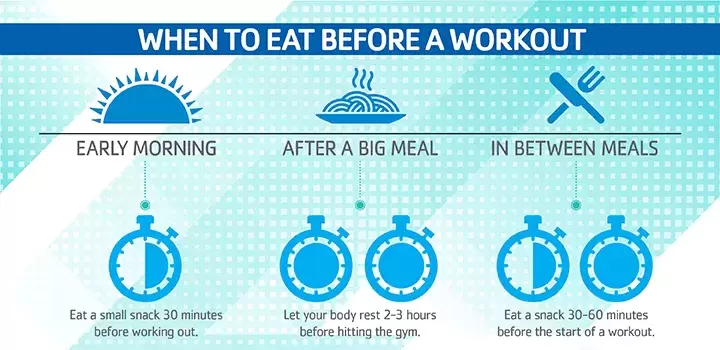
Image Source: www.ymcamidtn.org
Why Waiting After Eating Helps
When you eat, your body starts working hard to break down the food. This is called digestion. It takes time and energy. Exercising while your body is trying to digest can cause problems.
Grasping How Digestion Works
Let’s think about what happens inside you after you eat.
The Stomach’s Job
Food goes into your stomach. Your stomach mixes the food with juices. It breaks the food into smaller pieces. This takes time. A small snack moves through fairly fast. A big meal, especially one with lots of fat or protein, stays in your stomach for many hours.
What Happens Next?
After the stomach, food goes into the small intestine. More breaking down happens here. Nutrients get soaked up into your blood. Your blood takes these nutrients where they need to go. This whole process needs blood flow. Your body sends blood to your stomach and intestines to help digestion.
Blood Flow Matters
When you exercise, your muscles need a lot of blood. Blood carries oxygen and energy to your muscles. If you exercise right after eating, your body has a problem. It needs blood for digestion and blood for your muscles. It can’t do both jobs perfectly at the same time. This is a big reason why the timing of your workout after meal time matters.
Problems with Exercising Too Soon
Trying to exercise on a full stomach or too soon after a heavy meal before exercise can lead to uncomfortable issues.
Feeling Unwell
- Stomach cramps: Your stomach is full and working hard. Moving around a lot can make it cramp up.
- Feeling sick (Nausea): Food moving around in your stomach during exercise can make you feel like throwing up.
- Heartburn: For some people, exercising with a full stomach can push stomach acid up. This causes a burning feeling.
- Side stitch: This is a pain in your side. It can happen more easily if you exercise too soon after eating.
These feelings make your workout unpleasant. They can also stop you from exercising as hard as you want.
Worse Performance
When blood is busy helping digestion, less blood goes to your muscles. This means your muscles get less oxygen and energy. You might feel tired sooner. You might not be as strong. You might run slower. Your workout won’t be as good as it could be. Exercising on a full stomach simply makes things harder.
How What You Eat Changes Things
The type and amount of food you eat are very important for deciding how long to wait. This is key to setting the right exercise after eating timing.
Big Meals Need More Time
A large meal with lots of calories, especially if it’s high in fat or protein, takes a long time to digest. Your stomach holds onto it longer. More blood is needed for digestion for a longer time. If you had a heavy meal before exercise, you definitely need to wait longer.
Small Snacks are Faster
A small snack or liquid food moves through your stomach much quicker. Less digestion is needed. Your body can free up blood flow for your muscles sooner. Eating snack before workout timing is usually much shorter than waiting after a full meal.
Different Foods, Different Speeds
Not all foods digest at the same rate.
Carbs Go Fast
Simple carbohydrates, like white bread, fruit, or sports drinks, are broken down quickly. They give you energy fast. They don’t stay in the stomach long.
Protein and Fat Take Longer
Protein and fat take much longer for your body to break down and move out of your stomach. Meals high in protein and fat will keep your digestive system busy for several hours. This is why a greasy burger sits in your stomach longer than a piece of toast.
Simple Rules for Timing
Here are some general guides for workout after meal time. These are just starting points. Everyone is different.
After a Full Meal
- What it is: A large meal like dinner with protein, carbs, and fats (e.g., chicken, potatoes, vegetables).
- How long to wait: 2 to 4 hours. Some people might need even longer after a very heavy or fatty meal. This gives your stomach plenty of time to empty and digestion to move forward.
After a Medium Meal
- What it is: A regular lunch or breakfast (e.g., sandwich and a piece of fruit, oatmeal with some nuts).
- How long to wait: 1.5 to 2.5 hours. This is less time than a big meal, but still enough for the main digestion work to happen.
After a Small Snack
- What it is: A piece of fruit, a small handful of crackers, a sports bar, or a slice of toast.
- How long to wait: 30 minutes to 1 hour. These foods are usually easy to digest and provide quick energy without upsetting your stomach. This is your typical eating snack before workout timing recommendation.
A Quick Look at Timing
Here is a simple table to help you remember the general rules for best time to exercise after eating.
| Meal Size | Example Food | Suggested Wait Time (Hours) |
|---|---|---|
| Full Meal | Large dinner (meat, potatoes, veggies) | 2 – 4 |
| Medium Meal | Sandwich & fruit, Oatmeal with nuts | 1.5 – 2.5 |
| Small Snack | Banana, crackers, toast | 0.5 – 1 |
| Liquid Meal | Smoothie, sports drink | 0.5 – 1 |
Remember, these are just guides. Your own body might need more or less time.
Timing for Different Workouts
The kind of exercise you plan to do also changes how long you might need to wait after eating. Digestion time before exercise can feel different based on your activity.
Easy Exercise
- What it is: A gentle walk, light cycling, stretching, or easy yoga.
- Timing: You might not need to wait very long at all, even after a small meal. A short walk 30 minutes after a light meal can actually help digestion for some people. Listen to your body, but less intense movement is usually okay sooner.
Hard Exercise
- What it is: Running fast, intense cycling, swimming laps quickly, high-impact aerobics.
- Timing: These activities jiggle your stomach and need a lot of blood for your muscles. You need to wait longer than for easy exercise. Stick to the 1-3 hour rule after a medium meal, and 2-4 hours after a big meal. Exercising right after eating a full meal and then doing a hard workout is likely to cause problems.
Strength Training
- What it is: Lifting weights, bodyweight exercises (push-ups, squats).
- Timing: Strength training is usually less bouncy than running. However, heavy lifting can put pressure on your stomach area. It’s still a good idea to wait until your main meal has mostly left your stomach (1.5-3 hours). A light snack 30-60 minutes before is often helpful for energy for lifting.
Cardio
- What it is: Any exercise that gets your heart rate up for a long time (running, swimming, cycling, dancing).
- Timing: Similar to hard exercise, cardio needs consistent energy and blood flow to muscles. Waiting the recommended 1-3 hours after a meal, or 30-60 minutes after a snack, is important to avoid discomfort and perform well. Good workout after meal time helps you keep going.
High-Intensity Training
- What it is: Short bursts of very hard exercise with short rests (HIIT workouts, sprints).
- Timing: This type of workout is very demanding on your body. It needs a lot of blood quickly for your muscles. It’s best to have your stomach mostly empty. Wait at least 2-3 hours after a medium meal. A light, easy-to-digest snack 30-60 minutes before can provide fuel, but avoid anything heavy or that causes gas. Exercising on a full stomach is especially hard with HIIT.
Your Body Knows Best
These are all helpful rules, but the most important thing is to listen to your body. Everyone is a little different. What works for your friend might not work for you.
Signs You Waited Enough
- You don’t feel full or heavy in your stomach.
- You don’t feel hungry or weak from not eating.
- You feel like you have energy to exercise.
- Your stomach doesn’t feel upset when you move.
Signs You Didn’t Wait Enough
- You feel sick or like you might throw up.
- You get stomach cramps or a side stitch.
- You burp or feel bloated.
- You feel sluggish or heavy while trying to exercise.
- You have heartburn.
If you feel any of these things, you might have exercised too soon after eating. Next time, wait a bit longer.
Everyone is Different
Some people can eat a small snack and exercise 15 minutes later with no problem. Others need a full hour after a banana. Things like how fast your body digests food, what kind of food you ate, and how used your stomach is to exercising after eating all play a role. Pay attention to how you feel. Experiment safely to find your personal best time to exercise after eating.
Eating Before You Work Out
While it’s bad to exercise right after eating a big meal, having some food before exercise is often a good idea, especially if you haven’t eaten for many hours. This is where eating before exercise recommendations come in.
Why Eat Before?
If you exercise when you are very hungry or haven’t eaten all day, you might feel weak, dizzy, or tired very quickly. This is because your body needs fuel (energy) to work hard. Eating a small, easy-to-digest snack before you start can give you that needed energy. This is a key part of eating snack before workout timing strategy.
What to Eat Before?
Focus on foods that give you energy fast and are easy on your stomach.
- Good choices (30-60 minutes before):
- A banana or other fruit
- A small handful of crackers
- A slice of toast (maybe with a little jam)
- Rice cakes
- A small sports bar
- A small amount of applesauce
- Foods to be careful with right before (can cause issues):
- Foods high in fat (burgers, fries)
- Foods high in fiber (beans, heavy whole grains – these are great at other times, but can cause gas or stomach upset right before exercise)
- Spicy foods
- Large amounts of dairy
These recommendations are part of finding the right eating before exercise recommendations for you.
When to Eat Before?
As mentioned earlier, a small, easy-to-digest snack is usually fine 30 minutes to 1 hour before exercise. This gives you fuel without causing discomfort. This is the ideal eating snack before workout timing.
Smart Tips for Eating and Exercise
Putting it all together means being smart about how you plan your meals and workouts.
Plan Ahead
Look at your day. When are you going to eat your main meals? When do you want to exercise? Try to schedule your workout for a time that works with your eating schedule, based on the timing guides. If you know you want to work out at 6 PM, plan to eat dinner after your workout, or have a light snack around 4:30-5:00 PM. If you eat a big lunch at 1 PM, an afternoon workout around 3-4 PM might work well. Thinking about your workout after meal time in advance helps a lot.
Drink Water
Staying hydrated is always important for exercise. Drink water before, during, and after your workout. Drinking water doesn’t usually require a long wait time before exercise, unlike solid food.
Test What Works
Start with the general guidelines (wait 1-3 hours after a meal). See how you feel during your workout. If you feel sick or sluggish, try waiting longer next time. If you feel fine, maybe you can try a slightly shorter wait if needed. If you try a snack before working out and it makes you feel sick, try a different kind of snack or skip it next time. Finding your perfect exercise after eating timing takes a little testing.
Finding Your Right Time
There is no single, simple answer for everyone on how soon after eating can I workout. It depends on:
- How much food you ate (meal size)
- What kind of food you ate (easy or hard to digest)
- How hard your workout will be (intensity)
- How your own body works (personal digestion speed and comfort)
The main goals are to:
- Avoid stomach problems during exercise.
- Have enough energy for your workout.
- Allow your body to focus blood flow on your muscles during exercise, not digestion.
For most people, waiting 1 to 3 hours after a regular meal is the sweet spot for workout after meal time. For a small snack, 30 minutes to 1 hour is often enough. Always start with the safer, longer waiting time if you’re unsure. Then, you can try shortening the wait slightly over time if you feel comfortable and your performance is good. Listen closely to your body’s signals. It will tell you if you chose the right exercise after eating timing. Don’t try to exercise right after eating a big meal. Give your body the time it needs. This thoughtful approach to eating before exercise recommendations will help you have better, more comfortable workouts.
Questions People Ask
Here are answers to some common questions about eating and exercise timing.
Can I Drink Water Before Exercising?
Yes, absolutely! Drinking water before and during exercise is very important. Water usually passes through the stomach quickly and won’t cause the same problems as solid food. In fact, being well-hydrated helps your performance and prevents cramps.
What About Coffee or Tea?
Many people drink coffee or tea before exercising. For most people, a regular cup of coffee or tea before a workout is fine. The liquid is absorbed easily. The caffeine can even help some people feel more energized. However, if coffee or tea bothers your stomach, makes you feel jittery, or causes you to need the bathroom urgently, it’s best to have it well before your workout or skip it. Black coffee is usually less likely to cause issues than coffee with lots of milk and sugar.
What if I’m Training for Something Big Like a Marathon?
If you are training for a long race or event, your eating and drinking strategy becomes even more important. You will need to practice eating and drinking during your long training sessions. This trains your stomach to handle food while exercising. The timing rules might change slightly, and you’ll likely use easy-to-digest carbs and special sports fuels. This is an advanced topic, but the basic idea of practicing your fueling during training is key. For everyday workouts, the rules above still apply.
Is It Okay to Feel Hungry Before Exercise?
Yes, it’s often okay to feel a little hungry before exercising, especially if it’s a shorter or less intense workout. Your body has energy stored that it can use. Feeling starving is not good, as it can make you weak. But a little hunger isn’t usually a reason not to exercise. A light snack 30-60 minutes before can help take the edge off if needed.
Does This Apply to All Ages?
Yes, the basic idea of waiting for digestion applies to most people. However, digestion speed can vary with age and health conditions. Older adults or people with certain stomach issues might need to wait longer. Always listen to your individual body.
Can I Exercise on an Empty Stomach in the Morning?
Many people exercise first thing in the morning before eating anything. This is often fine, especially for light to moderate exercise. For longer or harder workouts, some people find they need a small snack beforehand to have enough energy. Exercising on an empty stomach works well for some, while others feel weak or lightheaded. It’s a matter of personal preference and how your body responds. You can try it and see how you feel.
The bottom line is to pay attention to how your body feels when you combine eating and exercise. Finding the right timing makes your workouts more comfortable and effective.