Many people ask, “How long after eating to workout?” or “What is the best time to exercise after eating?” Simply put, most people should wait about 1 to 3 hours after a large meal before exercising. After a small snack, waiting 30 minutes to an hour is often enough. The exact time depends on what you ate, how much you ate, and the type of exercise you plan to do. Getting the timing right is important for comfort and getting the most out of your workout.
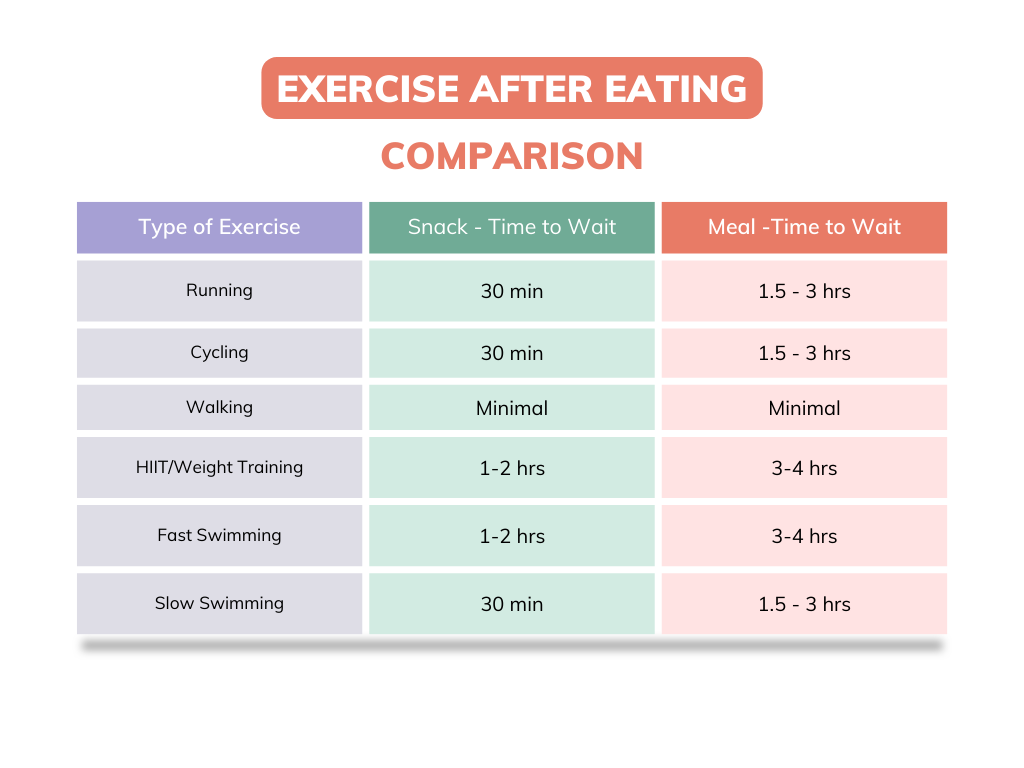
Image Source: images.squarespace-cdn.com
Grasping Digestion and Exercise Timing
Your body needs time to break down food. This process is called digestion. It starts when you chew food. It continues in your stomach and intestines.
When you eat, blood flows to your stomach and gut. This extra blood helps your body digest the food. It moves nutrients into your bloodstream.
Exercise makes blood flow to your muscles. Muscles need oxygen and energy when you work out. They get these from the blood.
If you exercise too soon after eating, your body has a problem. It needs blood for both digestion and muscles. It is hard for the body to do both well at the same time. This can cause issues.
Why Timing Meals Around Workouts Matters
Proper timing meals around workouts helps your body work better. It makes your workout feel better. It helps you get more from your effort.
If you eat a lot and then try to run fast, you might feel sick. Your stomach could hurt. You might feel heavy or slow. This is because digestion is not finished.
Waiting the right amount of time lets your stomach empty a bit. It lets the first steps of digestion happen. Then, when you start moving, your body can send more blood to your muscles. This helps you exercise better.
Good timing also makes sure you have energy. Food is fuel. Eating some time before you exercise gives your body fuel. It uses this fuel to power your muscles.
Eating too long before exercising can also be an issue. If you wait too long, your blood sugar might drop. You might feel weak or tired. This is why pre-workout meal timing is a key part of planning your exercise.
How Long Should You Really Wait? It Depends
There is no single perfect answer for everyone. The right amount of time depends on several things.
It depends on the size of your meal. A big meal needs more time to digest than a small snack.
It depends on what you ate. Some foods take longer to digest than others. Foods high in fat and protein take longer. Foods high in simple carbs digest faster.
It depends on the type of exercise. Light walking is different from intense weightlifting or a fast run.
Let’s look at different situations.
After a Large Meal
A large meal is one that has many calories. It might have a mix of protein, carbs, and fats. Think of dinner or a big lunch. Your body needs a lot of time to process this.
Waiting 2 to 3 hours after a large meal is a good rule. For some people, it might be even longer. This wait time allows the food to move out of your stomach. It lets nutrients start getting absorbed.
If you eat a big steak, potatoes, and vegetables, your stomach is full. Blood is busy helping break it down. Trying to do a hard workout right after is a bad idea. It can lead to serious discomfort.
After a Moderate Meal
A moderate meal is smaller than a large meal. It might be a normal-sized breakfast or lunch. It provides good energy but doesn’t overload your system.
After a moderate meal, waiting 1 to 2 hours is usually fine. This gives your stomach enough time to process most of the food. You get the energy from the meal. But you avoid the heavy feeling or sickness that comes from exercising too soon.
An example is a sandwich and a piece of fruit. Or a bowl of oatmeal with some nuts. These meals provide energy without being too heavy.
After a Small Snack
A small snack is just a little something to give you a quick energy boost. It might be fruit, a small energy bar, or a handful of crackers. These are often high in simple carbohydrates. Carbs are the body’s quickest energy source.
After a small snack, you can often exercise much sooner. Waiting 30 minutes to 1 hour is usually enough. Sometimes, even 15-20 minutes is fine if it’s something very simple like a banana or a few dates.
Snacks are good when you feel a bit hungry before a workout. They top up your energy stores. But they don’t put a big load on your digestive system.
Examining Food Types and Digestion Time
What you eat matters a lot for digestion and exercise timing. Different foods move through your stomach at different speeds.
- Carbohydrates: These are the fastest energy source. Simple carbs like fruit, white bread, or energy gels are digested quickly. They give you fast fuel. Complex carbs like whole-grain bread, oats, or brown rice take longer. They provide more lasting energy.
- Proteins: Protein takes longer to digest than simple carbs. It is important for muscle repair. But eating a lot right before exercise can feel heavy. Examples are meat, fish, eggs, or beans.
- Fats: Fats take the longest to digest. They provide energy but slowly. Eating a lot of fat right before exercise is often a bad idea. It sits in your stomach. It can make you feel sick or cause cramps. Examples are fried foods, fatty meats, or heavy sauces.
- Fiber: Fiber adds bulk to food. It slows down digestion. While fiber is good for health, too much right before exercise can cause gas or discomfort.
Table: Estimated Digestion Times by Food Type (General Guide)
| Food Type | Examples | Digestion Time (Approximate in Stomach) | Notes |
|---|---|---|---|
| Simple Carbohydrates | Fruit, juice, white bread, sports gel | 15-30 minutes | Quick energy, easy on stomach |
| Complex Carbohydrates | Whole grain bread, oats, brown rice, pasta | 30-60 minutes (or more) | Slower energy release, better for fuel |
| Protein (Lean) | Chicken breast, fish, egg whites | 1-2 hours | Important, but can feel heavy if too much |
| Protein (Fatty) | Red meat, cheese, full-fat dairy | 2-4+ hours | Much slower, heavy |
| Fats | Fried food, butter, oils, fatty meats | 2-4+ hours | Very slow, can cause discomfort |
| Mixed Meals (Moderate) | Balanced sandwich, small pasta dish | 1-2 hours | Typical timing consideration |
| Mixed Meals (Large) | Full dinner plate, large restaurant meal | 2-4+ hours | Needs significant waiting time |
| Liquids (Water, Sports Drinks) | Water, electrolyte drinks | Very fast | Hydration is key, often fine before |
Note: These times are just estimates. How you digest food can be different. Your body is unique.
Matching Timing to Your Workout Type
The kind of exercise you do matters for how long after eating to workout.
Light Exercise
Light exercise includes things like a gentle walk, stretching, or very easy cycling. These activities do not put a lot of stress on your body. They do not demand a huge amount of blood flow to your muscles.
You can often do light exercise sooner after eating. After a moderate meal, waiting just 1 hour might be enough. After a snack, you might only need 15-30 minutes.
However, still be careful. If you feel any discomfort, wait longer next time. Listen to your body.
Moderate to Intense Exercise
This includes running, swimming, cycling faster, weightlifting, or playing sports. These activities use more energy. They require more blood flow to your muscles.
For these workouts, waiting longer is important. After a moderate meal, wait at least 1.5 to 2 hours. After a large meal, wait 2 to 3 hours, maybe even 4 hours if the meal was very big or fatty.
Trying to run hard or lift heavy weights with a stomach full of food is risky. It can lead to sickness, cramps, or feeling very tired. This is the main risk of exercise on full stomach.
Long-Duration Exercise (Endurance)
Long runs, bike rides, or hikes that last more than an hour are different. You might need to eat during these activities.
Before a long endurance event or training session, you need a good meal to fuel up. This meal should be eaten 2-3 hours before you start. It should have plenty of complex carbs for lasting energy.
During very long events, you will need to eat small amounts of easily digested carbs (like gels, chews, or sports drinks) to keep your energy levels up. This is the opposite of waiting a long time. Here, you eat while exercising, but you eat specific, easy-to-digest foods.
Eating Before Running: Specific Tips
Eating before running is a common question. Running can shake your stomach. So timing is extra important.
For a short, easy run (under 30-45 minutes): You might not need to eat right before if you ate a meal a couple of hours ago. If you are hungry, a very small snack (like half a banana) 15-30 minutes before is usually fine.
For a moderate run (45-75 minutes): Have a small snack about 30-60 minutes before. Or eat a moderate meal 1.5 to 2 hours before. Focus on easily digested carbs.
For a long run (over 75 minutes): Eat a moderate to large meal rich in complex carbs 2 to 3 hours before. If you feel hungry closer to the run, a small carb snack 30-60 minutes before is okay. Remember you might need to fuel during the run too.
Avoid high-fiber, high-fat, or high-protein foods right before running. They can cause stomach upset. This is especially true for long or fast runs.
Problems with Exercising Too Soon: Stomach Cramps and More
Trying to exercise with a lot of food in your stomach often leads to problems. The most common issue is stomach cramps after eating exercise.
Here’s why this happens:
1. Blood Flow Conflict: Your body is trying to send blood to your gut for digestion and to your muscles for exercise. This split focus is not efficient. Muscles might not get enough blood. Digestion slows down.
2. Physical Shaking: Activities like running cause your internal organs to move and bounce. If your stomach is full, this shaking can cause pain, sloshing, and cramps.
3. Undigested Food: Food sitting in your stomach or upper gut can feel heavy. It can make you feel sick or nauseous.
4. Gas: Digestion can create gas. Exercise can sometimes make this gas move around, causing pain or bloating.
Other problems can include:
* Feeling sluggish or heavy.
* Heartburn or acid reflux (food coming back up).
* Burping or feeling gassy.
* Nausea or even vomiting in severe cases, especially with intense exercise.
* Poor performance. You simply can’t exercise as hard or as well when your body is struggling to digest food.
Avoiding these problems is a major reason why timing is key for the time between meal and gym or any workout.
Finding Your Own Best Time
The recommended times (1-3 hours for meals, 30-60 minutes for snacks) are good starting points. But everyone is different. Your best time might be a bit shorter or longer.
Things that affect your personal timing:
* How fast your body digests food: Some people digest faster than others.
* How sensitive your stomach is: Some people get stomach issues easily.
* The intensity of your workout: A harder workout needs more waiting time.
* Your hydration level: Being well-hydrated can sometimes help digestion.
* Your usual eating habits: Your body gets used to your routine.
How to find your best time:
1. Start with the general rules (1-3 hours for meals, 30-60 mins for snacks).
2. Pay attention to how you feel during your workout.
* Do you feel heavy? Sick? Crampy? You probably didn’t wait long enough. Wait longer next time.
* Do you feel low on energy? Dizzy? Very hungry? You might have waited too long. Try eating a bit closer to your workout time, or have a small snack closer to the start.
3. Try different timings for different types of meals and workouts. Keep notes if it helps.
4. Listen to your body’s signals. It will tell you what works and what doesn’t.
Finding your ideal pre-workout meal timing is a process of trial and error. Be patient with yourself.
What About Drinking Before Exercise?
Drinking water or sports drinks is usually fine right before or during exercise. Water digests almost instantly. Sports drinks with simple sugars are also very fast fuel sources.
Staying hydrated is very important for exercise. Dehydration can hurt performance and make you feel bad.
Avoid large amounts of sugary drinks (like soda or juice) right before exercise. The high sugar can cause a quick spike and then a crash in blood sugar.
Also, be careful with caffeine if you’re not used to it. It affects some people’s stomachs.
Interpreting Signals from Your Body
Your body sends you signals about when it’s ready to exercise after eating. Pay attention to these signs:
- Hunger Level: Do you feel empty, or is your stomach still full?
- Energy Level: Do you feel ready to move, or do you feel like taking a nap (the “food coma” feeling)?
- Stomach Feeling: Do you feel light and normal, or do you feel bloated, heavy, or gurgly?
If you still feel a lot of food in your stomach or feel heavy, you need to wait longer. If you feel a bit hungry but have energy, a small snack might be right. If you feel light and energized, you’re likely ready.
The Importance of the Pre-Workout Meal
While timing is key, what you eat before exercise also matters. The pre-workout meal timing decision is linked to the food choice.
A good pre-workout meal or snack provides energy without causing stomach upset.
It should usually be higher in carbohydrates, especially if your workout is long or intense. Carbs give your muscles fuel.
It should be lower in fat and protein right before exercise, as these slow digestion. Fiber should also be moderate, not too high.
Examples of good pre-workout snacks (30-60 mins before):
* Banana
* Apple or other fruit
* Small handful of pretzels or crackers
* Energy gel or chew
* Small sports drink
Examples of good pre-workout meals (1-3 hours before):
* Oatmeal with a little fruit
* Toast with a small amount of jam or honey
* Rice cakes with banana slices
* A small amount of pasta with a light sauce
* A simple turkey sandwich (if you have enough time to digest)
The goal is readily available energy without taxing your digestive system.
What About Post-Meal Workout Recommendations?
The keyword “post-meal workout recommendations” seems to refer to what to eat after you finish your workout, not what to eat before your workout after you’ve had a meal.
Eating after exercise is important for recovery. This meal helps your muscles repair and rebuild. It also refills your energy stores.
After a workout, especially a tough one, try to eat something within 30 minutes to 2 hours. This window is good for muscle recovery.
A good post-workout meal or snack should have:
* Carbohydrates: To replace the energy you used.
* Protein: To help repair muscle tissue.
Examples of good post-workout options:
* Chocolate milk (carbs + protein)
* Yogurt with fruit and granola
* Turkey or chicken sandwich on whole grain bread
* Rice and beans
* Smoothie with protein powder, fruit, and milk or yogurt
* Eggs on toast
While this is about eating after the workout, getting your pre-workout timing right means you felt good during the workout. A good workout helps your body be ready to use the nutrients from your post-workout meal for recovery. So, the timing before is linked to how well you recover after.
Building a Strategy for Timing Meals Around Workouts
Making a plan for timing meals around workouts can help you stay on track.
- Plan Your Workout: Decide when you will exercise each day.
- Plan Your Meals: Look at your workout time. Plan your meals and snacks around it.
- If you work out in the morning, what will you eat for breakfast? How long before? Or will you exercise before breakfast?
- If you work out in the evening, when will you eat lunch? When will you have a snack before your workout? When will you have dinner?
- Think About Food Types: Choose foods that fit the timing. Easier-to-digest foods closer to the workout. More complex meals when you have more time to digest.
- Practice: Try your plan. See how you feel. Change the timing or the food types as needed.
- Be Flexible: Life happens. Sometimes your timing won’t be perfect. Do your best, and don’t worry too much.
This strategy helps you manage your time between meal and gym. It makes sure you have energy when you need it. It helps you avoid discomfort.
Can You Exercise on Full Stomach?
As we have seen, trying to exercise on full stomach is generally not a good idea. It is likely to lead to problems like cramps, nausea, and poor performance.
Your body cannot efficiently send enough blood to both your digestive system and your working muscles at the same time, especially during hard exercise.
While some people might tolerate it better than others (maybe during very light activity), it is risky. It is much safer and more comfortable to wait until your stomach has emptied enough.
Listen to your body. If you feel full, wait. Waiting an extra 30 minutes is much better than feeling sick or getting cramps during your workout.
Making the Best Choice
To find the best time to exercise after eating for you, remember these points:
- Larger meals need more waiting time (2-3+ hours).
- Smaller meals or snacks need less waiting time (30-60 minutes).
- Easily digested foods (carbs) are better closer to exercise.
- Hard-to-digest foods (fats, heavy protein, lots of fiber) need more waiting time.
- More intense exercise needs more waiting time.
- Light exercise needs less waiting time.
- Listen to your body. It is your best guide.
- Experiment to find what works for you.
Getting the timing right is a key part of smart training. It helps you feel good, perform better, and stay safe from issues like stomach cramps after eating exercise.
Fathoming Individual Needs
It is worth repeating that everyone is unique. What works perfectly for one person might not work for you.
Factors that make individuals different:
* Metabolism speed
* Stomach size and shape
* Gut bacteria
* Food sensitivities or allergies
* Stress levels (stress can affect digestion)
* Sleep (poor sleep can affect digestion)
Because of these differences, the best way to figure out your ideal how long after eating to workout time is through personal experience. Start with the general guidelines. Then adjust based on how you feel during and after your workouts.
Don’t compare yourself too much to others. Your friend might be able to eat a full meal and run an hour later. That doesn’t mean you should. Find what allows you to exercise comfortably and effectively.
Summary: Timing is Your Friend
Getting the timing meals around workouts right is not about being perfect. It’s about setting yourself up for success and comfort.
You need energy to exercise. Food gives you that energy.
But you also need your body to focus on your muscles during exercise. A busy digestive system can get in the way.
Waiting enough time lets your body start processing the food. It provides fuel without causing distress. This balance is key.
Whether you are planning your pre-workout meal timing for a race or just figuring out the time between meal and gym for your daily visit, thinking about timing will help. It reduces the risk of problems like exercise on full stomach or getting stomach cramps after eating exercise.
Find your sweet spot. It might take a little time and trying things out. But once you find it, your workouts will feel much better. You’ll have more energy and fewer stomach issues. This makes exercise more enjoyable and more effective.
Frequently Asked Questions (FAQ)
h4 What if I feel hungry right before my workout?
If you feel hungry and it’s close to your workout (within 30-60 minutes), have a small, easy-to-digest snack. A piece of fruit like a banana or apple, a few crackers, or a small handful of dates are good choices. This provides quick energy without making your stomach full.
h4 Can I drink coffee before exercising?
Yes, many people drink coffee before exercise. It can boost energy and focus. Black coffee or coffee with a little milk digests quickly for most people. However, some people are sensitive to caffeine and it can cause stomach issues. If you are new to it, try a small amount first. Avoid coffee with lots of cream and sugar close to exercise, as the fat and sugar can slow digestion for some.
h4 Is it okay to exercise first thing in the morning before eating?
Yes, many people exercise in the morning before eating breakfast. This is often called “fasted cardio.” Some people feel fine and prefer it. Others feel low on energy or lightheaded. For light to moderate exercise, it can be fine. For intense or long workouts, having a small snack or meal beforehand is usually better for performance and energy levels. Listen to how your body feels.
h4 How long after a very large meal (like a holiday dinner) should I wait?
After a very large meal, especially one high in fat and protein, you might need to wait 4 hours or even longer. Your body has a lot of work to do to digest it. Light walking after such a meal is usually okay and can help digestion. But avoid strenuous exercise.
h4 Does hydration affect how soon I can exercise after eating?
Being properly hydrated helps all your body’s functions, including digestion. Dehydration can potentially slow digestion or make stomach issues worse. So, drinking enough water throughout the day is good for both digestion timing and exercise performance. Drinking a lot of water with a large meal might make you feel too full right away, but having water before and after the meal, and staying hydrated in general, is beneficial.
h4 What should I do if I get stomach cramps during a workout after eating?
If you get cramps, slow down or stop exercising. Try walking gently. Take sips of water. Deep breathing can sometimes help. Don’t push through severe pain. Next time, try waiting longer after your meal or snack before exercising. Also, consider what you ate – maybe a different food choice would help.
h4 Is it better to eat before or after exercise?
Both are important! Eating before exercise gives you the energy to perform well. Eating after exercise helps your body recover, repair muscles, and refill energy stores. The key is the timing of the meal before your workout, making sure you’ve waited enough time. And then eating a good meal or snack after your workout to aid recovery.