You should do exercises after knee replacement surgery for the rest of your life. While the type and intensity of exercises change greatly over time, staying active is key for a good recovery time after total knee replacement and the long-term success of your new knee. The early phase of knee replacement rehab timeline involves specific movements to regain motion and strength. Later, exercises become part of a regular, lifelong routine.
Physical therapy is a big part of getting better. Physical therapy after total knee replacement guides you through the different stages. It starts with simple moves right after surgery and moves to harder activities over months. Eventually, you will do exercises on your own as part of a long-term exercise program after knee replacement. This guide will help you understand the exercise journey after knee replacement.
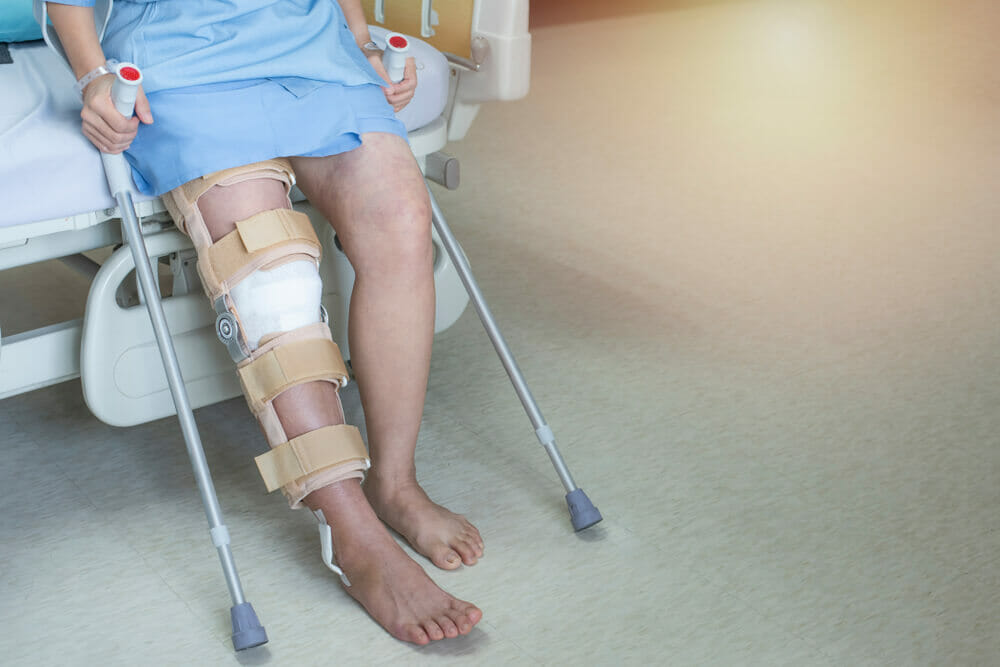
Image Source: www.integrityphysio.com.au
The Journey of Recovery: Step by Step
Getting a new knee is a big step. Your body needs time to heal. Exercise is vital for this healing. It helps you get back to doing things you enjoy. The exercise plan changes as you get stronger.
Phase 1: Getting Started Right Away (Hospital to Week 3)
This phase starts almost immediately after surgery. You might feel some pain, but moving early is very important. This helps stop blood clots and starts getting your knee bending and straightening again.
Early Goals
- Reduce swelling and pain.
- Start moving your ankle and foot to help blood flow.
- Gently start bending and straightening your new knee.
- Get in and out of bed safely.
- Start standing and walking a little bit with help.
Simple Starting Exercises
These are often called post knee replacement rehabilitation exercises. A therapist will show you how to do them. You might do these many times a day, even hourly while you are awake. The how often should you do exercises after knee replacement in this phase is very frequent but for short times. The knee replacement exercise duration for each session is short, maybe just 5-10 minutes.
- Ankle Pumps: Point your toes up, then down. Repeat this. This helps circulation.
- Knee Bends (Heel Slides): While lying in bed, slide your heel towards your butt, bending your knee. Go only as far as you can without bad pain. Then slide your heel back down, straightening your leg.
- Quad Sets: Tighten the muscle on the front of your thigh (quadriceps). Push your knee down into the bed. Hold for a few seconds, then relax.
- Glute Sets: Squeeze your butt muscles together. Hold, then relax.
- Leg Raises: If your therapist says it’s okay, you might lift your straight leg slightly off the bed. This is harder than it sounds right after surgery!
Walking Starts Early
You will likely start walking the day of or the day after surgery. At first, it’s just a few steps with help from a therapist or nurse and a walker. This is the very beginning of your walking after knee replacement timeline. Even these first steps are big for your recovery.
Phase 2: Getting Stronger (Weeks 3 to 12)
In this phase, you are likely home. You will continue physical therapy after total knee replacement, either at a clinic or with a therapist visiting your home. Exercises get harder to build more strength and motion.
Goals for This Stage
- Increase the amount you can bend and straighten your knee.
- Walk longer distances and with less support (maybe a cane instead of a walker).
- Start doing
strengthening exercises after knee replacement surgery. - Improve your balance.
- Get back to daily activities like climbing stairs.
More Exercises for This Phase
You will keep doing the exercises from Phase 1, but you will add new ones. You might do your exercises 1-3 times a day now, depending on your plan. The how often should you do exercises after knee replacement is still frequent, but maybe the knee replacement exercise duration for each session is a bit longer, maybe 20-30 minutes. These exercises for knee replacement recovery are key to getting your function back.
- Leg Extensions (sitting): Sit on a chair. Straighten your leg out in front of you. Hold for a second, then slowly lower it.
- Hamstring Curls (standing): Hold onto something steady. Bend your knee, bringing your heel towards your butt. Keep your thighs together.
- Calf Raises: Stand holding onto support. Lift up onto your toes. Slowly lower down.
- Step-Ups: Use a small step or the bottom stair. Step up with your repaired leg, then bring the other leg up. Step back down the same way.
- Mini Squats: Stand holding onto support. Gently bend your knees as if sitting back slightly. Don’t bend too far down.
- Stationary Bike: This is great for motion and gentle strength. Start with no resistance. Bike for a short time, then increase slowly.
Walking Progresses
Your walking after knee replacement timeline continues. You will aim to walk further and faster. You might walk outside. Your therapist will help you know when you can stop using a cane or other help. Walking is a great exercise and important for getting back to normal life.
Phase 3: Gaining Full Function (Months 3 to 12)
By this time, swelling should be mostly gone. You should have much better motion in your knee. Formal physical therapy sessions might become less frequent or even stop. The focus shifts to making your knee strong enough for activities you want to do.
Goals for This Stage
- Regain most or all possible knee motion.
- Build significant strength in your leg muscles.
- Improve endurance for walking and other activities.
- Prepare for hobbies like golf, swimming, or cycling (if approved by your doctor).
- Make exercise a regular habit you do on your own.
Advanced Exercises
You will continue many exercises from Phase 2 but do them harder. You might add weights or resistance bands. You will also do more activities that challenge your balance and movement. These strengthening exercises after knee replacement surgery are vital now. The how often should you do exercises after knee replacement might be 3-5 times a week, depending on the type. The knee replacement exercise duration could be 30-60 minutes per session.
- Full Squats (if approved): Deeper squats to build power.
- Leg Press: Using a machine at a gym to push weight with your legs.
- Calf Raises with Weights: Holding dumbbells while doing calf raises.
- Lunges: Stepping forward or backward into a lunge position.
- Balance Exercises: Standing on one leg, using wobble boards (if safe).
- Cycling (road or gym): Longer rides for endurance.
- Swimming or Water Aerobics: Great low-impact options for strength and motion.
Walking and Activities
Your walking after knee replacement timeline should now include longer walks, maybe several miles. You should be able to handle stairs easily. You can start adding activities you did before, like golf, hiking on easy trails, or doubles tennis (if your doctor says okay). High-impact sports like running or jumping are usually not recommended after knee replacement to protect the new joint.
Phase 4: Keeping Active for Life (Beyond 12 Months)
This is the long-term exercise program after knee replacement. It’s not about intense rehab anymore. It’s about staying healthy, keeping your knee joint working well, and protecting the muscles around it. Exercise now becomes part of your lifestyle, like eating healthy food.
Goals for This Stage
- Maintain the strength and motion you gained.
- Keep pain low.
- Stay active to enjoy life.
- Protect your new joint from too much stress.
- Maintain overall fitness.
Your Lifelong Exercise Plan
The how often should you do exercises after knee replacement in the long term? Aim for exercise most days of the week. A good mix includes different types. The knee replacement exercise duration can vary – a 30-minute walk is good, or a longer gym session. These exercises for knee replacement recovery are now maintenance exercises.
- Cardio: Walking is excellent and easy on the joint. Cycling, swimming, and using an elliptical machine are also great choices. Aim for at least 150 minutes of moderate cardio a week (like a brisk walk).
- Strength Training: Keep working your leg muscles 2-3 times a week. You can use body weight, resistance bands, or weights. Focus on squats, lunges, calf raises, and hamstring curls. Strong muscles support the joint and take pressure off it.
- Flexibility: Gentle stretching helps keep your knee and leg muscles from getting tight. Do this after you are warmed up.
- Balance: Simple balance exercises help prevent falls, which could be bad for your new knee. Standing on one leg or doing tai chi are good examples.
Table: General Exercise Timeline After Knee Replacement
This table shows a general idea. Your personal knee replacement rehab timeline might be different based on your health and how you heal. Always follow your doctor’s and therapist’s advice.
| Phase | General Timeframe | Main Goals | Type of Exercises | How Often (Typical) |
|---|---|---|---|---|
| Early Recovery | Days 1 – Week 3 | Start motion, reduce swelling, begin walking | Gentle bends, ankle pumps, quad sets, short walks | Multiple times daily |
| Subacute Recovery | Weeks 3 – 12 | Increase motion/strength, walk further | More bending, leg lifts, mini-squats, longer walking | 1-3 times daily |
| Late Recovery | Months 3 – 12 | Maximize strength/motion, higher activities | Stepping, deeper squats, bike, maybe light weights | 3-5 times per week |
| Long-Term Active | Beyond 12 Months | Maintain strength/motion, overall fitness | Walking, cycling, swimming, strength training, yoga | Most days of week |
Why Exercise Matters So Much for Your New Knee
Exercising isn’t just about getting better right after surgery. It’s about protecting your investment – your new knee joint – for years to come.
Keeping Muscles Strong
Strong muscles around the knee, especially the thigh (quadriceps) and hamstring muscles, support the joint. They act like shock absorbers. Strong muscles take pressure off the artificial parts. Strengthening exercises after knee replacement surgery are probably the most important type for long-term joint health.
Maintaining Motion
Regular movement stops your knee from getting stiff. Stiffness can make everyday things like walking or sitting in a chair harder. Exercises keep the tissues around the knee flexible.
Controlling Weight
Being at a healthy weight puts less stress on your knee joint. Exercise burns calories and helps manage your weight, which is very good for your new knee.
Boosting Overall Health
Exercise is good for your whole body. It helps your heart, keeps your bones strong, improves your mood, and gives you more energy. This makes recovery smoother and helps you live a healthier life with your new knee.
Improving Balance
Having good balance helps prevent falls. Falling could damage your new knee or cause other injuries. Exercises that challenge your balance are important, especially as you get older.
Listening to Your Body: A Key Skill
It’s normal to have some soreness or discomfort after exercise, especially in the early phases. But sharp or increasing pain is a sign to stop or ease up. Your post knee replacement rehabilitation exercises should push you a little, but not cause severe pain.
- Sore vs. Pain: Aching or tired muscles are usually okay. Sharp, sudden, or pain that gets worse and doesn’t go away with rest is not.
- Swelling: Some swelling after exercise is common, especially early on. But if it gets much worse, lasts a long time, or is with increased pain, talk to your therapist or doctor.
- Rest is Important: Your muscles need time to recover and build. Don’t exercise a muscle group intensely every single day in the long term. Mix harder days with easier days or rest.
Learning the difference between normal discomfort and harmful pain is a big part of your recovery.
Factors That Affect Your Timeline
Everyone’s recovery time after total knee replacement is different. How long you need focused rehab and when you move to long-term exercise depends on several things:
- Your Health Before Surgery: Were you active? Did you have other health problems? Being healthier before surgery often means a faster recovery.
- Your Age: Younger people often heal faster, but older adults who are active and healthy also do very well. Age is less important than your overall health and fitness level.
- How Well You Follow the Plan: Doing your
exercises for knee replacement recoveryas your therapist tells you is maybe the most important factor. Being consistent makes a huge difference. - Your Weight: Higher body weight puts more stress on the joint and can slow recovery.
- Any Problems During or After Surgery: Complications can slow down your progress.
- Your Pain Level: Pain can make it hard to exercise. Managing pain well is key to doing your rehab.
- Support System: Help from family and friends can make it easier to stick to your exercise plan.
Do not compare your progress too much to others. Focus on your own journey and work with your healthcare team.
Working with Your Team
Your doctor and physical therapist are your main guides through the knee replacement rehab timeline.
- Physical Therapist: They create your specific
long-term exercise program after knee replacementand adjust it as you improve. They teach you how to do theexercises for knee replacement recoverycorrectly and safely. They help you know how much is enough and when to stop.Physical therapy after total knee replacementis essential for success. - Surgeon: Your surgeon checks how the knee is healing and gives the okay to move to harder exercises or activities.
- Other Doctors: If you have other health issues, like heart problems or diabetes, your other doctors should know about your surgery and exercise plan.
Don’t be afraid to ask questions! Talk about any pain, concerns, or goals you have.
Setting Smart Goals
Think about what you want to do after you recover. Do you want to walk around the block? Play with grandkids? Garden? Setting goals helps you stay motivated.
- Make them real: Goals should be possible for you.
- Make them clear: Instead of “walk more,” say “walk for 20 minutes three times this week.”
- Check them often: See how you are doing and change goals as needed.
Your walking after knee replacement timeline will improve faster if you have a goal like walking to the park or around a certain loop.
Table: Sample Long-Term Weekly Exercise Plan
Once you are past the main recovery phase (often after 6-12 months), here is an example of what a week of exercise might look like. Remember, this is just an idea. Adjust it based on what you enjoy and what your doctor says.
| Day | Type of Exercise | Duration (Typical) | Focus |
|---|---|---|---|
| Monday | Strength Training (Legs & Core) | 30-45 minutes | Build/Maintain Muscle |
| Tuesday | Cardio (Brisk Walk, Bike, Swim) | 30-40 minutes | Heart Health, Endurance |
| Wednesday | Rest or Light Activity (Gentle Walk) | Short/Optional | Recovery |
| Thursday | Strength Training (Legs & Upper) | 30-45 minutes | Build/Maintain Muscle |
| Friday | Cardio (Brisk Walk, Bike, Swim) | 30-40 minutes | Heart Health, Endurance |
| Saturday | Active Hobby (Gardening, Golf) or Longer Walk | Varies | Enjoyment, Movement |
| Sunday | Rest or Light Stretching | Short/Optional | Recovery, Flexibility |
This mix makes sure you work on strength, heart health, and flexibility. It also gives your body rest time. The how often should you do exercises after knee replacement in this phase is aiming for 5-6 days a week of some activity, with 2-3 of those being strength training days.
Why “Forever” Exercise?
Thinking of exercise as a lifelong habit might seem like a lot. But it’s the best way to make the most of your new knee.
- Protects the Joint: Your new knee parts are strong, but they can still wear down. Strong muscles and not being overweight reduce the stress on the joint surfaces.
- Keeps You Mobile: Regular exercise helps you keep the ability to walk, climb stairs, and do daily tasks without pain or stiffness.
- Prevents Other Problems: Staying active lowers your risk of heart disease, diabetes, and other health issues.
- Maintains Quality of Life: The goal of knee replacement is to reduce pain and let you do more. Exercise helps you achieve and keep that higher quality of life.
Think of your long-term exercise program after knee replacement as brushing your teeth for your knee. It’s a daily habit that keeps things working well.
Common Questions After Knee Replacement
Here are answers to some common questions people ask about exercise after a new knee.
Can I ever run after knee replacement?
Most doctors do not recommend running or jogging after knee replacement. These activities create high impact, which can cause the artificial joint parts to wear out faster. Stick to low-impact activities like walking, cycling, swimming, or using an elliptical.
How long will I need physical therapy?
The length of formal physical therapy after total knee replacement varies. It might be 6-12 weeks, sometimes longer, depending on your progress and insurance. Even after formal therapy ends, you will continue the exercises for knee replacement recovery on your own.
What if my knee hurts when I exercise?
Some discomfort is normal, especially early on. But sharp, new, or worsening pain is a warning sign. Stop the exercise that causes the pain. Rest, ice, and elevation might help. Talk to your physical therapist or doctor if the pain continues or is severe. They can check if you are doing the exercise correctly or if there is another issue.
Is walking enough exercise in the long term?
Walking is excellent, low-impact cardio and a crucial part of the walking after knee replacement timeline. But for the best long-term results, you also need strengthening exercises after knee replacement surgery to support the joint and maintain motion. A mix of walking, strength training, and flexibility is best.
How often should I do exercises after knee replacement once I’m fully recovered?
Ideally, aim for some form of exercise most days of the week (5-6 days). This could be a mix of cardio (like walking or biking) 3-5 times a week and strength training 2-3 times a week. Consistency is more important than doing very long or hard sessions infrequently.
What should the knee replacement exercise duration be in the long term?
For cardio, aim for at least 30 minutes per session. For strength training, a 30-45 minute session hitting the major leg muscles (quads, hamstrings, calves) and maybe core is good. You can break up exercise into shorter sessions if needed, but longer sessions are often more effective for endurance.
What kind of strengthening exercises after knee replacement surgery are best long term?
Exercises that work the muscles around the knee and hip are key. Examples include squats, lunges, leg press, hamstring curls, calf raises, and exercises that strengthen the hip abductor muscles (moving leg out to the side). Your therapist can recommend specific exercises for you.
How long is the full recovery time after total knee replacement?
While you will feel much better and be doing most activities by 3-6 months, recovery time after total knee replacement can take up to a full year or even longer to feel completely back to normal, regain full strength, and see the final results of the surgery. However, the active exercise phase to regain function is most intense in the first 3-6 months. After that, it becomes more about maintenance.
Can I garden or play golf after knee replacement?
Many people can return to activities like gardening or golf. These are generally considered low-impact. Your doctor will tell you when it’s safe to try them. Start slowly and see how your knee feels. Activities that involve twisting, kneeling for long periods, or heavy lifting might need care or modification.
What is the typical knee replacement rehab timeline?
- Phase 1 (Days 1-3 weeks): Hospital stay, start basic motion and walking, maybe home health PT.
- Phase 2 (Weeks 3-12): Outpatient PT, focus on increasing motion, strength, walking distance, stairs.
- Phase 3 (Months 3-12): Less formal PT, focus on higher-level strength, endurance, getting back to activities.
- Phase 4 (Beyond 12 months): Lifelong maintenance program.
This is a general knee replacement rehab timeline. Yours might differ based on your needs.
Summing It Up
Exercise is your partner for a successful knee replacement. You start exercises right away, and they change as you get stronger. Physical therapy after total knee replacement guides you through the main knee replacement rehab timeline. But exercise doesn’t end when therapy does.
A long-term exercise program after knee replacement is needed forever. This means regular walking (part of your walking after knee replacement timeline), strengthening exercises after knee replacement surgery, and keeping your knee flexible. Aim to exercise most days, mixing different types.
Listen to your body, work with your doctor and therapist, and make exercise a regular part of your life. This will help your new knee feel good, last longer, and let you enjoy all the activities you want to do. The recovery time after total knee replacement has different stages, but staying active is the constant key to living well with your new knee.