Experts in health and fitness agree: for adults, aim for at least 150 minutes of moderate intensity aerobic activity or 75 minutes of vigorous intensity aerobic activity each week. You can also do a mix of both. On top of this aerobic exercise, add muscle-strengthening activities at least two days a week. This is the simple answer to how many minutes of exercise per week you need for good health, according to major physical activity guidelines. These weekly exercise recommendations are seen as the minimum weekly exercise for important health benefits.
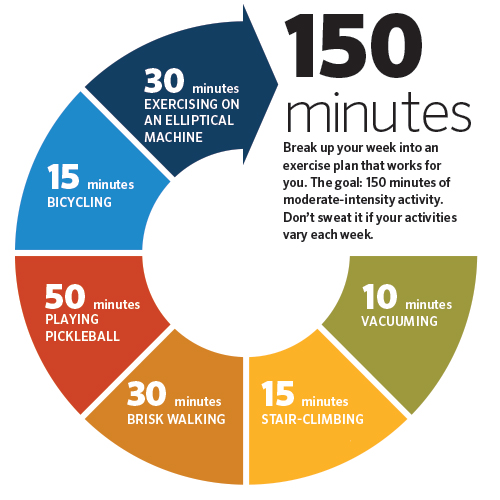
Image Source: drjohndarcy.com
The Core Guidelines: What Experts Recommend
Health experts around the world give clear advice on how much to move our bodies. The main goal for most adults is simple. It comes down to two numbers for aerobic activity. This is activity that gets your heart rate up.
The Weekly Time Goals
You need to do a certain amount of activity every week. There are two main paths you can follow, or you can mix them.
- Path 1: Moderate Activity: Do at least 150 minutes of moderate intensity activity each week. This is like a brisk walk.
- Path 2: Vigorous Activity: Do at least 75 minutes of vigorous intensity activity each week. This is like running.
Think of 75 minutes of vigorous activity as giving you the same health boost as 150 minutes of moderate activity. They are equal in terms of the benefit they give your body. This is the recommended weekly activity time for heart health and overall well-being. This exercise duration target is key.
Defining Intensity: Moderate vs. Vigorous Activity
What do “moderate” and “vigorous” really mean? It’s about how hard your body is working. There’s an easy way to tell the difference. It’s called the “talk test.”
What is Moderate Intensity?
When you do moderate activity, your heart beats faster. You breathe harder than usual. But you can still talk. You might not be able to sing, but you can have a conversation.
Examples of moderate intensity activity include:
- Brisk walking (about 3 miles per hour)
- Riding a bike on flat ground
- Playing doubles tennis
- Water aerobics
- Dancing
With moderate activity, you should feel warm. You should feel like you are working, but not struggling.
What is Vigorous Intensity?
When you do vigorous activity, your heart beats much faster. You breathe much harder. You can only say a few words at a time. You cannot have a conversation easily.
Examples of vigorous intensity activity include:
- Running or jogging
- Swimming laps
- Riding a bike fast or on hills
- Playing singles tennis
- Playing basketball
With vigorous activity, you should feel like you are really pushing yourself. It should feel hard. Your body works much harder in a shorter time. This is where your minutes of cardio become very effective quickly.
Table: Comparing Activity Levels
| Feature | Moderate Intensity | Vigorous Intensity |
|---|---|---|
| Breathing | Harder than normal, but comfortable | Much harder than normal, deep and fast |
| Heart Rate | Faster, but not racing | Much faster, racing |
| Talk Test | Can talk, but can’t sing | Can only say a few words |
| Effort Level | Feels like “some” effort | Feels like “hard” effort |
| Time Needed | 150 minutes per week | 75 minutes per week |
| Examples | Brisk walk, easy bike ride, dancing | Running, fast bike ride, swimming laps |
Why These Minutes Matter: The Health Benefits
Meeting the minimum weekly exercise goals is not just a random number. It brings many important health benefits of exercise. These benefits can make you live a longer, healthier, and happier life.
Protecting Your Heart
Regular exercise makes your heart stronger. A strong heart pumps blood better. This lowers your blood pressure. It lowers your bad cholesterol. It helps prevent heart disease, which is a major killer. Getting your minutes of cardio each week is like training your heart muscle.
Managing Your Weight
Being active helps you burn calories. This can help you keep a healthy weight. Or it can help you lose weight if you need to. Exercise also builds muscle. Muscle burns more calories than fat, even when you are resting.
Boosting Your Mood
Exercise is great for your brain. It can help reduce feelings of stress and anxiety. It can lift your mood. When you exercise, your brain releases chemicals that make you feel good. It can also help you sleep better, which also improves your mood.
Making Bones Stronger
Activities like walking, running, and dancing are weight-bearing. This means your bones support your weight. This helps make your bones stronger. Strong bones are less likely to break as you get older. This is especially important for preventing problems like osteoporosis.
Reducing Risks
Getting enough weekly activity lowers your risk of many serious diseases.
- Type 2 Diabetes: Exercise helps control blood sugar levels.
- Certain Cancers: Regular activity is linked to a lower risk of cancers like colon, breast, and lung cancer.
- Stroke: Exercise helps improve blood flow and reduces risk factors for stroke.
- Falls: For older adults, exercise helps improve balance and coordination, reducing the chance of falling.
These are just some of the amazing things exercise does for your body and mind. Meeting your recommended weekly activity time is an investment in your future health.
Going Beyond Cardio: The Role of Strength Training
The physical activity guidelines don’t just talk about cardio. They also include recommendations for making your muscles stronger. Strength training recommendations are a key part of a full exercise plan.
Why Lift Weights (or Use Your Body)?
Strength training does more than just build big muscles.
- Stronger Muscles: This makes everyday tasks easier, like carrying groceries or climbing stairs.
- Stronger Bones: Like weight-bearing cardio, strength training helps improve bone density.
- Improved Balance: Stronger muscles help you stay steady on your feet.
- Better Metabolism: Muscle burns more calories than fat, helping with weight management.
- Reduced Risk of Injury: Stronger muscles and joints are less likely to get hurt.
How Often for Strength?
Experts recommend doing muscle-strengthening activities at least two days a week.
These days should not be one after the other. Give your muscles a day to rest and recover between strength workouts.
You should work all the major muscle groups. These include your legs, hips, back, belly (abs), chest, shoulders, and arms.
You don’t need a gym or fancy weights. You can use your own body weight.
Examples of muscle-strengthening activities:
- Lifting weights
- Using resistance bands
- Doing push-ups, sit-ups, and squats
- Heavy gardening (like digging)
- Yoga
Aim for 8 to 12 repetitions for each exercise. Do 1 to 3 sets. The activity should feel hard by the last few tries. You should feel like you could not do many more.
Interpreting the Guidelines: Making Them Work For You
Knowing the numbers (150 moderate or 75 vigorous plus 2 days of strength) is the first step. The next step is figuring out how to fit this into your life. Interpreting these physical activity guidelines for your own situation is important.
Can You Break It Up?
Yes! You do not need to do all your exercise in one long session. You can spread your weekly exercise recommendations throughout the week. You can even break up your daily exercise into shorter bursts.
For a long time, experts said exercise had to be at least 10 minutes long to count. The newer physical activity guidelines say any amount of moderate or vigorous activity counts. A 5-minute brisk walk counts. Walking up stairs counts. A few minutes of jumping jacks counts.
This makes it much easier to reach your goals. You can add activity here and there throughout your day. Short bursts add up.
- Try a 10-minute brisk walk in the morning.
- Take a 15-minute walk at lunch.
- Do 10 minutes of dancing in the evening.
Do this five days a week, and you’ve met your 150-minute goal. This flexibility in exercise duration is very helpful.
Mixing It Up: Combining Moderate and Vigorous
Remember how 75 minutes of vigorous is equal to 150 minutes of moderate? You can mix and match!
You can do some moderate activity and some vigorous activity in the same week.
Here’s how you can figure it out:
- Every minute of vigorous activity counts as 2 minutes of moderate activity.
So, if you do:
- 30 minutes of vigorous activity (like running)
- This equals 60 minutes of moderate activity (30 x 2 = 60)
You would then need 90 more minutes of moderate activity (150 – 60 = 90) to reach the goal for the week.
Or, you could do:
- 60 minutes of moderate activity (like brisk walking)
- This counts as 60 minutes towards your 150 goal.
You would then need 45 minutes of vigorous activity (because 45 vigorous minutes = 90 moderate minutes, and 60 + 90 = 150) to reach the goal for the week.
Mixing different types of activity can keep things interesting. It also works your body in different ways. Having variety in your minutes of cardio can be fun.
More is Often Better
The minimum weekly exercise goals (150 moderate or 75 vigorous) are a great start. They give you important health benefits. But doing more than this can give you even greater benefits.
Experts say that doing 300 minutes of moderate activity (or 150 minutes of vigorous activity) per week can lead to more extensive health improvements. These include more help with weight management and even more protection against certain diseases.
However, there are points where the extra benefits start to become smaller. And doing extreme amounts of exercise can sometimes lead to injuries or other problems. For most people, reaching or slightly exceeding the 150/75 minute goal is enough to get most of the major health benefits.
Don’t feel like you must run a marathon every week. Focus on meeting the basic weekly exercise recommendations first. If you can do more and enjoy it, that’s great!
Starting Small is Okay
If you are not active now, the numbers 150 or 75 might seem big. That’s okay! The most important thing is to start moving.
Any activity is better than none. Even 10 minutes of walking a day is a good start. It’s much better than sitting all day.
Begin with small steps. Add a little more activity each week. Slowly build up the time you spend moving. Work towards the 150/75 minute goal over time. Don’t try to do too much too soon. This can lead to getting hurt or feeling discouraged.
Celebrate small wins. Every minute you move helps your health.
Special Cases: Different People, Different Needs
The physical activity guidelines for adults are a general rule. But some groups of people have different needs or recommendations.
Kids and Teens
Children and teenagers need more activity than adults. Experts recommend that kids aged 6 to 17 get at least 60 minutes of moderate to vigorous physical activity every day.
This daily activity should include:
- Aerobic activity (most of the 60 minutes should be moderate or vigorous).
- Muscle-strengthening activity (at least 3 days a week).
- Bone-strengthening activity (at least 3 days a week).
Bone-strengthening activities for kids include things like running, jumping, and playing sports like basketball.
Older Adults
The main weekly exercise recommendations (150 moderate or 75 vigorous) are also true for older adults.
However, older adults should also add activities that help with balance. This is very important to prevent falls. Examples include standing on one foot or Tai Chi.
Older adults should also understand how their health conditions might affect their ability to exercise. They should do activities that they can safely do. If they have health problems, they should talk to a doctor about what type and amount of exercise is right for them.
Pregnant Women
If a woman was active before pregnancy, she can usually continue her activity during pregnancy. She should talk to her doctor about what is safe. The general recommendation is 150 minutes of moderate aerobic activity per week during pregnancy and after giving birth.
Certain activities might not be safe during pregnancy, especially later on. Things like contact sports or activities where you could fall easily might be discouraged. Listening to your body is key.
People with Health Issues
If you have a health problem, like heart disease, diabetes, joint pain, or any other ongoing condition, exercise is often very helpful. But it’s very important to talk to your doctor before starting a new exercise plan.
Your doctor can help you understand:
- What types of activities are safe for you.
- How hard you should exercise.
- Any activities you should avoid.
- How exercise might affect your medications.
Even people with disabilities can benefit greatly from physical activity. They should work with a doctor or a physical activity expert to find the right types and amounts of activity for their abilities.
Tips for Meeting Your Weekly Goals
Hitting 150 minutes of moderate exercise (or 75 vigorous) and two days of strength training every week might sound like a lot. But with some planning, it’s very doable. Here are some simple tips.
Plan Your Week
Look at your week ahead of time. Find blocks of time when you can be active. Schedule your exercise like you schedule other important things, like meetings or appointments.
Write it down in your calendar or phone. This makes it more likely that you will do it.
Think about what kind of activity you will do at each time. Will you walk? Go to a class? Lift weights?
Find Activities You Enjoy
You are more likely to stick with exercise if you like what you are doing. Don’t force yourself to do something you hate.
Try different things until you find something you look forward to.
- Do you like being outside? Try walking, running, or biking in a park.
- Do you like being with people? Join a fitness class, a sports team, or a walking group.
- Do you like quiet time? Try swimming laps or using an exercise bike at home.
- Do you like music? Try dancing or using a cardio machine while listening to tunes.
There are endless ways to be active. Find what makes you happy. This makes getting your minutes of cardio and strength training much easier.
Track Your Progress
Keeping track of how much you exercise can be motivating.
You can use:
- A simple notebook and pen.
- A fitness app on your phone.
- A wearable device like a fitness tracker watch.
Seeing how much you have done can make you feel good. It also helps you see if you are reaching your weekly exercise recommendations. If you are falling short, it reminds you to add more activity.
Tracking your exercise duration helps you stay accountable to yourself.
Be Consistent
Trying to do all your exercise in one or two days is hard. It’s also less effective for your health. It’s better to spread your activity throughout the week.
Aim for regular activity. Even short, regular bursts are better than one very long session once in a while.
Consistency helps your body adapt and get stronger over time. It also helps make exercise a regular part of your life, like eating or sleeping.
If you miss a day or two, don’t worry about it. Just get back on track with your next planned activity. Don’t let one missed session derail your whole week.
Use Everyday Life
Look for chances to be more active during your normal day. These minutes add up quickly and count towards your total.
- Take the stairs instead of the elevator.
- Park farther away from the door.
- Walk or bike for short trips instead of driving.
- Do chores around the house or yard work.
- Walk during phone calls.
- Get up and move around for a few minutes every hour if you have a desk job.
All these small bits of movement contribute to your recommended weekly activity time.
Summing It Up: Reaching Your Weekly Activity Goals
So, how many minutes of exercise per week do experts say?
- Adults: 150 minutes of moderate aerobic activity OR 75 minutes of vigorous aerobic activity per week (or a mix). PLUS muscle strengthening at least 2 days a week.
- Kids/Teens (6-17): 60 minutes of moderate to vigorous activity every day. Including muscle and bone strengthening at least 3 days a week.
- Older Adults: Same as adults, plus balance exercises. Talk to a doctor about health conditions.
- Pregnant Women: 150 minutes of moderate aerobic activity per week. Talk to a doctor.
- People with Health Issues: Talk to a doctor to find a safe plan.
These are the basic physical activity guidelines. They are designed to help you gain major health benefits of exercise. Reaching these weekly exercise recommendations can seem like a lot at first. But you can break it up into smaller chunks throughout the week. Find activities you enjoy. Plan ahead. Track your progress. Be consistent. Use everyday chances to move more.
Meeting your minimum weekly exercise goals is a powerful way to improve your health, feel better, and live life to the fullest. Start today, even if it’s just for a few minutes. Every minute counts!
Frequently Asked Questions (FAQ)
What if I can’t reach the goals right away?
That is perfectly fine. The most important thing is to start moving more than you are now. Any amount of activity gives you some health benefits. Begin with a small goal, like 30 minutes of walking spread across the week. Then, slowly add a little more time each week. Work your way up to the 150 or 75-minute goal over time. Don’t get discouraged.
Does walking count as exercise?
Yes! Brisk walking is a great example of moderate intensity activity. If you walk fast enough that your heart rate goes up and you breathe harder, but can still talk, it counts towards your 150 minutes of moderate activity. Walking uphill or walking very fast can even become vigorous activity.
How short can an exercise session be?
The latest guidelines say any amount of moderate or vigorous activity counts. You don’t need to wait until you have a 10-minute block of time. A 5-minute walk, taking the stairs, or a few minutes of jumping jacks all count towards your weekly exercise recommendations. Short bursts add up over the day and week.
Do everyday activities count?
Yes, if they are done at a moderate or vigorous intensity. Things like:
- Heavy yard work (digging, pushing a heavy mower)
- Fast dancing
- Carrying heavy groceries
- Playing actively with children or pets
These can count towards your minutes of cardio or strength goals if they meet the intensity requirements. However, light activities like standing or walking slowly don’t usually count towards the 150/75 minute target. They are still good for you, but they don’t provide the same level of heart and lung benefits as moderate or vigorous activity.
Is it okay to do all my exercise on the weekend?
Doing all your recommended weekly activity time in one or two longer sessions on the weekend is sometimes called being a “weekend warrior.” Research shows this can still provide significant health benefits of exercise, similar to spreading activity throughout the week. However, there might be a higher risk of injury when doing long, intense workouts after being inactive all week. It’s generally best for consistency, energy levels, and possibly injury prevention to spread your exercise duration throughout the week if you can. But if the weekend is the only time you have, doing it then is much better than not doing it at all.