How much activity does a dog need per day? There’s no single answer that fits all dogs. Your dog’s daily exercise requirements change based on many things. Think about their breed, age, health, and more. Every dog is different. But giving your dog enough exercise each day is key to a happy and healthy life for them. It helps their body and their mind stay strong.
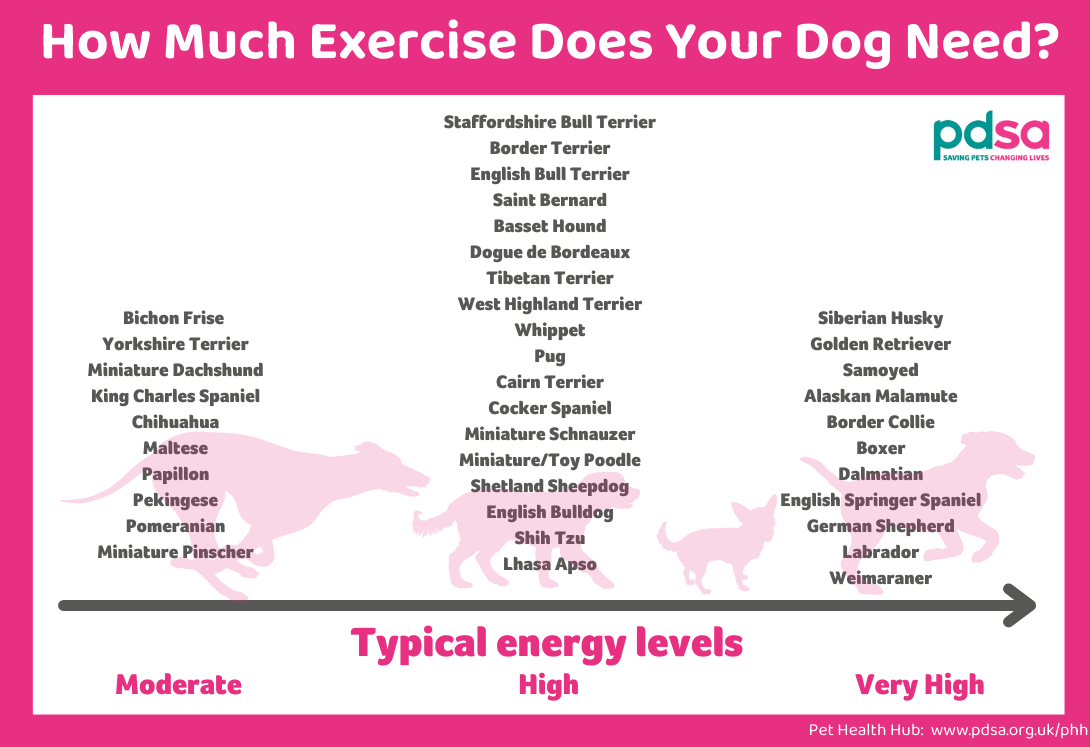
Image Source: www.pdsa.org.uk
Why Your Dog Needs Daily Movement
Exercise is more than just walks. It is vital for your dog’s overall health. It helps them stay at a healthy weight. This lowers the chance of problems like joint pain or heart issues. Exercise also makes their muscles and bones stronger.
Beyond the body, exercise is great for your dog’s mind. It helps lower stress and anxiety. It gives them something to do. A dog with enough exercise is often calmer at home. They are less likely to chew things they shouldn’t. They are also less likely to bark too much or dig up the yard. It uses up their energy in a good way.
Factors Affecting Dog Exercise Needs
How much exercise your dog needs isn’t the same as the dog next door. Several key things change their needs.
Dog Breed Exercise Needs
Your dog’s breed is a big clue. Different breeds were bred for different jobs.
* Working Breeds: Dogs like Border Collies, Huskies, or Australian Shepherds were bred to work all day. They need a lot of exercise. Often 1-2 hours or more of vigorous activity daily.
* Sporting Breeds: Labs, Golden Retrievers, and Spaniels love to run and fetch. They need active play and walks, maybe 60-90 minutes a day.
* Terriers: Terriers are energetic and love to dig and chase. They need a mix of walks, playtime, and maybe digging in a special spot. Around 60 minutes a day is often needed.
* Hound Breeds: Beagles and scent hounds need long walks to sniff and explore. Sighthounds like Greyhounds may enjoy short, fast runs followed by naps. Needs vary widely in this group, from 30 minutes to over an hour.
* Toy Breeds: Small dogs like Chihuahuas or Yorkies may get enough exercise just running around the house and yard. But they still benefit from short walks, maybe 20-30 minutes daily, for mental stimulation and training.
* Brachycephalic Breeds: Flat-faced breeds like Pugs, Bulldogs, and Boxers can have trouble breathing. They need shorter, less intense exercise. Be very careful in hot weather. Maybe 20-40 minutes of gentle activity is enough.
* Giant Breeds: Large breeds like Great Danes or Mastiffs don’t always need hours of running. They need regular, moderate exercise to support their large bodies, maybe 30-60 minutes a day.
This is just a general guide. Some dogs are different from the breed standard. Always watch your dog.
Age Changes Exercise Needs
A dog’s age is a huge factor.
* Puppies: Puppy exercise needs by age are special. Too much exercise can hurt their growing joints.
* Adults: Most healthy adults fall into the general guidelines.
* Seniors: Senior dog exercise routine should be gentle.
We will look more at age later.
Health Matters A Lot
Your dog’s health is very important. If your dog has:
* Arthritis or joint pain
* Heart or breathing problems
* Injuries
* Overweight issues
* Other medical conditions
…they will need less exercise. Or they will need different kinds of exercise. Always talk to your vet about the right amount and type of exercise if your dog has health issues. A vet can help you create a safe plan.
Size and Weight Play a Role
Body size and weight do matter, but it’s linked to breed and health too. A small, high-energy dog might need more than a large, lazy one. An overweight dog needs careful, slow exercise at first. Increase it slowly as they get fitter.
Dog Personality Differences
Just like people, dogs have different energy levels. Some dogs are naturally active and playful. They always want to go! Others are happy to nap most of the day. Pay attention to your dog’s own personality. Do they seem restless? Do they look tired after just a short walk? Their behavior tells you a lot about their needs.
Weather Conditions
The weather outside affects how long or intense exercise should be.
* Hot Weather: Dogs can overheat fast, especially flat-faced breeds or those with thick fur. Exercise early in the morning or late in the evening. Keep it short and low intensity. Bring water! Hot pavement can burn paws.
* Cold Weather: Very cold weather or ice can be dangerous. Some dogs need coats or booties. Watch for signs of being too cold. Exercise might need to be shorter.
* Rain/Snow: Some dogs love it! Others hate getting wet or cold. Adjust based on your dog’s preference and safety.
Grasping General Dog Exercise Guidelines
So, what are the general rules? These are Dog exercise guidelines.
* Most adult dogs: Need at least 30 to 60 minutes of physical activity every day.
* High-energy breeds: May need 1-2 hours or even more.
* Low-energy breeds or seniors: Might be happy with 20-30 minutes.
This daily total can be broken up. Two or three shorter walks or play sessions can be better than one long one. Mixing physical activity with mental games is ideal.
Exercise Needs by Age Group
Let’s look closer at how age changes things.
Puppy Exercise Needs by Age
Puppies are bundles of energy! But they are still growing. Their bones and joints are soft. Too much running or jumping on hard surfaces can cause problems later in life.
* A Simple Rule: A common guide for puppies is 5 minutes of structured exercise (like a walk) per month of age, done twice a day.
* 2 months old: 10 minutes, twice a day = 20 minutes total structured exercise.
* 3 months old: 15 minutes, twice a day = 30 minutes total structured exercise.
* 4 months old: 20 minutes, twice a day = 40 minutes total structured exercise.
* Free Play is Good: Let puppies play on grass or soft ground. Short bursts of play with you or other puppies are great. Just don’t force them to run long distances.
* Training Counts: Short training sessions are mental exercise. This also tires them out in a good way.
* Watch for Tiredness: Puppies play hard and then crash. Stop exercise or play when they seem tired. Don’t push them too hard.
* Growing Needs: Puppy exercise needs by age increase slowly as they get older. By 6-12 months (depending on breed), they will need more exercise, like adult dogs.
Adult Dog Exercise
Once a dog is fully grown (usually between 1-2 years old, depending on size), they fall into the adult category.
* Typical Needs: As mentioned, 30-60 minutes of exercise is common. High-energy breeds need much more. Lower-energy breeds need less.
* Mix It Up: Adult dogs benefit from different types of exercise. Walks, runs, fetching, swimming, dog parks, hiking are all options.
* Daily Habit: Aim for daily activity. Consistency is key to keeping them happy and healthy. Daily dog exercise requirements should be met most days.
Senior Dog Exercise Routine
Older dogs still need to move! It helps keep them mobile and healthy. But their needs change.
* Lower Intensity: Senior dog exercise routine should be gentle. No intense running or jumping.
* Shorter Duration: Shorter, more frequent outings might be better than one long one. Maybe 15-30 minutes of gentle walking daily.
* Watch for Pain: Look for signs of stiffness or pain during or after exercise.
* Swimming: If possible, swimming is great for seniors. It’s easy on their joints.
* Mental Activity: Mental games are still important. Puzzle toys or learning gentle new tricks are good.
* Listen to Your Dog: If they are slow to get up or seem tired, they need less. If they seem eager to go, they can probably handle a bit more.
Recommended Daily Exercise Times
Let’s talk about how long specific activities might take.
Recommended Dog Walking Time
Walking is the most common form of exercise.
* Low-Energy Dogs: 20-30 minutes per day might be enough, possibly split into two walks.
* Average Dogs: 30-60 minutes per day. This could be one longer walk or two shorter ones. A brisk pace is often better than a slow sniff-stroll for physical benefit.
* High-Energy Dogs: 60-120 minutes or more per day. This might include multiple walks plus other activities like running or fetching.
Remember, Recommended dog walking time is just one part of their total activity. Playtime, training, and other exercises add to the total.
Types of Exercise for Dogs
Exercise isn’t just walking on a leash. There are many Types of exercise for dogs. It’s good to offer a mix of physical and mental activity.
Physical Exercise
These work the body:
* Walking: The basic and most common. Good for physical health and sniffing (mental!). Vary routes.
* Running: If your dog’s breed and health allow, running with you (or off-leash in safe areas) is great for burning energy.
* Fetching: A classic! Great for high-energy dogs. Make sure the dog enjoys bringing the toy back.
* Swimming: Excellent low-impact exercise, especially for dogs with joint issues or in hot weather. Many dogs love water.
* Hiking: Offers varied terrain and lots of new smells. Great physical and mental workout. Be aware of wildlife and trail rules.
* Dog Parks: Lets dogs play and socialize with other dogs. Watch for signs of stress or aggression. Make sure it’s a good fit for your dog’s personality.
* Flirt Pole: A toy on a stick that you use to make the dog chase and “catch” the lure. Great for burning energy in a small space.
* Agility or Dock Diving: More structured sports that offer intense physical and mental challenges. Requires training.
Mental Exercise
These work the brain:
* Training Sessions: Even short, 5-10 minute training sessions tire a dog out mentally. Learning new commands or practicing old ones is engaging.
* Puzzle Toys: Toys that hide treats and require the dog to figure out how to get them out. Great for solo mental stimulation indoors.
* Sniff Walks: Let your dog take the lead on a walk and sniff everything! Smelling is how dogs learn about the world. It’s very tiring for their brain.
* Hide and Seek: Hide yourself or treats/toys and have your dog find them.
* Learning New Tricks: Teaching them something new uses their brain power.
* Kongs or Lick Mats: Filling these with food (like peanut butter or yogurt) keeps them busy and can be calming.
Mixing physical and mental exercise is the best way to meet your dog’s needs.
Signs Your Dog Needs More Activity
How can you tell if your dog isn’t getting enough? Watch for these Signs dog isn’t getting enough exercise:
* Destructive Chewing: Chewing furniture, shoes, or other household items. They have too much energy or are bored.
* Excessive Barking or Whining: Especially when left alone or when you are busy.
* Digging: In the yard, in carpets, or anywhere they can.
* Hyperactivity Indoors: Running through the house, being jumpy, not being able to settle down.
* Pacing or Restlessness: Can’t seem to get comfortable.
* Constantly Seeking Attention: Nudging you, bringing toys non-stop, being pushy because they are bored.
* Weight Gain: If they are eating right but still gaining weight, they might not be burning enough calories.
* Acting Bored or Depressed: Lack of interest in things they usually enjoy.
* Rough Play: Playing too roughly with you or other dogs.
* Trouble Sleeping: Restlessness at night.
If you see these signs, try increasing their exercise gradually. See if their behavior improves.
Building a Daily Exercise Plan
Making exercise part of your daily routine is important.
* Consistency: Try to exercise your dog around the same times each day. Dogs like knowing what to expect.
* Morning and Evening: Many dogs benefit from a good walk or play session in the morning to burn off overnight energy and again in the evening to relax before bed.
* Break it Up: If your dog needs 60 minutes, two 30-minute sessions might be easier on them (and you!) than one long hour.
* Include Mental Work: Don’t forget training or puzzle toys. Even 10-15 minutes of mental work can be very tiring for a dog.
* Be Flexible: Some days won’t go as planned. That’s okay! Just get back on track the next day. Adjust the plan based on weather or how your dog is feeling.
Keeping Exercise Fun
Exercise should be fun for both of you!
* Variety: Don’t just do the same walk every day. Explore new routes, parks, or trails.
* Toys: Use toys your dog loves. Fetch is great if they love a ball. Tug is fun if they enjoy it (teach rules!).
* Socialization: If your dog enjoys other dogs, safe playtime at a dog park or with doggy friends is wonderful exercise and social time.
* Your Involvement: Play with your dog. Don’t just let them out in the yard alone (unless they are actively running and playing). Tug, fetch, or hide-and-seek make it interactive.
* Sign Up: Consider dog sports like agility, obedience, or flyball if you and your dog enjoy structure and learning.
Safety First When Exercising
Always put safety first.
* Check Weather: Don’t exercise in extreme heat or cold.
* Water: Always bring water, especially on longer walks or warm days.
* Paws: Check paw pads for cuts, cracks, or burns (from hot pavement).
* Leash and Collar/Harness: Use secure gear. Make sure the collar or harness fits well.
* Awareness: Be aware of your surroundings – cars, bikes, other dogs, people, wildlife.
* Pick Up Poop: Always clean up after your dog. It’s polite and prevents the spread of illness.
* Know Limits: Watch for signs of tiredness or pain in your dog. Stop exercise if they seem worn out, panting too much, or limping.
* Vet Check: Regular vet check-ups ensure your dog is healthy enough for their exercise routine.
Final Thoughts on Dog Exercise
Finding the right amount of exercise for your dog is vital for their well-being. It’s not just about meeting Daily dog exercise requirements from a chart. It’s about paying attention to your unique dog.
Consider their breed, age, health, and personality. Provide a mix of physical and mental activities. Watch for the Signs dog isn’t getting enough exercise. Adjust their routine as they get older or if their health changes.
A well-exercised dog is generally a happier, healthier, and better-behaved member of the family. Making time for your dog’s exercise needs is an investment in their long and joyful life with you.
Common Questions About Dog Exercise
FAQ
Can my dog get too much exercise?
Yes, they can. Too much exercise can cause injury, especially in puppies or senior dogs. Look for signs like heavy panting that doesn’t stop, limping, stiffness, extreme tiredness, or not wanting to move. Always end exercise before your dog is completely exhausted.
How many walks a day does a dog need?
Many dogs do well with two walks a day, one in the morning and one in the evening. High-energy dogs might need more frequent or longer walks. Low-energy or senior dogs might only need one or shorter potty breaks plus some gentle movement. It depends on the dog’s total daily needs.
What if my dog is lazy and doesn’t want to exercise?
First, rule out any health issues with a vet visit. If they are healthy but just not motivated, try making exercise more fun. Use high-value treats, exciting toys, or find a dog friend for them to play with. Start slowly and increase activity gradually. Sometimes, dogs need to build stamina.
Does playtime in the yard count as exercise?
It can, but it depends on what your dog is doing. If they are actively running, fetching, or playing with another dog, yes. If they just go outside to lie down or wander slowly, it doesn’t count as vigorous exercise. Supervised, active playtime is best.
Is mental exercise really important?
Absolutely! Mental stimulation tires dogs out just like physical activity. Training, puzzle toys, and ‘sniff walks’ are crucial for their brain health and can prevent boredom and related bad behaviors.
How does spaying or neutering affect exercise needs?
Spaying or neutering can sometimes slightly lower a dog’s energy level, but it doesn’t drastically change their core exercise needs based on breed, age, or personality. It’s important to maintain regular exercise after the procedure to help manage their weight, as metabolism can sometimes slow down.