Opening a gym can be a rewarding path, but it comes with significant costs. How much would it cost to open a gym? The simple answer is that it varies a lot, typically ranging from $50,000 for a small, specialized studio to over $500,000 or even millions for a large commercial fitness center. These costs include everything from finding a place and buying equipment to getting the right papers and paying staff. Knowing these costs helps you plan and figure out if your dream gym can become real. Let’s break down the money needed step by step.
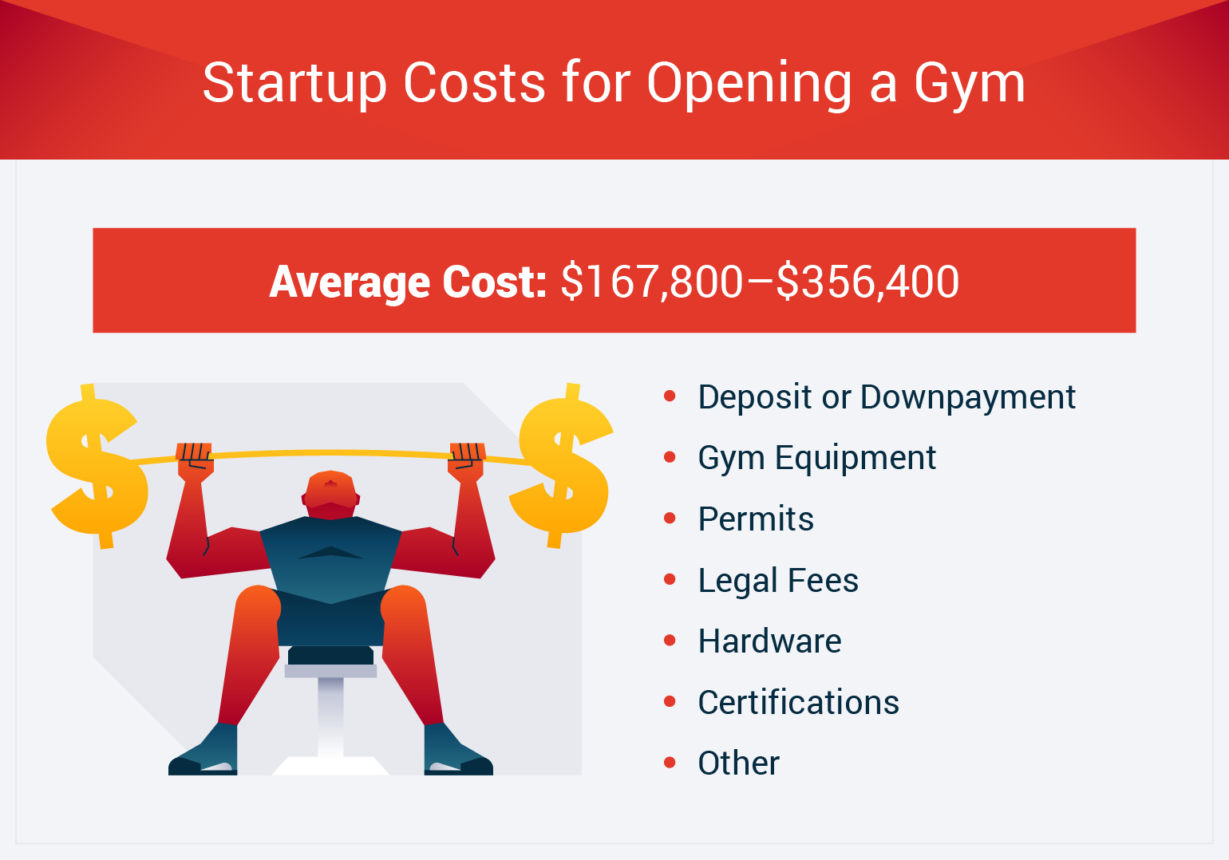
Image Source: gymdesk.com
Initial Investment: Figuring Out Gym Startup Costs
When you first decide to open a gym, you need money for many things before you open the doors. These are your main gym startup costs. Think of this as building the base for your business. This phase involves some of the biggest expenses you will face. Planning these costs carefully is very important.
Location, Location, Location: Real Estate Costs
Finding the right place for your gym is key. This is often one of the biggest costs. You have two main choices: rent a space or buy a space.
-
Renting a Space: This is often cheaper upfront. You will pay a security deposit, usually equal to a few months of rent. You will also pay the first month’s rent. The monthly rent cost varies greatly depending on where the space is. A spot in a busy city area costs much more than a spot in a smaller town or a less popular part of the city. You might pay anywhere from a few thousand dollars to tens of thousands of dollars each month for rent. You also need money to make the rented space ready for a gym. This is called a build-out or renovation. This can cost a lot, sometimes more than the first year’s rent. Think about flooring, walls, changing rooms, and special areas for different workouts.
-
Buying a Space: Buying property costs much more money at the start. You will need a large down payment for a mortgage. The total cost depends on the size and location. Buying gives you full control and builds value over time. But it ties up a lot of capital. You still need money for renovations if the building is not ready to be a gym. The cost to build a gym from scratch is usually the most expensive option for real estate. It involves buying land and paying for all construction. This path has very high gym startup costs.
Let’s look at some possible real estate numbers.
Table: Example Real Estate Startup Costs (Initial)
| Item | Cost Range (Renting) | Cost Range (Buying) | Notes |
|---|---|---|---|
| Security Deposit | $3,000 – $30,000+ | N/A | Usually 1-3 months rent |
| First Month’s Rent | $1,000 – $10,000+ | N/A | Varies by location and size |
| Property Down Payment | N/A | $50,000 – $500,000+ | Typically 10-25% of property price |
| Build-out/Renovation Costs | $10 – $100+ per sq ft | $50 – $200+ per sq ft | Can vary hugely based on work needed |
| Total Initial Real Estate | $4,000 – $140,000+ | $100,000 – $700,000+ | Very wide range. Renting is cheaper initially. |
Remember, these are just initial costs. Renting has ongoing monthly costs (rent), while buying has ongoing mortgage payments, property taxes, and maintenance.
Stocking Your Gym: Gym Equipment Costs
Okay, you have a place. Now you need stuff for people to work out with! Gym equipment costs are a major part of your startup budget. What you buy depends on the type of gym you want. A small studio needs less than a big commercial gym.
Direct Answer: What are gym equipment costs? They are the prices you pay for all the machines, weights, benches, mats, and other items people use to exercise in your gym. These costs can range from $10,000 for a very basic setup to over $300,000 for a large gym with top-of-the-line machines.
Let’s list the types of equipment you might need:
- Cardio Machines: Treadmills, ellipticals, bikes, rowers. These can be expensive, often thousands of dollars each.
- Strength Machines: Machines for legs, arms, chest, back. Each machine costs money.
- Free Weights: Dumbbells, barbells, weight plates, kettlebells. You need many different weights.
- Benches and Racks: Flat benches, adjustable benches, squat racks, power racks.
- Accessories: Yoga mats, resistance bands, jump ropes, stability balls, foam rollers. These are cheaper per item but add up.
- Flooring: Special gym flooring is needed to protect the floor and equipment, and for safety. This is a big cost.
You can save money on equipment by buying used gear or leasing equipment instead of buying it all at once. Leasing spreads the cost over time but might cost more in the long run. Buying new equipment is the most expensive upfront but comes with warranties.
Table: Example Gym Equipment Costs
| Item Category | Cost Range (New) | Cost Range (Used) | Notes |
|---|---|---|---|
| Cardio Machines | $2,000 – $10,000+ each | $800 – $5,000+ each | Need multiple units |
| Strength Machines | $1,500 – $8,000+ each | $600 – $3,500+ each | Need various types |
| Free Weights | $5,000 – $50,000+ | $2,000 – $25,000+ | Depends on quantity and weight range |
| Benches & Racks | $3,000 – $20,000+ | $1,000 – $10,000+ | Need multiple types |
| Accessories | $1,000 – $5,000+ | $500 – $2,500+ | Mats, bands, etc. |
| Flooring | $3 – $15+ per sq ft | Varies (labor key) | Can be a major expense |
| Total Equipment | $50,000 – $300,000+ | $20,000 – $150,000+ | Wide range based on size and quality |
Choosing quality equipment is important for safety and for keeping members happy. But starting with some used or leased items can help lower initial gym startup costs.
Going Legit: Gym Licenses and Permits Cost
To run a legal business, you need permission from the government. This means paying for licenses and permits.
Direct Answer: What are gym licenses and permits cost? They are fees required by city, state, and federal governments to legally operate your gym. These costs can range from a few hundred dollars to several thousand dollars, depending on your location and the specific permits needed.
Here are some common ones:
- Business License: A basic license to operate any business.
- Zoning and Building Permits: To make sure your location is allowed to be a gym and that any building work is safe and meets rules.
- Health Permits: To ensure your facility is clean and safe, especially if you have showers or a pool.
- Occupancy Permit: Says how many people can be in the gym at once.
- Music Licensing: If you play music in your gym (which most do), you need licenses from groups like ASCAP or BMI. This is an ongoing cost, but getting it set up is part of initial planning.
- Signage Permits: Permission to put up signs outside your gym.
- Specialized Activity Permits: Depending on your offerings (e.g., a climbing wall, a pool), you might need extra permits.
The cost for these permits adds up. You often pay application fees and sometimes renewal fees. It’s crucial to check with your local city and state governments to know exactly what you need and how much it costs. This is a necessary part of the cost of opening a fitness center.
Table: Example Licenses and Permits Costs (Initial)
| Item | Cost Range | Notes |
|---|---|---|
| Business License | $50 – $500 | Annual renewal often required |
| Zoning & Building Permits | $200 – $5,000+ | Varies hugely by project complexity |
| Health & Safety Permits | $100 – $1,000 | Often annual renewal |
| Occupancy Permit | $50 – $500 | Usually one-time or infrequent renewal |
| Music Licensing (Initial) | $200 – $1,000 | Annual fees apply after |
| Signage Permits | $50 – $300 | Per sign or project |
| Total Initial Licenses/Permits | $650 – $8,300+ | Can be higher for complex builds |
Don’t forget these smaller fees. They are essential for running your business legally and safely.
Legal Steps and Other Fees
Starting a business involves legal paperwork and sometimes getting advice. You might need to pay lawyers or accountants.
- Business Formation: Costs to register your business name and structure (like an LLC or Corporation).
- Legal Review: A lawyer can check your lease or purchase agreement and advise on liability waivers for members.
- Accounting Setup: An accountant can help set up your bookkeeping system.
These costs can range from a few hundred dollars for simple tasks to several thousand if you need extensive legal advice or custom contracts.
Getting the Word Out: Initial Marketing
Before you open, you need to tell people you exist! Initial marketing costs include things like:
- Creating a logo and brand identity.
- Building a simple website.
- Getting signs made for your building.
- Advertising before opening (online ads, local flyers, community events).
- Hosting a grand opening event.
Budgeting for this helps create buzz and attract your first members.
Tech Tools: Software Costs
You’ll need software to manage members, process payments, schedule classes, and track attendance. Many companies offer this as a monthly subscription, but there might be initial setup fees.
First Stock of Goods (Optional)
Some gyms sell things like water bottles, protein bars, t-shirts, or towels. You might need money to buy the first batch of these items to sell.
Summary Table: Estimated Total Initial Startup Costs
| Cost Category | Estimated Range (Low-End Studio) | Estimated Range (Mid-Size Gym) | Estimated Range (Large Commercial Gym) |
|---|---|---|---|
| Real Estate (Initial) | $4,000 – $20,000 (Rent) | $20,000 – $100,000 (Rent/Lite Renovation) | $100,000 – $700,000+ (Buy/Heavy Renovation) |
| Equipment Costs | $10,000 – $30,000 | $50,000 – $150,000 | $150,000 – $300,000+ |
| Licenses & Permits Cost | $700 – $2,000 | $1,000 – $5,000 | $2,000 – $10,000+ |
| Legal/Professional Fees | $500 – $2,000 | $1,000 – $4,000 | $2,000 – $10,000+ |
| Initial Marketing | $1,000 – $5,000 | $3,000 – $10,000 | $5,000 – $20,000+ |
| Software Setup | $500 – $1,500 | $1,000 – $3,000 | $2,000 – $5,000+ |
| Initial Inventory (Optional) | $0 – $1,000 | $500 – $3,000 | $1,000 – $5,000+ |
| Estimated Total Initial | $16,700 – $61,500 | $76,500 – $285,000 | $262,000 – $1,150,000+ |
This table shows the huge range. A small, focused gym (like a yoga or personal training studio) costs much less to start than a large fitness center with lots of equipment and space. The average cost to start a gym falls somewhere in the middle of this wide range, often between $100,000 and $300,000 for a mid-sized facility.
Keeping the Doors Open: The Operating Costs of a Gym
Once your gym is open, you have bills you need to pay regularly. These are the operating costs of a gym. These costs happen every month or every year to keep your business running. You need to make sure the money coming in from members is more than these costs.
Rent or Mortgage Payments
If you rent your space, you have a monthly rent payment. If you bought the building, you have a monthly mortgage payment, plus property taxes and building insurance (which are also operating costs). This is usually the biggest ongoing expense.
Keeping the Lights On: Utilities
Gyms use a lot of electricity for lights, machines, air conditioning, and heating. You will also have water and maybe gas bills. Utility costs can be high, especially in places with hot or cold weather.
Paying Your Team: Payroll
You will need staff to run your gym. This includes:
- Receptionists or front desk staff.
- Fitness trainers or class instructors.
- Sales staff (to sign up new members).
- Cleaners.
- A manager.
Paying salaries, wages, and possibly benefits is a major operating cost of a gym. The cost depends on how many staff you have and how much you pay them.
Staying Visible: Ongoing Marketing
Even after you open, you need to keep marketing to attract new members and keep current ones. This includes:
- Running online ads.
- Email marketing.
- Social media posting.
- Local promotions or partnerships.
- Website maintenance.
This is a necessary ongoing expense to grow your business.
Safety First: Insurance
You need insurance to protect your gym business. This includes liability insurance in case someone gets hurt, property insurance for your building and equipment, and possibly workers’ compensation insurance for your staff. Insurance is a must and is an ongoing cost.
Fixing Things: Maintenance and Repairs
Machines break. Things get worn out. You need money set aside for fixing equipment, repairing the building, and general upkeep. Regular maintenance helps prevent bigger, more expensive problems later.
Running the Tech: Software Subscriptions
Remember the membership software? You’ll likely pay a monthly or yearly fee for this. Other software might include accounting programs or marketing tools.
Supplies: Cleaning and More
You need to keep the gym clean and stocked. This means buying cleaning supplies, paper towels, toilet paper, soap, and maybe towels if you provide them.
Table: Example Monthly Operating Costs
| Cost Category | Estimated Monthly Range (Small Studio) | Estimated Monthly Range (Mid-Size Gym) | Estimated Monthly Range (Large Commercial) |
|---|---|---|---|
| Rent/Mortgage/Taxes | $1,000 – $5,000 | $5,000 – $15,000 | $15,000 – $40,000+ |
| Utilities | $300 – $1,000 | $800 – $3,000 | $2,000 – $8,000+ |
| Payroll & Staffing | $2,000 – $6,000 | $6,000 – $20,000 | $20,000 – $60,000+ |
| Ongoing Marketing | $100 – $500 | $300 – $1,500 | $1,000 – $5,000+ |
| Insurance | $100 – $300 | $300 – $1,000 | $800 – $3,000+ |
| Maintenance & Repairs | $50 – $200 | $200 – $800 | $500 – $2,000+ |
| Software Subscriptions | $50 – $200 | $100 – $500 | $300 – $1,000+ |
| Supplies | $50 – $150 | $100 – $400 | $300 – $1,000+ |
| Estimated Total Monthly | $3,650 – $13,350 | $12,800 – $41,200 | $40,900 – $121,000+ |
These are just estimates. Your actual operating costs of a gym will depend on your specific business, its size, location, and how efficiently you run it. You need enough money saved to cover these costs for several months when you first open, as it takes time to get enough members.
Choosing a Chain: The Gym Franchise Cost
Another way to open a gym is to buy into a franchise. This means you pay a larger company for the right to use their name, logo, and business system.
Direct Answer: What is gym franchise cost? It is the total money needed to buy into a specific gym brand, covering initial fees and ongoing payments for using their system and name. This can add significant costs on top of the regular gym startup and operating expenses.
Here are the main costs for a gym franchise:
- Initial Franchise Fee: A large one-time fee you pay to the franchise company to join their system. This fee varies greatly between brands, from $20,000 to $50,000 or even much higher for well-known names. This is a big part of the initial gym startup costs for a franchise.
- Royalty Fees: Ongoing payments to the franchise company, usually a percentage of your gym’s monthly revenue (like 5-8%). This is an ongoing operating cost.
- Marketing Fund Contributions: Many franchises require you to pay a percentage of your revenue into a shared marketing fund that the main company uses for national or regional advertising. This is another ongoing cost.
- Specific Build-out/Equipment Needs: Franchises often have strict rules on how the gym looks and what equipment you must buy. This can make your build-out and gym equipment costs higher because you have less choice.
While a franchise provides a proven model and brand recognition, the extra fees mean the total gym startup costs and ongoing operating costs for a franchise are often higher than starting your own independent gym. However, it can lower some risks because you are following a set plan.
Table: Example Gym Franchise Costs (Added to Regular Costs)
| Cost Category | Cost Type | Estimated Range | Notes |
|---|---|---|---|
| Initial Franchise Fee | Initial | $20,000 – $50,000+ | One-time fee |
| Royalty Fees | Ongoing | 5-8% of Gross Revenue | Paid regularly (usually monthly) |
| Marketing Fund Contribution | Ongoing | 1-3% of Gross Revenue | Paid regularly (usually monthly) |
| Franchise-Required Build-out | Initial | Often higher | Follows strict brand standards |
| Franchise-Required Equipment | Initial | Often higher | Must use specific approved vendors/types |
Factor these extra layers of cost if you are thinking about the franchise route.
Building vs. Renting: Figuring Out the Cost
We touched on this under real estate, but let’s look at the difference more clearly.
Direct Answer: What is the cost to build a gym? The cost to build a gym from the ground up involves buying land and paying for all construction work, which is generally much higher in initial cost than renting and renovating an existing space. It could easily be $150 – $400 per square foot or more for the building itself, not counting the land or interior fit-out.
- Cost to Build a Gym: This is for a brand new building. You buy land, hire architects, engineers, and construction workers. This is a massive project with high upfront costs. The cost per square foot for building is significant. However, you get exactly the space you want and own the asset.
- Cost to Rent and Renovate: You find an existing building (like a former store or warehouse) and pay to change it into a gym. This involves demolition, new walls, flooring, electrical, plumbing, etc. The cost is the rental deposit/first rent plus the renovation price. This is usually less expensive at the start than building new.
Think about your long-term plans and how much money you have available at the start when deciding whether to build or rent. Renting gets you open faster with less initial money, but you don’t own the building. Building takes longer and costs much more upfront, but you build equity.
Planning Your Gym: The Gym Business Plan Cost
Before you spend any money, you should create a detailed plan for your business. This is called a business plan.
Direct Answer: What is gym business plan cost? The cost to create a gym business plan can range from free (if you do it yourself) to several thousand dollars (if you hire a professional consultant to help). It represents the investment of time or money into structuring your business idea.
Why do you need a business plan?
- It forces you to think through every part of your business: costs, income, marketing, operations, and who your customers are.
- It’s needed if you want to get funding from banks or investors. They want to see you have a clear plan.
You can write a business plan yourself using online guides and templates. This takes your time but costs no money. If you hire a consultant, they can help you research the market, make financial projections, and write the plan. This saves you time but costs money.
The time and effort put into a business plan are part of your overall gym startup costs, even if it doesn’t involve writing a check for a physical item. It’s an investment in thinking smart about your business.
Getting the Money: Funding to Open a Gym
All these costs add up! How do people get the money to open a gym?
Direct Answer: Can I get funding to open a gym? Yes, there are several ways to get funding to open a gym, including using personal savings, getting loans from banks or the Small Business Administration (SBA), finding investors, or financing equipment.
Here are common ways people find money:
- Personal Savings: Using your own money is the most common way to start any business. It shows you are committed.
- Bank Loans: Traditional bank loans require a solid business plan, good credit, and often some collateral (like property).
- SBA Loans: The U.S. Small Business Administration guarantees parts of loans made by banks. This can make it easier for small businesses like gyms to get approved.
- Investors: You can find people who want to invest money in your business in exchange for a share of the profits or ownership.
- Equipment Financing: Companies specialize in lending money specifically for buying gym equipment. This spreads the cost over time.
- Crowdfunding: Asking many people for small amounts of money, often through online platforms. This can also help build early buzz.
Getting funding takes time and effort. You will need your business plan ready. The amount of funding to open a gym that you need will depend on your total estimated gym startup costs.
What It Adds Up To: The Average Cost to Start a Gym
So, putting it all together, what’s a realistic number?
Direct Answer: What is the average cost to start a gym? While costs vary hugely, a generally accepted range for the average cost to start a gym is between $100,000 and $500,000 for a typical mid-sized fitness center, not including the highest-end facilities or large franchises which can cost significantly more.
- A very small specialized studio (like Pilates or spinning) might cost $50,000 – $100,000 to start.
- A medium-sized gym with a good mix of equipment and classes could be $100,000 – $500,000.
- A large, full-service fitness center with many amenities can easily cost $500,000 to over $1,000,000+ to start.
- Opening a gym franchise can add tens of thousands to the initial cost and introduce ongoing royalty fees.
Remember, the total cost of opening a fitness center includes both the initial startup costs and having enough money in the bank to cover operating costs for the first few months before the gym makes a profit.
Smart Moves: How to Save Money
Opening a gym is expensive, but there are ways to reduce the costs:
- Buy Used Equipment: High-quality used equipment can save you a lot compared to new. Look for gyms that are closing or equipment resellers.
- Start Small: Open a smaller studio focusing on a niche (like group fitness or personal training) that requires less space and equipment. You can grow later.
- Phase Your Opening: Start with core equipment and services. Add more machines or classes as your membership grows and brings in more money.
- DIY Where Possible: Do simple tasks like painting or cleaning yourself instead of hiring help, but know your limits, especially with electrical or plumbing work.
- Negotiate Your Lease: Try to get favorable terms on your rent, maybe lower rent for the first few months.
- Be Smart About Staffing: Start with a lean team and hire more people as needed based on membership numbers and class demand.
- Limit Unnecessary Features: Do you really need a sauna or a juice bar on day one? Add extra amenities later when you can afford them.
Saving money in the beginning can help you manage the high gym startup costs.
Summing It All Up
Opening a gym is a big project that needs careful planning and a good amount of money. The cost of opening a fitness center depends heavily on its size, location, the type of gym it is, and whether you rent or build.
Key costs include:
- Initial startup costs: Real estate (renting, buying, or building), gym equipment costs, gym licenses and permits cost, legal fees, initial marketing, and software setup.
- Ongoing operating costs of a gym: Rent/mortgage, utilities, payroll, ongoing marketing, insurance, maintenance, software fees, and supplies.
- Extra costs for franchises: Initial franchise fees and ongoing royalty/marketing fees add to the total gym franchise cost.
Planning is critical. Creating a detailed gym business plan helps you figure out all these costs and how you will make money. Securing enough funding to open a gym, whether through savings, loans, or investors, is also essential.
While the average cost to start a gym is a wide range, from tens of thousands to over a million dollars, understanding this full cost breakdown is the first step. By planning wisely, managing expenses, and finding the right funding, you can increase your chances of opening a successful gym. It takes work, but helping people live healthier lives can be very rewarding.
Questions People Ask
Can I open a gym with little money?
Opening a traditional, large gym with little money is very hard. However, you can start a small, niche fitness business with lower startup costs. Examples include a personal training studio, a group fitness space with leased time, or even an outdoor or mobile fitness service. These need less equipment and space at the start, making gym startup costs much lower, potentially in the $10,000 to $50,000 range depending on the model.
How long does it take to start a gym?
The time it takes varies. Finding a location, getting permits (gym licenses and permits cost time as well as money), renovating, and buying equipment can take several months, often 6 to 12 months from when you decide to start to when you open the doors. Building a new facility takes much longer, possibly 1-2 years.
Is opening a gym profitable?
A gym can be profitable, but it requires careful management of both startup and operating costs of a gym. Success depends on attracting and keeping members, managing expenses, and offering value. Many gyms struggle in the first few years due to high costs and difficulty building a large membership base quickly. A solid business plan and sufficient funding are key to reaching profitability.
What permits do I need?
The exact gym licenses and permits cost and requirements depend on your location (city, county, state). Common permits include a general business license, zoning and building permits, health permits, fire safety inspections, and music licensing. Always check with your local government offices to ensure you get all the necessary permissions.