What is a fitness influencer? A fitness influencer is someone who uses social media to share their passion for health and fitness, inspiring others to adopt healthier lifestyles. Can I become a fitness influencer? Yes, absolutely! With dedication, a clear strategy, and consistent effort, anyone with a genuine love for fitness can build a successful career as a fitness influencer.
The world of social media fitness is booming, and becoming a fitness influencer is an exciting and rewarding path. It allows you to combine your passion for physical well-being with the power of online platforms to reach, motivate, and impact thousands, even millions, of people worldwide. This guide will walk you through the essential steps, from finding your niche to monetizing your influence.
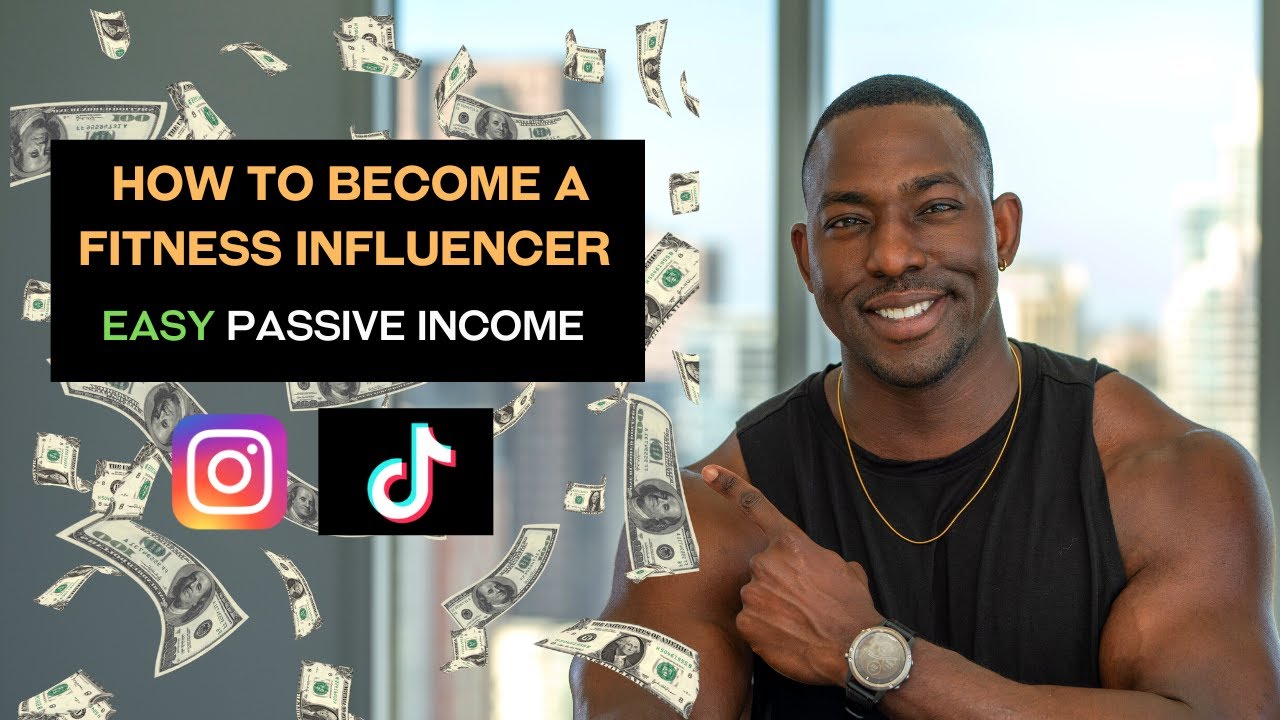
Image Source: i.ytimg.com
1. Discovering Your Fitness Niche
The first step to becoming a successful fitness influencer is to pinpoint your unique area of expertise. The fitness world is vast, encompassing everything from bodybuilding and yoga to running and healthy eating. Trying to appeal to everyone will likely lead to appealing to no one.
Defining Your Passion and Expertise
- What aspects of fitness do you genuinely love? Think about your favorite workouts, your dietary beliefs, or your approach to mental wellness.
- What are you knowledgeable about? Do you have certifications, years of personal experience, or a deep understanding of specific training methods?
- What problems can you help people solve? Are you great at helping beginners start, or do you specialize in advanced training techniques?
Popular Fitness Niches to Consider:
- Weightlifting/Bodybuilding: Focusing on muscle building, strength training, and physique development.
- Cardiovascular Fitness: Running, cycling, HIIT, and general heart health.
- Yoga and Pilates: Emphasizing flexibility, core strength, and mindfulness.
- Nutrition and Healthy Eating: Sharing recipes, meal prep ideas, and nutritional advice.
- Calisthenics/Bodyweight Training: Utilizing only body weight for strength and conditioning.
- Home Workouts: Creating effective routines that can be done anywhere with minimal equipment.
- Specific Demographics: Fitness for seniors, pre/postnatal fitness, fitness for busy professionals.
- Mental Wellness and Fitness: The connection between physical activity and mental health.
Example Niches:
| Niche | Focus Areas | Target Audience |
|---|---|---|
| Beginner Strength | Fundamental lifts, proper form, progressive overload | Individuals new to weight training |
| Vegan Nutrition & Fit | Plant-based recipes, protein sources, balanced diets | Vegans and those interested in plant-based eating |
| Outdoor Running Coach | Marathon training, trail running, injury prevention | Recreational and competitive runners |
| Mindful Movement | Gentle yoga, stretching, stress relief through exercise | Those seeking low-impact and calming workouts |
2. Building Your Online Presence: Choosing Your Platforms
Once you know your niche, it’s time to establish your online home. The most popular platforms for fitness influencers include Instagram, TikTok, YouTube, and Facebook. Each platform offers unique advantages for fitness content creation and audience engagement.
Instagram: The Visual Hub
Instagram is highly visual, making it ideal for sharing workout videos, transformation photos, healthy meal ideas, and inspirational quotes.
- Feed Posts: High-quality photos and short video clips of your workouts, lifestyle, and nutrition.
- Stories: Behind-the-scenes glimpses, daily routines, Q&A sessions, polls, and interactive content.
- Reels: Short, engaging videos for workouts, tips, and trending challenges.
- IGTV/Lives: Longer workout sessions, in-depth explanations, and live Q&A sessions.
TikTok: Short-Form Video Powerhouse
TikTok is perfect for quick, engaging, and often entertaining fitness content. Think workout snippets, dance fitness, quick tips, and challenges.
- Short Videos: Fast-paced demonstrations, educational clips, and trending audio.
- Duets and Stitches: Engaging with other creators and responding to popular content.
- Live Sessions: Real-time workouts and interaction with followers.
YouTube: Deep Dives and Tutorials
YouTube is the platform for longer-form fitness content creation. This is where you can host full workout routines, detailed tutorials, vlogs, and educational discussions.
- Workout Videos: Full-length routines for various fitness levels and goals.
- Educational Content: Explaining exercise mechanics, nutrition science, and recovery strategies.
- Vlogs: Sharing your personal fitness journey, daily life, and behind-the-scenes content.
- Product Reviews: Reviewing fitness equipment, supplements, and apparel.
Facebook: Community Building
Facebook groups can be powerful for building a dedicated community around your fitness journey.
- Pages: Sharing updates, articles, and promoting your content from other platforms.
- Groups: Creating a private space for your followers to connect, ask questions, and share their progress.
- Facebook Live: Similar to Instagram Live for real-time engagement.
3. Crafting Compelling Fitness Content
High-quality, valuable, and engaging content is the cornerstone of becoming a fitness influencer. Your content should educate, motivate, and inspire your audience.
Content Pillars for Fitness Influencers
- Educational Content:
- How-to videos on proper exercise form.
- Explanations of workout principles (e.g., progressive overload, periodization).
- Nutritional tips, macro breakdowns, and healthy recipe demonstrations.
- Advice on recovery, sleep, and injury prevention.
- Inspirational Content:
- Transformation stories (your own or those you’ve helped).
- Motivational speeches and quotes.
- Sharing your personal fitness journey, including challenges and triumphs.
- Highlighting the mental health benefits of exercise.
- Demonstration Content:
- Full workout routines.
- Exercise variations and modifications.
- Workout challenges.
- Demonstrations of specific equipment.
- Engagement Content:
- Q&A sessions.
- Polls and quizzes.
- “Day in the Life” vlogs.
- Behind-the-scenes content.
Tips for High-Quality Content Creation:
- Visual Appeal: Use good lighting, clear audio, and appealing backgrounds. Invest in a decent smartphone or camera.
- Consistency: Post regularly to keep your audience engaged and to signal to algorithms that you are an active creator.
- Value Proposition: Ensure every piece of content provides value to your audience, whether it’s knowledge, motivation, or entertainment.
- Authenticity: Be yourself! People connect with genuine personalities. Share your struggles as well as your successes.
- Call to Action (CTA): Encourage engagement by asking questions, prompting comments, or directing them to your other platforms.
4. Growing Your Fitness Audience
Building a loyal and engaged following takes time and strategic effort. Fitness audience growth is about attracting the right people and keeping them interested.
Strategies for Audience Growth:
- Hashtags: Use relevant and targeted hashtags to increase discoverability. Mix popular, niche, and branded hashtags.
- SEO Optimization: For YouTube and blogs, use keywords in your titles, descriptions, and tags.
- Collaborations: Partner with other fitness influencers, brands, or complementary accounts. This exposes you to new audiences.
- Engage with Your Audience: Respond to comments and DMs promptly. Show genuine interest in your followers.
- Cross-Promotion: Promote your content across different social media platforms.
- Run Contests and Giveaways: This can significantly boost engagement and attract new followers.
- Consistency and Quality: As mentioned, regular, high-quality content is crucial for retaining followers.
- Live Sessions: Go live regularly to interact with your audience in real-time.
Understanding Your Audience Metrics
Pay attention to your analytics. Most platforms provide insights into:
- Demographics: Who are your followers (age, gender, location)?
- Engagement Rates: Which posts get the most likes, comments, and shares?
- Reach and Impressions: How many people are seeing your content?
- Best Posting Times: When are your followers most active?
Use this data to refine your content strategy and posting schedule.
5. Monetizing Your Fitness Influence
Once you’ve built a following and established yourself as a credible voice, you can start exploring ways to earn income. Fitness monetization can take many forms.
Key Monetization Strategies:
- Brand Partnerships and Sponsorships: This is a primary revenue stream for many influencers. Brands will pay you to promote their products or services to your audience. This is a critical aspect of influencer marketing fitness.
- Types of Partnerships: Sponsored posts, product reviews, affiliate marketing, long-term ambassadorships.
- Finding Opportunities: Brands may reach out to you, or you can proactively pitch brands that align with your values.
- Affiliate Marketing: Promote products you use and love (e.g., supplements, workout gear, fitness apps) using unique affiliate links. You earn a commission on sales generated through your links.
- Selling Your Own Products:
- Digital Products: E-books (workout plans, recipe books), online courses, fitness guides.
- Physical Products: Branded merchandise (t-shirts, water bottles), custom workout equipment.
- Online Personal Training/Coaching: Leverage your expertise to offer personalized training programs, nutritional guidance, or one-on-one coaching sessions. This allows you to act as an online personal trainer.
- Membership Sites/Patreon: Create exclusive content or community access for paying subscribers.
- Advertising Revenue: For YouTube, you can earn money through ads displayed on your videos.
- Speaking Engagements and Workshops: As your influence grows, you might be invited to speak at events or lead workshops.
Building a Fitness Brand: Authenticity and Value
Your fitness marketing strategy should always prioritize authenticity and providing value. Don’t just promote anything; promote products and services that you genuinely believe in and that will benefit your audience. This builds trust and long-term loyalty.
6. Developing Your Fitness Marketing Strategy
A strong fitness marketing strategy is essential for sustained growth and success. It’s about more than just posting; it’s about strategically planning your content, engagement, and monetization efforts.
Key Components of a Fitness Marketing Strategy:
- Content Calendar: Plan your content in advance to ensure consistency and cover diverse topics.
- Audience Engagement Plan: How will you interact with your followers? Respond to comments, run polls, host Q&As.
- Collaboration Strategy: Identify potential collaborators and reach out for partnerships.
- Monetization Plan: Which revenue streams will you focus on? Set goals and track your progress.
- Brand Alignment: Ensure your partnerships and content align with your personal brand and values.
- Performance Tracking: Regularly review your analytics to see what’s working and what’s not, and adjust your strategy accordingly.
Building a Fitness Brand: Consistency is Key
Your brand is what people think of when they hear your name. It’s the personality, the values, and the consistent message you put out.
- Visual Identity: Consistent color schemes, fonts, and logo usage across platforms.
- Tone of Voice: Are you encouraging, educational, humorous, or all of the above?
- Core Values: What do you stand for in the fitness community?
- Unique Selling Proposition (USP): What makes you different from other fitness influencers?
7. The Business Side of Fitness Influencing
Being a fitness influencer is a business. Treat it as such to achieve long-term success.
Essential Business Practices:
- Professionalism: Maintain a professional demeanor in all your interactions.
- Contracts: When entering into brand partnerships fitness, always have clear contracts outlining deliverables, payment terms, and usage rights.
- Legal and Financial: Register your business, understand tax obligations, and keep accurate financial records.
- Time Management: Balance content creation, audience engagement, and business development effectively.
- Continuous Learning: Stay updated on fitness trends, social media algorithm changes, and marketing best practices.
Working with Brands: Key Considerations
When securing brand partnerships fitness, consider the following:
- Brand Fit: Does the brand’s mission and product align with your personal brand and audience?
- Product Quality: Do you genuinely believe in the quality of the product or service?
- Compensation: Ensure you are fairly compensated for your work. This could be monetary, product-based, or a combination.
- Disclosure: Be transparent with your audience. Clearly disclose sponsored content using hashtags like #ad or #sponsored. This is crucial for maintaining trust and adhering to advertising guidelines.
8. Overcoming Challenges and Staying Motivated
The path to becoming a successful fitness influencer isn’t always smooth. You’ll encounter challenges, but staying motivated is key.
Common Challenges:
- Algorithm Changes: Social media algorithms are constantly changing, affecting reach.
- Negative Comments/Trolling: Develop a thick skin and learn to handle criticism constructively.
- Burnout: The demands of content creation and audience management can be exhausting.
- Imposter Syndrome: Many influencers struggle with self-doubt.
- Keeping Content Fresh: The need to constantly innovate and create new, engaging content.
Tips for Staying Motivated:
- Remember Your “Why”: Revisit your initial passion for fitness and helping others.
- Connect with Your Community: Your engaged followers are a great source of motivation.
- Celebrate Small Wins: Acknowledge your progress, no matter how small.
- Take Breaks: Step away from social media when needed to avoid burnout.
- Seek Support: Connect with other influencers or join online communities for support and advice.
- Invest in Yourself: Continue learning and improving your skills.
Frequently Asked Questions (FAQ)
Q1: How long does it take to become a successful fitness influencer?
A1: There’s no set timeline. It can take months or even years of consistent effort, high-quality content creation, and audience engagement to build a significant following and achieve monetization.
Q2: Do I need to be a certified personal trainer or have a degree in nutrition?
A2: While certifications can lend credibility, they are not strictly required. However, it’s crucial to provide accurate and safe information. If you’re offering advice outside your expertise, it’s best to collaborate with qualified professionals or clearly state your limitations.
Q3: How much money can a fitness influencer make?
A3: Earnings vary widely depending on follower count, engagement rates, niche, monetization strategies, and the quality of brand partnerships fitness. Some influencers earn a modest side income, while others make a full-time living or more.
Q4: What are the most important fitness social media tips for beginners?
A4: Focus on finding your niche, creating consistent, high-quality content that provides value, engaging with your audience, and using relevant hashtags to increase discoverability.
Q5: How important is influencer marketing fitness for brand deals?
A5: Influencer marketing is the backbone of brand partnerships in the fitness industry. Brands leverage influencers to reach targeted audiences authentically, making it a crucial element for both brands and influencers.
Q6: Can I be an online personal trainer and a fitness influencer simultaneously?
A6: Absolutely! Many fitness influencers use their platform to offer online personal training services, providing personalized coaching and workout plans to their followers.
Becoming a fitness influencer is a journey that requires passion, perseverance, and a strategic approach. By focusing on your niche, creating valuable content, engaging authentically with your audience, and wisely monetizing your influence, you can build a fulfilling career that inspires others and makes a positive impact on their health and well-being. Start today, be consistent, and enjoy the process of sharing your fitness journey with the world.