So, you want to help others get fit? You might wonder, “What is a fitness instructor?” or “How can I become one?” A fitness instructor is a trained expert who guides people to meet their health goals through exercise. They create safe and helpful workout plans. The path involves meeting certain fitness instructor requirements, like getting certified and learning exercise basics. This guide will show you each step you need to take.
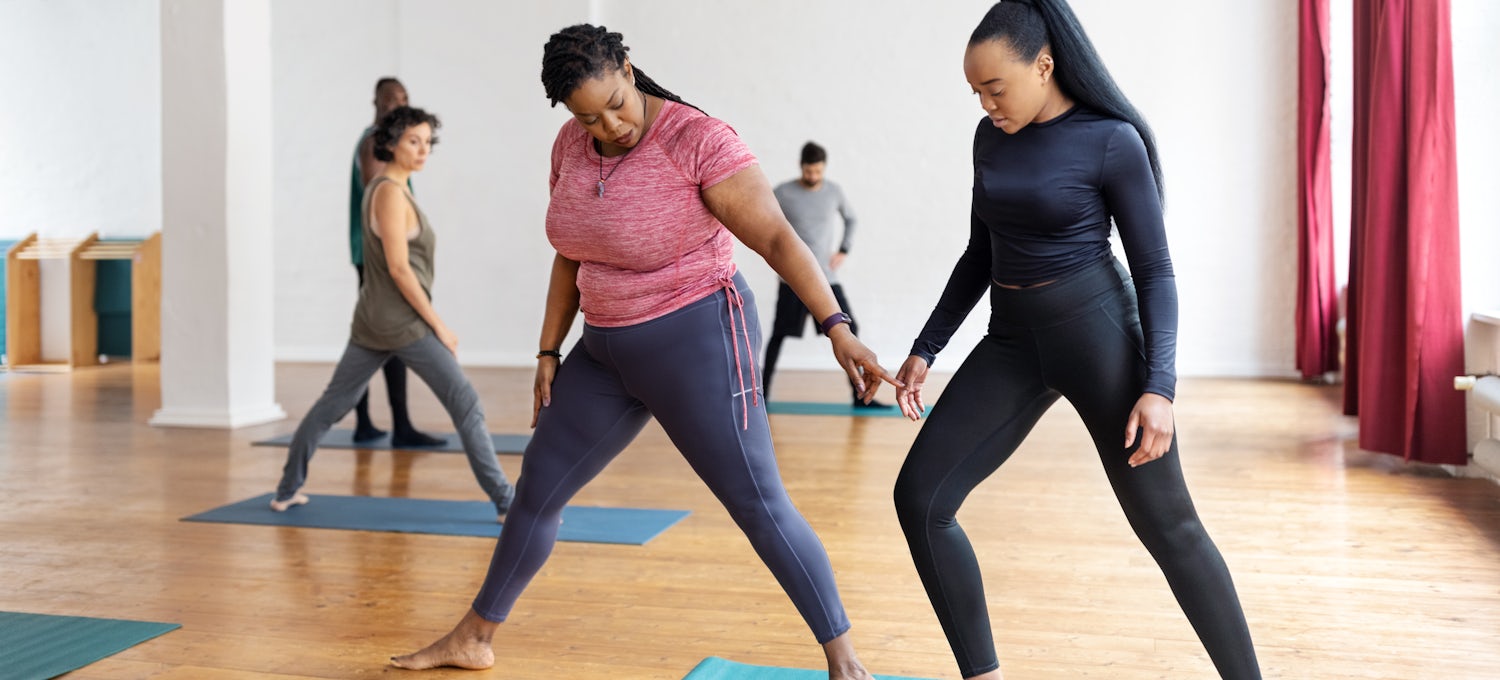
Image Source: d3njjcbhbojbot.cloudfront.net
Grasping the Fitness Instructor Role
A fitness instructor is more than just someone who shows you how to lift weights or do jumping jacks. They are motivators, educators, and guides. Their main job is to help people move their bodies better and live healthier lives.
They work with many different types of people. Some help one person at a time. Others teach classes with many people. They need to know about exercise, safety, and how the body works.
Why Step Into Fitness?
People choose to become fitness instructors for many reasons. Maybe you love working out. Perhaps you enjoy helping others reach goals. The fitness world is growing, and more people want help getting in shape.
- Help people feel good about themselves.
- Make a real difference in someone’s health.
- Work in a job that stays active and moving.
- Join a growing and exciting industry.
Being a fitness instructor is a rewarding job. You see people change their bodies and their lives.
Building Your Base: Key Requirements
Before you can lead a class or train a client, you need to meet some basic steps. These steps make sure you are ready and able to help others safely.
Reaching the Right Age
Most groups that give certifications need you to be at least 18 years old. This is a common fitness instructor requirement. It ensures you are old enough to handle the duties and responsibilities of the job.
Earning Your High School Diploma
You will likely need a high school diploma or a GED. This shows you have a basic level of education. It’s a standard step for getting into most certification programs.
Getting Your CPR and AED Certificate
This is super important. CPR and AED certification is a must-have. CPR stands for Cardiopulmonary Resuscitation. AED stands for Automated External Defibrillator. You learn how to help someone if their heart stops or they stop breathing. Accidents can happen. Knowing CPR and how to use an AED means you can save a life. This training is usually quick, taking only a few hours. You must keep this certificate current.
Picking Your Path: Group Fitness or One-on-One?
Fitness instructors often work in two main ways. They can lead classes for many people or train single clients. The path you choose affects the kind of training and certification you need.
Leading Group Fitness Classes
If you love energy and leading crowds, this might be for you. Group fitness instructors teach classes like yoga, Zumba, spinning, boot camps, or strength training.
- Work with many people at once.
- Create fun and exciting class plans.
- Keep energy high.
- Teach to different fitness levels in one room.
There are specific group fitness instructor courses. These teach you how to manage a class, make routines, use music, and keep everyone safe.
Training People One by One
This is often called being a personal trainer. A personal trainer works closely with one person at a time. They make workout plans just for that person’s needs and goals.
- Build close relationships with clients.
- Make highly personal exercise plans.
- Give direct feedback and help.
- Help with goals like weight loss, strength gains, or training for an event.
If you choose this path, you will need a personal trainer certification. This certification proves you have the knowledge to train clients safely and effectively on your own.
Getting Certified: The Key to Your Career
Getting certified is the most important step to becoming a fitness instructor. Certifications show you know what you are doing. They make you look professional. Most gyms and clients will only work with certified instructors.
Why Certification Matters
- It proves you have learned the basics of exercise science.
- It shows you know how to keep clients safe.
- Many employers require it.
- It builds trust with clients.
- It gives you the skills you need to create good programs.
Think of it like getting a driver’s license. You need it to show you know the rules of the road and can drive safely. Certification shows you know the rules of fitness and can train safely.
Top Certification Groups
There are many places where you can get certified. Some are known as the best in the field. Getting a certificate from a respected group is wise.
Here are some of the most well-known:
- NASM (National Academy of Sports Medicine): The NASM certification is very popular. It’s known for its focus on corrective exercise. This means helping people fix muscle issues that might cause pain.
- ACE (American Council on Exercise): The ACE personal trainer exam is also widely known. ACE focuses on client-centered training. They help you learn how to work with different people and motivate them.
- ACSM (American College of Sports Medicine): ACSM is respected for its science-based approach. Their certifications are often seen as very academic.
- NSCA (National Strength and Conditioning Association): NSCA is known for its strength and conditioning certifications, often for athletes or people wanting high-level training.
Choosing the right certification depends on your goals. Where do you want to work? Who do you want to train? Research each group to see which fits you best.
Comparing Certifications
Let’s look at a few key points about some top certifications.
| Certification Group | Known For | Focus | Exam Type | CEUs Needed (Typical) |
|---|---|---|---|---|
| NASM | Corrective Exercise | Injury prevention, program design | Online/In-person | 20 hours every 2 yrs |
| ACE | Client-Centered Training | Behavior change, program design | Online/In-person | 20 hours every 2 yrs |
| ACSM | Science-Based | Exercise physiology, health & fitness | In-person | 45 hours every 3 yrs |
| NSCA | Strength & Conditioning | Athletic performance, advanced training | In-person | 60 hours every 3 yrs |
Note: This table gives general info. Always check the specific certification body for exact, current needs.
The Certification Journey
How do you get certified? It usually involves these steps:
- Pick Your Certification: Choose the group you want to certify with (like NASM or ACE).
- Buy Study Materials: The group will sell books, online courses, and study guides. You need these to learn the needed info.
- Study Hard: This is key. You need to learn about the body, exercise, safety, and how to plan workouts. Learning about anatomy for fitness professionals is a big part of this. You’ll learn about muscles, bones, and how they move.
- Take the Exam: Once you feel ready, you sign up for the certification test. The ACE personal trainer exam and the NASM exam are challenging tests. They make sure you know enough to be safe and effective.
- Pass the Exam: If you pass, you are certified! You get a certificate that shows you have the knowledge.
- Keep It Current: Certifications don’t last forever. You need to earn continuing education units (CEUs) every few years. This means taking workshops or classes to learn new things and keep your skills sharp.
Studying takes time and effort. Most people spend several months preparing for their certification exam.
Deciding on Group vs. Personal Training Certification
Remember the two paths? Group fitness needs a different certification than personal training.
- If you want to teach classes like Zumba or boot camp, look for group fitness instructor courses. ACE and AFAA (Athletics and Fitness Association of America) are well-known for these.
- If you want to work one-on-one with clients, get a personal trainer certification. NASM, ACE, ACSM, and NSCA are top choices here.
Some instructors get both! This lets them work with individuals and teach classes.
Going Deeper: More Learning
Getting certified is just the start. The best fitness instructors keep learning. The human body and exercise science are always being studied.
Exploring Anatomy and More
You must have a good grasp of anatomy for fitness professionals. This means knowing:
- Muscles: Where they are, what they do.
- Bones: How they connect and move.
- Joints: How they work and move safely.
- How the heart and lungs work during exercise.
- How different exercises affect the body.
Most certification programs cover this. But some people go deeper by taking extra classes or even getting a degree.
Thinking About an Exercise Science Degree
Some people choose to get a college degree in exercise science. This is not required to become a fitness instructor. But it gives you a very deep understanding of the body and exercise.
An exercise science degree covers subjects like:
- Exercise physiology (how the body works during exercise).
- Biomechanics (how the body moves).
- Nutrition basics.
- Health and wellness.
This degree can help you in many ways. It might lead to jobs in clinical settings or advanced roles. It also makes you a highly knowledgeable fitness pro. However, you still usually need a professional certification (like NASM or ACE) to work as a trainer in a gym, even with a degree.
Learning Never Ends
The fitness world changes. New ways to train come out. Science learns more about the body. Great instructors stay updated.
You do this by:
- Taking workshops and classes.
- Going to fitness events.
- Reading research and articles.
- Getting special certifications (like for sports nutrition or training older adults).
Remember, you need to earn CEUs to keep your main certification active. This forces you to keep learning.
Getting Real-World Practice
Book smarts are important, but so is hands-on practice. You need to work with real people to build your skills and confidence.
How to Gain Experience
- Train Friends and Family: Start with people you know. This helps you practice writing programs and giving cues.
- Volunteer: Offer your help at local events or gyms.
- Shadow Other Trainers: Watch experienced instructors work. See how they talk to clients and lead sessions.
- Internships: Some gyms or fitness centers offer internships. This is a great way to get guided experience.
Working at a Gym or Studio
Most new fitness instructors start by working at a gym or fitness studio. This gives you:
- Clients: The gym often gives you people to train or teach.
- Support: You can ask questions to other trainers and managers.
- Space and Equipment: You have a place to work.
- Business Help: They handle things like billing and finding clients.
Getting a job at a gym often requires a good personal trainer certification or group fitness certification. It’s one of the most common fitness instructor jobs.
Finding Work: Fitness Instructor Jobs
Once certified and ready, where do you find work? Many places need fitness pros.
Common Places to Work
- Fitness Gyms and Health Clubs: This is the most common place. You can be a personal trainer or teach classes.
- Specialty Studios: Places focused on one thing, like yoga, Pilates, cycling, or boxing.
- Community Centers: Offer classes and training to the local public.
- Corporate Wellness Programs: Companies hire instructors to help employees stay healthy.
- Hospitals and Clinics: Sometimes hire trainers for rehab or special populations.
- Schools and Universities: For students or staff.
- Online: Train clients remotely through video calls. This is growing fast.
- Your Own Business: Work for yourself, training clients at their homes, parks, or your own space.
How to Get a Job
- Apply Online: Look for fitness instructor jobs listings on job sites and gym websites.
- Visit Gyms: Walk into local gyms and ask if they are hiring trainers or instructors. Bring your resume.
- Network: Talk to people in the fitness world. Go to local fitness events. Let people know you are looking for work.
- Build Your Resume: List your certifications, education, and any experience you have (even if it’s just training friends).
Your first job might be part-time. Many instructors start by taking on a few clients while maybe working another job.
What About Pay? Fitness Instructor Salary
How much money can you make? The fitness instructor salary can be very different from person to person. It depends on many things.
Things Affecting Pay
- Experience: New instructors usually earn less than those with years of experience.
- Location: Pay rates are higher in some cities or states than others.
- Certifications: Having well-known or multiple certifications can increase your value.
- Specializations: If you have special skills (like pre/postnatal fitness or corrective exercise), you might earn more.
- Type of Employment:
- Working for a Gym: You might earn an hourly rate, a percentage of what clients pay, or a mix. The gym finds the clients.
- Working for Yourself: You set your own rates. You keep more of the money, but you must find your own clients and handle all the business tasks.
- Teaching Classes: Often paid per class.
- Number of Clients/Classes: The more clients you train or classes you teach, the more you earn.
Salary Ranges
It’s hard to give an exact number because there’s such a wide range.
- New instructors might start around $20-$30 per hour for training sessions. Group class pay might be $25-$50 per class.
- Experienced trainers in busy areas could charge $75-$150+ per hour.
- Someone working full-time for a gym might earn $30,000 to $60,000+ per year, depending on how many clients they have and how the gym pays.
- Successful independent trainers can earn much more, but it takes a lot of work to build a client base.
Generally, being a personal trainer often has higher per-hour earning potential than teaching group fitness classes, but teaching many classes can also lead to a good income.
Growing in Your Fitness Career
Becoming a fitness instructor is a career path with room to grow. You can move up, learn new skills, and earn more over time.
Adding Special Skills
Once you have your main certification, you can get specialized certifications.
- Nutrition: Learn more about how food affects fitness. (Note: In some places, only registered dietitians can give specific meal plans, but trainers can offer general healthy eating tips).
- Sports Performance: Help athletes get stronger and faster.
- Specific Populations: Work with pregnant women, older adults, kids, or people with health issues.
- Corrective Exercise: Help fix muscle imbalances that cause pain or poor movement.
- Mind-Body: Get certified in yoga or Pilates.
These special skills make you more valuable and can attract specific types of clients.
Building Your Own Business
Many fitness instructors dream of working for themselves. This means:
- Setting your own schedule and rates.
- Finding your own clients (marketing!).
- Deciding where you work (gym, park, home, online).
- Handling payments, taxes, and business details.
Starting your own fitness business takes hard work and business sense, not just fitness knowledge.
Other Career Steps
With experience and maybe more education (like an exercise science degree), you could:
- Become a fitness manager at a gym.
- Work for a certification group.
- Become an educator for new trainers.
- Write books or articles about fitness.
- Work in corporate wellness leadership.
Staying Fresh: Keeping Skills Sharp
The fitness industry is always moving. New ideas, studies, and ways to train come out. Great instructors stay curious and keep learning.
Why Ongoing Education Matters
- Keep Your Certification: You need CEUs.
- Learn New Things: Stay updated on the latest in exercise science.
- Add New Skills: Learn new workout styles or techniques.
- Stay Safe: Understand new research on safe training methods.
- Be the Best: Clients want instructors who know the most current and effective methods.
Ways to Keep Learning
- Workshops and Seminars: Attend events to learn about specific topics.
- Online Courses: Many options are available for CEUs.
- Reading: Read fitness books, research papers, and industry magazines.
- Mentorship: Learn from more experienced trainers.
Your Action Plan: Steps to Take
Ready to start? Here is a simple path to becoming a fitness instructor:
- Meet Basic Needs: Get your high school diploma or GED. Make sure you are 18.
- Get CPR/AED Certified: Find a local class and get this done first.
- Choose Your Path: Decide if you want to focus on group fitness or personal training (or both).
- Pick a Certification: Research top groups like NASM, ACE, ACSM, or NSCA. Choose one that fits your goals.
- Study Hard: Get the materials and learn the science. Focus on things like anatomy for fitness professionals.
- Pass the Exam: Schedule and take your chosen certification test (like the ACE personal trainer exam or NASM test).
- Get Experience: Start training friends, volunteer, or look for an internship.
- Find a Job: Look for fitness instructor jobs at local gyms or online. Build your resume.
- Keep Learning: Get continuing education to keep your certification and skills current. Consider specializations or even an exercise science degree later if you want to go deeper.
- Build Your Career: Gain experience, maybe start your own business, and grow your fitness instructor salary over time.
This journey takes time and effort. But if you are passionate about fitness and helping others, it’s a rewarding path.
Frequently Asked Questions
Here are quick answers to common questions about becoming a fitness instructor.
Q: How long does it take to get certified?
A: Most people spend 3-6 months studying for their main certification exam. The study pace is up to you.
Q: Is a college degree needed?
A: No, a college degree like an exercise science degree is not usually needed for entry-level fitness instructor jobs. A professional certification is what employers look for most often.
Q: What’s the hardest part of becoming an instructor?
A: For many, the hardest parts are studying for the detailed science exam and then finding the first few clients or jobs.
Q: Can I make a good living as a fitness instructor?
A: Yes, you can. Your fitness instructor salary depends on your experience, location, type of work, and how many clients you have. It can take time to build a high income.
Q: Do I need insurance?
A: Yes, most gyms require you to have liability insurance. If you work for yourself, it’s very important to protect yourself.
Q: How often do I need to renew my certification?
A: Most certifications need to be renewed every 2-3 years. You must earn continuing education units (CEUs) to renew.
Becoming a fitness instructor is a great way to turn your passion for health into a career. It takes study, practice, and a real desire to help people. Start with the basics, get certified, and keep learning! The world needs more good fitness guides.