So, you want to learn how to do a cartwheel in gymnastics? That’s a great goal! A cartwheel is a basic move, but it’s also super important. It helps you build strength, balance, and body control. It’s often one of the first flipping or rotating skills people learn. Can anyone learn a cartwheel? Yes, with practice and the right steps, most people can learn this fun skill. This guide will be your gymnastics cartwheel tutorial to help you every step of the way, making you a better beginner cartwheel artist.
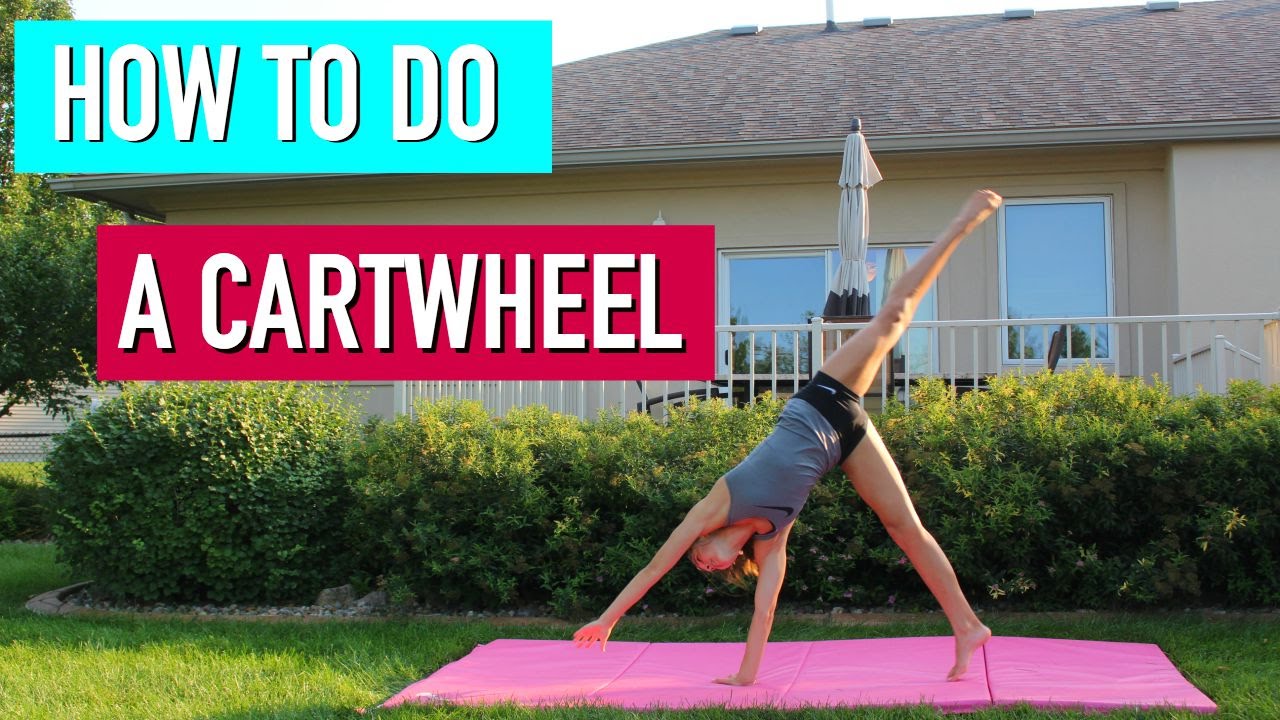
Image Source: i.ytimg.com
Getting Ready to Cartwheel
Before you try your first cartwheel, you need to get your body ready. This means warming up and making sure your space is safe. Learning a beginner cartwheel should always start with safety in mind.
Warm-Up Matters
Your body needs to be loose and warm. This helps stop muscles from getting hurt. Think of it like stretching before a big run.
Gentle Stretches
- Wrist Circles: Turn your wrists around and around, both ways. This is key for hand placement cartwheel.
- Arm Circles: Swing your arms forward and backward in big circles.
- Leg Swings: Hold onto a wall or chair. Swing one leg forward and back. Then swing it side to side. Do this for both legs.
- Ankle Circles: Turn your ankles around and around.
Light Movement
- Jumping Jacks: Get your heart rate up a little.
- Running in Place: Just a few minutes to get warm.
Finding a Safe Space
A cartwheel involves going upside down and moving sideways. You need room!
- Find a soft surface. A gymnastics mat is best. Grass can work, but check for bumps or rocks. Avoid hard floors like concrete or wood without a mat.
- Make sure there is nothing around you. No furniture, toys, or other people you might bump into. You need space to move your arms and legs freely.
Grasping Basic Shapes
Gymnastics uses simple body shapes. Knowing these helps your cartwheel technique.
- Straight Shape: Stand tall and make your body long and straight like a board. Keep your tummy tight.
- Lunge Shape: Stand with one foot forward and one foot back. Bend both knees a little. Your weight is mostly on the front foot. This is where your cartwheel starts!
- Handstand Shape (briefly): Think about what your body looks like upside down. Straight and tight. Your cartwheel will pass through a handstand-like moment.
Deciphering the Core Cartwheel Steps
Now, let’s break down the cartwheel steps. We will go through each part slowly. This will help you learn a cartwheel the right way.
Step 1: The Starting Lunge
This is where it all begins. Your start sets you up for success.
- Stand Tall: Start by standing up straight and tall.
- Choose Your Lead Leg: Which leg feels natural to step forward with? This will be your lead leg. Most people are more comfortable starting with their dominant leg (the one they write with or kick a ball with).
- Step Forward: Take a big step forward with your lead leg. Your back leg stays behind you.
- Bend Knees: Bend both your front knee and back knee a little. Think of a “lunge” position. Your weight should be mostly on your front leg.
- Arms Up: Reach both your arms up tall towards the sky. Keep them straight and by your ears. This helps you stay tall and get ready to move down.
- Look Forward: Keep your eyes looking forward. Don’t look at your feet.
The Importance of the Lunge
Why is the lunge important? It gives you power. It helps you push off the back leg and gives you momentum to go sideways and over. A weak lunge means a weak cartwheel. Practice cartwheel by just doing the lunge start many times.
Step 2: Hands Go Down
From your lunge, your hands will go towards the floor. This is a super fast part of the move.
- Reach Down: While you are in your lunge, start to lean your body forward. Reach your hands down towards the ground.
- Hands Sideways: Your hands should go down one after the other, landing sideways. If you are right-handed and started with your right leg forward, your right hand usually goes down first, then your left hand. They land in a line.
- Think ‘Sideways’: Remember, a cartwheel moves sideways. Don’t try to go straight over like a handstand. Your hands should land to the side of your body, not directly in front of your feet.
Hand Placement Cartwheel Detail
This is a crucial part of cartwheel technique.
- Finger Direction: Your fingers should point away from each other, or slightly turned towards the direction your legs will go. If you are cartwheeling to the left (starting with right leg forward), your right hand lands first, fingers pointing left. Your left hand lands next, fingers still pointing left, in a line behind the first hand.
- Hand Position: Land with flat palms and straight fingers. Keep your arms straight and strong. Don’t bend your elbows!
- Line on the Floor: Imagine a straight line on the floor. Your hands should land on this line, one after the other. This line is the path your cartwheel will follow.
Step 3: Legs Go Up and Over
As your hands touch the ground, your legs lift off.
- Back Leg Kicks: The leg that was behind in your lunge (your back leg) kicks up first. Kick it strongly towards the sky.
- Push Off Front Leg: As your back leg kicks up, push off your front leg. It follows the back leg into the air.
- Legs Apart: For a basic cartwheel, your legs go up and over one at a time. They are spread wide apart in a straddle shape when you are upside down. Think of a split in the air.
- Body Turns Sideways: While your legs go up, your body is turning sideways over your hands. Your tummy should face sideways, not the floor or the sky.
The ‘Upside Down’ Moment
You are briefly upside down with your legs split wide. Your body should be tight and straight from your shoulders to your toes. This requires core strength. Keep your eyes looking between your hands or slightly forward.
Step 4: Legs Come Down
Now it’s time to land on your feet.
- Lead Leg Comes Down: The leg that went up second (your original front leg) comes down first. It lands on the other side of your hands from where you started.
- Trail Leg Follows: The leg that kicked up first (your original back leg) comes down next. It lands on the floor after the first leg.
- Land Sideways: You should land facing the side, just like you started in your lunge, but facing the other way.
- Bend Knees to Land: Bend your knees as you land to make it soft.
Landing Position
Your landing position should look like a lunge, but facing the opposite direction from your start. One foot forward, one foot back, knees bent a little. Your arms might naturally come down to your sides or stay up.
Step 5: Stand Up Tall
Finish the move by standing up straight and showing you have control.
- Push off the floor with your hands as your second leg lands.
- Stand up tall with arms either up or down by your sides.
- Finish with your feet together or in a controlled lunge shape.
Putting the Cartwheel Steps Together
Learning a cartwheel means linking all these steps smoothly. It happens fast! Let’s look at the full flow.
- Start Lunge: Stand tall, step into a lunge with arms up.
- Reach and Place Hands: Lean down, place hands on the ground one after the other, fingers pointing sideways.
- Kick and Push: Kick the back leg up and push off the front leg. Legs go over in a split shape.
- Land Feet: The second leg lands first, followed by the first leg. Land facing sideways in a lunge.
- Stand Up: Push off hands, stand tall.
Table: Cartwheel Flow
| Step | Action | Key Focus |
|---|---|---|
| Start | Lunge, arms up | Momentum, straight body, find lead leg |
| Hands Down | Reach, place hands | Hand placement (sideways, fingers out), straight arms |
| Over | Kick legs, push off | Legs split, body tight, turn sideways |
| Land Feet | Feet land one after another | Land in a lunge, facing sideways |
| Finish | Stand tall | Control, balance |
Cartwheel Drills to Build Skill
Breaking the cartwheel down is helpful. Doing cartwheel drills helps you get better at each part. These are great for a beginner cartwheel.
Drill 1: Lunge and Reach
- What it helps: Getting the starting position right and learning where your hands go.
- How to do it: Start in your lunge with arms up. Lean forward and reach your hands towards the spot on the floor where they would land. Don’t put weight on them yet. Just touch and stand back up. Do this many times, focusing on reaching sideways.
Drill 2: Hand Placement Practice
- What it helps: Getting your hand placement cartwheel perfect.
- How to do it: Kneel on the floor. Place your hands down on the floor the way they would land in a cartwheel (one after the other, fingers pointing sideways). Practice doing this quickly. You can even draw a line on the floor or mat to aim for.
Drill 3: Donkey Kicks / Mule Kicks
- What it helps: Getting the feeling of your legs going over.
- How to do it: Start with hands on the floor and knees bent (like a frog). Push off your feet and kick your bottom towards the sky. Your knees can stay bent. It’s like a small, bouncy handstand prep. This helps you feel comfortable upside down.
Drill 4: Cartwheel Over a Line
- What it helps: Keeping your cartwheel straight.
- How to do it: Draw a straight line on the floor or mat with chalk or tape. Start your lunge on one side of the line. Practice doing your cartwheel with your hands and feet landing on or right next to the line.
Drill 5: Cartwheel with a Spot
- What it helps: Feeling the full movement with help, building confidence.
- How to do it: Ask a coach or a strong, helpful friend to stand beside you. As you go to put your hands down, they can support your hips or lower back gently, helping lift and guide you over. They should stay close and help you feel safe.
Drill 6: Cartwheel onto a Mat Stack
- What it helps: Learning to get your hips over your hands.
- How to do it: Use a stack of mats or a soft incline mat. Start your cartwheel from the floor next to the mats, putting your hands on the floor. Aim to get your hips up and over the mat stack. This can make the feeling of being upside down less scary because your legs don’t have to go as high relative to your hands.
Drill 7: Step-By-Step Walkthrough
- What it helps: Slowing down the cartwheel steps to understand each part.
- How to do it: Do the cartwheel very slowly. Step into the lunge. Reach hands down. Place the first hand. Place the second hand. Pause. Lift the first leg. Pause. Lift the second leg. Pause. Land the first leg. Pause. Land the second leg. Pause. Stand up. Doing it slowly helps your brain and body connect all the parts.
Use these cartwheel drills regularly. They are the building blocks of a good cartwheel. Consistent practice cartwheel with these drills will make a big difference.
Refining Your Cartwheel Technique
Once you can do a cartwheel, you want to make it look clean and strong. Improving your cartwheel technique is a process.
Making it Straight
A common issue is doing a “round-off” by accident or landing facing the way you started. A cartwheel should be a straight line sideways.
- Focus on Hand Placement: Make sure your hands land on that imaginary straight line.
- Look Sideways: Keep your head and body looking sideways as you go over. Don’t turn your chest to face the floor or the sky. Your chest and tummy should face the wall beside you throughout the upside-down part.
- Practice Over a Line: Keep using the line drill (Drill 4). It’s simple but very effective.
Making it High
A good cartwheel has your legs reaching high towards the sky, making a clean split in the air.
- Strong Lunge and Kick: Get lots of power from your starting lunge. Kick your back leg up with energy.
- Push Off the Floor: Use your hands to push off the floor strongly as you come out of the handstand shape. This helps lift your body up and over.
- Tight Body: Keep your core muscles tight when you are upside down. This helps you control your legs and keep them straight and high.
Making it Fast and Smooth
A perfect cartwheel flows from start to finish.
- Connect the Steps: Once you are comfortable with each part, try to make the movement flow together. The energy from your lunge should carry you through placing your hands, going upside down, and landing.
- Less Pausing: Don’t pause between steps. It should be a continuous movement.
- Practice, Practice, Practice: The more you do cartwheels, the smoother they will become. Your body will learn the rhythm.
Cartwheel Tips for Success
Here are some general cartwheel tips to help you on your journey to improve your cartwheel.
- Be Patient: Learning a new skill takes time. Don’t get upset if you don’t get it right away. Keep trying!
- Start Small: If a full cartwheel feels too big, break it down. Work on just the lunge. Work on just putting your hands down. Work on donkey kicks. Build up slowly.
- Spotting: As mentioned before, a spotter can make a big difference for a beginner cartwheel. They can help you feel the movement and build confidence. Make sure they know how to spot safely.
- Look Where You Want to Go: Keep your eyes looking towards where your hands are going to land, and then slightly through your hands. This helps guide your body.
- Straight Arms and Legs: Try to keep your arms and legs straight when you are doing the cartwheel. Bent limbs make the movement weaker and harder to control.
- Point Your Toes: This makes your legs look clean and helps you feel a tight, straight shape.
- Land Strong: Finish the cartwheel by landing in a balanced position. Don’t just fall out of it. Practice landing in a lunge with control.
- Film Yourself: If you can, record yourself doing cartwheels. Watch them back to see what you are doing well and where you need to improve.
Common Cartwheel Problems and How to Fix Them
Learning to improve your cartwheel often means fixing common mistakes. Here are a few:
| Problem | Why it Happens | How to Fix It |
|---|---|---|
| Falling over the hands (not sideways) | Not turning the body sideways, trying to go straight like a handstand. | Focus on turning your chest and tummy to the side as your hands go down. Use the ‘line’ drill. |
| Bent Arms | Weak arms, not keeping them straight as hands land. | Strengthen arms with exercises (push-ups). Remind yourself to keep arms locked straight when hands touch the floor. |
| Legs don’t go over | Weak kick from the back leg, not enough push off the front leg, scared to go upside down. | Stronger lunge. Practice donkey kicks. Practice cartwheel over a mat stack. Get a spotter. |
| Cartwheel is crooked | Hands not landing on a line, body not staying on a straight path. | Practice landing hands on a drawn line. Focus on looking and moving in a straight line sideways. |
| Landing facing the way you started | Turning a cartwheel into a round-off by mistake, rotating the body too much. | Focus on landing feet one after the other in a sideways lunge. Keep your chest/tummy facing the side when you land. |
| Bent Legs | Not keeping legs straight and tight in the air. | Practice keeping legs straight and pointing toes during warm-ups and drills. Focus on tightening your body. |
| Hands too far apart | Lack of control, reaching too wide. | Practice placing hands shoulder-width apart or slightly wider on the line. Use the hand placement drill. |
Working through these issues is part of learning. Don’t get discouraged! Every time you practice cartwheel, you get a little better.
The Journey to Mastering Your Cartwheel
Learning the basic cartwheel steps is just the beginning. To truly improve your cartwheel, you need to dedicate time to consistent practice cartwheel.
Think about your practice sessions:
- Warm-up: Always start with stretches and light movement.
- Basic Drills: Spend time on the fundamental drills like lunges, hand placement, and donkey kicks. These build the base.
- Full Cartwheels: Try doing full cartwheels, focusing on one or two things at a time (like straight arms or landing position). Don’t just do them fast; do them mindfully.
- Refinement Drills: Use drills like cartwheeling over a line to fix specific issues.
- Cool-down: Gentle stretches after practice help your muscles recover.
Practice Frequency
How often should you practice cartwheel? A few times a week is better than just once in a while. Short, focused practice sessions are often more helpful than one long, tiring one. Listen to your body and rest when you need to.
Building Strength
A strong body helps your cartwheel technique. Exercises that build core strength, arm strength (like push-ups or planks), and leg strength (like lunges and squats) will make your cartwheels easier and stronger.
What Comes After the Basic Cartwheel?
Once you are doing nice, straight, controlled cartwheels, you can think about trying new things!
- Dominant and Non-Dominant Sides: Try learning a cartwheel on your other side. This helps your body become balanced and can make learning other skills easier.
- One-Handed Cartwheel: A cartwheel done using only one hand on the ground. This needs more speed and control.
- Round-off: This is a skill similar to a cartwheel, but you land with both feet together, facing the way you came from. It’s often used before other tumbling skills.
- Aerial Cartwheel: A cartwheel done with no hands on the ground! This is a very advanced skill.
Each new skill builds on the cartwheel technique you’ve learned. Your basic cartwheel is a great foundation for many other moves in gymnastics and tumbling.
Frequently Asked Questions About Learning a Cartwheel
Here are some common questions people ask when trying to learn a cartwheel.
h4 How long does it take to learn a cartwheel?
There’s no single answer. It’s different for everyone! Some people get the basic movement in a few tries, while others might take weeks or months of practice cartwheel. It depends on your body, how often you practice, and if you have someone to help you. Be patient with yourself.
h4 What if I’m scared of going upside down?
This is very common! Start with drills that get you a little bit upside down, like donkey kicks or just putting your hands down and kicking one leg up gently. Practice against a wall (like a handstand against a wall) to feel stable while upside down. Using a spotter (Drill 5) is also very helpful for building confidence. Take it slow and only do what feels okay.
h4 Does it hurt to do a cartwheel?
A well-done cartwheel shouldn’t hurt. If it does, something might not be quite right. It could be your hand placement cartwheel, landing too hard, or landing crooked. Pain means stop and check your cartwheel technique. Practice on a soft surface. Some muscle soreness after practicing is normal, though.
h4 What surface is best to practice on?
A gymnastics mat is the best and safest surface. Grass can work if it’s flat and clear. Avoid hard surfaces like concrete, wood floors, or asphalt, as these can cause injury if you fall or land wrong.
h4 My cartwheel goes sideways instead of straight. What am I doing wrong?
This is a common problem! It usually means you are not landing your hands or moving your body in a straight line. Go back to Drill 4 (cartwheel over a line). Really focus on putting your hands down on the line and keeping your body moving along that line, not turning away from it. Also, make sure you are looking sideways throughout the move.
h4 Should I learn a round-off first?
No, the cartwheel is usually taught before the round-off. The round-off is similar but has a key difference in how you bring your feet together at the end. The cartwheel helps you learn the sideways movement and hand placement that makes the round-off possible. Learn a cartwheel first!
h4 Can I learn a cartwheel without a coach?
Yes, many people learn a cartwheel without a coach using tutorials like this one! However, having a coach or experienced person watch you can be very helpful. They can spot small things in your cartwheel steps or cartwheel technique that you might not see. If you can’t get a coach, try filming yourself (as suggested in the cartwheel tips section).
Wrapping Up
Learning how to do a cartwheel in gymnastics is a fun and rewarding goal. By following the cartwheel steps, using the cartwheel drills, paying attention to your hand placement cartwheel, and using the cartwheel tips, you can definitely learn a cartwheel or improve your cartwheel. Remember to start with a good warm-up, find a safe space, and be patient with yourself. Consistent practice cartwheel and focusing on good cartwheel technique are the keys to success. Keep practicing, and you’ll be cartwheeling with confidence in no time!