What is the best way to inflate a fitness ball? The best way to inflate a fitness ball is to use the pump provided with it, or a compatible fitness ball pump, ensuring you fill it to the recommended firmness for optimal stability and safety during your workouts.
Getting your fitness ball ready for action is a straightforward process, but doing it correctly ensures it performs as it should and lasts longer. Whether you’re looking to inflate an exercise ball, a Pilates ball, a yoga ball, or a stability ball, the steps are largely the same. This guide will walk you through everything you need to know about fitness ball inflation, from choosing the right pump to achieving the perfect firmness.
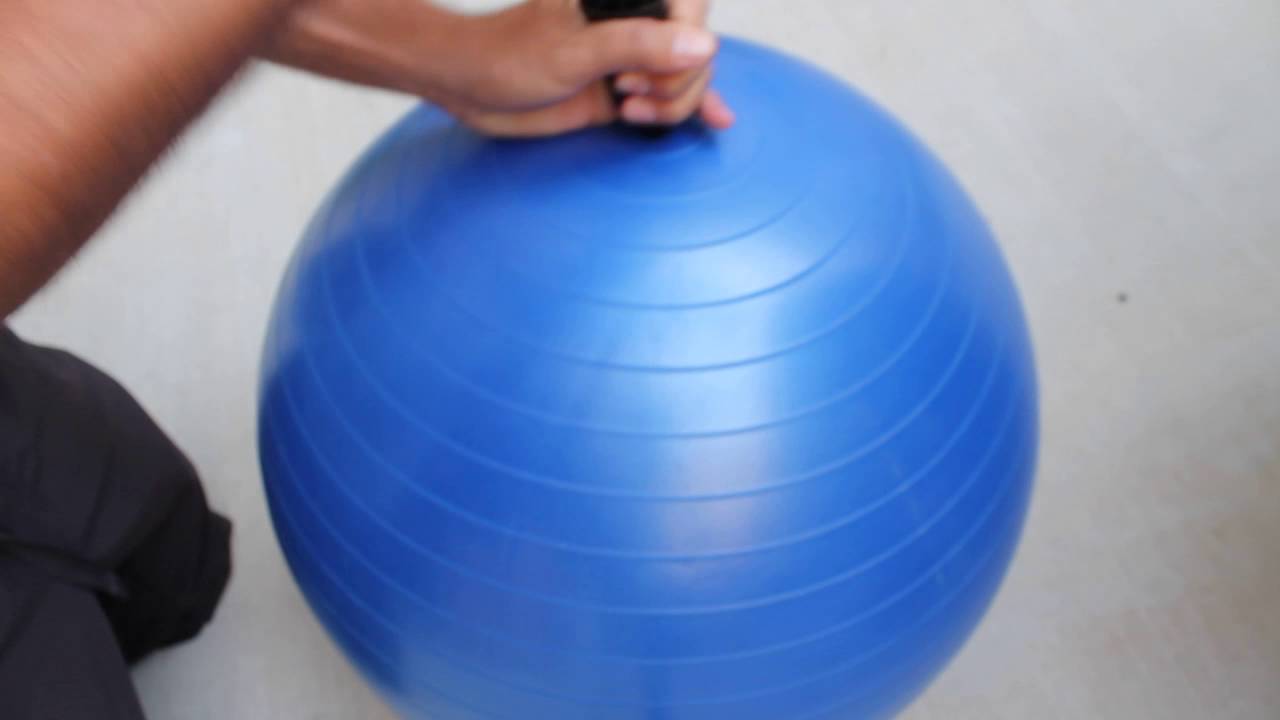
Image Source: i.ytimg.com
Gathering Your Supplies
Before you begin the task of fitness ball inflation, it’s crucial to have the right tools. The most important item is, of course, the fitness ball itself. Beyond that, you’ll need a way to get air into it.
The Essential Tools
- Your Fitness Ball: Ensure it’s clean and free from any damage.
- Fitness Ball Pump: This is the most critical tool. Most exercise balls come with a specific pump. If yours didn’t, or if it’s lost, you’ll need to purchase a compatible fitness ball pump. These are usually hand pumps designed specifically for the type of valve found on most fitness balls.
- Exercise Ball Inflation Needle (Optional): Some pumps use an inflation needle, especially if they are designed to also inflate other sports equipment. If your pump has a specific nozzle for the ball’s valve, you might not need a separate needle. However, it’s good to have one handy if your pump uses a universal adapter.
Understanding Your Fitness Ball Valve
Every fitness ball has a valve where air enters and exits. These valves are designed to be secure, preventing air from leaking out during use.
Locating and Inspecting the Valve
- Find the Valve: The valve is usually a small, circular opening, often with a stopper or cap. It’s typically located on the underside of the ball or near the seam.
- Check for Obstructions: Before inserting any pump attachment, ensure the valve is clear of any debris. Sometimes, the plastic stopper can be a bit tight. You might need to gently push it in or use the tip of a pen to slightly loosen it if it seems stuck.
- Valve Type: Most modern fitness balls use a simple push-in valve. Older or different types of balls might have a screw-in valve or a different mechanism. Refer to your ball’s manual if you’re unsure.
The Inflation Process: Step-by-Step
Now that you have your supplies and know your valve, it’s time to get that stability ball filling up.
Step 1: Prepare the Ball and Pump
- Unpack and Unfold: Take your fitness ball out of its packaging. If it’s a new ball, it will likely be folded or compressed. Gently unfold it and let it sit for a bit to regain its shape, which can make inflation easier.
- Attach Pump to Valve:
- If your pump has a specific nozzle: Firmly insert the nozzle into the ball’s valve. Ensure a snug fit to prevent air leakage.
- If your pump uses an exercise ball inflation needle: Insert the needle into the pump’s fitting, and then firmly insert the needle into the ball’s valve. Make sure the needle goes in straight and far enough to catch the valve mechanism.
Step 2: Begin Pumping
This is where the magic happens – the yoga ball blowing up.
- Start Pumping: Begin using the fitness ball pump. If it’s a hand pump, place it on a stable surface and use smooth, steady strokes.
- Initial Inflation: You’ll notice the ball slowly starting to take shape. It will begin to expand.
- Monitor Progress: Keep an eye on the ball as it inflates. Most fitness balls require a significant amount of air. Don’t be discouraged if it takes time.
Step 3: Achieving the Correct Firmness
This is perhaps the most crucial part of fitness ball inflation. Over-inflating or under-inflating can affect its performance and safety.
Determining the Right Firmness
- Manufacturer’s Guidelines: Always check the product manual that came with your exercise ball. It will usually specify the recommended diameter and firmness level.
- The “Sit Test”: Once the ball is mostly inflated, sit on it. Your knees should be at roughly a 90-degree angle to the floor. If your knees are higher than your hips, it’s likely over-inflated. If your knees are lower than your hips, it needs more air.
- Push Test: You should be able to press into the ball with moderate pressure and have it give slightly, but not feel mushy or overly soft. It should feel firm but with a slight give.
- Visual Cues: The ball should be perfectly round and taut, with no sagging or distortion when you sit or place weight on it.
Adjusting Firmness
- Adding Air: If the ball is too soft, continue pumping.
- Releasing Air: If you’ve over-inflated it, or if it feels too hard, you can carefully release some air. For pumps with needles, you might be able to gently pull the needle out slightly to let a small amount of air escape. Alternatively, if the valve has a stopper, you can very gently press it with a blunt object to release air. Do this in short bursts and re-check the firmness.
Step 4: Securing the Valve
Once you’ve achieved the desired firmness, it’s time to seal the ball.
- Remove the Pump/Needle: Carefully remove the pump nozzle or the exercise ball inflation needle.
- Insert Stopper: If your ball uses a stopper, push it firmly into the valve opening. Ensure it sits flush with the surface of the ball to prevent it from being a tripping hazard or getting dislodged.
Post-Inflation Checks and Considerations
After the initial inflation, there are a few more things to consider.
Allowing the Ball to Settle
New fitness balls, especially larger exercise balls, can sometimes stretch slightly after the initial inflation. It’s a good idea to inflate your ball and let it sit for 24 hours. Then, re-check the firmness and add more air if needed to reach the optimal PSI (pounds per square inch) or firmness. This is an important step for the “large exercise ball pump” user.
Re-inflation Needs
Over time, even properly sealed fitness balls may lose a small amount of air. This is normal. You might need to top it up every few weeks or months, depending on usage and the quality of the ball. The process of re-inflating is the same as the initial inflation.
Choosing the Best Fitness Ball Pump
Not all pumps are created equal. The type of fitness ball pump you use can significantly impact the ease and efficiency of exercise ball inflation.
Types of Fitness Ball Pumps
- Hand Pumps: These are the most common. They can be single-action (air is pumped on both up and down strokes) or double-action (air is pumped on one stroke, but some designs are more efficient).
- Pros: Portable, usually inexpensive, no electricity required.
- Cons: Can be tiring for very large balls or if significant re-inflation is needed.
- Foot Pumps: Less common for fitness balls but available. You press down with your foot to pump air.
- Pros: Frees up your hands.
- Cons: Can be awkward to position and operate, might not offer as much control.
- Electric Pumps: These are typically used for larger inflatables like air mattresses, but some might be adaptable.
- Pros: Fast and effortless.
- Cons: Require electricity, can be harder to control precise inflation levels, might be too powerful and risk over-inflation if not used carefully.
What Makes the Best Fitness Ball Pump?
- Efficiency: Does it pump a good amount of air with each stroke?
- Durability: Is it made of sturdy materials that won’t break easily?
- Valve Compatibility: Does it come with the correct nozzle or adapter for your ball?
- Ergonomics: Is it comfortable to hold and operate?
- Included Accessories: Does it come with an exercise ball inflation needle if needed, or multiple nozzle sizes?
When you’re looking for a pump, especially if you need to buy one separately, consider searching for terms like “best fitness ball pump” or “large exercise ball pump” to find reviews and recommendations.
Troubleshooting Common Inflation Issues
Sometimes, things don’t go exactly as planned. Here are some common problems and how to fix them.
Issue: Air Leakage
- Problem: Air seems to be escaping from the valve area even when the pump is attached or the stopper is in place.
- Possible Causes & Solutions:
- Loose Pump Connection: Ensure the pump nozzle or needle is firmly and straightly inserted into the valve.
- Damaged Valve: The valve itself might be torn or have a small hole. Carefully inspect the valve. If it’s damaged, you might need to contact the manufacturer for a replacement ball or valve stopper.
- Improperly Inserted Stopper: Remove and re-insert the stopper, making sure it’s seated correctly and creating a seal.
- Porous Ball Material: In rare cases, especially with cheaper balls, the material might not hold air well.
Issue: Difficulty Inserting Pump or Needle
- Problem: You can’t get the pump nozzle or the exercise ball inflation needle into the valve.
- Possible Causes & Solutions:
- Valve is Closed Tightly: The internal stopper might be pushed in too far. Try to gently wiggle the pump or needle as you push. Sometimes, a tiny puff of air from another source (like your mouth, very gently and briefly) can help open the valve, but be cautious not to introduce moisture.
- Valve Obstruction: A small piece of debris might be blocking the valve.
- Wrong Size Needle/Nozzle: Ensure you are using the correct size for your ball’s valve.
Issue: Ball Won’t Inflate Properly
- Problem: The ball remains soft and saggy even after prolonged pumping.
- Possible Causes & Solutions:
- Ineffective Pump: The pump might be old, damaged, or simply not powerful enough.
- Air Leak: Revisit the “Air Leakage” troubleshooting section. A slow leak can prevent the ball from firming up.
- Ball Material: Some materials are naturally more resistant to inflation until a certain point is reached. Keep pumping steadily.
Maintaining Your Fitness Ball
Proper inflation is key to maintenance. Here’s why and what else to do:
Why Correct Inflation Matters for Longevity
- Prevents Premature Wear: An under-inflated ball is more prone to stress on its seams and material, leading to premature tears or bursting.
- Maintains Shape and Function: Over-inflation can stress the material and make the ball too rigid, potentially leading to cracking or bursting. Correct firmness ensures the ball can flex and support you as intended.
- Ensures Safety: A properly inflated ball provides the intended stability and support, reducing the risk of accidents during workouts.
Other Maintenance Tips
- Cleaning: Clean your fitness ball regularly with mild soap and water or an alcohol-free cleaner. Avoid harsh chemicals.
- Storage: Store your ball in a cool, dry place away from direct sunlight and extreme temperatures. If storing for a long period, it’s best to deflate it slightly.
- Avoid Sharp Objects: Keep the ball away from sharp objects, rough surfaces, and anything that could puncture it.
Popular Fitness Ball Types and Their Inflation Needs
While the process is similar, different types of balls might have slight variations in their inflation requirements.
Exercise Balls (Stability Balls)
These are typically the largest and most commonly used for core strength and general fitness. They come in various sizes (e.g., 55cm, 65cm, 75cm, 85cm) depending on user height. When thinking about exercise ball inflation, remember that larger balls require more air and effort. Using a good “large exercise ball pump” is essential here. The goal is a firm but yielding surface.
Pilates Balls (Mini Stability Balls, Small Exercise Balls)
These are smaller, often around 18-25 cm in diameter. They are used for specific Pilates exercises, targeting smaller muscle groups and improving posture. Pilates ball air needs to be controlled precisely. They are often inflated with a straw or a small pump and needle. Over-inflation can make them too hard to use effectively.
Yoga Balls
This term is often used interchangeably with exercise balls or stability balls. The primary difference might be the intended use (yoga poses vs. general fitness). The yoga ball blowing up process is identical to that of a stability ball.
Medicine Balls
While some medicine balls are inflatable, most are solid. If you have an inflatable medicine ball, the inflation process is the same as a fitness ball, but they are generally much smaller and denser.
Frequently Asked Questions (FAQ)
Q1: How much air should I put in my fitness ball?
A: You should inflate your fitness ball until it is firm but still yields slightly when you press on it. A good test is to sit on it; your knees should be at a 90-degree angle. Refer to your ball’s manual for specific size and firmness guidelines.
Q2: My fitness ball came with a small plastic pump. Is this good enough?
A: Yes, most fitness balls are designed to be inflated with the included small hand pump. While it might take some effort, it’s usually sufficient for proper inflation. If you find it too slow or difficult, you can purchase a more efficient fitness ball pump.
Q3: Can I use a bike pump to inflate my fitness ball?
A: You can use a bike pump if it has a suitable attachment or an exercise ball inflation needle. However, be very careful not to over-inflate, as bike pumps can deliver air much faster than a dedicated fitness ball pump. It’s often easier to over-inflate and potentially damage the ball.
Q4: How often do I need to re-inflate my fitness ball?
A: Most fitness balls will require occasional re-inflation, perhaps every few weeks or months, as they naturally lose a small amount of air over time. This depends on usage and the quality of the ball.
Q5: What is the best fitness ball pump?
A: The “best” pump is subjective, but look for one that is durable, efficient, and comes with the correct attachments for your ball. Many users find double-action hand pumps to be very effective. Checking reviews for “best fitness ball pump” will help you decide.
Q6: My new exercise ball feels softer after a day. What should I do?
A: This is normal for new balls, as the material stretches and settles. Re-inflate it to the desired firmness. You may need to do this a couple of times in the first week to achieve optimal and stable inflation.
By following these steps, you can confidently inflate your fitness ball and get ready to enjoy all the benefits it offers for your health and fitness journey.