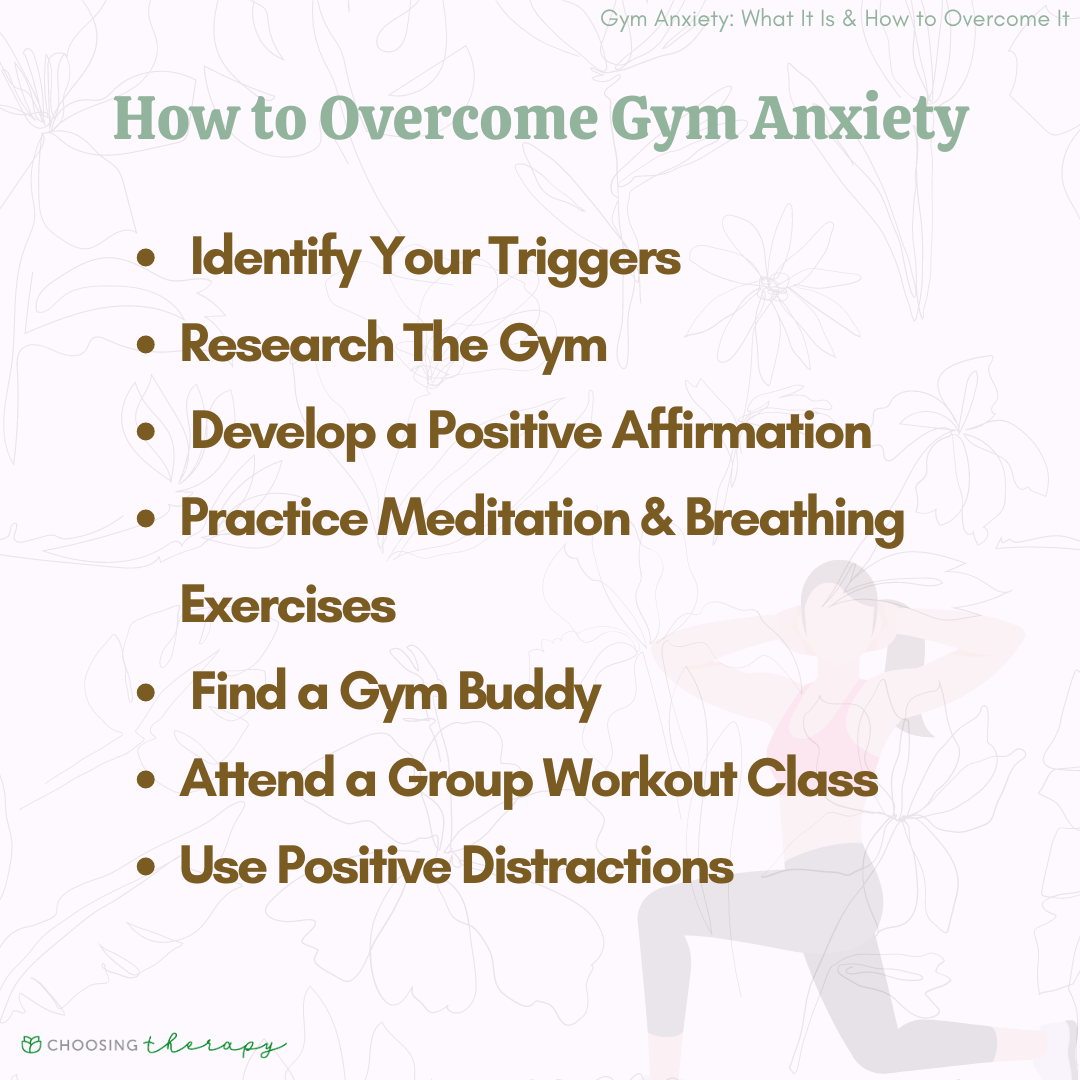
Image Source: www.choosingtherapy.com
How to Overcome Gym Anxiety: Beat the Fear
Feeling nervous about the gym? You’re not alone! Many people experience gym anxiety, especially on their first day at the gym or when facing beginner gym intimidation. This is often rooted in social anxiety at the gym and a general feeling of self-consciousness at the gym. But the good news is, you can definitely overcome it and build gym confidence. This guide will show you how to tackle gym shyness tips, gym workout anxiety, and dealing with gym insecurity.
Why Does Gym Anxiety Happen?
Gym anxiety, or overcoming gym phobia, stems from a variety of sources. It’s a common response to feeling exposed and judged in a new environment.
Common Triggers for Gym Anxiety
- Fear of Judgment: Many worry about what others think of their appearance, their fitness level, or how they perform exercises. This self-consciousness at the gym can be paralyzing.
- Lack of Knowledge: Not knowing how to use equipment or perform exercises correctly can lead to beginner gym intimidation. This fear of looking foolish is a significant factor.
- Comparison to Others: Seeing people who appear more fit or experienced can trigger feelings of inadequacy, fueling gym insecurity.
- New Environment: Simply being in an unfamiliar place with unfamiliar faces can be overwhelming. This is particularly true for the first day at the gym.
- Social Pressure: The gym can feel like a social arena, and the thought of interacting or even just being seen by others can be daunting if you have social anxiety at the gym.
- Fear of Not Fitting In: Worrying that you don’t belong or that you’re not “gym-ready” is a common sentiment.
Strategies to Build Gym Confidence
The key to beating gym anxiety is to prepare, be kind to yourself, and focus on your own progress. Building gym confidence is a journey, not a race.
Pre-Gym Preparation
- Research and Plan: Before you even go, do some homework. Look up gym layouts online. Browse videos of common exercises to familiarize yourself with them. Plan a simple workout routine for your first few visits. This reduces the fear of the unknown.
- Go During Off-Peak Hours: For your initial visits, try going when the gym is less crowded. Early mornings, late nights, or mid-afternoons on weekdays are often quieter. This minimizes exposure and reduces beginner gym intimidation.
- Pack Your Bag the Night Before: Having everything ready – workout clothes, water bottle, headphones, towel – can ease morning-of stress and reduce the feeling of being unprepared.
On Your First Day and Beyond
- Focus on the Present: When you’re at the gym, try to stay present. Concentrate on your breathing, your movements, and the effort you’re putting in. Don’t let your mind wander to imagined judgments.
- Wear Comfortable, Familiar Clothes: Choose workout clothes that make you feel good and are comfortable for movement. This isn’t the time to experiment with new, revealing outfits if that adds to your self-consciousness at the gym.
- Set Small, Achievable Goals: Instead of aiming to do a full-body workout like a seasoned pro, focus on one or two machines or exercises. Completing these small tasks builds momentum and gym confidence building.
- Learn One New Thing: Each visit, aim to learn how to use one new piece of equipment or master one new exercise. This gradual learning process combats beginner gym intimidation.
Tackling Social Anxiety at the Gym
Social anxiety at the gym can make you feel like everyone is watching and judging. Here’s how to manage that feeling:
Minimizing Perceived Scrutiny
- The “Everyone is Focused on Themselves” Rule: Believe it or not, most people at the gym are more concerned with their own workouts and their own insecurities than they are with you. They’re focused on their sets, their form, and their personal goals. This is a crucial step in dealing with gym insecurity.
- Headphones as a Shield: Wearing headphones is a universally accepted gym accessory. They can signal that you’re in your own zone and less available for interaction, which is helpful for gym shyness tips. Choose music or podcasts that help you focus and feel empowered.
- Find a Familiar Spot: If possible, identify a corner or a section of the gym that feels less exposed. You might gravitate towards cardio machines or a specific weight area. As your gym confidence building grows, you can expand your territory.
Overcoming Beginner Gym Intimidation
Beginner gym intimidation is a significant hurdle. It’s the feeling of being overwhelmed by the equipment, the routines, and the people.
Practical Steps for Beginners
- Master the Basics: Don’t try to emulate complex exercises you see on social media. Start with fundamental movements like squats, lunges, push-ups (modified if needed), and basic rows. Focus on good form over heavy weight.
- Utilize Gym Staff: Most gyms offer introductory sessions or have trainers on staff. Don’t be afraid to ask for help! They can show you how to use machines properly and even design a beginner-friendly routine. This is a direct way to combat beginner gym intimidation.
- Explore Different Cardio Options: If lifting weights feels too daunting initially, start with cardio. Treadmills, ellipticals, stationary bikes, and rowing machines are generally intuitive to use. This gives you a chance to get accustomed to the gym environment without the pressure of complex movements.
Dealing with Gym Workout Anxiety
This type of anxiety focuses on the act of working out itself – fear of fatigue, incorrect form, or not pushing hard enough.
Managing Your Workout Experience
- Listen to Your Body: Don’t push yourself to the point of pain. Learn the difference between muscle fatigue and injury. A good workout should challenge you, but it shouldn’t leave you feeling broken. This is key for gym workout anxiety.
- Focus on Form: Proper form is crucial for effectiveness and injury prevention. Watch instructional videos before your workout, and if you can, book a session with a trainer to check your form. Using mirrors to check your posture can also help.
- Progressive Overload: Gradually increase the intensity, duration, or weight of your workouts. This principle of progressive overload is what drives results and builds gym confidence building. It’s about steady improvement, not instant perfection.
- Track Your Progress: Keep a workout log. Note the exercises you did, the weights you lifted, and how you felt. Seeing how far you’ve come is a powerful motivator and helps alleviate gym workout anxiety.
The Role of a Workout Partner
Sometimes, having a workout partner can be a blessing or a source of new anxiety.
Navigating Partner Workouts
- Finding the Right Partner: Choose someone with a similar fitness level and a positive attitude. A partner who is constantly critical or overly competitive can exacerbate your own anxieties.
- Communication is Key: Discuss your goals and expectations with your partner beforehand. Agree on the pace, the types of exercises, and how you’ll motivate each other. This can reduce workout partner anxiety.
- Mutual Support: A good partner can provide encouragement, spot you on lifts, and offer a different perspective. They can also help you feel less alone, especially when dealing with self-consciousness at the gym.
- Not Relying Solely on a Partner: While a partner is great, ensure you can also perform effectively on your own. Don’t let workout partner anxiety prevent you from going if your partner can’t make it.
Practical Gym Shyness Tips
If you’re experiencing gym shyness tips, these small actions can make a big difference:
Actionable Advice for Shyness
- Smile and Nod: A simple smile and nod to other gym-goers or staff can make you feel more connected and less isolated. It’s a small act that can boost gym confidence building.
- Be Polite and Respectful: Re-rack your weights, wipe down machines after use, and be mindful of others’ space. Being a considerate gym member makes you feel more at ease.
- Start Small with Interactions: If you want to talk to people, begin with simple questions like, “Is this machine taken?” or “Can you tell me how this works?”
- Focus on Internal Validation: Your progress and how you feel are more important than external opinions. Celebrate your own small victories.
Frequently Asked Questions (FAQ)
Q1: What if I don’t know how to use the equipment?
A1: This is a very common concern for those experiencing beginner gym intimidation. Most gyms offer free introductory sessions with a trainer. You can also find numerous videos online demonstrating how to use various machines and free weights. Don’t hesitate to ask gym staff for assistance; they are there to help!
Q2: Will people stare at me if I’m new or not in shape?
A2: While it might feel that way due to self-consciousness at the gym, most people are focused on their own workouts. They are likely dealing with their own gym insecurity or working towards their own goals. Try to remember the “everyone is focused on themselves” rule.
Q3: I have serious social anxiety at the gym. What’s the best way to cope?
A3: For social anxiety at the gym, start with strategies that create a personal bubble, like wearing headphones and focusing on your workout. Gradually, as your gym confidence building increases, you might find yourself interacting more naturally. Preparing a simple workout plan can also reduce the mental load.
Q4: How do I deal with feeling awkward on my first day at the gym?
A4: On your first day at the gym, keep it simple. Go during a less busy time, wear comfortable clothes, and focus on mastering one or two exercises. Remember that everyone had a first day! Your goal is just to get through it and build momentum for the next time.
Q5: Is it okay to work out alone if I have workout partner anxiety?
A5: Absolutely! While a partner can be beneficial, your personal comfort is paramount. If the thought of a workout partner adds to your anxiety, focus on solo workouts. You can still achieve your fitness goals independently.
Q6: How can I stop comparing myself to others at the gym?
A6: Comparison is a major source of gym insecurity. A great way to combat this is to keep a personal workout journal. Focus on your own progress, celebrate your achievements (no matter how small), and remember that everyone’s fitness journey is unique.
Conclusion
Gym anxiety is a hurdle, but it is absolutely surmountable. By implementing these strategies, you can transform your gym experience from one of fear to one of empowerment and enjoyment. Remember to be patient with yourself, celebrate your progress, and focus on why you started. The gym is a space for health and self-improvement, and you deserve to feel comfortable and confident there. With consistent effort and a positive mindset, you can conquer gym shyness, beat gym workout anxiety, and build lasting gym confidence.