Many people wonder, “How long after eating can I exercise?” or “What is the best time to exercise after eating?” The short answer is that it depends on what you ate and the type of exercise you plan to do, but a general rule of thumb is to wait about 1 to 3 hours after a full meal before doing strenuous activity. For a small snack, you might only need to wait 30 minutes to an hour. Getting the timing right helps your body digest food properly and can prevent discomfort like stomach cramps or nausea while you work out.
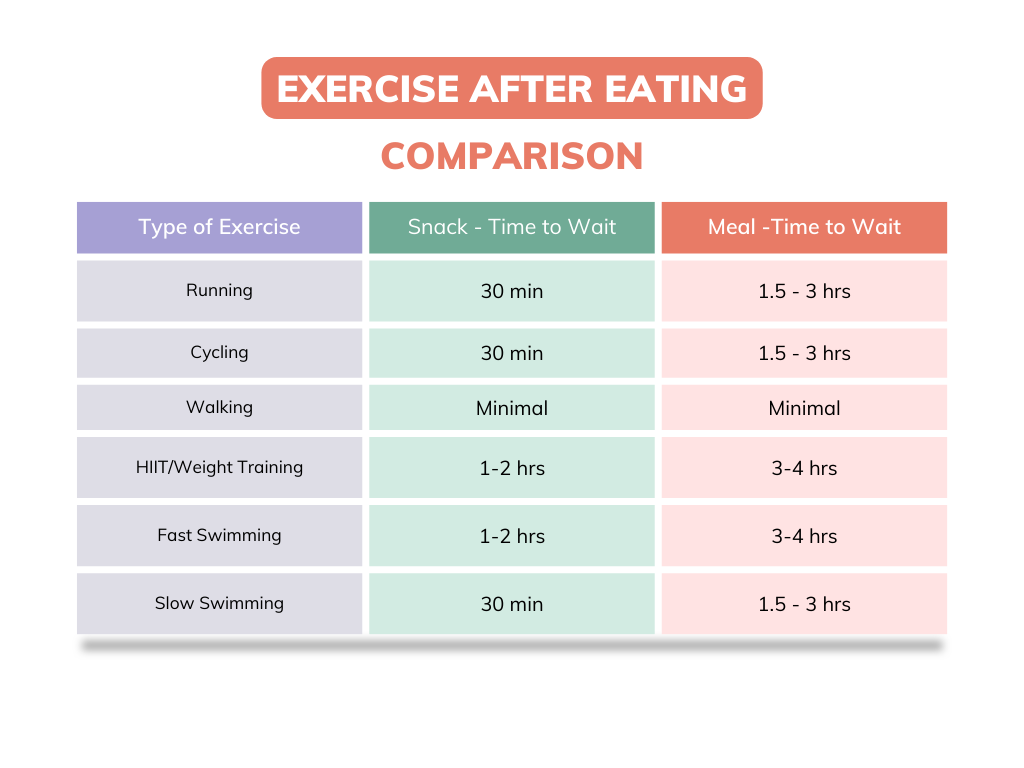
Image Source: images.squarespace-cdn.com
Fathoming Why Timing Your Workout Matters
Exercising after eating too soon can cause problems. Your body needs blood to digest food. It sends extra blood flow to your stomach and intestines when you eat.
When you exercise, your muscles need blood too. If you work out hard right after eating, your body has to choose where to send blood. It often sends it to your muscles instead of your digestive system.
This can slow down digestion. It can make you feel sick. You might get stomach cramps, feel nauseous, or even throw up. This is why working out on a full stomach is usually not a good idea.
Waiting gives your body time to start digesting your food. It lets some of the blood go back to your muscles. Then, your body can handle both digestion and exercise better.
Gaining Insight into Digestion Time Before Exercise
How long food stays in your stomach varies. Simple sugars and liquids pass through quickly. Complex carbohydrates, proteins, and especially fats take much longer. This is key to understanding digestion time before exercise.
Think of your stomach like a mixing bowl. It breaks down food with acid and enzymes. Then, it slowly empties the food into your small intestine. Most nutrient absorption happens here. This whole process takes time.
If you start jumping around or running hard while your stomach is full, the food can slosh around. This can feel uncomfortable. It can also make digestion less efficient.
The time food takes to move out of your stomach depends on many things. These include what you ate, how much you ate, and your own body.
Food Types and How Fast They Digest
Not all foods are created equal when it comes to digestion speed.
- Simple Carbs (like white bread, sugary drinks): These are quick. They break down fast and give you energy fairly quickly. But they can also cause a sugar crash later.
- Complex Carbs (like whole wheat bread, oats, vegetables): These take longer. Your body has to work harder to break them down. They give you a more steady release of energy.
- Proteins (like meat, fish, beans): Proteins take longer than carbs to digest. They stay in your stomach for a while.
- Fats (like oils, butter, fatty meats): Fats are the slowest to digest. They can sit in your stomach for several hours. This is why exercising after a fatty meal is particularly challenging.
- Fiber: Foods high in fiber (like some vegetables and whole grains) also take longer to move through your digestive system.
So, a meal high in fat and protein will need a much longer wait time to exercise after meal than a meal mostly made of simple carbs.
Deciphering Factors That Change Your Wait Time
Several things affect how long you should wait to exercise after eating. It’s not a one-size-fits-all rule.
Size of Your Meal
This is a big one. A large meal needs much more time to digest than a small snack.
- Big Meal: Think dinner with multiple courses, or a large lunch with meat, potatoes, and dessert. This could require 2 to 4 hours, or even longer, before you feel comfortable exercising intensely. Your stomach is full, and your body is focused on processing a lot of food. Working out on a full stomach like this is likely to cause problems.
- Medium Meal: A sandwich and a piece of fruit, or a bowl of soup and some bread. This might need 1 to 2 hours of wait time to exercise after meal.
- Small Snack: A banana, a handful of crackers, an energy bar. This is digested pretty fast. You might only need to wait 30 minutes to an hour.
- Liquid Calories: A sports drink or a smoothie (without lots of fiber or fat) can pass through even faster. Sometimes, you can have these right before or during a workout.
What Was In Your Meal
As mentioned, the mix of carbs, protein, and fat matters a lot for your eating before a workout timing.
- A meal with lots of fat and protein will require the longest wait.
- A meal focused on easily digestible carbohydrates will require the shortest wait.
- Fiber can also affect how long food stays in your stomach. Too much right before exercise might not be wise for some people.
Type of Exercise You Do
The kind of activity makes a difference.
- Light Exercise: A gentle walk, easy cycling, or light stretching. Your body doesn’t need as much blood flow directed to muscles. You might be able to do this sooner after eating. Maybe 30 minutes to an hour after a moderate meal, or even right away after a small snack.
- Moderate Exercise: Brisk walking, jogging, swimming laps at a steady pace. These require more blood flow to muscles. You’ll likely need a longer wait time.
- Intense Exercise: Running fast, high-intensity interval training (HIIT), heavy weightlifting, competitive sports. These demand maximum blood flow to muscles. Exercising after eating stomach cramps and nausea exercising after eating are most likely with these types of workouts if you don’t wait long enough. You definitely need the longest wait period for these.
Your Own Body
Everyone is different. Some people have faster digestion than others. Some people are more sensitive to exercising after eating.
- Pay attention to how your body feels. If you feel fine exercising an hour after a certain meal, great. If you get cramps, you know you need to wait longer next time.
- Digestive conditions (like IBS) can also affect timing.
Laying Out General Guidelines for Wait Time
Based on what we know about digestion time before exercise and the factors involved, here are some common guidelines. These are starting points. Adjust based on your own experience.
Wait Time by Meal Size
| Meal Size | Examples | Suggested Wait Time Before Moderate/Intense Exercise |
|---|---|---|
| Large Meal | Full dinner, big lunch, holiday meal | 3 – 4 hours |
| Medium Meal | Sandwich & fruit, moderate pasta dish, soup | 1.5 – 3 hours |
| Small Meal | Small salad, yogurt & fruit, piece of toast | 1 – 1.5 hours |
| Small Snack | Banana, energy bar, handful of crackers | 30 – 60 minutes |
| Liquid (Low Fat/Fiber) | Sports drink, juice (in moderation) | 0 – 30 minutes (sometimes during exercise) |
Note: These are general guidelines for moderate to intense exercise. Light exercise might require less waiting.
Following a pre-workout meal timing guide like this can help prevent discomfort and support your workout performance eating schedule.
Interpreting the Science Behind the Wait
Why do we need to wait? It comes down to how your body uses blood flow.
When you eat, your digestive system gets busy. Your stomach churns food. It mixes it with acids and enzymes. Your small intestine absorbs nutrients. All this needs energy and oxygen, delivered by blood. Your body sends extra blood to these areas. This is called the “fed state.”
When you exercise hard, your muscles need more oxygen and nutrients. Your body sends extra blood to your muscles, heart, and lungs. This is the “active state.”
Your body is smart, but it can’t do both at maximum efficiency at the same time. If you try to digest a big meal and run a marathon, blood flow has to be divided.
- Sending blood to muscles for exercise takes away blood from the stomach and intestines. Digestion slows down. Food sits in your stomach longer. This can cause that heavy, uncomfortable feeling. It can lead to exercising after eating stomach cramps.
- Trying to digest a lot of food takes blood away from your muscles. This can make your muscles not work as well. You might feel sluggish or weaker than usual. This negatively impacts your workout performance eating schedule.
Waiting allows your body to finish the main part of stomach digestion. Once food moves into the small intestine, less blood is needed in the stomach area. This frees up blood to go to your muscles when you start exercising.
Grasping Eating Before Different Types of Workouts
The ideal eating before a workout timing varies based on the exercise type.
Cardio (Running, Cycling, Swimming)
These activities involve rhythmic, repetitive movements. They can really jiggle your stomach if it’s full. Nausea exercising after eating is common with cardio.
- For runs or rides over an hour, having some easily digestible carbs about 1-2 hours before is good. This gives you energy.
- For shorter or lighter cardio, a small snack 30-60 minutes before might be enough, or even nothing if you’re okay working out on an empty stomach (which is fine for many shorter workouts).
- Avoid fatty or high-fiber foods right before running. They can cause stomach upset.
Strength Training (Weightlifting)
Weightlifting is often less likely to cause stomach upset than high-impact cardio because there’s less jarring movement. However, lifting very heavy weights puts pressure on your core, which can be uncomfortable with a full stomach.
- A meal 1.5 to 3 hours before is usually fine.
- Some people like a mix of protein and carbs a couple of hours out.
- A small carb-focused snack 30-60 minutes before can give you a quick energy boost.
- Listen to your body; working out on a full stomach can still feel heavy and affect your ability to brace your core during lifts.
Yoga and Pilates
These involve bending, twisting, and sometimes inversions (going upside down). A full stomach can be very uncomfortable or even make you feel sick during certain poses.
- Wait at least 1-2 hours after a moderate meal.
- For a large meal, wait longer.
- Avoid eating heavily within an hour of class.
- A light snack 30-60 minutes before might be okay, but keep it small and simple.
High-Intensity Interval Training (HIIT)
HIIT involves short bursts of very hard work. Your heart rate goes up fast. This type of exercise can be very demanding on your digestive system if you haven’t waited long enough. Nausea exercising after eating is a real risk with HIIT.
- Treat this like intense cardio. Wait 2-3 hours after a moderate meal.
- Wait 3-4+ hours after a large meal.
- If you need energy closer to the session, a very small, easily digestible carb snack (like a few dates or a piece of fruit) 30-45 minutes before might work for some people, but trial and error are key. Exercising after eating stomach cramps is highly probable if you attempt intense HIIT soon after a meal.
Getting Your Pre-Workout Meal Timing Guide Right
Eating something before a workout can provide energy, especially for longer or harder sessions. The key is timing and choosing the right foods. This is where a good pre-workout meal timing guide comes in.
Close to the Workout (30-60 minutes before)
If you need a quick energy boost shortly before exercising, choose foods that digest very fast.
- Focus: Simple carbohydrates. Low in fat, protein, and fiber.
- Examples: Banana, apple sauce, a few dates, plain crackers, a small piece of white toast, a sports drink (if needed for intense, long workouts).
- Why: These carbs enter your bloodstream quickly, giving your muscles readily available fuel without sitting heavily in your stomach.
A Couple of Hours Before (1-2 hours before)
This is good timing for a slightly more substantial snack or a small meal.
- Focus: Mostly carbohydrates, with a little protein is fine. Still relatively low in fat and fiber.
- Examples: Oatmeal, yogurt with a little fruit, a turkey or ham sandwich on white bread (small), a small bowl of pasta, rice cakes with jam.
- Why: Gives your body more time to digest. Provides sustained energy from complex carbs, but still easy enough on the stomach.
Longer Before (2-3+ hours before)
This is when you can have a more complete meal.
- Focus: Balanced meal with complex carbohydrates, lean protein, and some healthy fats.
- Examples: Chicken breast with brown rice and vegetables, salmon with sweet potato, lentil soup with whole-grain bread.
- Why: Provides long-lasting energy from various nutrients. Your body has plenty of time for full digestion before you become active.
Remember, the goal is to fuel your body without upsetting your stomach. Experiment to find what works best for your body and your workout performance eating schedule.
Paying Attention to Your Body
No chart or guideline is perfect. Your body gives you signals. Pay attention to them.
- Signs You Waited Long Enough: You feel comfortable. No heaviness in your stomach. No sloshing. You can breathe deeply without discomfort. You feel energized, not weighed down.
- Signs You Didn’t Wait Long Enough:
- Stomach cramps or pain.
- Feeling nauseous exercising after eating.
- Burping or heartburn.
- Feeling full or heavy.
- Feeling sluggish or weaker than usual.
- Needing to go to the bathroom urgently during exercise.
If you experience these symptoms regularly, it means you need to adjust your eating before a workout timing or the type of food you eat beforehand. Try waiting longer. Try a smaller amount of food. Try a different type of food (less fat, less fiber, more simple carbs).
Exercising after eating stomach cramps is your body’s way of telling you the digestive system is unhappy while you’re trying to work out. Listen to it!
Optimizing Your Workout Performance Eating Schedule
Planning your meals around your exercise time helps you feel better and perform better. This isn’t just about avoiding discomfort; it’s also about fueling your activity and recovery.
For Morning Workouts
- If you exercise first thing, many people find it’s okay to work out on an empty stomach, especially for shorter or less intense sessions. Your body can use stored glycogen for energy.
- If you need something, a very small, easily digestible snack (like half a banana or a few sips of a sports drink) 30 minutes before might be enough.
- Have your main breakfast after your workout. This helps with recovery.
For Midday or Evening Workouts
- Plan your lunch (or dinner) to finish 2-3 hours before your workout.
- If you get hungry closer to the workout time, have a small, quick-digesting snack 30-60 minutes before.
- This allows you to be fueled from your meal but not exercising on a full stomach.
Planning Around Long/Intense Sessions
- For workouts lasting longer than 60-90 minutes, especially intense ones, proper fueling beforehand is more important.
- Ensure you have a good meal 2-3 hours before.
- Consider easily digestible carbs during the workout if it goes over an hour (like a sports drink, gels, or fruit snacks).
- Have a recovery meal or snack with protein and carbs soon after finishing.
Think of your eating before a workout timing not just as avoiding problems, but as setting yourself up for success. A smart workout performance eating schedule provides the energy you need to perform well and the nutrients needed to recover and build strength.
Practical Tips for Timing Your Meals and Exercise
Let’s put it all together with some actionable tips for your wait time to exercise after meal.
- Prioritize Comfort: The most important rule is how you feel. If it hurts or makes you sick, you didn’t wait long enough or ate the wrong thing.
- Bigger Meal = Longer Wait: Always give large meals ample digestion time before exercise.
- Fattier/Protein-Heavy Meal = Longer Wait: These take more time to digest.
- More Intense Exercise = Longer Wait: High-impact or very strenuous activity requires a much emptier stomach. Exercising after eating stomach cramps are less likely if you wait.
- Test and Learn: Try waiting different amounts of time. See how you feel during your workout. Note what you ate. This helps you figure out your personal best time to exercise after eating.
- Snack Smart Close to Exercise: If you need something within an hour of exercising, make it small and easy to digest – think simple carbs.
- Stay Hydrated: Drinking water is important, but chugging a lot of water right before or during intense exercise can also cause sloshing and discomfort. Sip as needed.
- Consider Liquid Nutrition: For some athletes, liquid meals or specific sports drinks close to exercise work better than solid food because they pass through the stomach faster. This is part of optimizing your pre-workout meal timing guide.
- Don’t Fear Working Out Not Fully Fueled (Sometimes): For general health and shorter workouts (under 60 minutes), it’s often fine to exercise a bit hungry or a longer time after your last meal. Your body is good at using stored energy.
- Refuel After: Remember that eating after your workout is also important for recovery. Don’t skip your post-exercise nutrition because you’re focused on the timing before.
Following these principles helps you avoid common issues like nausea exercising after eating and supports your overall fitness goals by aligning your eating before a workout timing with your activity. Getting your wait time to exercise after meal right is a key part of a consistent and comfortable exercise routine.
Frequently Asked Questions (FAQ)
Here are some common questions about eating and exercising.
Q: How long after eating can I lift weights?
A: For moderate weightlifting, waiting 1.5 to 2.5 hours after a medium-sized meal is often sufficient. If you had a large meal, wait 3+ hours. For a small snack focused on carbs, 30-60 minutes might be enough. Listen to how your stomach feels, especially when bracing your core for lifts.
Q: Is it okay to exercise on an empty stomach in the morning?
A: Yes, for many people and for moderate-duration activities (like a 30-60 minute run or gym session), exercising on an empty stomach is perfectly fine. Your body uses stored energy. Some people feel better doing this, while others need a small snack.
Q: Can I eat immediately after exercising?
A: Yes, it is generally beneficial to eat something soon after exercising, especially if your workout was intense or long. Aim for a mix of carbohydrates and protein within 30-60 minutes after finishing to help with muscle recovery and refuel energy stores.
Q: What should I eat if I only have 30 minutes before a workout?
A: Choose a very small portion of easily digestible carbohydrates. Examples include half a banana, a few dates, a small handful of raisins, or a couple of rice cakes. Avoid fats, proteins, and high fiber, as these slow digestion. This fits into your pre-workout meal timing guide for quick energy.
Q: Why do I get stomach cramps when exercising after eating?
A: Exercising after eating stomach cramps often happen because your body is trying to digest food while also sending blood to your working muscles. This conflict slows digestion, can cause food to sit uncomfortably in your stomach, and can lead to pain. Not waiting long enough for digestion time before exercise is the main reason.
Q: Does drinking liquids affect the wait time differently than solid food?
A: Yes. Plain water has no impact on digestion time before exercise. Sports drinks with simple sugars pass through the stomach relatively quickly (within 30 minutes or less). Smoothies or liquid meals containing protein, fat, or fiber will take longer to digest, similar to solid food, though sometimes slightly faster depending on the ingredients.
Q: Can I have coffee before exercising?
A: Yes, coffee or caffeine is often consumed before exercise. For most people, black coffee won’t cause digestive issues if consumed 30-60 minutes before exercising. Be aware that caffeine can stimulate the digestive system in some people, so test it out first.
Q: I feel nauseous exercising after eating even when I wait an hour or two. What should I do?
A: If you still feel nausea exercising after eating even after waiting, try waiting longer, or experiment with what you eat before your workout. Focus on very bland, simple carbs. If problems continue, talk to a doctor or a sports dietitian, as there might be an underlying issue or you may just be very sensitive.
In Summary
Finding the right wait time to exercise after meal is important for comfort and performance. While there’s no single perfect answer, aiming for 2-3 hours after a large meal, 1-2 hours after a smaller meal, and 30-60 minutes after a small snack is a good starting point. Pay attention to your body’s signals. The type of food, the size of the meal, the intensity of your workout, and your own body all play a role in determining your ideal eating before a workout timing. By listening to your body and following general guidelines, you can fuel your activity effectively while avoiding discomfort like exercising after eating stomach cramps or nausea exercising after eating. Getting your workout performance eating schedule right helps you enjoy your exercise more and get better results.