Image Source: www.chicagoathleticclubs.com
How Often Should You Go To The Gym For Best Results?
For best results, how many times a week to workout at the gym usually falls between 3 to 5 days. The exact frequency of gym visits depends heavily on your fitness goals, current fitness level, the intensity of your workouts, and how well your body recovers. Some people see great results with just three structured sessions per week, while others might thrive on five or six days of activity.
Why Your Gym Frequency Matters
Going to the gym is not just about putting in the work; it is also about letting your body rest and get stronger. The frequency of gym visits you choose directly impacts how your body adapts.
- Not Enough: If you do not go enough, your body might not get the consistent challenge it needs to make progress. You might not see changes in muscle size, strength, or weight.
- Too Much: Going too often without enough rest can lead to overtraining. This means your body does not have time to repair muscle fibers, replenish energy stores, or let your nervous system recover. Overtraining can cause fatigue, poor performance, injuries, and even sickness.
- Just Right: Finding the optimal gym frequency means hitting the sweet spot. You challenge your body enough to force it to adapt and improve, but you also give it the rest it needs to recover and build back stronger. This balance is key for steady progress and avoiding setbacks.
Your gym workout schedule should support your goals and your body’s ability to handle the stress of exercise. Getting the frequency right is just as important as what you do during your workouts.
Factors Shaping Your Gym Frequency
Deciding how many times a week to workout is not a one-size-fits-all answer. Several things play a big role in finding your perfect number. Thinking about these factors helps you set a realistic and effective gym workout schedule.
Your Fitness Goals
What you want to achieve is a main driver for your optimal gym frequency.
- Weight Loss: Often involves a mix of strength training and cardio. Higher frequency might be helpful to burn more calories, but recovery is still needed.
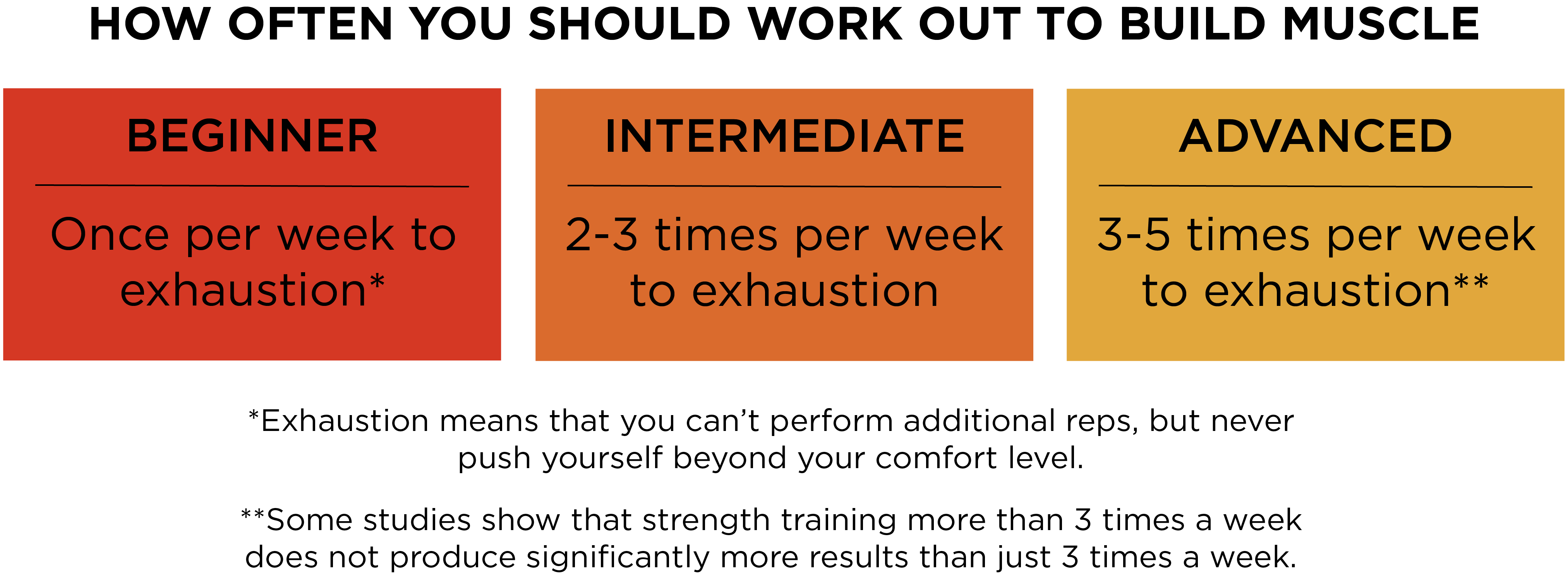
- Muscle Gain (Hypertrophy): Requires consistent challenging of muscles, followed by adequate rest for repair and growth. This usually means hitting each muscle group 1-3 times per week.
- Strength Gain: Similar to muscle gain, but focuses more on heavy lifting and recovery for the nervous system. Frequency depends on the training program (e.g., full body, split routines).
- General Health & Fitness: Aims for overall well-being, including some strength, cardio, and flexibility. Lower frequency might be enough for maintenance and improvement.
- Endurance (Running, Cycling): Focuses on cardiovascular training. Gym frequency might be lower, used for cross-training or strength work to support the main activity.
Your Current Fitness Level
Where you are starting from makes a big difference for beginner gym frequency compared to someone advanced.
- Beginners: Need more recovery time because their bodies are not used to the stress. Starting with 2-3 days a week is often best. This allows muscles and the nervous system to adapt safely.
- Intermediate: Can handle more frequency, maybe 3-4 days per week. They might use split routines to allow specific muscle groups more rest while still training other parts of the body.
- Advanced: Can often handle 4-6 days per week. They might train with high intensity and structure their weekly gym routine carefully to manage fatigue and ensure recovery. Their bodies are highly adapted to training stress.
The Intensity and Type of Your Workouts
Harder workouts need more recovery.
- High-Intensity Strength Training: Lifting heavy weights demands a lot from muscles and the nervous system. You usually need 48-72 hours of rest for a muscle group after a hard session.
- Moderate Cardio: Less taxing on muscles and nervous system compared to heavy lifting. Can often be done more frequently.
- High-Intensity Interval Training (HIIT): Very demanding. Needs significant recovery time. Doing HIIT too often can quickly lead to burnout.
- Low-Intensity Exercise (Walking, Stretching): Can often be done daily, even on rest days workout schedules, as it aids recovery.
Your Recovery Capabilities
How well your body recovers is possibly the most critical factor for optimal gym frequency. Recovery is affected by:
- Sleep: Getting enough quality sleep (7-9 hours) is vital for muscle repair and hormonal balance.
- Nutrition: Eating enough protein, carbs, and healthy fats provides the building blocks and energy needed for recovery.
- Stress Levels: High stress (work, personal life) can hinder recovery.
- Age: Recovery can sometimes take longer as you age.
- Genetics: Some people naturally recover faster than others.
Ignoring rest days workout guidelines can stop your progress or cause injury.
Finding the Right Gym Frequency for Different Goals
Let’s look at specific exercise frequency recommendations based on common fitness goals. Remember these are general guides. You might need to adjust based on the factors above.
Gym Frequency for Weight Loss
Weight loss happens when you burn more calories than you eat. Exercise helps increase the calories you burn.
- Recommendation: 3-5 days per week.
- How to structure: A mix of strength training and cardio is often recommended.
- Strength Training: 2-3 times per week. Building muscle boosts your metabolism, meaning you burn more calories even at rest.
- Cardio: 2-3 times per week. This directly burns calories. It can be steady-state (like jogging) or interval training (like HIIT).
- Example Weekly Gym Routine:
- Monday: Strength Training (Full Body or Upper)
- Tuesday: Cardio (Moderate Intensity)
- Wednesday: Rest or Active Recovery (Light walk)
- Thursday: Strength Training (Full Body or Lower)
- Friday: Cardio (Higher Intensity or Intervals)
- Saturday: Rest or Active Recovery
- Sunday: Rest
Consistency is key for weight loss. Finding a frequency you can stick to long-term is more important than trying to go every day and burning out quickly. Listen to your body and take rest days workout when needed.
Gym Frequency for Muscle Gain (Hypertrophy)
To build muscle, you need to challenge muscles enough to cause tiny tears, then let them repair and grow stronger during rest.
- Recommendation: 3-5 days per week.
- How to structure: Focus on hitting each major muscle group 1-3 times per week with enough volume (sets and reps) and intensity.
- Full Body: 3 times per week. Works all major muscle groups each session. Requires rest days between sessions (e.g., Mon/Wed/Fri).
- Split Routines: Allow higher overall frequency while specific muscles rest. Examples:
- Upper/Lower Split: Train upper body (chest, back, shoulders, arms) on one day, lower body (legs, glutes) on another. Can be done 4 times per week (e.g., Upper/Lower/Rest/Upper/Lower/Rest/Rest).
- Push/Pull/Legs Split: Push muscles (chest, shoulders, triceps), Pull muscles (back, biceps), Legs. Can be done 3 times per week (P/Pu/L) or 6 times per week (P/Pu/L/P/Pu/L).
- Body Part Split: Train one or two muscle groups per day (e.g., Chest, Back, Legs, Shoulders/Arms). Often 4-5 times per week.
- Example Weekly Gym Routine (Upper/Lower Split):
- Monday: Upper Body Strength
- Tuesday: Lower Body Strength
- Wednesday: Rest
- Thursday: Upper Body Strength
- Friday: Lower Body Strength
- Saturday: Rest
- Sunday: Rest
- Example Weekly Gym Routine (Push/Pull/Legs x2):
- Monday: Push
- Tuesday: Pull
- Wednesday: Legs
- Thursday: Push
- Friday: Pull
- Saturday: Legs
- Sunday: Rest
For muscle gain, the quality of your workouts (challenging yourself) and adequate rest (especially sleep and nutrition) are just as important as the frequency. Make sure your rest days workout schedule is respected.
Gym Frequency for Strength Gain
Strength training focuses on lifting heavier weights, often for fewer repetitions, to improve the capacity of your muscles and nervous system to produce force. This places significant stress on the nervous system, requiring ample recovery.
- Recommendation: 2-5 days per week, often with lower frequency on harder lifts.
- How to structure: Programs often focus on compound lifts (squats, deadlifts, bench press, overhead press). Frequency depends on the program design.
- Beginner Strength: Often 2-3 full-body sessions per week with rest days in between (e.g., Starting Strength, StrongLifts 5×5). This allows frequent practice of key lifts while providing recovery.
- Intermediate/Advanced Strength: May use higher frequency but spread the load. For example, training the squat or bench press multiple times a week but with varying intensity (one heavy day, one lighter technique day). Programs like 5/3/1 or high-frequency splits are common.
- Example Weekly Gym Routine (Beginner Strength):
- Monday: Full Body Strength (Squat, Bench, Row)
- Tuesday: Rest
- Wednesday: Full Body Strength (Squat, Overhead Press, Deadlift)
- Thursday: Rest
- Friday: Full Body Strength (Squat, Bench, Row)
- Saturday: Rest
- Sunday: Rest
- Example Weekly Gym Routine (Intermediate Strength – 5/3/1 style):
- Monday: Squat + Accessories
- Tuesday: Rest
- Wednesday: Bench Press + Accessories
- Thursday: Rest
- Friday: Deadlift + Accessories
- Saturday: Rest
- Sunday: Overhead Press + Accessories
Strength gains rely heavily on letting the nervous system recover. Do not skip rest days workout plans. Pushing too hard without enough rest can lead to stalled progress or injuries.
Gym Frequency for General Health and Fitness
If your main goal is to stay healthy, feel good, and maintain a reasonable fitness level, you do not need to be in the gym every day.
- Recommendation: 2-4 days per week.
- How to structure: A balanced approach combining some strength work and some cardio is ideal.
- Strength Training: 1-2 times per week, focusing on major movement patterns (squat, hinge, push, pull). This helps maintain muscle mass, bone density, and metabolism.
- Cardio: 2-3 times per week of moderate activity (like brisk walking, cycling) or shorter bursts of more intense activity. This supports heart health and calorie burning.
- Example Weekly Gym Routine:
- Monday: Strength Training (Full Body)
- Tuesday: Rest
- Wednesday: Cardio (Moderate)
- Thursday: Rest
- Friday: Strength Training (Full Body)
- Saturday: Active or Light Activity (Walk, Yoga)
- Sunday: Rest
This frequency provides enough stimulus to get health benefits without being overly demanding on your time or body. It is a sustainable gym workout schedule for many people.
Gym Frequency Based on Your Starting Point
Your current fitness level is a major factor in deciding your optimal gym frequency. Beginners need a different approach than those who have been training for years. This influences beginner gym frequency significantly.
Beginner Gym Frequency (New to the Gym)
If you are just starting, your body needs time to get used to exercise. Muscles, joints, and the nervous system all need to adapt. Trying to do too much too soon is the fastest way to get hurt or burned out.
- Recommendation: 2-3 days per week.
- Why:
- Allows muscles adequate time to repair and grow stronger between sessions (48-72 hours for the same muscle group).
- Reduces the risk of injury as your body learns proper form and builds resilience.
- Helps build consistency without being overwhelming.
- Lets your nervous system adapt to the new stress.
- How to structure: Full-body workouts are often best for beginners. This allows you to practice main movements frequently throughout the week while giving each muscle group a day or two of rest between sessions.
- Example Weekly Routine:
- Monday: Full Body Workout
- Tuesday: Rest
- Wednesday: Full Body Workout
- Thursday: Rest
- Friday: Full Body Workout
- Saturday: Rest or Light Activity (walk)
- Sunday: Rest
- Focus: Learn proper exercise form. Do not worry too much about lifting heavy or going for long cardio sessions initially. Consistency and form are key.
This beginner gym frequency lets you build a solid foundation. As you get fitter, you can think about adding more days or changing your weekly gym routine.
Intermediate Gym Frequency
Once you have been training consistently for several months (usually 6-12+ months) and have built a base level of strength and fitness, your body can handle more.
- Recommendation: 3-4 days per week.
- Why: Your body is more resilient and recovers faster. You can increase the volume or intensity of your workouts.
- How to structure: You might start using split routines (like Upper/Lower, Push/Pull/Legs) to train more often while still giving specific muscles enough rest. Or you could stick with full body but increase the number of exercises or sets.
- Example Weekly Routine (Upper/Lower Split):
- Monday: Upper Body
- Tuesday: Lower Body
- Wednesday: Rest
- Thursday: Upper Body
- Friday: Lower Body
- Saturday: Rest or Active Recovery
- Sunday: Rest
- Focus: Progressively challenge yourself – lift a little heavier, do a few more reps, or try harder variations of exercises.
At this stage, your weekly gym routine becomes more specific to your evolving goals (e.g., focusing more on muscle gain or strength).
Advanced Gym Frequency
Years of consistent training build a highly adapted body capable of handling significant training stress. Advanced trainees can often recover faster and manage fatigue better.
- Recommendation: 4-6 days per week.
- Why: To continue making progress, advanced individuals often need higher training volume, intensity, or frequency.
- How to structure: Complex splits (like Push/Pull/Legs x2, or body-part splits), wave loading, and strategic deload weeks become common. They might train certain lifts or muscle groups 2-3 times per week with varied intensity. Some might do two-a-day sessions (e.g., cardio in the morning, weights in the evening), but this requires very careful planning and recovery management.
- Example Weekly Routine (Push/Pull/Legs x2):
- Monday: Push
- Tuesday: Pull
- Wednesday: Legs
- Thursday: Push
- Friday: Pull
- Saturday: Legs
- Sunday: Rest
- Focus: Fine-tuning training variables, periodization, advanced recovery techniques, and extreme consistency.
Advanced frequency requires a deep understanding of your body and recovery needs. It is not suitable for most people and can easily lead to overtraining if not managed well.
The Absolute Need for Rest Days Workout
Rest days are not optional; they are critical parts of your gym workout schedule. Muscle growth and repair happen outside the gym, while you are resting and recovering.
Why Rest Matters So Much
- Muscle Repair and Growth: Weight training causes micro-tears in muscle fibers. During rest, your body repairs these tears, making the muscle stronger and slightly larger. Without enough rest, this process is incomplete.
- Nervous System Recovery: Heavy lifting and intense cardio stress your central nervous system. Symptoms of nervous system fatigue include general tiredness, lack of motivation, poor sleep, and decreased performance. Rest days allow it to reset.
- Hormone Balance: Overtraining can disrupt hormones like cortisol (stress hormone), which can negatively impact muscle growth, fat loss, and overall health. Rest helps keep hormones in balance.
- Energy Replenishment: Your muscles store energy as glycogen. Intense workouts deplete these stores. Rest and proper nutrition allow them to refill.
- Injury Prevention: Fatigue increases the risk of poor form and accidents. Rest days workout plans reduce this risk.
- Mental Break: Consistent intense training can be mentally draining. Rest days offer a break, helping you stay motivated and enjoy training long-term.
What to Do on Rest Days
Rest days do not always mean doing nothing.
- Complete Rest: Simply relax. Avoid strenuous physical activity. Focus on sleep, nutrition, and stress reduction. This is often best after very hard workouts or if you feel signs of fatigue.
- Active Recovery: Light, low-intensity activity that increases blood flow without causing muscle fatigue. Examples include:
- Walking
- Light cycling
- Swimming (easy pace)
- Yoga or stretching
- Foam rolling
Active recovery can help reduce muscle soreness and improve flexibility. It should feel easy, not like another workout. The goal is to aid recovery, not hinder it.
How Many Rest Days?
This varies based on your frequency, intensity, and recovery.
- If training 2-3 times per week (common for beginners or general fitness), you will naturally have 4-5 rest days.
- If training 4-5 times per week (intermediate/advanced or specific goals), aim for at least 1-2 full rest days per week. You might also include active recovery days.
- If training 6+ times per week (advanced), rest days are still essential. Often, one full rest day is programmed, and recovery strategies (sleep, nutrition, massage, light activity) are highly prioritized on all other days.
Listen to your body. If you feel unusually tired, sore, or irritable, it is a sign you might need more rest, regardless of your planned schedule. Your rest days workout is as important as your training days.
Structuring Your Weekly Gym Routine
Creating a smart gym workout schedule helps you stay consistent and ensures you are giving your body the right stimulus and rest. Here are common ways to structure your frequency of gym visits:
Full Body Training
- How it works: You train all major muscle groups in one session.
- Frequency: Usually 2-3 times per week.
- Pros: Efficient (fewer gym visits needed), allows frequent practice of movements, excellent for beginners to build base strength and coordination, good for general fitness.
- Cons: Hard to achieve high volume for each muscle group in one session, requires rest days between sessions.
- Best for: Beginners, general fitness, busy schedules, athletes doing cross-training.
Upper/Lower Split
- How it works: One day focuses on upper body muscles, the next on lower body muscles.
- Frequency: Usually 4 times per week (2 upper, 2 lower).
- Pros: Allows more volume per muscle group than full body, clear structure, provides direct rest days for upper/lower body.
- Cons: Requires 4 days a week for consistency.
- Best for: Intermediate trainees, muscle gain, balancing upper and lower body development.
Push/Pull/Legs (PPL) Split
- How it works: Divides training by movement pattern. Push days (chest, shoulders, triceps), Pull days (back, biceps), Legs days.
- Frequency: Can be 3 times per week (P/Pu/L) or 6 times per week (P/Pu/L/P/Pu/L).
- Pros: Logical grouping of muscles, allows high frequency (6 days) while giving 48 hours rest to trained muscles if rotated correctly, good for muscle gain.
- Cons: 6-day version is demanding and requires good recovery.
- Best for: Intermediate to advanced trainees, muscle gain.
Body Part Split
- How it works: Each session targets one or two specific muscle groups (e.g., Chest day, Back day, Leg day, Shoulder/Arms day).
- Frequency: Usually 4-6 times per week.
- Pros: Allows very high volume for each specific muscle group within its dedicated session.
- Cons: Each muscle group is only trained once a week, which might not be optimal for frequency-dependent goals like muscle gain for some people; can be time-consuming.
- Best for: Experienced trainees looking for high volume on specific muscles, or those who prefer this training style.
Hybrid or Mixed Approach
- How it works: Combines elements of different splits or includes dedicated cardio/mobility days.
- Frequency: Varies widely, often 3-5 days per week.
- Pros: Can be tailored exactly to individual needs and goals, provides variety.
- Cons: Requires more knowledge to design effectively.
- Best for: Intermediate/advanced trainees with specific needs, athletes.
Choosing your weekly gym routine structure depends on your optimal gym frequency, goals, and how much time you can commit.
Exercise Frequency Recommendations Summary
Here is a quick look at general exercise frequency recommendations based on common goals and levels. Use this as a starting point and adjust based on your body and results.
| Goal / Level | Recommended Frequency | Typical Structure Examples | Key Considerations |
|---|---|---|---|
| Beginner (Any Goal) | 2-3 days/week | Full Body | Focus on form, allow ample rest (beginner gym frequency) |
| General Health/Fitness | 2-4 days/week | Full Body + Cardio | Balance strength and cardio, stay consistent |
| Weight Loss | 3-5 days/week | Strength (2-3x) + Cardio (2-3x) | Mix training types, consistency, diet is key |
| Muscle Gain | 3-5 days/week | Full Body (3x) or Splits (Upper/Lower, PPL) | Hit muscles 1-3x/week, prioritize rest (gym frequency for muscle gain) |
| Strength Gain | 2-5 days/week | Full Body (2-3x) or Specific Strength Splits | Focus on heavy lifts & nervous system recovery |
| Intermediate | 3-4 days/week | Full Body or Splits (Upper/Lower, PPL) | Increase intensity/volume, manage recovery |
| Advanced | 4-6 days/week | Complex Splits (PPLx2, Body Part) | High volume/intensity, requires excellent recovery |
Remember, these are guidelines for the frequency of gym visits. The best result comes from the combination of frequency, intensity, type of exercise, nutrition, sleep, and rest days workout plans.
Signs You’re Training Too Much or Not Enough
Your body gives you signals. Learning to listen to them helps you find your true optimal gym frequency.
Signs You Might Be Training Too Much (Overtraining)
Ignoring these can lead to injury or burnout.
- Persistent Fatigue: Feeling constantly tired, even after rest days.
- Decreased Performance: Strength goes down, you cannot lift as much, or your cardio feels harder.
- Increased Rest Heart Rate: Your heart rate is higher than normal when you wake up.
- Muscle Soreness That Won’t Go Away: Soreness lasting more than a few days or moving from one muscle to another.
- Joint Pain: Aching or pain in joints, not just muscles.
- Frequent Illness: Getting sick more often than usual (colds, etc.).
- Poor Sleep: Trouble falling asleep or staying asleep.
- Mood Changes: Irritability, anxiety, depression, lack of motivation.
- Loss of Appetite: Not feeling hungry.
- Hormonal Changes: (More common in women) Missed or irregular periods.
If you notice several of these signs, it is a clear message to reduce your gym frequency or take extra rest days workout.
Signs You Might Not Be Training Enough
If you are consistent but not seeing results, your frequency might be too low or the intensity too low.
- Lack of Progress: Not getting stronger, faster, or seeing body composition changes over time (after the initial beginner phase).
- Workouts Feel Too Easy: You are not challenged during your sessions.
- Low Muscle Soreness: While not always a sign of a bad workout, consistently having no muscle fatigue could mean you are not providing enough stimulus.
- Feeling Restless: Feeling like you have too much energy and need to move more.
If you are consistent (e.g., training 3 times a week for a month or two) but not seeing changes, consider if you need to slightly increase your frequency of gym visits or increase the intensity of your current workouts.
Listening to Your Body
This is the most important piece of advice for finding your optimal gym frequency. No general recommendation or workout plan can replace your body’s signals.
- Pay Attention: How do you feel when you wake up? How do you feel during your workout? How do you feel the day after?
- Track Progress (and Fatigue): Keep a log of your workouts, weights lifted, and even how you felt (energy levels, sleep quality, soreness). This helps you spot trends.
- Adjust as Needed: If you planned 4 workouts but feel completely run down on day 3, take a rest day. It is better to miss one session than push through and get injured or need a much longer break later.
- Do Not Compare: Your optimal gym frequency is personal. What works for someone else might not work for you because of differences in recovery, stress, sleep, and genetics.
Learning to listen takes time and practice. It is a skill that helps you train effectively and sustainably for the long run. Your weekly gym routine should be flexible enough to allow for these adjustments.
Putting It All Together: Building Your Gym Frequency
Finding the best frequency of gym visits is an ongoing process.
- Define Your Goals: Are you aiming for weight loss, muscle gain, strength, or general health?
- Assess Your Level: Are you a beginner, intermediate, or advanced?
- Consider Your Time: How many days can you realistically commit to going to the gym each week?
- Think About Recovery: How well do you sleep? How is your stress? Are you eating well? Be honest.
- Start with a Recommendation: Based on your goals and level, pick a starting frequency (e.g., 3 days a week for a beginner aiming for general fitness).
- Choose a Structure: Select a gym workout schedule (full body, split, etc.) that fits your frequency and goals.
- Be Consistent: Stick to the plan for a few weeks (4-6 weeks is a good start).
- Monitor Progress and Listen to Your Body: Are you seeing results? Do you feel overly tired or sore? Check the signs of over/under-training.
- Adjust: If you are doing well and feel like you can handle more, you might add a day or increase intensity. If you feel run down, reduce frequency or add more rest days workout.
- Review Periodically: Revisit your goals and frequency every few months as your fitness level changes.
There is no magic number of days. The optimal gym frequency for you is the one that allows you to make consistent progress towards your goals while staying healthy, injury-free, and motivated. Exercise frequency recommendations are just a starting point for your personal journey.
Frequently Asked Questions
H4 Is going to the gym every day bad?
Going to the gym every single day can be bad if your workouts are intense and do not allow for muscle group rest. This can quickly lead to overtraining, burnout, fatigue, poor performance, and injury. However, doing different types of low-intensity exercise or active recovery every day (like walking, stretching, or light cycling) is usually fine and can even be beneficial. It depends entirely on the intensity and type of activity.
H4 Can I get results going to the gym 3 times a week?
Absolutely! For many people, especially beginners and intermediate trainees, 3 times a week is an excellent frequency for seeing results, whether the goal is weight loss, muscle gain, or strength. This frequency allows for adequate training stimulus and crucial rest days workout time for recovery and growth. Consistency with these three days is more important than going sporadically five days a week.
H4 How many rest days workout do I need?
Most people benefit from at least 1-2 full rest days per week. Athletes or advanced trainees might train more frequently but rely heavily on structured active recovery and rigorous attention to sleep and nutrition. Beginners might need 3-4 rest days as part of their beginner gym frequency. Listen to your body’s signals of fatigue and soreness.
H4 How long should a gym session be?
A typical strength training session can range from 45 to 75 minutes, not including warm-up and cool-down. Cardio sessions might be 20-60 minutes depending on intensity. The duration is less important than the quality of the workout and the overall weekly volume and frequency. Spending hours in the gym is often unnecessary and can be counterproductive.
H4 What is the best gym workout schedule for a busy person?
For busy people, efficiency is key. 2-3 full-body workouts per week on non-consecutive days is often the most effective gym workout schedule. This hits all major muscles multiple times a week with fewer gym visits. High-intensity interval training (HIIT) can also be a time-efficient cardio option if appropriate for your fitness level.
H4 Should I do the same workout every time?
No, doing the exact same workout every time will eventually lead to stalled progress. Your body adapts. To keep seeing results, you need to use progressive overload, which means gradually increasing the challenge over time. This can be done by lifting heavier weight, doing more reps or sets, increasing training frequency, decreasing rest times, or doing harder exercise variations. Your weekly gym routine should involve some form of progression.
H4 How long until I see results?
Results vary based on consistency, effort, genetics, nutrition, and sleep. Beginners often see changes in strength within 4-8 weeks. Visible changes in body shape (muscle or fat loss) can take 8-12 weeks or longer. Be patient and consistent. The right frequency of gym visits, combined with other healthy habits, will lead to results over time.