Can you really target the lower abs? Yes, you can! While your core muscles work together, some exercises put more focus on the lower part of your rectus abdominis, often called the ‘lower abs’. Doing effective lower ab exercises can help make this area stronger. Many lower abdominal exercises are easy to do right at home without any special equipment. This article will show you how to build a strong core and work on your exercises for lower stomach with simple moves.
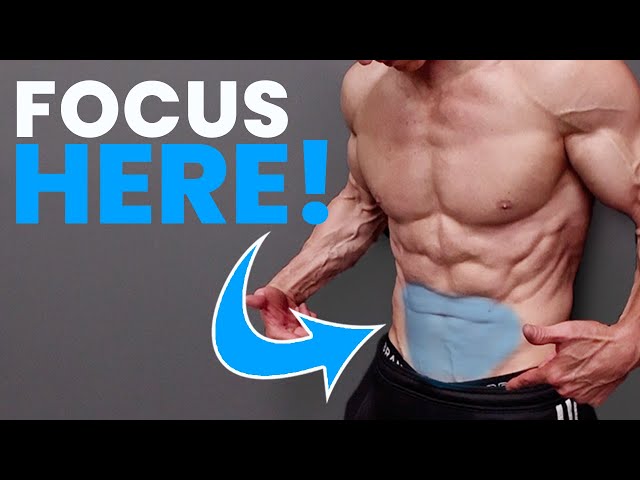
Image Source: i.ytimg.com
Grasping Your Lower Core
Your core is like the center of your body. It includes many muscles. The muscle most people call the ‘abs’ is the rectus abdominis. It runs from your chest down to your pelvis. The lower part of this muscle helps you do things like lift your legs. Working these muscles helps with good posture and stability. Core strengthening exercises make your whole midsection strong. This strength helps you in daily life, like lifting things or standing tall.
Why Focus on Lower Abs?
Many people want a flat stomach workout. While diet is key for losing fat, exercising your lower abs makes the muscles underneath stronger.
- Better Posture: Strong lower abs help keep your spine straight. This means you stand taller and feel better.
- Injury Prevention: A strong core supports your back. This can help stop back pain and injuries, especially when you lift things.
- Improved Performance: Running, jumping, or even just walking gets easier with a strong core. It helps transfer power through your body.
- Targeted Strength: Focusing on
targeting lower abshelps make that specific area stronger, which can be part of your overall fitness goals.
Key Lower Ab Exercises at Home
You don’t need a gym to work your lower abs. Many great lower abdominal exercises use just your body weight. Make sure you have a soft place to lie down, like a yoga mat or carpet.
Leg Raises Exercise
This is a classic move for the lower abs. It focuses well on the lower abdominal exercises.
How to Do Leg Raises
- Lie flat on your back.
- Keep your legs straight. You can put your hands under your lower back or butt for support. Or keep them by your sides.
- Keep your lower back pressed into the floor. This is very important. Don’t let your back arch up.
- Slowly lift your legs up towards the ceiling. Keep them as straight as you can. Lift until your legs are pointing straight up or close to it.
- Pause at the top.
- Slowly lower your legs back down. Go only as low as you can without your lower back lifting off the floor. This might mean not going all the way to the floor.
- Repeat for the number of reps you want.
Tips for Leg Raises
- Move slowly and with control. Don’t just drop your legs.
- Keep your abs tight the whole time.
- If straight legs are too hard, bend your knees slightly.
- Focus on pressing your lower back down. This shows your abs are working, not your back.
Reverse Crunches
Reverse crunches are another top choice for targeting lower abs. Instead of lifting your upper body, you lift your lower body.
How to Do Reverse Crunches
- Lie flat on your back.
- Bend your knees to 90 degrees. Your feet should be off the floor.
- Put your hands by your sides or slightly under your lower back for balance.
- Use your lower abs to pull your knees towards your chest. Your hips will lift slightly off the floor.
- Imagine you are trying to touch your knees to your nose.
- Pause at the top when your hips are off the floor.
- Slowly lower your legs back to the start position. Don’t let your feet touch the floor. Keep tension on your abs.
- Repeat.
Tips for Reverse Crunches
- Don’t swing your legs. Control the movement with your abs.
- Keep your upper back and shoulders relaxed on the floor.
- Focus on the lower abs lifting your hips, not momentum.
- A small lift is better than a big swing.
Flutter Kicks
Flutter kicks work the lower abs and hip flexors. They are part of many flat stomach workout plans.
How to Do Flutter Kicks
- Lie flat on your back.
- Put your hands under your lower back or butt.
- Keep your legs straight.
- Lift both legs a few inches off the floor. This is the starting point. Keep your lower back pressed down.
- Move your legs up and down in small, quick movements, like kicking while swimming.
- Keep the kicks small and controlled.
- Do this for a set amount of time.
Tips for Flutter Kicks
- Make sure your lower back stays glued to the floor. If it arches, lift your legs higher.
- Point your toes to make your legs long.
- Keep your abs tight the whole time.
- Start with short times (like 15-20 seconds) and build up.
Scissor Kicks
Similar to flutter kicks, scissor kicks work the lower abs but with side-to-side motion. They are great exercises for lower stomach.
How to Do Scissor Kicks
- Lie flat on your back.
- Put your hands under your lower back or butt.
- Keep your legs straight.
- Lift both legs a few inches off the floor, keeping your lower back pressed down.
- Spread your legs apart, then cross one leg over the other in a scissor motion.
- Switch which leg is on top with each cross.
- Keep the movements controlled.
- Do this for a set amount of time.
Tips for Scissor Kicks
- Keep your abs braced.
- Control the spread and cross. Don’t let your legs drop.
- Again, if your lower back arches, lift your legs higher off the floor.
Mountain Climbers (Slow & Controlled)
While often seen as a cardio move, doing mountain climbers slowly and with focus can really work the lower abs as core strengthening exercises.
How to Do Slow Mountain Climbers
- Start in a plank position. Your hands are under your shoulders. Your body is a straight line from head to heels.
- Keep your core tight.
- Slowly draw one knee towards your chest.
- Hold for a second, really squeezing your abs.
- Slowly return the leg to the plank position.
- Now slowly draw the other knee towards your chest.
- Hold and squeeze.
- Return to plank.
- Continue switching legs.
Tips for Slow Mountain Climbers
- Focus on using your abs to pull the knee in, not just your hip flexors.
- Keep your hips level. Don’t let them rock side to side.
- Keep your shoulders over your hands.
- This is about control, not speed.
Ab Bikes (Slow & Controlled)
Like mountain climbers, slowing down the ab bike makes it a great move for targeting lower abs and obliques.
How to Do Slow Ab Bikes
- Lie on your back.
- Put your hands lightly behind your head. Don’t pull on your neck.
- Lift your shoulders off the floor slightly, but keep your lower back pressed down.
- Bring one knee towards your chest while reaching the opposite elbow towards that knee.
- Fully extend the other leg straight out, a few inches off the floor.
- Hold this position for a second, squeezing your abs.
- Slowly switch sides. Bring the other knee in and the opposite elbow towards it, while extending the first leg.
- Keep switching sides slowly and with control.
Tips for Slow Ab Bikes
- Focus on the crunch and twist coming from your core, not just moving your arms and legs.
- Keep your extended leg straight and low, but only as low as you can keep your lower back down.
- Breathe out as you crunch towards your knee.
Hanging Leg Raises (Advanced)
This move is harder and might need a pull-up bar or somewhere to hang. It’s an effective lower ab exercise.
How to Do Hanging Leg Raises
- Hang from a bar with an overhand grip. Keep your body straight.
- Keep your legs straight (or slightly bent if needed).
- Use your lower abs to lift your legs up in front of you.
- Lift them until they are parallel to the floor (or higher if you can).
- Keep your body stable. Try not to swing.
- Slowly lower your legs back down with control.
- Repeat.
Tips for Hanging Leg Raises
- Focus on lifting with your abs, not swinging your body.
- Keep the movement slow, especially on the way down.
- If straight legs are too hard, bend your knees and lift them towards your chest (hanging knee raises).
Building a Beginner Lower Ab Workout Routine
Starting slow is smart. A good beginner lower ab exercises plan helps you build strength safely. Aim to do this routine 2-3 times a week, with a rest day in between.
Here is a simple lower ab workout routine you can do at home:
Beginner At-Home Lower Ab Routine
| Exercise | Sets | Reps / Time | Notes |
|---|---|---|---|
| Leg Raises | 2 | 10-12 reps | Focus on keeping lower back down |
| Reverse Crunches | 2 | 10-12 reps | Control the lift and lower |
| Flutter Kicks | 2 | 20-30 seconds | Keep kicks small, back flat |
| Slow Ab Bikes | 2 | 10-12 reps per side | Go slow, focus on the crunch and hold |
- Rest: Rest for 60-90 seconds between sets.
- Form: Always choose good form over doing more reps.
Advancing Your Routine
As you get stronger, you can make these effective lower ab exercises harder.
- Do more reps (up to 15-20).
- Do more sets (3 sets instead of 2).
- Hold the top position of leg raises or reverse crunches for a few seconds.
- Lower your legs slower during leg raises.
- Try variations like straight leg reverse crunches (harder).
- Combine moves (e.g., a reverse crunch right into a leg lower).
- Increase the time for flutter or scissor kicks.
Interpreting Proper Form
Doing exercises the right way is key. Good form makes sure you work the right muscles (targeting lower abs) and helps you avoid getting hurt.
Why Form Matters
- Work the Right Muscles: Bad form means other muscles take over. You won’t work your lower abs as well.
- Prevent Injury: Arching your back or using momentum can strain your spine or other joints.
Core strengthening exercisesdone right protect you. - Get Better Results: Proper form leads to stronger muscles over time.
Common Mistakes to Avoid
- Arching the Lower Back: This is a big one, especially in leg raises. It means your abs aren’t strong enough to control the weight of your legs. It puts strain on your back. Lift your legs higher or bend your knees if this happens.
- Using Momentum: Swinging your legs in leg raises or reverse crunches means you’re using gravity and swing, not your abs. Slow down and control the movement.
- Straining Your Neck: Especially in ab bikes or regular crunches (if you add them). Don’t pull on your head. Your hands are just there for light support. The work should come from your abs.
- Not Engaging Your Core: Thinking about squeezing your abs before starting the movement helps. Don’t just go through the motions. Feel the muscles working.
- Holding Your Breath: Remember to breathe. Usually, you breathe out during the hardest part of the move (like lifting your legs).
Fathoming Breathing and Muscle Connection
Breathing correctly helps your abs work better. Think about breathing out as you pull your legs up or crunch. This helps tighten your core.
Also, try to feel the muscles you are working. When doing a leg raises exercise, focus on your lower abs doing the work to lift your legs. This mind-muscle connection can make your workout more effective.
Deciphering Your Progress
You won’t see a flat stomach overnight. Getting a flat stomach workout to show results takes time, hard work, and healthy eating. Be patient with yourself.
How to Track Progress
- Consistency: Can you do your
lower ab workout routineregularly (3-4 times a week)? This is the most important step. - More Reps/Sets/Time: Can you do more reps, sets, or hold exercises longer than before? This shows your abs are getting stronger.
- Better Form: Is your form getting better? Can you keep your back flat during leg raises when lowering your legs closer to the floor?
- Feeling Stronger: Do you feel stronger in your core during daily activities?
Remember, fat loss is needed to see muscle definition. Effective lower ab exercises build the muscle, but diet helps reduce the fat covering it.
More Tips for Working Your Lower Abs
- Warm-Up: Always start with a few minutes of light cardio (like marching in place) to get your blood flowing.
- Cool-Down: Stretch your abs and back gently after your workout.
- Listen to Your Body: If something hurts, stop.
- Mix It Up: Change your routine every few weeks to keep challenging your muscles. Add new
lower abdominal exercises. - Don’t Forget Other Core Muscles: Your core includes your sides (obliques) and back. Work these too for a balanced, strong core. Plank variations are great
core strengthening exercisesfor the whole midsection.
Common Beginner Lower Ab Exercises
Let’s look closer at some moves that are great for beginners focusing on beginner lower ab exercises.
Pelvic Tilts
This is a very gentle move, good for learning to engage the lower abs and protect the lower back.
How to Do Pelvic Tilts
- Lie on your back with knees bent and feet flat on the floor.
- Relax your body.
- Gently press your lower back into the floor. Imagine tilting your pelvis up slightly towards your belly button. Your tailbone might lift just a tiny bit.
- Hold for a moment.
- Release and return to the starting position, letting a small arch return to your lower back.
- Repeat slowly.
Tips for Pelvic Tilts
- This is a small movement.
- Focus on using your lower abs to do the tilt.
- Great warm-up or cool-down exercise.
Knee Tucks
Similar to reverse crunches but often done with feet resting lightly on the floor between reps.
How to Do Knee Tucks
- Lie on your back with knees bent and feet flat.
- Use your lower abs to pull your knees towards your chest. Lift your feet off the floor and let your hips come up slightly.
- Lower your feet back to the floor with control.
- Repeat.
Tips for Knee Tucks
- Keep the movement controlled.
- Don’t push off the floor with your feet to start the move. Use your abs.
Table Top Leg Lowers (One Leg)
A simpler version of leg lowers.
How to Do One Leg Table Top Lowers
- Lie on your back.
- Lift your legs so knees are bent at 90 degrees (tabletop position).
- Press your lower back into the floor.
- Slowly lower one foot towards the floor. Only go as low as you can without your back arching. Keep the knee bent at 90 degrees.
- Lift the leg back to the tabletop position.
- Lower the other leg slowly.
- Alternate legs.
Tips for One Leg Table Top Lowers
- Focus on keeping the non-moving leg still.
- Keep the 90-degree bend in your knee constant.
- Control the lowering phase.
Creating an Effective Lower Ab Exercises Plan
To get results, your workout plan should be balanced and consistent.
Sample Weekly Plan
Here is an example of how you might fit in lower abdominal exercises as part of a full fitness week.
| Day | Activity | Focus |
|---|---|---|
| Monday | Strength Training (Upper Body) | Chest, Back, Arms, Shoulders |
| Tuesday | Lower Ab Workout + Light Cardio | Targeting Lower Abs, 20-30 min cardio |
| Wednesday | Rest or Active Recovery (Walking) | Let muscles recover |
| Thursday | Strength Training (Lower Body) | Legs, Glutes |
| Friday | Lower Ab Workout + Light Cardio | Effective Lower Ab Exercises |
| Saturday | Longer Cardio or Fun Activity (Sport) | Endurance |
| Sunday | Rest or Gentle Stretching/Yoga | Full recovery |
This plan works your lower abs directly 2 times a week. It also includes other types of exercise for overall fitness. Remember, a flat stomach workout needs a mix of strength, cardio, and good food choices.
Table of Common Home Lower Ab Moves
Here is a quick look at some of the exercises for lower stomach you can do.
| Exercise Name | Difficulty | Primary Focus | Key Action |
|---|---|---|---|
| Pelvic Tilts | Beginner | Lower Abs, Core Control | Tilt pelvis, flatten lower back |
| Knee Tucks | Beginner | Lower Abs | Pull knees to chest, lift hips |
| One Leg Table Top Lower | Beginner | Lower Abs, Core Control | Lower one bent leg slowly |
| Leg Raises | Beginner/Int | Lower Abs | Lift and lower straight legs |
| Reverse Crunches | Beginner/Int | Lower Abs | Lift hips towards ceiling |
| Flutter Kicks | Beginner/Int | Lower Abs, Hip Flexors | Small, rapid leg movements |
| Scissor Kicks | Beginner/Int | Lower Abs, Hip Flexors | Cross legs back and forth |
| Slow Mountain Climbers | Beginner/Int | Lower Abs, Core Stabil | Slow knee to chest from plank |
| Slow Ab Bikes | Beginner/Int | Lower Abs, Obliques | Slow elbow-to-knee rotations |
| Hanging Knee Raises | Intermediate | Lower Abs | Lift bent knees while hanging |
| Hanging Leg Raises | Advanced | Lower Abs | Lift straight legs while hanging |
This table covers many great options for targeting lower abs at home. Start with the beginner ones and move up as you get stronger.
Final Thoughts on Your Lower Ab Journey
Working on lower abdominal exercises at home is possible and can be very effective. Consistency is your best friend. Don’t get discouraged if you don’t see changes right away. Keep practicing your form, doing your lower ab workout routine, and focusing on making your core stronger.
Remember that core strengthening exercises are not just for looks. A strong core helps you move better, stand taller, and can help prevent pain. Make these exercises for lower stomach part of a healthy lifestyle that includes good food and other types of exercise. You have everything you need to unlock your core right where you are!
Frequently Asked Questions (FAQ)
Can I get a flat stomach just by doing lower ab exercises?
No. Lower abdominal exercises help build the muscle under the fat. To see a flat stomach or abs, you need to reduce overall body fat. This happens through a healthy diet and regular exercise that burns calories (like cardio and full-body strength training). Think of it as building the muscle and then uncovering it.
How often should I do lower ab exercises?
Aim for 3-4 times per week. Your muscles need rest to recover and get stronger. Don’t work your abs hard every single day. Give them a rest day in between lower ab workout routine sessions.
Do I need special equipment?
Most lower abdominal exercises for home need no equipment. A mat is helpful for comfort. For advanced moves like hanging leg raises, you might need a pull-up bar. But many beginner lower ab exercises use just your body weight.
Why does my back hurt when I do leg raises?
This usually means your lower abs are not strong enough to control the movement and keep your lower back pressed into the floor. Your hip flexors or back muscles might be taking over. Try these fixes:
1. Don’t lower your legs as far down.
2. Bend your knees during the move.
3. Focus hard on pressing your lower back down and keeping your abs tight.
4. Start with easier moves like pelvic tilts or knee tucks first.
Are planks good for lower abs?
Yes! Planks are excellent core strengthening exercises. While they work your whole core, they help build the base strength needed for more specific lower abdominal exercises. A strong plank helps you keep your back flat during moves like leg raises.
How long until I see results?
This is different for everyone. It depends on your starting point, how often you work out, how well you eat, and genetics. You might feel stronger in your core in a few weeks. Seeing visible changes like a flat stomach workout showing results can take months of consistent effort with diet and exercise. Focus on getting stronger, not just on how you look.
What are the best lower ab exercises for beginners?
Great beginner lower ab exercises include:
* Pelvic Tilts
* Knee Tucks
* One Leg Table Top Lowers
* Short range Leg Raises (don’t lower legs too far)
* Short range Reverse Crunches (small hip lift)
These help you learn how to engage your lower abs safely.