Feeling sore after exercise is a common thing. It often happens a day or two after you work out. This feeling has a name: Delayed Onset Muscle Soreness, or DOMS. This article will show you simple ways to soothe those sore muscles after exercise. We will look at proven methods that can help you feel better faster. Getting your muscles back in good shape is a key part of staying active. It helps you keep doing the things you love without too much pain. Knowing how to care for your muscles after exercise is important. It means you can train again sooner and feel good doing it.
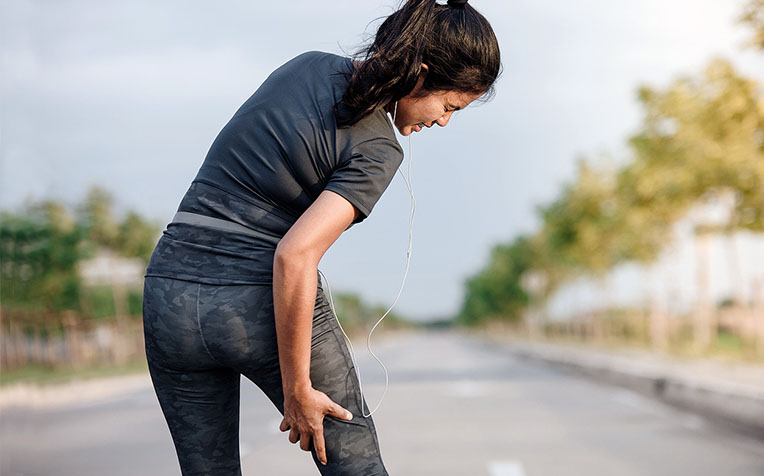
Image Source: www.healthxchange.sg
Grasping What Muscle Soreness Means
What is Delayed Onset Muscle Soreness (DOMS)? It is the pain and stiffness you feel in your muscles hours or days after you do exercise you are not used to. Or maybe you did a workout that was harder than usual. It is not the pain you feel right away while exercising. That is different. DOMS usually starts 12 to 24 hours after you finish exercising. The pain is often strongest 24 to 72 hours later. Then it starts to get better.
Why Muscles Get Sore After Exercise
Your muscles work hard when you exercise. Especially when you do things like lifting weights or running downhill. These kinds of movements cause tiny, tiny tears in your muscle fibers. This sounds bad, but it’s a normal part of making muscles stronger. Your body fixes these small tears. This fixing process makes your muscles stronger so they can handle that same exercise better next time.
The soreness you feel comes from your body’s reaction to these tiny tears. It causes a little bit of swelling and causes some chemicals to be released. This leads to the feeling of pain and stiffness you know as DOMS. It is a sign your muscles are fixing themselves and getting ready for the next challenge.
Is Soreness Needed for Muscle Growth?
Many people think that if you are not sore, your workout was not hard enough. This is not always true. Soreness does not always mean your muscles are growing. You can build strength and size without feeling very sore. As your body gets used to an exercise, you will likely feel less sore over time. This does not mean the exercise is not working anymore. It just means your muscles are better at doing it. So, while soreness can happen, it is not the only way to know if you had a good workout.
Helpful Muscle Recovery Techniques
Taking care of your muscles after exercise is just as important as the exercise itself. There are many muscle recovery techniques you can use. These methods help reduce pain and speed up how fast your muscles get better. This post-workout muscle care helps you feel ready for your next workout sooner. It also helps prevent you from getting hurt. Let’s look at some proven tips. These are great exercise recovery tips.
Moving Gently Helps
After a tough workout, it might seem strange to move more. But light activity can help a lot. This is called active recovery. Think about a slow walk or a very easy bike ride. Even gentle movements that use the sore muscles can help.
How does it help? Moving gently gets your blood flowing better. This increased blood flow helps carry away waste products that build up in your muscles during exercise. It also brings fresh oxygen and nutrients to help with repair. This can help reduce the feeling of stiffness and pain.
- Examples of active recovery:
- A slow, relaxed walk
- Easy cycling on a flat path
- Swimming at a slow pace
- Light jogging (if you usually run)
- Doing simple bodyweight exercises very gently, like squats without weight
Do this for 10-15 minutes after your main workout or on a rest day when you feel sore. Keep it easy. You should not feel like you are working out hard again.
Stretching Gently
Stretching can feel good on sore muscles. It can help improve flexibility and reduce tightness. But be gentle. Stretching too hard when your muscles are very sore can make things worse. Static stretching is best after exercise. This means holding a stretch for a set time, usually 20-30 seconds.
Focus on stretching the muscles you just worked. Do not bounce. Just hold the stretch smoothly. Stretching can help your muscles relax. It might also help improve blood flow to the area you are stretching.
- Tips for stretching sore muscles:
- Stretch after your body is warm (like after your workout or after light active recovery).
- Go slowly into the stretch.
- Hold the stretch for 20-30 seconds.
- Do not push into sharp pain. You should feel a gentle pull, not pain.
- Breathe slowly and deeply while stretching.
Getting Enough Water
Staying hydrated is always important. It is even more important when you are trying to help your muscles recover. Water plays a big role in many body processes. This includes how your muscles work and how they repair themselves. When you exercise, you lose water through sweat. Not having enough water can make muscle soreness worse. It can also slow down your recovery.
Drink water before, during, and after your workout. Keep sipping water throughout the day. Do not wait until you feel thirsty to drink. Thirst means you are already starting to get low on water.
How much water do you need? It changes based on how much you exercise, how hot it is, and your body size. A good rule is to drink enough so your urine is light yellow or clear. Dark yellow urine means you need to drink more water.
Simple DOMS Remedies
Many simple things you can do at home can act as DOMS remedies. These methods are often easy to do and do not cost much. They focus on easing pain and helping your body heal. They are part of good post-workout muscle care.
Using Cold and Heat
Changing between cold and heat is a common way to help sore muscles.
- Cold Therapy: Using cold, like an ice pack, can help reduce swelling and numb the pain. It is often best to use cold right after exercise or when soreness starts. Wrap the ice pack in a cloth. Put it on the sore area for 15-20 minutes. Do not put ice directly on your skin. Ice baths are another option, though they can be very cold. They might help reduce inflammation in your muscles.
- Heat Therapy: Using heat, like a warm bath or a heating pad, can help muscles relax. It can also increase blood flow to the area. This increased blood flow can help carry nutrients to the muscles to aid repair. Heat is often best used a day or two after exercise, once any swelling has gone down. Do not use heat right after a new injury or if there is swelling. A warm bath can be very soothing for widespread soreness.
Some people like to switch between cold and heat. This is called contrast therapy. You might spend a few minutes in cold water (like a cold shower) and then a few minutes in warm water. This rapid change is thought to help pump blood through the muscles. But research on how well this works is mixed.
The Power of a Warm Bath
A warm bath is a simple pleasure that also helps sore muscles. The heat helps your muscles relax. It increases blood flow. Lying in warm water can also just make you feel better.
Epsom Salt Bath for Muscle Recovery
Adding epsom salt to your warm bath is a popular natural remedy for sore muscles. Epsom salt is not actually salt like table salt. It is magnesium sulfate. The idea is that your body can take in magnesium through your skin while you soak. Magnesium is an important mineral for muscles. It helps them relax and work properly.
Research is not fully clear on how much magnesium is absorbed through the skin from a bath. But many people find an epsom salt bath for muscle recovery very soothing. Even if the magnesium does not get absorbed well, the warm water itself is helpful.
- How to take an epsom salt bath:
- Fill a bath with warm water (not too hot).
- Add about 1-2 cups of epsom salt to the running water.
- Swirl the water to help the salt dissolve.
- Soak in the bath for 15-30 minutes.
- Relax and let the warm water and salt work.
Foam Rolling
Foam rolling for soreness is a very popular muscle recovery technique. A foam roller is a firm cylinder you use to massage your muscles. You put the roller on the floor or a wall and use your body weight to roll over it.
Foam rolling is a type of self-massage. It can help release tight spots or “knots” in your muscles. It is thought to help break up sticky tissues that can form after exercise. This can improve blood flow and help muscles move more freely. Rolling can be a little painful at first, especially on very sore areas. But it should feel like a “good pain” or a deep massage, not a sharp or harming pain.
- How to use a foam roller:
- Place the roller under the muscle you want to work (like your quad, hamstring, calf, back, etc.).
- Slowly roll back and forth over the muscle.
- When you find a spot that feels extra tight or sore, stop rolling. Hold pressure on that spot for 20-30 seconds until the tightness starts to ease.
- Keep breathing deeply while rolling.
- Roll slowly and with control.
- Spend a few minutes on each muscle group.
Foam rolling before exercise might also help prepare muscles. Doing it after exercise or on rest days is great for helping with soreness and recovery.
Massage
Getting a massage from a trained therapist can also help sore muscles. Massage helps increase blood flow, reduces muscle tension, and can help you relax. A sports massage might focus on deeper muscle work. Even a gentle massage can help.
You can also do self-massage with your hands or tools like massage sticks or balls. This is similar to foam rolling but might let you target smaller areas.
What You Eat and Drink Matters
Your body needs the right building blocks to repair muscles. This is where nutrition for muscle repair comes in. Eating well after exercise can help reduce soreness and speed up recovery.
Protein is Key
Muscles are made of protein. After exercise, your muscles need protein to repair those tiny tears. Eating enough protein gives your body the materials it needs to fix and build stronger muscles.
Try to eat a meal or snack with protein soon after your workout. This is often called the “anabolic window,” though the timing is not as strict as once thought. Getting enough protein throughout the day is most important.
- Good sources of protein:
- Lean meats (chicken, turkey, beef)
- Fish
- Eggs
- Dairy products (milk, yogurt, cheese)
- Beans and lentils
- Tofu and tempeh
- Protein powder (whey, casein, plant-based)
Aim to get about 20-30 grams of protein in your post-workout meal or snack.
Carbs Give You Energy
Your muscles also use stored energy called glycogen during exercise. Eating carbohydrates after your workout helps your body refill these energy stores. This is important for having energy for your next workout. It also helps the protein get used for muscle repair.
Eat a mix of protein and carbohydrates after exercise. This helps with both muscle repair and energy refill.
- Good sources of carbohydrates:
- Fruits
- Vegetables
- Whole grains (oats, brown rice, whole wheat bread)
- Potatoes, sweet potatoes
- Quinoa
Anti-Inflammatory Foods
Some foods can help fight the body’s natural swelling response that happens after exercise. Eating foods that reduce inflammation might help lessen DOMS.
- Foods that fight inflammation:
- Berries (strawberries, blueberries, raspberries)
- Fatty fish (salmon, mackerel, sardines) – have omega-3 fats
- Nuts and seeds
- Leafy green vegetables (spinach, kale)
- Turmeric and ginger (spices)
Adding these foods to your regular diet can support overall recovery and health.
Getting Enough Rest
Rest is not lazy. It is a vital part of muscle recovery techniques. When you rest, especially when you sleep, your body does a lot of important repair work.
The Importance of Sleep
Sleep is when your body releases growth hormone. This hormone helps repair tissues, including muscles. Not getting enough sleep can slow down muscle repair and make soreness last longer. Aim for 7-9 hours of quality sleep each night. Good sleep helps your body rebuild and get stronger.
Giving Muscles Time Off
Rest days are important. Doing hard exercise every single day without a break can lead to overtraining. It can make soreness worse and increase the chance of getting hurt. Giving your muscles a full day or two off from hard work allows them time to fully repair. On rest days, you can do active recovery like walking. Or just take it easy.
Other Ways to Help
There are a few other things that can help with post-workout muscle care and DOMS remedies.
Over-the-Counter Pain Relief
Sometimes, soreness can be quite bothersome. Over-the-counter medicines like ibuprofen or naproxen (NSAIDs) can help reduce pain and swelling. Acetaminophen (like Tylenol) can help with pain but does not reduce swelling as much.
Use these medicines carefully and follow the directions on the package. They can help ease discomfort so you can move more easily. But they do not speed up the actual muscle repair process. Some studies even suggest NSAIDs might slow down muscle repair a little if used often. It is best to try other methods first.
Topical Creams and Gels
Creams, lotions, or gels you rub on your skin can also help. Many of these contain ingredients like menthol or camphor. These create a cooling or warming feeling that can distract from the pain. Others might contain ingredients meant to reduce swelling or pain. Rubbing the cream in also gives you a gentle massage of the area. These can offer temporary relief.
How to Reduce Muscle Soreness Fast
While you cannot make DOMS disappear instantly, combining several methods can help reduce muscle soreness fast. The best approach uses different muscle recovery techniques together.
Here is a plan to help how to reduce muscle soreness fast:
- Right After Workout: Do a cool-down with light movement and gentle static stretching. Drink water.
- In the Hours After: Have a meal or snack with protein and carbs. Drink plenty of water. Consider cold therapy on particularly sore areas (ice pack for 15-20 mins).
- Later That Day or Next Day: Take a warm bath or an epsom salt bath for muscle recovery. Use a heating pad on stiff areas. Do gentle foam rolling on the sore muscles. Do light active recovery (walk, easy bike).
- Throughout the Day: Keep drinking water. Eat balanced meals with protein, carbs, and anti-inflammatory foods. Get enough sleep at night.
Consistency is key. Doing these things regularly after hard workouts will help your body get better at recovering over time.
Natural Remedies for Sore Muscles
Many people prefer to use natural remedies for sore muscles. These often involve simple, everyday things. We have already talked about some:
- Warm baths: Simple heat and relaxation.
- Epsom salt baths: Adding magnesium sulfate.
- Gentle stretching: Helps muscles loosen.
- Light movement: Improves blood flow.
- Good nutrition: Eating whole foods that fight inflammation (like berries, fatty fish, turmeric).
- Hydration: Drinking enough water.
- Sleep: Allowing the body to repair.
Other natural approaches sometimes mentioned include:
- Cherry juice: Some studies suggest it might help reduce muscle soreness and aid recovery due to its anti-inflammatory properties.
- Ginger: Known for reducing inflammation. Can be used in cooking or as a tea.
- Turmeric: Contains curcumin, a strong anti-inflammatory compound. Often used with black pepper to help the body absorb it better.
While research on some of these is ongoing, they are generally safe to include in your diet. They are simple DOMS remedies you can try.
Comparing Recovery Methods
Different muscle recovery techniques work in different ways. Some focus on pain relief, others on speeding up the repair process, and some do both.
Here is a look at some common methods and what they mainly help with:
| Recovery Method | Main Benefit(s) | How It Works (Simple) | When to Use |
|---|---|---|---|
| Light Active Recovery | Reduces stiffness, improves blood flow | Gentle movement pumps blood through muscles. | After workout, on rest days. |
| Static Stretching | Improves flexibility, reduces tightness | Holds muscles in a lengthened position gently. | After workout, any time muscles feel tight. |
| Hydration | Helps body function, supports repair | Water is needed for muscle processes and waste removal. | Always, especially around workouts. |
| Nutrition (Protein/Carbs) | Muscle repair, energy refill | Gives building blocks (protein) & energy (carbs) to muscles. | After workout, balanced diet daily. |
| Sleep | Muscle repair, hormone release | Body does repair work while you sleep. | Get 7-9 hours nightly. |
| Cold Therapy (Ice) | Reduces swelling, numbs pain | Slows blood flow to reduce inflammation. | Right after exercise, when soreness starts. |
| Heat Therapy (Warm Bath) | Relaxes muscles, increases blood flow | Warmth helps muscles loosen and boosts circulation. | Day after exercise, when stiff and sore. |
| Epsom Salt Bath | Relaxes muscles, soothing | Warm water helps; possible magnesium absorption. | When feeling generally sore or tight. |
| Foam Rolling | Releases tight spots, improves blood flow | Presses on muscle tissue to release tension. | Before or after exercise, on rest days. |
| Massage | Reduces tension, improves blood flow | A therapist works on muscle tissue. | When feeling very tense or needing deep work. |
| Pain Medicine (NSAIDs) | Reduces pain and swelling (temp.) | Blocks signals that cause pain and swelling. | Use carefully for temporary relief if needed. |
Using a combination of these methods is often the most effective way to help your muscles recover and reduce muscle soreness fast. Listen to your body and see what works best for you.
Bringing Post-Workout Care Together
Thinking about post-workout muscle care as a whole picture helps. It is not just one thing you do. It is a mix of habits that support your body. Good recovery habits include:
- Planning rest days into your week.
- Making sure you get enough sleep.
- Eating nutritious foods regularly.
- Drinking enough water every day.
- Using tools like foam rollers or taking baths when needed.
- Doing gentle movement on rest days.
These simple steps are part of a smart training plan. They help you stay healthy, strong, and ready for your next physical challenge. They are essential exercise recovery tips.
When Soreness Might Be More Serious
DOMS is normal and usually goes away on its own within a few days. But sometimes, pain after exercise can mean something more serious.
See a doctor or physical therapist if:
- The pain is very sharp or sudden during exercise. DOMS comes on later.
- The pain is only in one very specific spot and feels intense.
- You cannot move a limb normally.
- There is major swelling, bruising, or redness.
- The pain lasts much longer than 3-5 days and does not get better.
- The pain feels different from normal muscle soreness you have had before.
These could be signs of a muscle strain, sprain, or other injury that needs expert care. DOMS is uncomfortable, but it should feel like a dull, widespread ache across the muscle, not sharp, localized pain.
Frequently Asked Questions
Here are answers to some common questions about sore muscles and recovery.
h4: How long does muscle soreness last?
Muscle soreness, or DOMS, usually starts 12-24 hours after exercise. It is often worst 24-72 hours later. It typically gets better on its own within 3 to 5 days.
h4: Can I work out with sore muscles?
Yes, you can often do light exercise when sore. Light activity like walking or easy cycling can actually help reduce soreness by improving blood flow (active recovery). Avoid doing another hard workout that targets the same very sore muscles until they feel better. You can train other muscle groups that are not sore.
h4: Does stretching help prevent soreness?
Research shows that stretching before exercise does not prevent DOMS. Gentle stretching after exercise or during recovery might help ease the feeling of stiffness, but it does not stop the soreness from happening.
h4: Is it okay to take pain medicine for DOMS?
Over-the-counter pain relievers like ibuprofen can help reduce the pain and swelling from DOMS. However, they do not speed up muscle repair. Some studies suggest heavy use might even slow down repair a little. It is best to use them only if the pain is stopping you from doing necessary things, and always follow the instructions on the package. Trying non-medicine methods first is often recommended.
h4: Do cold showers help with muscle soreness?
Cold exposure, like cold showers or ice baths, might help reduce inflammation. Some athletes use them to speed recovery. They can be uncomfortable, but some people find they help reduce the feeling of soreness.
h4: What is the best way to recover faster?
There is no single “best” way. The most effective approach often combines several strategies: proper cool-down, good nutrition (protein and carbs), staying hydrated, getting enough sleep, light active recovery, and maybe using things like foam rolling or warm baths. Find what works best for your body.
h4: Does foam rolling hurt?
Foam rolling can feel uncomfortable or slightly painful, especially on tight or sore spots. It should feel like a deep pressure or massage pain, not a sharp or injuring pain. If it is too painful, use less pressure or try a softer roller. Pain should ease as the muscle releases.
h4: Why am I not sore after a hard workout sometimes?
Feeling sore is not the only sign of a good workout. As your muscles get stronger and more used to an exercise, you will likely experience less DOMS. This does not mean the workout was not effective. It means your body adapted well.
Wrapping Up
Feeling sore after exercise is a normal signal that your muscles are working hard and getting stronger. While you cannot completely avoid DOMS if you push your limits, you can do a lot to soothe the discomfort and help your muscles recover.
By using proven muscle recovery techniques like active recovery, gentle stretching, staying hydrated, eating well for nutrition for muscle repair, getting enough sleep, and trying methods like foam rolling for soreness or an epsom salt bath for muscle recovery, you can significantly improve your post-workout muscle care. These simple DOMS remedies and exercise recovery tips help reduce muscle soreness fast and get you back to feeling your best. Listen to your body, find the recovery methods that work for you, and make them a regular part of your fitness routine. Your muscles will thank you!