Many people wonder how long they should wait after eating before they exercise. It’s a common question for anyone trying to balance fitness goals with daily life. The simple answer is, it depends. There’s no single rule that works for everyone or every situation. How long you should wait before exercising after eating depends on things like the size of your meal, what you ate, and the type of exercise you plan to do. While some people can work out soon after a light snack, others need a couple of hours after a full meal. Getting the timing right helps your body feel good during exercise and helps you get the most out of your workout.
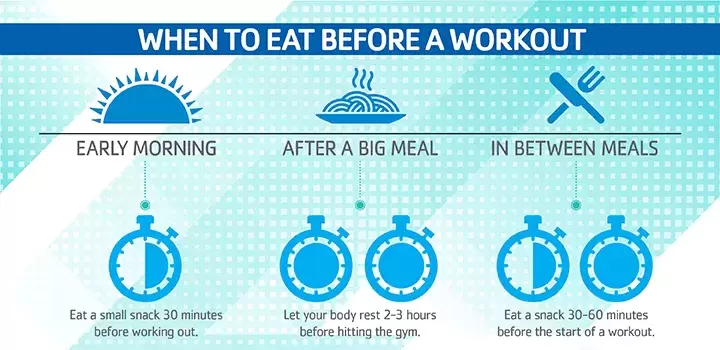
Image Source: www.ymcamidtn.org
Deciphering Why Timing Matters
Why can’t you just eat and immediately hit the gym or go for a run? Your body is a clever machine. When you eat, your body starts the process of digestion. Digestion needs energy and blood flow. Your stomach and intestines need lots of blood to break down food and soak up nutrients.
When you exercise, your muscles need blood flow. Your body sends blood away from your digestive system and towards your muscles. If you try to digest a meal and do hard exercise at the same time, your body has to choose. It tries to send blood to both places, but neither gets what it fully needs.
This conflict can cause problems. Your digestion slows down, leaving food sitting in your stomach. Your muscles might not get enough oxygen and fuel. This is why exercising too soon after eating can lead to discomfort and poor performance. Giving your body enough time lets digestion happen first, so your blood can then go help your muscles when you start moving.
Grasping the Role of Digestion
Digestion is a complex process. It starts the moment food enters your mouth. Chewing breaks food into smaller pieces. Saliva begins to break down some starches. Food then travels down to your stomach. In the stomach, strong acids and enzymes further break down the food into a liquid mix.
From the stomach, the food moves into the small intestine. This is where most nutrients are soaked up into your bloodstream. What’s left goes to the large intestine, where water is soaked up, and waste is prepared to leave the body.
The speed of this process depends on many things. Simple foods like carbohydrates break down faster. Complex foods with lots of fat and protein take much longer. A big meal takes more time than a small snack. Staying hydrated also plays a role in helping digestion move smoothly.
During digestion, your body is using energy. It’s working to turn food into fuel your cells can use. If you exercise while this is happening, you’re asking your body to do two big jobs at once: digest food and power your muscles. This is a main reason why timing your exercise after eating is important. It allows your body to finish one job (digestion) before starting the next big job (exercise).
Influences on How Long You Should Wait
Many things change the answer to “How long after eating can you exercise?” It’s not just about the clock. Your body is unique, and so is every meal and every workout.
Several factors play a big part:
- Size of the Meal: A large meal takes much longer to digest than a small one. Eating a big plate of pasta, chicken, and vegetables requires a significant amount of blood and energy for many hours. A small banana or a handful of nuts is processed much faster.
- What You Ate: The type of food matters greatly.
- Fats and Proteins: These take the longest to digest. Meals high in fat and protein stay in your stomach longer. If you eat a steak or a greasy burger, you’ll need a longer wait time.
- Carbohydrates: Simple carbs, like white bread or sugary foods, digest relatively quickly. Complex carbs, like whole grains, take a bit longer but are still faster than fats and proteins. Carbs are often a good choice for pre-exercise fuel if timed right.
- Fiber: Foods high in fiber can also slow down digestion slightly. While fiber is healthy, too much right before exercise might not feel good.
- Type of Exercise: The kind of physical activity you do makes a difference.
- High-Intensity Exercise: Hard activities like sprinting, high-intensity interval training (HIIT), or heavy weightlifting put a lot of stress on your body. They demand lots of blood flow to muscles and away from the digestive system. This requires a longer wait time after eating.
- Low-Intensity Exercise: Easier activities like walking, gentle cycling, or light yoga are much less demanding. Your body can often handle these sooner after eating.
- Your Body: Everyone is different. Some people have faster digestion than others. Some people are more sensitive to feeling food in their stomach while exercising. Your own comfort and past experiences are important guides.
- Hydration: Drinking enough water helps with digestion. But drinking a large amount of liquid right before exercise can also feel uncomfortable, especially if it’s not just plain water.
Considering these things helps you figure out the best timing for you and your situation. It’s not just following a general rule but adjusting based on your specific meal, workout, and how you feel.
Specific Timing Rules of Thumb
So, how long after eating can you exercise based on meal size? Here are some general guidelines, keeping in mind these are just starting points. You might need to adjust based on the factors discussed above and how you feel.
Large Meals: The Long Wait
When you eat a large, full meal, especially one with a good amount of protein, fat, and complex carbohydrates, your body needs serious time to process it. This meal takes hours to move from your stomach into your small intestine.
- How long after meal exercise? For a large meal, it’s generally best to wait 2 to 4 hours before doing any kind of moderate to intense exercise.
- Why the long wait? A big meal pulls a lot of blood and energy towards your digestive system for an extended period. Exercising too soon after can lead to significant discomfort. Think of Thanksgiving dinner – you don’t feel like running a marathon right after that! This waiting time allows the bulk of the food to leave your stomach.
Exercising after eating rules for large meals are mainly about allowing your body’s priority to shift from digestion to muscle work. Trying to exercise too soon after a big meal is a common cause of stomach upset during workouts.
Smaller Meals: A Shorter Pause
A smaller meal, like a moderate portion of chicken and rice or a decent-sized sandwich, doesn’t require as much digestive effort as a large meal.
- Digestion time before exercise after a smaller meal is typically less than after a large one. You usually need to wait 1 to 2 hours.
- What makes a smaller meal? Think of it as a regular portion size that leaves you feeling satisfied but not overly full. It provides a good amount of energy without overloading your system.
- Example: A bowl of oatmeal with fruit, a turkey sandwich on whole wheat bread, or a moderate portion of pasta with a light sauce.
This 1 to 2 hour window allows your stomach to empty a good amount of its contents into the small intestine, reducing the chance of feeling heavy or nauseous during exercise.
Snacks: Quick Fuel
Snacks are small amounts of food meant to bridge the gap between meals or provide a quick energy boost. They are usually easy to digest.
- How long wait exercise after snack? For most snacks, you only need to wait 30 to 60 minutes.
- Good snack examples: A banana, an apple, a handful of crackers, a small energy bar (low in fat/fiber), or some sports chews. These are often higher in simple or quick-digesting carbohydrates.
- Purpose of a snack before exercise: A snack right before a workout is mainly about topping off your immediate energy stores. It’s not meant for long-term fuel but for readily available glucose.
Choosing the right snack is key. Snacks high in fat, protein, or fiber will take longer to digest and might not be suitable for the shorter waiting time. The best snacks before exercise are usually simple carbohydrates that your body can quickly turn into energy.
Liquids: Fastest Option
Liquids, especially water or sports drinks, leave the stomach very quickly.
- Wait time after liquids: You generally don’t need to wait long after drinking water. For sports drinks or juice, maybe 15-30 minutes is enough, just to let it settle.
- Hydration is key: Staying hydrated before, during, and after exercise is very important. Drinking water close to your workout is usually fine and necessary.
- Be mindful of sugary drinks: While sports drinks can provide quick carbs, too much sugar right before or during exercise can sometimes cause stomach upset in some people.
Here is a simple table summarizing general timing guidelines:
| Meal Size | Example Food | Suggested Wait Time Before Exercise |
|---|---|---|
| Large Meal | Big dinner with protein, carbs, fats | 2 – 4 hours |
| Small Meal | Moderate portion of balanced meal, sandwich | 1 – 2 hours |
| Snack | Banana, handful of crackers, small energy bar | 30 – 60 minutes |
| Liquids | Water, sports drink (small amount) | 0 – 30 minutes |
Remember, these are starting points. Pay attention to how your body feels.
Exercise Type Changes Things
The kind of exercise you plan to do greatly affects how long you should wait after eating. Different activities place different demands on your body.
Cardio Exercise: Running After Eating
Cardio, or aerobic exercise, includes activities like running, cycling, swimming, and dancing. These activities get your heart rate up and keep it there for a sustained period.
- Eating before cardio: Is it okay? Yes, it can be good for energy. But timing is crucial.
- Running after eating: Running, especially fast or long-distance running, is a high-impact activity. Your body is bouncing, which can cause discomfort if your stomach is full. Running requires significant blood flow to your leg muscles and lungs.
- High-Intensity Cardio: Activities like sprinting or intense cycling require a lot of energy and blood flow. This means you need to wait longer after eating than you would for easier cardio. Waiting 2-4 hours after a meal or 1-2 hours after a small meal is important. Even after a snack, give it at least 30 minutes before intense cardio.
- Low-Intensity Cardio: A gentle walk or a slow bike ride is much easier on your system. Your digestive system isn’t as stressed, and less blood is diverted away from it. You can often do low-intensity cardio much sooner, perhaps 1-1.5 hours after a small meal or even 30-45 minutes after a snack. A short, easy walk after a meal can even help digestion for some people.
So, for ‘running after eating’, especially if it’s a serious run, wait until your food has significantly digested. For easier cardio, the wait is shorter.
Strength Training: How Long After Eating Lifting Weights?
Strength training, like lifting weights, is often less likely to cause digestive upset compared to high-impact cardio. You’re not bouncing around as much. However, heavy lifting still demands energy and can take blood flow away from digestion.
- How long after eating lifting weights? The timing for lifting weights is similar to cardio, but maybe slightly more flexible for some people.
- After a large meal: Still wait 2-4 hours.
- After a small meal: 1-2 hours is usually fine.
- After a snack: 30-60 minutes is often sufficient.
Some people find that having some food in their system, especially carbohydrates and protein, is beneficial for lifting heavy weights, providing both quick energy and building blocks for muscles. The key is to not feel heavy or bloated.
The intensity of your lifting matters too. A very heavy session with long rest periods might feel different than a fast-paced circuit training session. Listen to your body.
Low-Intensity Activities: gentler movement
Activities like yoga, Pilates, or leisurely walking are much easier on your digestive system.
- Wait time: You might only need to wait 30-60 minutes after a small meal or snack before doing these activities. Some people can even do very gentle movement sooner.
- Benefit: Light movement after eating, like a short walk, can actually help some people with digestion and blood sugar control.
The key takeaway here is that the more intense or high-impact the exercise, the longer you generally need to wait after eating.
Exercise on Empty Stomach vs After Eating
Should you eat before working out at all? This is a big question with no single right answer. It depends on your goals, the type of workout, and how your body feels. Let’s look at the pros and cons of ‘exercise on empty stomach vs after eating’.
Exercising on an Empty Stomach (Fasted Cardio/Training)
Pros:
- Convenience: It’s simple; you just wake up and go. No need to plan meals or wait times.
- May Burn More Fat (Acute Effect): When you exercise on an empty stomach, especially after not eating all night, your insulin levels are low. This can make it easier for your body to access stored fat for fuel during that specific workout.
- No Digestion Issues: You won’t experience cramps, bloating, or nausea from food in your stomach.
Cons:
- Lower Performance: For moderate to high-intensity exercise, having readily available carbohydrates from food can improve performance, allowing you to work out harder or longer. Exercising fasted might mean you run slower, lift less weight, or fatigue sooner.
- Muscle Breakdown: If your workout is long or intense, your body might start breaking down muscle for fuel, especially if protein intake has been low.
- Feeling Lightheaded or Weak: Some people feel dizzy, weak, or shaky when exercising without eating first.
- Not Always Sustainable: It can be hard to maintain high intensity over time with fasted training.
Exercising After Eating (Fed Training)
Pros:
- Improved Performance: Fueling up beforehand provides energy (glycogen from carbs) that your muscles can use for higher intensity and longer duration workouts. You can often push harder and get more out of your session.
- Reduced Muscle Breakdown: Having protein available can help reduce muscle breakdown during intense exercise.
- Better Energy Levels: You’re less likely to feel lightheaded or overly fatigued during the workout.
- Nutrient Timing Benefits: Eating carbs and protein around your workout can help with recovery and muscle building afterwards.
Cons:
- Digestion Issues: As discussed, eating too much, the wrong type of food, or not waiting long enough can lead to discomfort (cramps, nausea, etc.).
- Requires Planning: You have to think about what and when to eat, and time your workout accordingly.
Which is better?
For most people doing regular exercise for general health and fitness, exercising after eating (with proper timing and food choices) is usually recommended, especially for higher intensity or longer duration workouts. It provides the fuel needed for a good performance.
Fasted exercise might be suitable for low-intensity steady-state cardio (like a gentle walk) if you prefer it and it feels comfortable. Some people also use fasted training for specific goals, but it’s not necessary for fat loss and can sometimes hinder performance or lead to muscle loss if not done carefully.
Ultimately, the ‘exercise on empty stomach vs after eating’ choice comes down to personal preference, tolerance, workout type, and specific goals. Experiment and see what works and feels best for your body and your activity level.
Recognizing Symptoms of Exercising Too Soon
Ignoring the recommended wait times and exercising too soon after eating can lead to unpleasant physical symptoms. Your body sends you signals that it’s not ready. Knowing these ‘exercising too soon after eating symptoms’ can help you avoid them.
Common symptoms include:
- Nausea: Feeling sick to your stomach. This happens because blood is being pulled away from your digestive system, leaving food undigested in your stomach. The movement of exercise can make this feeling worse.
- Stomach Cramps: Pain or spasms in your abdomen. This is also related to indigestion and the physical stress exercise puts on your body while it’s trying to digest.
- Bloating: Feeling full and uncomfortable in your stomach area. This can happen if food is sitting in your stomach or if gas is produced during slowed digestion.
- Acid Reflux/Heartburn: A burning feeling in your chest or throat. Exercise can push stomach acid up into your esophagus, especially if your stomach is full.
- Sluggishness or Fatigue: Paradoxically, even though you just ate, you might feel low on energy during exercise. This could be because your body’s energy is tied up in digestion, or because discomfort is making it hard to perform.
- Side Stitch: A sharp pain in your side, often under the ribs. While the exact cause isn’t always clear, it’s often linked to breathing patterns and irritation of the diaphragm. Exercising with a full stomach can sometimes make you more prone to side stitches, especially during running or other bouncy activities.
- Need to Use the Bathroom: Exercising too soon can sometimes speed up the gut and lead to an urgent need for a bowel movement.
If you regularly experience these issues during or after exercise, the timing or content of your last meal is a likely culprit. Pay attention to when you ate, what you ate, and how long you waited before starting your activity. Adjusting your ‘exercising after eating rules’ based on these symptoms is key to comfortable and effective workouts.
Best Practices for Timing Your Meals and Workouts
To get the most out of your workouts and avoid discomfort, follow these ‘exercising after eating rules’ and find the ‘best time to eat before workout’.
Listen to Your Body
This is the most important rule. The general guidelines (2-4 hours for meals, 1-2 hours for smaller meals, 30-60 minutes for snacks) are just starting points. Your body is unique. Pay attention to how different foods and different waiting times make you feel during exercise. Do you feel light, energetic, and comfortable? Or do you feel heavy, nauseous, or cramped? Your personal experience is the best guide.
Experiment
Try different timing strategies. Maybe you find you can exercise 90 minutes after a small meal instead of 2 hours. Or perhaps you need a full hour after a snack. Try exercising after different types of snacks or small meals. Keep a simple log for a while if needed, noting what you ate, when, when you exercised, and how you felt.
Focus on What You Eat Beforehand
The type of food is as important as the timing.
- Before a workout: Focus on carbohydrates for energy. Simple carbs (like fruit or white bread) closer to the workout (30-60 mins before). Complex carbs (like whole grains) further away (1-2+ hours before).
- Protein: Include some protein, but not in very large amounts right before exercise, as it digests slower. Protein is crucial for muscle repair and growth, so ensure you get enough throughout the day, especially after your workout.
- Fats and Fiber: Keep fat and high-fiber foods relatively low in the meal or snack right before exercise. They slow digestion and can cause stomach upset during activity. Save your high-fat and high-fiber foods for meals earlier in the day or after your workout.
Plan Your Meals Around Your Workouts
If you know you have a hard workout planned, eat your main meal well in advance (2-4 hours). If that’s not possible, plan for a smaller meal or just a quick snack 1-2 hours or 30-60 minutes before you start. Thinking ahead helps you fuel properly without causing digestion issues. This is part of finding the ‘best time to eat before workout’.
Stay Hydrated
Drink water throughout the day. Being well-hydrated helps digestion work smoothly and is crucial for exercise performance. Don’t chug a huge amount of water right before exercise, as that can also cause sloshing and discomfort. Sip water in the hours leading up to your workout.
Timing for Different Goals
- Performance: If your goal is to perform your best (run faster, lift heavier), having readily available energy from carbohydrates is usually beneficial. Eating a properly timed meal or snack before your workout is often recommended.
- Fat Loss: While some people do fasted cardio for fat loss, the effect is often small and can come at the cost of lower performance or muscle loss. Total calorie balance over the day is the biggest factor in fat loss. You can effectively lose fat whether you exercise fasted or fed, as long as you manage your overall diet. Prioritizing performance by fueling your workouts can lead to burning more calories during the session anyway.
- Muscle Gain: Eating adequate protein and carbohydrates around your workouts (both before and after, timed appropriately) is important for providing the building blocks and energy needed for muscle repair and growth.
Following these ‘exercising after eating rules’ helps create a good routine. Finding the ‘best time to eat before workout’ is a personal journey of experimenting and listening to your body’s signals.
Sample Pre-Workout Fuel Options
Here are some ideas for what to eat before exercise, based on the suggested timing:
2-4 Hours Before (A Meal)
This would be a balanced meal containing:
- Complex Carbohydrates: Whole grain pasta, brown rice, quinoa, potatoes, sweet potatoes, whole grain bread. These provide lasting energy.
- Lean Protein: Chicken breast, turkey, fish, tofu, beans, lentils. Important for muscle building, but keep portion sizes reasonable right before a workout.
- Vegetables: A good source of nutrients.
Example: Chicken breast with brown rice and steamed broccoli.
1-2 Hours Before (A Smaller Meal or Substantial Snack)
Focus on easily digestible complex or simple carbohydrates and a little protein.
- Oatmeal with fruit and a sprinkle of nuts (not too many).
- Yogurt (Greek yogurt for more protein) with berries.
- Turkey or chicken slices on whole grain bread (half a sandwich).
- Rice cakes with a thin layer of nut butter.
30-60 Minutes Before (A Snack)
Focus on quick, simple carbohydrates. Keep fat, fiber, and protein low.
- Banana
- Apple or other fruit
- Small handful of crackers or pretzels
- Energy chews or a small sports bar (check ingredients for low fat/fiber)
- A few dates
- Small amount of juice (be cautious of sugar rush/crash)
Right Before (0-15 Minutes)
Mostly liquids.
- Water
- Sips of a sports drink (if doing intense or long exercise, otherwise water is usually fine)
Remember to also fuel after your workout, ideally within an hour or two, with a mix of protein and carbohydrates to help recovery and muscle repair.
Here’s a simple table of examples:
| Timing Before Exercise | Food Ideas | Focus |
|---|---|---|
| 2-4 hours | Chicken, brown rice, veggies; Pasta with lean sauce | Balanced meal |
| 1-2 hours | Oatmeal with fruit; Yogurt with berries; Half sandwich | Easier-digesting carbs + some protein |
| 30-60 minutes | Banana; Apple; Small crackers; Energy chews | Quick carbohydrates |
| 0-15 minutes | Water; Small sips of sports drink | Hydration |
Choosing the right food and timing is a key part of fueling your body effectively for exercise.
Frequently Asked Questions
Many questions come up about eating and exercise timing. Here are answers to some common ones.
h5> How long after meal exercise?
Generally, wait 2-4 hours after a large meal before exercising.
h5> How long wait exercise after snack?
Wait 30-60 minutes after eating a small snack before exercising.
h5> Is running after eating bad?
Running too soon after eating a significant amount can cause discomfort like cramps and nausea. Waiting the appropriate time based on meal size and type makes it okay.
h5> How long after eating lifting weights should I wait?
Wait 1-2 hours after a small meal or 30-60 minutes after a snack before lifting weights. After a large meal, 2-4 hours is still recommended.
h5> What is exercise on empty stomach vs after eating?
Exercising on an empty stomach means working out without eating beforehand, usually first thing in the morning. Exercising after eating means consuming food before your workout, giving your body fuel. Each has potential pros and cons depending on your goals and tolerance.
h5> What is the typical digestion time before exercise?
Typical digestion time before exercise varies greatly depending on the size and type of food, ranging from 30-60 minutes for a snack up to 4 hours or more for a large meal.
h5> Is eating before cardio necessary?
Eating before cardio is not always necessary, especially for short, low-intensity sessions. However, for longer or more intense cardio, eating easily digestible carbohydrates beforehand can improve performance and energy levels.
h5> What is the best time to eat before workout?
The best time to eat before a workout is typically 1-2 hours after a small meal or 30-60 minutes after a snack, focusing on carbohydrates for energy, allowing enough time for initial digestion.
h5> What are exercising too soon after eating symptoms?
Symptoms of exercising too soon after eating include nausea, stomach cramps, bloating, acid reflux, sluggishness, side stitches, and an urgent need to use the bathroom.
Conclusion
Finding the right time to exercise after eating is a balance between fueling your body and allowing digestion to happen smoothly. There’s no one-size-fits-all answer. General rules suggest waiting 2-4 hours after a large meal, 1-2 hours after a smaller meal, and 30-60 minutes after a snack. However, these are just guides.
The type of food you eat matters – fats and proteins take longer to digest than carbohydrates. The type of exercise matters too – high-intensity or high-impact activity usually requires a longer wait than low-intensity movement.
Most importantly, listen to your body. Pay attention to how you feel during your workouts based on when and what you ate. Experiment with different timing and food choices to find what works best for you, helps you feel comfortable, and supports your exercise goals. By following these best practices and paying attention to your body’s signals, you can time your meals and workouts for optimal comfort and performance.