Yes, exercise can make your blood pressure go up for a little while during the activity itself. This is a normal and expected part of how your body works out. But here’s the important part: regular exercise is one of the very best ways to lower your blood pressure over time. Many people wonder if their blood pressure goes up during exercise, and it does, but it’s the long-term exercise effect on blood pressure that brings big health benefits.
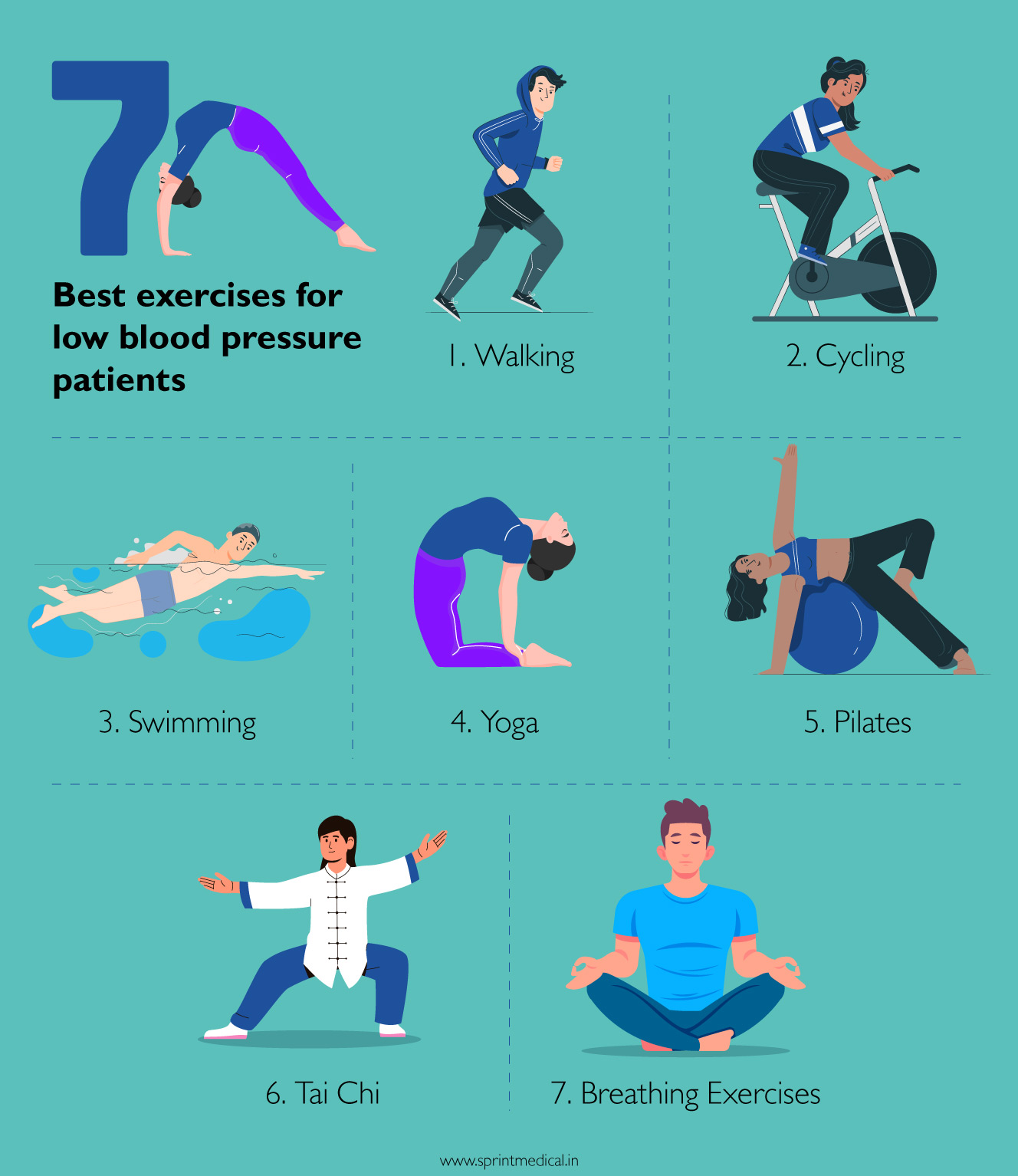
Image Source: images.ctfassets.net
Grasping How Your Body Works During Exercise
When you start moving, your body needs more oxygen and energy. Your heart and blood vessels work harder to deliver these things to your muscles. Think of it like turning up the volume on your body’s systems.
The Immediate Changes
During a workout, your heart pumps faster and stronger. This sends more blood out with each beat. Your arteries, which are like pipes carrying blood, also get wider to let more blood flow through.
This mix of a stronger heart pump and wider pipes causes specific blood pressure response to exercise. Your blood pressure is the force of blood pushing against your artery walls. It’s measured with two numbers:
- Systolic pressure: This is the top number. It measures the pressure when your heart beats.
- Diastolic pressure: This is the bottom number. It measures the pressure when your heart rests between beats.
Interpreting Blood Pressure Changes During Exercise
Let’s look at how those numbers change during a workout. The acute exercise blood pressure changes are mostly about the top number.
Systolic Pressure Goes Up
When you exercise, your systolic blood pressure during exercise naturally goes up. Your heart is pumping much harder to push blood to your muscles. This increased pumping force means more pressure on the artery walls while the heart is squeezing. This rise is normal and expected. The higher the effort, usually the higher the systolic number goes, within a healthy range.
Diastolic Pressure Stays Stable or Drops Slightly
The diastolic blood pressure during exercise, the bottom number, behaves differently. It usually stays about the same or might even go down a little bit. This is because the blood vessels in your working muscles get wider. Wider pipes mean less resistance to blood flow when your heart is resting. So, even though the top number goes up, the bottom number doesn’t follow it significantly and can even decrease.
Why This Temporary Rise Happens
This temporary blood pressure increase during activity is your body adjusting. It’s making sure your muscles get the blood and oxygen they need to perform the work you’re asking them to do. It’s a sign that your circulatory system is responding as it should to the increased demand.
Heart Rate and Blood Pressure Connect
Your heart rate during exercise is closely linked to your blood pressure changes. As your heart rate goes up, your heart pumps more blood each minute. This increased blood flow contributes to the rise in systolic blood pressure. Both heart rate and systolic blood pressure climb as your exercise intensity increases. This connection is a key part of the blood pressure response to exercise.
Deciphering the Long-Term Benefit
While blood pressure goes up during exercise, the real magic happens over time with regular workouts. The exercise effect on blood pressure in the long run is overwhelmingly positive.
Consistent physical activity makes your heart stronger. A stronger heart can pump more blood with less effort. Think of it like upgrading your car’s engine so it uses less gas to go the same speed.
Also, regular exercise helps your arteries become more flexible and wider. This reduces the resistance to blood flow throughout your body, not just in your muscles during exercise.
This combination of a stronger heart and more flexible arteries leads to lower blood pressure when you are resting. This is especially helpful for people dealing with high blood pressure and exercise is often a key part of managing it.
How Different Exercise Types Affect Pressure
Not all exercises affect your blood pressure in exactly the same way, but all have the potential for long-term benefits.
Aerobic Exercise (Cardio)
This includes things like walking, running, swimming, and cycling. Aerobic exercise is great for your heart and blood vessels.
- During: You’ll see the typical rise in systolic pressure and stable/slightly dropping diastolic pressure.
- Long-term: This type of exercise is fantastic for lowering resting blood pressure. It improves heart strength and artery flexibility.
Strength Training (Resistance)
This involves lifting weights or using your body weight.
- During: Blood pressure can go quite high during a specific lift, especially if you hold your breath. Both systolic and diastolic pressure can increase noticeably for a moment.
- Long-term: Regular strength training also contributes to lower resting blood pressure, though maybe not as much as aerobic exercise alone. It builds muscle mass, which improves overall health, and can help keep arteries healthy. It’s best combined with cardio.
It’s important not to hold your breath during strength training. Breathe out as you lift the weight and breathe in as you lower it. This helps manage the pressure surge.
What Happens After You Stop? Post-Exercise Effects
The changes don’t stop the moment you finish exercising. There’s an important phase called blood pressure recovery after exercise.
The Drop Below Normal: Post-Exercise Hypotension
Right after you finish working out and cool down, your blood pressure often drops below your normal resting level. This effect is called post-exercise hypotension.
- Why it happens: Your blood vessels are still a bit wider than usual, and your body has adjusted to the higher blood flow demands.
- How long it lasts: This lower pressure can last for several hours after your workout.
- Benefit: This temporary drop is part of why regular exercise is so effective at lowering overall blood pressure. Your body gets “practice” at having lower pressure.
For people with high blood pressure and exercise this effect is particularly beneficial. It shows the positive exercise effect on blood pressure starting right after the activity stops.
It’s important to cool down properly after exercise. Stopping too suddenly can sometimes cause dizziness because of this pressure drop. A gradual cooldown helps your body adjust safely.
High Blood Pressure and Exercise: What to Know
If you have high blood pressure (hypertension), exercise is usually highly recommended by doctors. However, there are extra things to keep in mind.
Talk to Your Doctor First
Before starting any new exercise program, especially if you have high blood pressure and exercise is new to you, talk to your doctor. They can help you choose safe activities and intensity levels. They can also check if any of your medications affect your blood pressure response to exercise.
Start Slow
Don’t try to do too much too soon. Begin with light to moderate activities. Gradually increase how long and how hard you work out.
Focus on Consistency
Doing moderate exercise most days of the week is better than doing one very hard workout occasionally. Regularity helps build the positive exercise effect on blood pressure.
Monitor Your Body
Pay attention to how you feel.
- Monitor for symptoms: Stop exercising if you feel dizzy, lightheaded, chest pain, or have trouble breathing.
- Consider monitoring pressure: In some cases, your doctor might recommend checking your blood pressure before and after exercise, especially when you are just starting or trying new things. Measuring
blood pressure recovery after exercisecan be useful information.
Safe Types of Exercise
Most types of moderate exercise are good.
- Walking: A great way to start. Easy on the joints.
- Cycling: Indoors or outdoors.
- Swimming: Easy on the joints, good for the whole body.
- Water aerobics: Good resistance without joint stress.
- Dancing: Fun and active.
- Strength training: Important, but lift lighter weights with more repetitions at first. Avoid holding your breath.
Avoid exercises that involve sudden, very intense bursts of effort or heavy lifting while holding your breath, especially if your pressure is not well controlled. These can cause a very sharp and potentially risky temporary blood pressure increase.
Measuring Blood Pressure Around Exercise
While you usually measure blood pressure when resting, sometimes you might check it around exercise.
- Before exercise: Checking before ensures your pressure is within a safe range to start exercising.
- During exercise: This is typically done in a controlled setting, like a stress test in a doctor’s office, using special equipment. It helps doctors see your
blood pressure response to exerciseat different intensity levels. You won’t usually do this yourself during a regular workout. - After exercise: Checking
blood pressure recovery after exerciseshows how quickly your pressure returns to normal or drops into the post-exercise hypotension phase. It can be checked a few minutes after cooling down.
Keep in mind that blood pressure measured immediately during or right after a very hard effort will be higher than your resting pressure. Don’t be alarmed by the temporary blood pressure increase you see during the activity itself. The goal is to see a good blood pressure recovery after exercise and, over time, a lower resting pressure.
Creating Your Exercise Plan
Building a regular exercise habit is key for managing blood pressure. Here are some ideas.
Start Simply
Begin with just 15-20 minutes of walking a few times a week.
Build Up Gradually
Slowly increase how long you exercise and how often you do it. Aim for at least 150 minutes of moderate aerobic activity or 75 minutes of vigorous activity per week, or a mix of both.
Add Strength Training
Include muscle-strengthening activities at least two days a week.
Find Activities You Enjoy
You are more likely to stick with exercise if it’s fun. Try different things until you find something you like.
Be Consistent
Try to make exercise a regular part of your week. Consistency is vital for the positive exercise effect on blood pressure.
Listen to Your Body
Some days you might feel more energetic than others. Adjust your workout as needed. Rest is important too.
Fathoming the Science: Why Exercise Lowers Pressure Long Term
The long-term exercise effect on blood pressure comes from several improvements in your body.
Improved Blood Vessel Function
Regular exercise helps the lining of your blood vessels (called the endothelium) work better. A healthy endothelium helps your arteries widen and narrow smoothly when needed, which helps regulate blood flow and pressure. It makes your arteries more flexible and less stiff over time.
Reduced Stiffness of Arteries
Aging and high blood pressure can make arteries stiff. Exercise helps keep arteries more flexible. Flexible arteries handle blood flow and pressure changes better than stiff ones. This reduces the overall resistance in your circulatory system, leading to lower resting pressure.
Weight Management
Exercise helps you burn calories and can help you maintain a healthy weight or lose extra pounds. Losing even a small amount of weight can have a big positive impact on blood pressure.
Stress Reduction
Exercise is a great stress reliever. Stress can contribute to high blood pressure. By helping you relax and cope with stress, exercise indirectly helps lower pressure.
Hormonal Changes
Exercise can affect hormones in your body that help regulate blood pressure and fluid balance.
All these factors work together to create the powerful exercise effect on blood pressure seen with regular activity. Even though there’s a temporary blood pressure increase during the workout, the rest of the time, your body is operating more efficiently, leading to lower average pressure.
Signs to Watch Out For During Exercise
While a temporary blood pressure increase and raised heart rate during exercise are normal, some signs mean you should stop and rest, and maybe talk to your doctor.
- Chest pain or pressure
- Pain in your arm, neck, or jaw
- Severe dizziness or lightheadedness
- Feeling like you might pass out
- Shortness of breath that feels worse than just being out of shape
- An irregular heartbeat
- Leg pain or cramping that doesn’t go away when you stop
These symptoms could be a sign that your body isn’t handling the exercise well or might indicate an underlying health issue. It’s always best to be safe.
Blood Pressure Recovery: The Important Cool Down
Allowing for blood pressure recovery after exercise is crucial. Don’t just stop exercising suddenly, especially after a hard workout.
- How to cool down: Spend 5-10 minutes doing lighter activity. If you were running, walk. If you were cycling fast, pedal slowly.
- Why it helps: A gradual cool down helps your
heart rate during exerciseand blood pressure return towards resting levels more smoothly. It helps prevent dizziness frompost-exercise hypotension. - Stretching: The cool-down is also a good time to do some light stretching.
Proper blood pressure recovery after exercise is part of a healthy response to activity and contributes to the overall positive exercise effect on blood pressure.
Table: Blood Pressure Response Summary
Here is a simple look at how blood pressure typically acts at different times related to exercise:
| When is pressure measured? | Systolic Pressure (Top Number) | Diastolic Pressure (Bottom Number) |
|---|---|---|
| At Rest (Normally) | Normal range (e.g., below 120 mmHg) | Normal range (e.g., below 80 mmHg) |
| During Exercise | Goes up significantly (normal) | Stays same or drops slightly (normal) |
| Right After Exercise | Starts to drop back down | Starts to rise back to resting levels |
| Few Hours After Exercise | Can drop below normal (post-exercise hypotension) | Can drop below normal (post-exercise hypotension) |
| Long Term (with regular exercise) | Resting pressure typically goes down | Resting pressure typically goes down |
This table highlights the different blood pressure response to exercise at various stages. The temporary blood pressure increase during the activity is followed by beneficial changes afterwards and long term.
The Bottom Line
Yes, your blood pressure goes up while you are exercising. This temporary blood pressure increase and the acute exercise blood pressure changes you see are normal signs that your body is responding to the work. Your systolic blood pressure during exercise will rise, and your diastolic blood pressure during exercise will likely stay steady or drop a bit. Your heart rate during exercise also increases.
But the big picture is that regular physical activity has a powerful positive exercise effect on blood pressure. Over time, it makes your heart stronger, your arteries more flexible, and helps lower your resting blood pressure. The post-exercise hypotension phase and good blood pressure recovery after exercise show the immediate positive impact after each workout.
For people with high blood pressure and exercise is a key tool for management. Start safely, be consistent, and listen to your body. Always talk to your doctor before starting an exercise program, especially if you have health conditions.
Exercise is a cornerstone of a healthy lifestyle and a vital part of keeping your blood pressure in a healthy range over the long term.
Frequently Asked Questions
Does weightlifting increase blood pressure permanently?
No, weightlifting causes a temporary blood pressure increase during the lift itself. When done safely with proper breathing, regular strength training actually helps lower your resting blood pressure over time, contributing to the positive exercise effect on blood pressure.
How high can blood pressure go during exercise?
This varies greatly depending on the person, the type of exercise, and the intensity. Systolic blood pressure during exercise can rise significantly, sometimes to 160 mmHg or even higher in healthy individuals during vigorous activity. Diastolic pressure should not rise significantly. If your blood pressure goes extremely high, or if you have symptoms, stop and talk to a doctor.
Is it bad if my blood pressure goes up during exercise?
A normal temporary blood pressure increase during exercise is not bad; it’s a sign of a healthy blood pressure response to exercise. It’s how your body gets more blood to your working muscles. The problem would be an extreme or symptomatic rise, or if you have underlying health issues.
Can exercise lower blood pressure too much after a workout?
Sometimes post-exercise hypotension can cause blood pressure to drop below normal resting levels for a few hours. For most people, this is harmless and part of the benefit. However, if you feel dizzy or lightheaded after exercise, it might be a sign the drop is too much for you, and you should sit or lie down and talk to your doctor about it. Proper blood pressure recovery after exercise is important.
What is a good heart rate during exercise for lowering blood pressure?
Aim for a moderate intensity level where your heart rate during exercise is between 50% and 70% of your maximum heart rate (roughly 220 minus your age). This level provides good cardiovascular benefits and helps achieve the positive exercise effect on blood pressure over time.
Can I exercise if I have very high blood pressure?
It depends on how high your blood pressure is. Your doctor might want to get your pressure under control with medication first before you start exercising. Once it’s safer, exercise is highly recommended for managing high blood pressure and exercise together is a powerful strategy. Always get clearance from your doctor.