Yes, men absolutely can do Kegel exercises, and they offer significant health benefits often associated only with women. These exercises strengthen the male pelvic floor muscles, a group of muscles located in your pelvis. Just like other muscles in your body, these can get weak over time, leading to several issues. Learning how men do Kegel exercises and making them a regular part of your routine can greatly improve bladder control, support prostate health Kegels, enhance sexual function, and address urinary incontinence men Kegels.
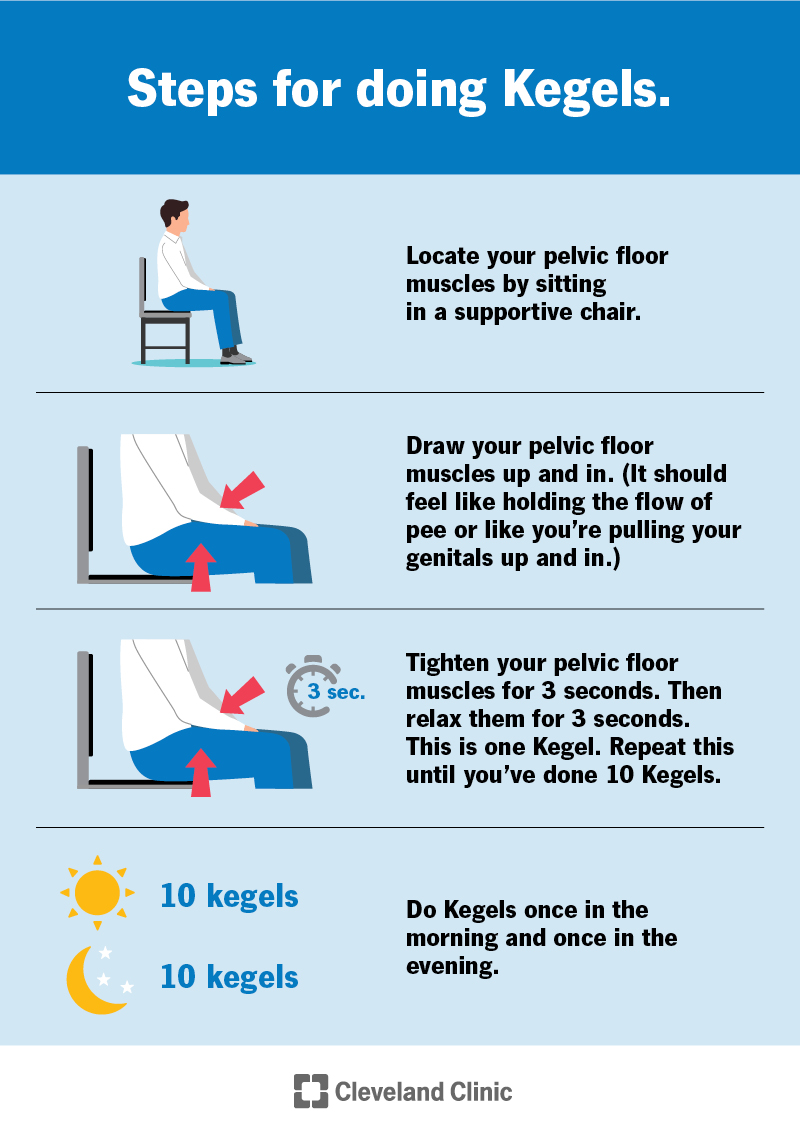
Image Source: my.clevelandclinic.org
Composing the Male Pelvic Floor
Let’s look at your male pelvic floor muscles. These muscles are like a strong hammock. They stretch from your tailbone at the back to your pubic bone at the front. They also connect to your hip bones on the sides. Think of this muscle group as the base of your core.
What do these muscles do? A lot!
- They support your bladder.
- They support your bowels.
- They support your rectum.
- They help control when you pee.
- They help control when you pass gas.
- They play a role in sexual function.
These muscles are hidden. You cannot see them easily. But you can feel them working. They are vital for many everyday body functions. Keeping them strong is important for men of all ages.
Why Strong Pelvic Floor Muscles Matter for Men
A strong pelvic floor is key to good health for men. These muscles do more than just support organs. They are active in many processes.
Good control over your bladder relies heavily on these muscles. They squeeze to hold urine in. They relax to let urine out.
They also help with bowel control. They help prevent leaking stool or gas.
For men’s sexual health, these muscles are also important. They help with erection hardness. They help with ejaculation control.
Think of your pelvic floor as part of your core strength. It works with your abdominal and back muscles. A strong pelvic floor supports your whole body.
Identifying Signs of a Weak Male Pelvic Floor
How can you tell if your pelvic floor muscles are weak? There are several symptoms of weak male pelvic floor. Paying attention to these signs is the first step.
Here are common signs:
- Leaking urine. This happens when you cough. It can happen when you sneeze. It can happen when you laugh. It can happen when you lift something heavy. This is often called stress incontinence.
- Urge to pee often. You might feel a sudden, strong urge to go to the bathroom. This is called urge incontinence.
- Leaking urine after you finish peeing. This is called post-void dribbling. It happens when you walk away from the toilet.
- Difficulty controlling gas. You might pass gas when you do not mean to.
- Difficulty controlling bowel movements. This is less common but can happen with very weak muscles.
- Erectile problems. Getting or keeping an erection might be hard.
- Problems with ejaculation. This could include premature ejaculation Kegels might help with.
- Pain in the pelvic area. Sometimes weak or tight pelvic muscles can cause pain.
If you notice any of these issues, your pelvic floor might need attention. Male pelvic floor exercises like Kegels can often help improve these symptoms. It is always a good idea to talk to a doctor about new symptoms. They can help figure out the cause.
Grasping What Kegel Exercises Are
So, what exactly are Kegel exercises? They are targeted exercises. You work on squeezing and releasing your pelvic floor muscles. Dr. Arnold Kegel first described them for women. But they work just as well for men.
Kegels are simple to do. They do not require special equipment. You can do them almost anywhere. You can do them sitting. You can do them standing. You can do them lying down.
The main idea is to find the right muscles. Then you squeeze them. You hold the squeeze. Then you relax. Doing this many times in a set helps make the muscles stronger. It is like lifting weights for these inner muscles.
Kegel Benefits for Men: The Advantages
Doing Kegel exercises regularly offers many Kegel benefits for men. These benefits cover different areas of health. They impact daily comfort. They impact sexual health. They support overall well-being.
Here are the main benefits:
Helping with Leaking Pee
One big reason men do Kegels is to stop urine leaks. Urinary incontinence men Kegels are a common treatment. This is very true after prostate surgery. Prostatectomy can sometimes weaken the muscles that control urine flow. Kegels help rebuild this control.
How do they help? They make the muscles around the bladder neck stronger. These muscles help clamp down and hold urine inside. By practicing squeezing, you gain better conscious control. This can mean fewer leaks when you cough, sneeze, or exercise. It can also reduce the sudden urge to run to the bathroom.
Kegels help train your body. You learn to squeeze the muscles when you feel the urge. This helps you hold on until you get to a toilet.
Supporting Prostate Health
Kegels can also play a role in prostate health Kegels. While Kegels do not directly affect the prostate gland itself, they support the muscles around it. The pelvic floor muscles surround the prostate. They surround the urethra, which runs through the prostate.
Having strong muscles in this area can improve blood flow. Good blood flow is good for overall pelvic health. Some men with prostate problems, like prostatitis (inflammation), find relief from symptoms with pelvic floor exercises. They can help relax tight muscles that might cause pain. They can also improve urine flow after urination by helping to clear the urethra.
Kegels are not a cure for prostate cancer or enlarged prostate (BPH). But they are a useful tool. They help manage some symptoms linked to these conditions or their treatments. Always talk to your doctor about prostate issues.
Improving Erections
Can Kegels help with erections? Yes, they can. Strong pelvic floor muscles are important for erections. Erectile dysfunction and Kegels are linked. These muscles help maintain an erection. They press on the veins that take blood away from the penis. This helps trap blood in the penis. Trapping blood makes the erection harder and last longer.
Weak pelvic floor muscles might not do this job well. This can make erections softer. They might not last as long. Regular Kegels can strengthen these muscles. This can improve blood flow control. It can lead to firmer erections for some men.
Kegels are often part of treatment plans for erectile dysfunction. Especially when the cause is muscle weakness.
Managing Premature Ejaculation
Another sexual health benefit is help with controlling ejaculation. Premature ejaculation Kegels can be effective. The pelvic floor muscles are involved in ejaculation. Learning to control these muscles can help men control when they ejaculate.
The technique often involves squeezing the pelvic floor muscles just before ejaculation feels close. This squeeze can help reduce the sensation. It can help delay the reflex. With practice, this can help men last longer during sex.
Kegels are a simple, drug-free way to work on this common issue. Combined with other techniques, they can be very helpful.
Building Overall Pelvic Strength
Beyond specific issues, Kegels build general pelvic strength. This offers several broad benefits.
- Improved core stability: The pelvic floor is the base of your core. Strengthening it supports your spine and abdomen.
- Better posture: A strong core, including the pelvic floor, helps you sit and stand taller.
- Reduced back pain: Weak core muscles can contribute to back pain. Strengthening the pelvic floor can help.
- Support for organs: Strong muscles provide better support for your bladder, bowels, and other pelvic organs. This is important as you age.
So, Kegels are not just for problems. They are for maintaining good health and preventing future issues.
Learning How Men Do Kegel Exercises
Now, let’s get practical. How men do Kegel exercises involves a few steps. The most important step is finding the correct muscles.
Finding Your Male Pelvic Floor Muscles
This is key. You need to feel the right muscles working. Do not squeeze your stomach. Do not squeeze your bottom. Do not squeeze your thighs.
Here are a few ways to find them:
- Stopping Mid-Stream: The easiest way for many men. Next time you pee, try to stop the flow mid-stream. The muscles you use to do this are your pelvic floor muscles. Squeeze and hold. Then relax. You should feel a lift or squeeze in that area. Do not do this often as a practice method. Just do it once or twice to identify the muscles. Doing it regularly while peeing can actually be bad for your bladder.
- Tightening to Stop Gas: Imagine you are trying to stop yourself from passing gas. Squeeze those muscles around your anus. You should feel a tightening and lifting sensation. These are part of your pelvic floor muscles.
- Feeling a Lift: Sit or lie down comfortably. Relax your body. Now, try to lift your scrotum (sac holding the testicles) slightly. Do not use your stomach muscles. The muscles you use for this lift are your pelvic floor muscles.
Once you can feel these muscles engage, you are ready to start exercising them. It might feel like a small movement at first. That is okay. Focus on feeling the squeeze and lift deep inside your pelvis.
Proper Kegel Technique for Men
Doing Kegels correctly is important. It ensures you work the right muscles effectively. Here is the step-by-step technique:
- Get Comfortable: Choose a position. You can sit, stand, or lie down. Lying down might be easiest when starting. This is because you do not have to work against gravity.
- Empty Your Bladder: It is best to do Kegels with an empty or mostly empty bladder.
- Find the Muscles: Engage the pelvic floor muscles using one of the methods above.
- Squeeze and Lift: Squeeze the muscles you found. Imagine you are pulling them up and in. Do not hold your breath. Keep the rest of your body relaxed. Your stomach, bottom, and thighs should not tense up.
- Hold: Hold the squeeze for a few seconds. Start with 2 or 3 seconds.
- Release: Slowly release the muscles. Let them completely relax. This relaxation step is just as important as the squeeze.
- Rest: Rest for the same amount of time you held the squeeze (e.g., 2-3 seconds rest after a 2-3 second hold). This lets the muscles recover before the next squeeze.
- Repeat: Do this squeeze-hold-release-rest cycle multiple times.
Common Mistakes to Avoid
Many men make small mistakes when starting. Avoiding these makes your Kegels more effective:
- Holding Your Breath: Remember to breathe normally throughout the exercise.
- Using Wrong Muscles: Do not squeeze your stomach, buttocks, or inner thighs. Focus only on the pelvic floor area. If these other muscles tense up, you are probably not doing it right.
- Pushing Down: You should feel a lifting or squeezing up and in, not a pushing down motion.
- Doing Too Many Too Soon: Start slowly. Do not try to do hundreds of reps on the first day. Your muscles will get tired.
- Not Relaxing: Full relaxation between squeezes is important. It helps the muscles recover and work better on the next squeeze.
- Doing It While Peeing: As mentioned, only do this once to find the muscles. Regular stopping and starting urine flow can interfere with normal bladder emptying over time.
If you are unsure if you are doing them correctly, you can put a clean finger just in front of the anus. You should feel a lift and squeeze there when you do the exercise.
A Kegel Exercise Guide for Men
Starting a regular routine is key. Here is a basic Kegel exercise guide for men:
Starting Out (Week 1-2):
- Finding the Muscles: Practice finding the muscles several times a day without doing full sets. Just squeeze, feel it, release.
- Basic Holds: Once you can find the muscles, try squeezing and holding for 2-3 seconds. Relax for 2-3 seconds.
- Reps and Sets: Do 5-10 squeezes in one go. This is one set.
- Frequency: Do 3 sets each day. Spread them out (morning, noon, evening).
Building Strength (Week 3-6):
- Increase Hold Time: Gradually increase how long you hold the squeeze. Add one second every few days. Aim for a 5-second hold.
- Increase Reps: Once you can hold for 5 seconds easily, try doing 10-15 squeezes per set.
- Frequency: Keep doing 3 sets per day.
- Add Pulses: Introduce some quick, short squeezes. Squeeze hard and fast, then release immediately. Do 10-20 quick pulses after your longer holds.
Getting Stronger (Week 7 onwards):
- Increase Hold Time: Work towards holding the squeeze for 8-10 seconds. Relax for 8-10 seconds between holds.
- Increase Reps: Aim for 10-15 long holds per set.
- Frequency: Continue 3 sets per day.
- Combine Long Holds and Pulses: Do a set of long holds. Then do a set of quick pulses. This works different muscle fibers.
Sample Daily Routine Table:
| Time of Day | Type of Kegel | Hold Time | Reps | Sets |
|---|---|---|---|---|
| Morning | Long Squeezes | 5-10 secs | 10-15 | 1 |
| Quick Pulses | Fast | 10-20 | 1 | |
| Midday | Long Squeezes | 5-10 secs | 10-15 | 1 |
| Quick Pulses | Fast | 10-20 | 1 | |
| Evening | Long Squeezes | 5-10 secs | 10-15 | 1 |
| Quick Pulses | Fast | 10-20 | 1 |
Remember to breathe and relax between each squeeze and between sets. Consistency is much more important than doing a huge number of Kegels all at once. A few sets done right every day are better than one long session a week.
Fitting Kegels into Your Day
One great thing about Kegels is you can do them almost anywhere. They are invisible. No one knows you are doing them. This makes it easy to fit them into your daily life.
Here are some ideas for when to do Kegels:
- While watching TV.
- While sitting at your desk working.
- While stuck in traffic.
- While waiting in a line.
- While lying in bed before sleeping or after waking up.
- While reading.
Choose times that work for you. Make it a habit. Link it to things you already do. For example, “Every time I sit down at my computer, I will do one set of Kegels.” Or, “Every time a commercial comes on TV, I will do a set.”
Using different positions can also help. Doing Kegels while standing is harder than lying down. It works the muscles against gravity more. Try doing sets in various positions as you get stronger.
When to Seek Help
For most men, Kegels are safe and easy to do. But sometimes, you might face challenges.
- Cannot find the muscles: Some men have trouble identifying the correct muscles.
- Pain: You might feel pain in the pelvic area when doing Kegels. This could mean you are doing them wrong or have overly tight muscles.
- No improvement: If you do Kegels regularly for a few months and see no change in your symptoms, something else might be going on.
If you have any of these issues, talk to your doctor. They can check for other causes of your symptoms. They might also suggest seeing a specialist.
A pelvic floor physical therapist is a specialist. They help people with pelvic floor issues. They can assess your muscles. They can teach you the right technique. They can create a personal exercise plan for you. For men who have trouble with Kegels or have complex pelvic pain, seeing a physical therapist can be very helpful.
Seeing Results and Staying Consistent
How long does it take to see results from Kegels? It varies for each person. It depends on your starting point and how consistent you are.
Some men notice small improvements in a few weeks. For others, it might take a few months. Be patient. Do not get discouraged if you do not see big changes right away.
Consistency is the most important factor. Doing your sets every single day will give you the best chance of success. Missing days here and there is okay. But try not to let it become a habit. Think of it like brushing your teeth. It is something you do daily for your health.
Keep track of your progress. Note down how many reps you do or how long you hold the squeeze. This can help you see how you are improving over time.
Once your symptoms improve, keep doing Kegels. They are not a quick fix. They are a form of exercise. You need to keep doing them to maintain the strength you gained. Many men find doing 1-3 sets a day is enough to keep their pelvic floor strong.
Connecting Kegels to Overall Health
Pelvic floor health is part of your overall health. Kegels fit into a healthy lifestyle. Eating well, staying active, and maintaining a healthy weight also support your pelvic floor.
Being overweight puts more pressure on your pelvic floor muscles. Quitting smoking can improve blood flow everywhere, including the pelvic area. Eating fiber helps prevent constipation, which can strain the pelvic floor.
Consider Kegels as one tool in your health toolbox. They work best when combined with other healthy habits.
For men dealing with urinary issues, sexual problems, or pelvic pain, addressing the pelvic floor is a vital step. It is often overlooked. But it can make a big difference.
Kegels are simple, free, and can be done anytime, anywhere. They offer a way for men to take an active role in improving their pelvic health and quality of life.
Frequently Asked Questions About Male Kegels
You might have more questions about Kegel exercises for men. Here are answers to some common ones:
H5 How often should men do Kegels?
Most experts recommend doing Kegel exercises daily. Aim for 3 sets per day. Each set should have 10-15 repetitions.
H5 How long does each Kegel exercise take?
Once you have the technique down, each set of 10-15 reps with 5-10 second holds and rests takes only a few minutes. Doing 3 sets a day should take less than 10 minutes total.
H5 How long until I see results from Kegels?
It varies. Some men notice small changes in a few weeks. Significant improvements often take 2 to 4 months of consistent daily practice. Be patient and keep going.
H5 Can Kegels help with ejaculation control?
Yes. Learning to control the pelvic floor muscles through Kegels can help men manage the ejaculatory reflex. This can help delay ejaculation for men dealing with premature ejaculation.
H5 Are there risks to doing Kegel exercises?
Generally, no, if done correctly. The main risk is doing them wrong. This means using other muscles or holding your breath. This can lead to muscle fatigue or pain. If you feel pain or are unsure about your technique, stop and talk to a doctor or physical therapist.
H5 Can Kegels help men after prostate surgery?
Yes, very much. Kegels are often highly recommended for men recovering from prostatectomy. They help strengthen the muscles needed for bladder control, which can be affected by the surgery. Starting Kegels before surgery can also help speed recovery.
H5 Do Kegels make the penis bigger?
No. Kegel exercises strengthen muscles involved in erection support and control. They do not increase penis size.
H5 Can Kegels help with prostate enlargement (BPH)?
Kegels do not shrink an enlarged prostate. But they can help improve control over the bladder outlet. This can potentially reduce some symptoms like post-void dribbling (leaking pee right after finishing). They are not a primary treatment for BPH but can be a helpful addition for managing certain symptoms.
H5 What if I cannot feel my pelvic floor muscles?
It can take practice. Try the different methods for finding the muscles (stopping pee flow, stopping gas, lifting scrotum). If you still cannot feel them after several tries, or you think you are using the wrong muscles, consider seeing a pelvic floor physical therapist. They are experts at helping people find and work these muscles.
H5 Do I need special equipment for Kegels?
No. You can do Kegels anytime, anywhere, with no equipment.
Learning and doing Kegel exercises is a valuable step for men’s health. They offer real benefits for common issues like incontinence and sexual function. By making them a regular part of your routine, you can improve your quality of life.