Yes, for most pregnant people, exercising is not only safe but also highly recommended by doctors and health experts. Staying active while pregnant can bring many good things for you and your baby. Of course, it is always best to talk with your doctor or midwife before you start any new exercise plan when you are pregnant. They know your health history and can tell you what is right for you.
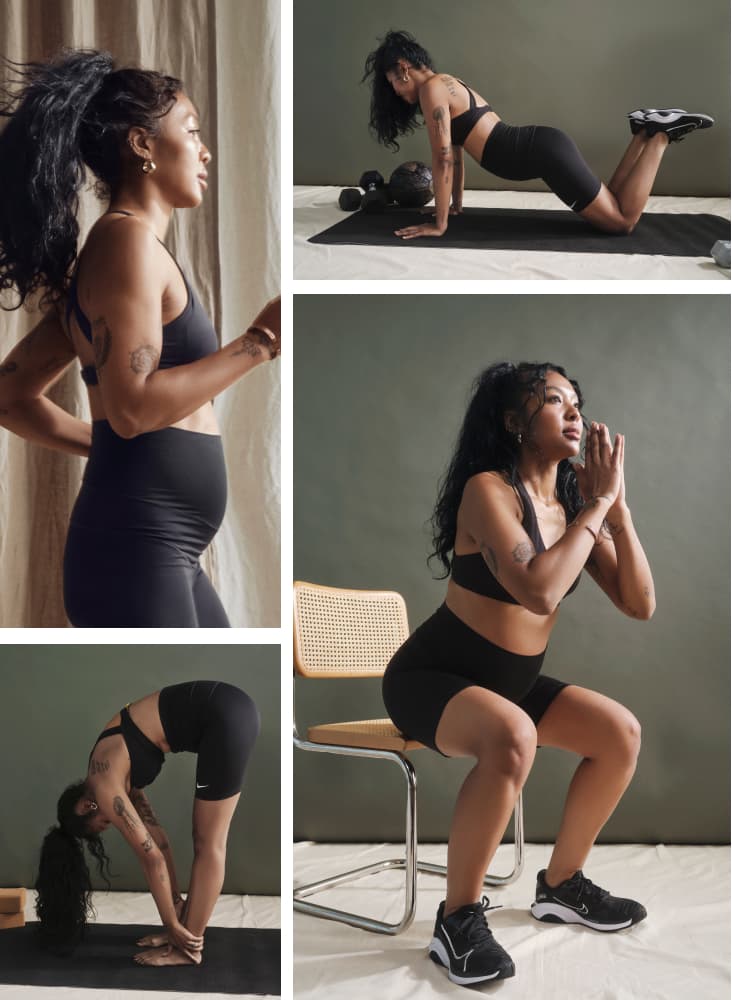
Image Source: static.nike.com
Why Moving Your Body Helps When You Are Pregnant
Staying active when you are expecting a baby is a smart choice for many moms-to-be. There are many benefits of exercising while pregnant. It helps your body and mind in big ways. Think of it as getting ready for the big job ahead – having a baby and taking care of one.
Better Physical Health
Exercise helps keep your body strong. This is important because your body changes a lot during pregnancy.
- Less Back Pain: Carrying extra weight can make your back hurt. Gentle exercises make your back muscles stronger. This can ease that common pain.
- Less Swelling: Moving helps your blood flow better. This can cut down on swelling in your legs and feet.
- Healthy Weight Gain: Exercise helps you gain a healthy amount of weight during pregnancy. Not too much, not too little.
- Stronger Muscles: Strong muscles help you carry the baby’s weight as it grows. They also help during labor and delivery.
- Good for Your Heart: Exercise makes your heart and lungs stronger. This helps you deal with the extra work of pregnancy.
Feeling Better Mentally
Pregnancy can bring many feelings. Exercise can lift your spirits.
- Less Stress: Moving your body can help you feel less worried or stressed.
- Better Mood: Exercise releases chemicals in your brain that make you feel happier.
- Sleep Better: Being active during the day can help you sleep more soundly at night. Sleep can be hard to find late in pregnancy.
Getting Ready for Labor
Yes, exercise can even help with having the baby.
- More Stamina: Labor takes a lot of energy. Being fit can give you the strength you need.
- Easier Labor? Some studies suggest that active moms might have shorter or less difficult labors.
- Faster Recovery: Getting back to feeling like yourself after the baby comes might be quicker if you were active before.
These are just some of the many good things that come from moving your body while you are pregnant. Safe pregnancy exercises are a gift you give yourself and your baby.
Simple Rules for Moving When Pregnant
When you plan to exercise while pregnant, it’s good to follow some basic rules. These pregnancy exercise guidelines help keep you and your baby safe. Your doctor can give you more personal advice. But here are some common tips experts share.
Talk to Your Doctor First
This is the most important step. Before you start any new exercise or keep doing what you did before, talk to your healthcare provider. They know your health history. They know about your pregnancy. They can tell you if exercise is safe for you.
Aim for Regular Activity
Try to be active most days of the week. Experts often suggest about 150 minutes of moderate-intensity aerobic activity each week.
- What is Moderate Intensity? This means you are moving enough that your heart is beating faster. You are breathing harder. But you can still talk without losing your breath. You shouldn’t be so out of breath that you can’t say a full sentence.
- Break it Up: You don’t have to do 30 minutes all at once. You can do 10 minutes here and 10 minutes there. It all adds up.
Stay Cool
When you exercise, your body temperature goes up. It’s important not to get too hot when you are pregnant.
- Avoid Hot Places: Don’t exercise in very hot, wet places.
- Dress in Layers: Wear clothes that you can take off easily.
- Drink Water: Drink plenty of water before, during, and after your workout. This helps keep your body cool.
Drink Lots of Water
This is super important. You need more water when you are pregnant. You need even more when you exercise.
- Why Water Helps: Water helps keep your body working right. It helps prevent you from getting too hot. It helps prevent cramps.
- How Much? Drink water before you feel thirsty. Carry a water bottle with you. Sip often.
Listen to Your Body
Your body is doing amazing work growing a baby. Pay attention to how you feel.
- Don’t Push Too Hard: You are not training for a race. The goal is to stay healthy, not to be an athlete.
- Rest When You Need It: If you feel tired, stop and rest.
- Pain is a Sign: If something hurts, stop doing it. Pain is your body telling you something is wrong.
Keep Moving Slowly
When you start exercising, do it slowly. If you exercised before pregnancy, you might need to do less now. If you are new to exercise, start very slow.
- Start Small: Maybe just 5-10 minutes a day at first. Add a few minutes each week.
- Warm Up: Spend 5-10 minutes getting your muscles ready before you start. Gentle stretching or walking works well.
- Cool Down: Spend 5-10 minutes slowing down after your workout. Gentle stretching is good here too.
Protect Your Belly
As your belly grows, you need to be careful.
- Avoid Hits: Don’t do exercises where you could get hit in the belly.
- Balance Changes: Your center of gravity changes. You might feel less steady. Choose exercises where falling is not likely.
- Lying on Your Back: After your first few months, don’t lie flat on your back for a long time. The weight of your belly can press on a major blood vessel. This can make you feel dizzy or sick. It can also mean less blood flow to the baby. If an exercise requires lying flat, change it or skip it.
Following these simple rules helps make sure your prenatal workout routines are safe and helpful for you and your baby.
Good Ways to Move Your Body While Pregnant
What exercises are safe during pregnancy? Many activities are safe and healthy. The best ones get your heart rate up without putting too much stress on your body or making falling likely. They should also be activities you enjoy!
Walking
Walking is one of the best things you can do. It’s easy on your joints. You can do it almost anywhere.
- Start Slow: Begin with short walks if you are new to it.
- Increase Time: Slowly walk for longer as you feel able.
- Add Hills? If you walked hills before, you can keep doing that if it feels okay.
- Benefits: Good for your heart, helps manage weight, boosts mood.
Swimming and Water Aerobics
Being in water feels great when you are pregnant. The water holds you up. This takes pressure off your joints and back.
- Less Strain: Water makes you feel lighter. It’s easy on your hips and knees.
- Stay Cool: The water helps keep you from getting too hot.
- Types of Strokes: Most swimming strokes are safe.
- Water Classes: Many gyms offer prenatal water aerobics classes. These are led by people who know how to help pregnant women exercise safely.
- Benefits: Great cardio, gentle on the body, helps with swelling.
Stationary Cycling
Riding a bike that doesn’t move is a safe way to get your heart rate up.
- No Falling Risk: Since the bike is still, you don’t have to worry about falling. This is helpful as your belly grows and balance changes.
- Good Cardio: You can get a good workout for your heart and legs.
- Control Your Pace: You control how fast and hard you pedal.
- Benefits: Good for your heart, strengthens legs.
Low-Impact Aerobics
These are fitness classes or videos where you keep one foot on the ground most of the time. This is different from high-impact aerobics like jumping jacks or running.
- Examples: Step aerobics (low step), some dance classes, simple cardio routines.
- Find Prenatal Classes: Look for classes made for pregnant women. The moves will be safe for you.
- Instructor Help: A good instructor can show you how to change moves if you need to.
- Benefits: Works your heart and lungs, fun way to stay active.
Strength Training
Making your muscles strong is very helpful. Use light weights or resistance bands. Or use your own body weight.
- Work Major Muscles: Focus on muscles in your arms, legs, back, and core.
- Light Weights: Don’t try to lift too much weight. Use weight you can lift 12-15 times easily.
- Good Form: Use the right way to do the exercise. This prevents injury.
- Avoid Lying Flat: After the first few months, change exercises done flat on your back. For example, do chest presses on a bench that is slightly raised.
- Benefits: Stronger body for carrying baby, helps prevent back pain, prepares for labor.
Yoga and Pilates (Prenatal Versions)
These can help you become more flexible and strong. They also focus on breathing and relaxation.
- Find Prenatal Classes: Look for yoga or Pilates classes made just for pregnant women.
- Safe Poses: Instructors in these classes know which moves are safe and how to change poses for your growing belly.
- Breathing: These classes often teach breathing methods that can help during labor.
- Benefits: Better flexibility, stronger core, relaxation, helpful for labor.
Other Safe Ideas
- Dancing: Just turn on some music and move! Avoid jumps or fast spins.
- Gardening: Gentle weeding or planting can be a light workout. Don’t lift heavy bags of soil. Be careful bending.
These are examples of safe pregnancy exercises. Remember to start slow and listen to your body. These activities are great prenatal workout routines.
Exercises to Step Away From When Pregnant
While many activities are safe and good, there are some exercises to avoid when pregnant. These could harm you or the baby.
- Sports Where You Might Fall: Skiing (downhill), snowboarding, horseback riding, gymnastics. As your belly grows, your balance is different. Falling is more likely.
- Sports Where You Might Get Hit: Soccer, basketball, hockey, boxing. A hit to your belly could be dangerous.
- Scuba Diving: This is not safe during pregnancy. Changes in pressure underwater are not good for the baby.
- Activities at High Altitudes: If you live near sea level, don’t suddenly exercise at very high places. Your body and the baby need time to get used to less oxygen. Talk to your doctor if you plan to travel to a high place.
- Exercises Done While Lying Flat on Your Back: After the first trimester (about 12-13 weeks), avoid exercises like flat crunches or bench presses done while lying flat. The weight of your uterus can press on a major vein. This can limit blood flow.
- Deep Bends or Movements That Put Strain on Joints: Pregnancy hormones make your joints looser. This is to help with labor. But it also means you can injure yourself more easily. Don’t stretch too far. Avoid bouncing while stretching.
- Holding Your Breath: Never hold your breath while exercising. Make sure you are breathing freely.
- Getting Too Hot: Avoid hot yoga, hot tubs, saunas, or exercising in very hot weather. Getting too hot can be bad for the baby, especially early in pregnancy.
This list of exercises to avoid when pregnant helps you choose activities that are best for this special time. Stick to the safe pregnancy exercises mentioned earlier.
Moving Through Each Stage of Pregnancy
How you exercise might change as your pregnancy moves along. What feels good in the first few months might be too hard later on. Let’s look at exercising first trimester safe, exercising second trimester safe, and exercising third trimester safe.
First Trimester (Weeks 1-12)
This is often a time of big changes, even if your belly doesn’t show much yet. You might feel very tired or have morning sickness.
- Listen to Fatigue: If you feel very tired, rest is okay. Don’t feel bad about not exercising as much as you planned.
- Deal with Nausea: If morning sickness makes you feel bad, try exercising at a time of day when you feel better. Sometimes a short walk can help nausea.
- Keep Your Routine (If You Can): If you exercised before pregnancy, you can likely keep doing most of what you did. But maybe do it less intensely. Don’t try to start a hard new workout plan now.
- Hydration is Key: Drink even more water if you are dealing with morning sickness.
- Focus on Starting: If you are new to exercise, the first trimester is a good time to start small. Gentle walks are perfect.
Exercising first trimester safe means listening closely to your body’s early signals. Don’t push through extreme tiredness or nausea.
Second Trimester (Weeks 13-28)
Many people feel better in the second trimester. Morning sickness might go away. Your energy might return. Your belly starts to grow.
- Energy Boost: You might feel ready to do more now. This is a great time to be active.
- Belly Growth: As your belly gets bigger, your balance will change. Be careful with activities where you could fall.
- Avoid Lying Flat: Remember the rule about not lying flat on your back after the first trimester. Change exercises as needed.
- Round Ligament Pain: You might feel sharp pains on the sides of your belly. This is normal as things stretch. If exercise causes this, slow down or change the movement.
- Listen to Your Body (Still!): Even if you feel great, don’t overdo it. You should still be able to talk while exercising.
Exercising second trimester safe often feels easier than the first. But you must start adapting your movements for your growing baby bump and changing balance.
Third Trimester (Weeks 29-40)
The third trimester can bring new challenges. You are much bigger. You might feel more tired again. You might have new aches and pains.
- Less Stamina: You might not be able to do as much as you did in the second trimester. That’s okay.
- Focus on Comfort: Choose exercises that feel good and are comfortable with a large belly. Swimming or water walking is often very comfortable now. Gentle walking is good.
- Pelvic Pain: Some people feel pain in their pelvis. If this happens, certain exercises might make it worse (like walking too fast or lunges). Find movements that don’t cause pain.
- Shorten Workouts: You might need to exercise for shorter times or take more breaks.
- Prepare for Labor: Focus on staying flexible and strong. Pelvic floor exercises are good now. Prenatal yoga can be helpful for staying calm and focusing on breathing.
- Be Ready to Stop: Know the signs that mean you should stop exercising (listed below).
Exercising third trimester safe is about finding gentle ways to stay active and comfortable. The goal is just to keep moving, not to have intense workouts.
No matter the trimester, remember the basic pregnancy exercise guidelines: drink water, stay cool, and listen to your body.
Signs Your Body Says ‘Stop’
It’s very important to pay attention to your body when you exercise while pregnant. Sometimes your body gives you signs that you need to stop right away and maybe call your doctor. These are serious signs to stop exercising pregnant.
- Vaginal Bleeding: Any amount of bleeding is a sign to stop and get medical help.
- Feeling Dizzy or Faint: If you feel lightheaded or like you might pass out, stop. Lie down if you can.
- Shortness of Breath Before Exercising: If you can’t catch your breath even before you start moving, something is wrong.
- Chest Pain: Pain in your chest is a sign to stop and get medical help right away.
- Headache: A bad headache can be a sign of something serious. Stop exercising.
- Muscle Weakness: If your muscles suddenly feel very weak, stop.
- Calf Pain or Swelling: Pain or swelling in your calf could be a sign of a blood clot. Stop exercising and call your doctor.
- Swelling or Pain Anywhere: New or bad swelling or pain could be a problem.
- Regular, Painful Contractions: If you start having contractions that are regular and hurt, especially before 37 weeks, stop and call your doctor.
- Leaking Fluid from the Vagina: This could mean your water has broken. Stop exercising and call your doctor.
These signs are your body’s way of telling you to stop and get help. Don’t ignore them. Always talk to your healthcare provider about any concerns you have while exercising during pregnancy.
Planning Your Prenatal Workout Routines
Putting together safe prenatal workout routines doesn’t have to be hard. Think about what you enjoy and what fits your life.
- Mix It Up: Try different types of activities. Walk one day, swim another, do some gentle strength work. This works different muscles and keeps it interesting.
- Schedule It: Put exercise on your calendar like any other appointment. This helps you stick to it.
- Find a Buddy: Exercise with a friend or partner. It can make it more fun and keep you motivated.
- Use Apps or Videos: There are many good pregnancy exercise apps and videos available. Make sure they are from trusted sources.
- Listen to Music or Podcasts: This can make the time go by faster.
- Be Flexible: Some days you might feel great, some days you might not. It’s okay to change your plan. A short walk is better than no walk.
Remember, the goal is to stay active safely. What exercises are safe during pregnancy depends a lot on you and your body. Start slow, be consistent, and adjust as your pregnancy changes.
Wrapping It Up
Exercising while pregnant is a wonderful way to take care of yourself and get ready for your baby. Experts agree that safe pregnancy exercises offer many benefits. From feeling better physically and mentally to preparing your body for labor.
Key things to remember from these pregnancy exercise guidelines:
- Talk to your doctor first! Always get their okay.
- Aim for about 150 minutes of moderate exercise each week.
- Stay cool and drink plenty of water.
- Listen closely to your body and don’t push too hard.
- Know which exercises to avoid when pregnant (like contact sports or lying flat late in pregnancy).
- Pay attention to the signs to stop exercising pregnant (like bleeding or pain).
Whether you choose walking, swimming, prenatal yoga, or other safe options, finding prenatal workout routines that work for you is possible. Exercising first trimester safe might mean dealing with tiredness. Exercising second trimester safe might feel easier. Exercising third trimester safe is about staying comfortable and gentle.
By staying active and following these guidelines, you can have a healthier, happier pregnancy and feel more ready for motherhood. You’ve got this!
Frequently Asked Questions About Exercise and Pregnancy
Here are some common questions people ask about staying active when expecting.
Q1: Is it safe to start exercising if I didn’t exercise before pregnancy?
A: Yes, in most cases, it is safe to start exercising during pregnancy, even if you didn’t before. But you must start very slowly and gently. Talk to your doctor first. A simple activity like walking for 10-15 minutes a few times a week is a great way to start.
Q2: How can I tell if I’m working out too hard?
A: A simple test is the “talk test.” You should be able to talk normally, maybe a little out of breath, but still able to say full sentences while exercising. If you are too out of breath to talk, you are likely working too hard. Also, watch for any pain, dizziness, or the other warning signs mentioned earlier.
Q3: Can exercise cause a miscarriage?
A: For most healthy pregnant people, moderate exercise does not increase the risk of miscarriage. Miscarriages in the first trimester are often due to other factors. However, always talk to your doctor about any concerns, especially if you have a history of miscarriage or other health conditions.
Q4: Can I lift weights while pregnant?
A: Yes, strength training is safe and helpful. Use lighter weights and focus on doing the moves correctly. Avoid lifting very heavy weights that strain your body. Don’t hold your breath. And remember to change exercises that require lying flat on your back after the first trimester.
Q5: How much weight should I use for strength training?
A: Use a weight that you can lift comfortably for about 12-15 times. You should feel your muscles working, but you shouldn’t feel like you are struggling hard to finish the last few times.
Q6: My doctor told me not to exercise. Why?
A: Some pregnant people have health conditions or pregnancy problems that make exercise unsafe. These can include certain heart or lung problems, problems with the cervix, bleeding, or if you are carrying more than one baby and are at risk of early labor. Your doctor knows your specific health situation and will tell you if exercise is not recommended for you. Always follow their advice.
Q7: Can I exercise every day?
A: Aiming for about 150 minutes of moderate exercise per week is the general guideline. This can be spread out over 5 days (30 minutes each) or in smaller chunks more often. Listening to your body is key. Some days you might feel up to exercising, others you might need rest.
Q8: What should I eat or drink around my workout?
A: Drink plenty of water before, during, and after exercise. Eating a small snack with both carbs and protein about an hour before your workout can give you energy. Examples: a banana with peanut butter, yogurt with fruit, or crackers and cheese.
Q9: Are abdominal exercises safe?
A: Gentle core exercises are safe and helpful, especially early on. However, as your belly grows, you need to change them. Avoid lying flat on your back for standard crunches or sit-ups after the first trimester. Focus on exercises that work your deeper core muscles, like prenatal Pilates moves or exercises done on hands and knees. Watch for “doming,” where your belly points up in the middle; this means the exercise is putting too much strain on your abdominal muscles.
Q10: When should I stop exercising as my due date gets close?
A: You can usually continue exercising right up until your delivery day if you feel comfortable and your doctor says it’s okay. You will likely need to decrease the intensity and length of your workouts in the final weeks. Walking and gentle stretching are great ways to stay active near your due date. Again, listen to your body and stop if you feel any of the warning signs.