Yes, you absolutely can exercise after eating, but the timing and what you ate make a big difference. Exercising immediately after eating effects can range from simple discomfort to more serious stomach problems like cramps, nausea, or even vomiting. The key is giving your body enough time to digest, which varies depending on the size and type of your meal or snack.
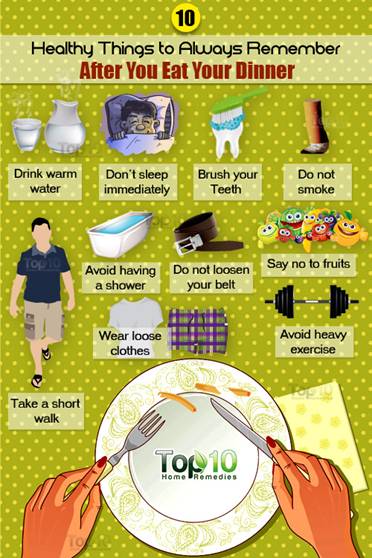
Image Source: www.ekachaihospital.com
Deciphering What Happens After You Eat
After you eat, your body gets busy. It starts breaking down food. This needs energy and blood flow. Your digestive system becomes the main focus. Blood rushes to your stomach and intestines. This helps them work.
Exercise also needs blood flow. It sends blood to your muscles. If you exercise too soon after eating, your body has a conflict. It needs blood in two places at once: your gut and your muscles. This split in blood flow can cause problems. Digestion slows down. Your muscles might not get enough oxygen. This leads to discomfort.
Exercising Immediately After Eating Effects
Working out right after a meal is generally not a good idea. This is especially true after a large meal. Your body is trying hard to digest. Adding the stress of exercise makes it harder.
Here are some common exercising immediately after eating effects:
- Stomach ache after exercising eating: This is very common. Your stomach is full and working. Jumping, running, or even lifting weights can jiggle things around. This can feel very painful.
- Nausea: Feeling sick to your stomach is likely. Your body might feel overwhelmed. It could even lead to throwing up.
- Cramps: Muscle cramps can happen. This might be linked to less blood flow to your muscles.
- Sluggishness: You might feel heavy and slow. Digestion takes energy. Exercising while digesting can make you feel tired instead of energized.
- Poor Performance: You probably won’t perform your best. Your energy is split between digestion and exercise.
These issues happen because your body is prioritizing digestion. Blood and energy are focused there. When you exercise, your muscles demand resources. This fight for resources causes the negative effects.
How Long to Wait to Exercise After Eating
How long to wait to exercise after eating is the most important question. There’s no single perfect answer. It depends on several things:
- Size of the Meal: A large meal needs much more digestion time than a small snack.
- Type of Food:
- Meals high in fat or protein take longer to digest.
- Meals high in simple carbs (like fruit or white bread) digest faster.
- Fiber also slows digestion.
- Type of Exercise: Intense exercise (like sprinting or heavy weightlifting) needs more blood flow to muscles. This means you need to wait longer. Light exercise (like walking or gentle yoga) is easier on your system.
- Your Body: Everyone is different. Some people can handle exercising sooner than others. Pay attention to how you feel.
Here are some general guidelines for how long to wait to exercise after eating:
- Large Meals: After a big breakfast, lunch, or dinner, wait about 3-4 hours. This gives your body plenty of time to process most of the food.
- Smaller Meals: After a regular-sized meal, wait about 1-2 hours. Think of this as a typical portion that isn’t overly heavy.
- Small Snacks: After a light snack, wait about 30-60 minutes. This applies to easily digestible foods.
These are just starting points. You might need to adjust based on your experience. If you consistently get a stomach ache after exercising eating, you might need to wait longer.
Getting the Timing Right for Different Meals
Timing your meal before a workout is a skill. Eating before workout timing is crucial for feeling good and performing well.
- Morning Workout: If you work out first thing, a large meal isn’t practical. A light snack before exercise timing might be enough. Or you might exercise on an empty stomach if you feel okay. Eat your main breakfast after your workout.
- Lunchtime Workout: If you eat lunch and then work out, you likely need to wait 1-2 hours. Avoid a heavy, greasy lunch.
- Evening Workout: Eat dinner well before your workout (3-4 hours). Or have a smaller, earlier dinner and a light snack closer to your workout time.
Planning your meals around your workouts helps avoid discomfort and indigestion when exercising after eating.
Light Snack Before Exercise Timing
Sometimes, exercising on a totally empty stomach isn’t best either. You might feel low on energy. This is where a light snack before exercise timing comes in. It gives you a quick energy boost.
A light snack should be:
- Small and easy to digest.
- Mostly carbohydrates. Carbs are your body’s main energy source.
- Low in fat, protein, and fiber right before exercise. These slow digestion.
Good examples of light snacks include:
- A banana
- A small handful of crackers
- A piece of toast with jam
- A small energy bar (check ingredients for simple carbs)
- A small serving of fruit like an apple or berries
Wait about 30-60 minutes after this type of snack before starting your workout. This gives the carbs time to enter your bloodstream.
Best Time for Workout After Meal
The best time for workout after meal is when you feel comfortable and energized, not weighed down or sick. This typically means:
- After a snack: 30-60 minutes later.
- After a small meal: 1-2 hours later.
- After a large meal: 3-4 hours later.
Experiment to find your personal best timing. Some people feel fine working out 90 minutes after a light meal. Others need the full 2 hours. Listen to your body’s signals.
Specific Exercise Types After Eating
The type of exercise matters when it comes to eating timing.
Running After Eating Guidelines
Running after eating guidelines are stricter than for some other activities. Running is high-impact. It bounces your internal organs around. This movement, combined with a full stomach, greatly increases the chance of:
- Stomach cramps
- Side stitches (pain in your side)
- Nausea
- Need to use the bathroom urgently
For runs, especially longer or faster ones:
- Wait at least 2-3 hours after a regular meal.
- Wait 3-4 hours after a large meal.
- If having a light snack, wait about an hour before running.
- Keep the snack very small and easy to digest.
- Avoid high-fat, high-fiber, or high-protein foods before a run.
Short, very easy runs (like a gentle jog) might be okay after a slightly shorter wait, but be cautious.
Weightlifting After Eating
Weightlifting after eating can also cause problems, but perhaps less severe than running for some people. Lifting heavy weights puts pressure on your core. This can be uncomfortable with a full stomach. Also, blood is needed by the muscles you are working.
For weightlifting:
- Wait 1-2 hours after a small meal.
- Wait 2-3 hours after a large meal.
- A light snack 30-60 minutes before is often fine and can provide energy.
Some lifters find that a moderate wait (around 90 minutes after a decent meal) works well. The main issues are discomfort from abdominal pressure and ensuring muscles get enough blood.
Other Exercise Types
- Swimming: Exercising too soon before swimming is often linked to cramps. The old advice about waiting 30 minutes might not prevent all issues, especially after a big meal. Give yourself ample time (1-2 hours minimum after a small meal, longer after a large one) before swimming.
- Cycling: Similar to running, cycling can cause stomach upset, especially on bumpy roads or during intense efforts. Follow similar guidelines to running: 2-3 hours after a meal, 1 hour after a snack.
- Yoga/Pilates: Low-impact activities might be okay sooner. However, certain poses (like twists or inversions) can be very uncomfortable with a full stomach. Waiting 1-2 hours after a small meal is wise. A light snack 30-60 minutes before is usually fine.
- Walking: Walking is low-impact. You can often walk relatively soon after eating, perhaps 30-60 minutes after a small meal or snack. A gentle walk after a large meal can even help digestion for some people.
Why Indigestion When Exercising After Eating Happens
Indigestion when exercising after eating is a common complaint. It happens because your body’s priorities are mixed up.
Normally, after you eat, your stomach produces acid and enzymes. Muscles in your stomach and intestines contract. They mix and move food along. This needs good blood supply.
When you exercise, your muscles demand more oxygen. Your heart pumps faster to send blood to your muscles. This means less blood goes to your digestive system. With less blood, digestion slows down. Food sits in your stomach longer. This can cause:
- Bloating
- Gas
- Heartburn (acid coming back up)
- Nausea
The physical movement of exercise, especially high-impact types, also churns the contents of your stomach. This physical sloshing combined with slowed digestion is a recipe for indigestion and stomach ache after exercising eating.
Think of your body having a limited amount of resources (blood, energy). It can’t do heavy digestion and heavy exercise perfectly at the exact same time. Something has to give, and it’s usually digestion that gets shortchanged, leading to discomfort.
Eating Before Workout Timing and Food Choices
As discussed, eating before workout timing is key. But what you eat is just as important.
- Focus on Carbs: Carbohydrates are the quickest and easiest source of energy for your muscles. Complex carbs (like whole grains) provide sustained energy. Simple carbs (like fruit) provide quick energy.
- Limit Fat: Fat takes a long time to digest. It can sit in your stomach and feel heavy. High-fat meals before exercise are likely to cause discomfort.
- Limit Protein: Protein is important for muscle repair, but it also digests slowly. A little protein is fine, especially if you have several hours before exercising, but avoid very high-protein meals right before a workout.
- Be Careful with Fiber: Fiber is great for health but can cause gas and bloating, especially when combined with exercise. Limit very high-fiber foods right before a workout.
- Stay Hydrated: Drinking enough water is vital, but don’t chug a large amount of water right before exercising, as this can also cause stomach discomfort. Drink water steadily throughout the day.
Example Food Timing:
| Meal/Snack Type | Suggested Wait Time | Example Foods |
|---|---|---|
| Large Meal | 3-4 hours | Steak, potatoes, vegetables, dessert |
| Standard Meal | 1-2 hours | Chicken breast, rice, small salad |
| Light Snack | 30-60 minutes | Banana, small energy bar, handful of pretzels |
| Liquids (Sports Drink/Juice) | 15-30 minutes | Sports drink, diluted juice (small amount) |
This table gives a quick guide. Remember these are general tips for exercising after eating.
Tips for Exercising After Eating Without Discomfort
Beyond timing and food choice, here are some practical tips for exercising after eating:
- Start Slow: Don’t jump straight into high intensity. Warm up gently.
- Listen to Your Body: If you feel a stomach ache after exercising eating starting, slow down or stop. Pushing through can make it worse.
- Stay Hydrated, But Don’t Overdrink: Sip water before and during your workout. Avoid drinking large volumes at once.
- Choose Low-Impact Exercise: If you must exercise sooner after eating, opt for walking, gentle cycling, or light elliptical work instead of running or intense cardio.
- Avoid Carbonated Drinks: Sodas and sparkling water can cause gas and bloating, making exercise after eating more uncomfortable.
- Chew Your Food Well: This starts the digestion process better in your mouth, potentially easing the load on your stomach later.
- Don’t Lie Down Right After Eating: This can increase the risk of heartburn.
- Experiment: The best way to figure out what works for you is trial and error. Try different timings and foods. Keep a simple log if needed.
Incorporating these tips can help reduce the risk of indigestion when exercising after eating and make your workouts more pleasant and effective.
Grasping the Importance of Personal Experience
While guidelines are helpful, your own experience is the best teacher. What works for one person may not work for you. Factors like your metabolism, sensitivity to certain foods, and the specific demands of your workout all play a role.
- Do you get a stomach ache after exercising eating every time you work out within 2 hours of a meal? You likely need to wait longer.
- Can you tolerate a banana 30 minutes before a run? Great, that’s your ideal light snack before exercise timing.
- Does heavy weightlifting after eating feel okay after 90 minutes? That might be sufficient for you.
Pay attention to how different foods make you feel during exercise. A meal that feels fine when you’re sitting might feel heavy and cause problems when you’re active.
Don’t be afraid to adjust your routine based on how you feel. It’s better to wait a little longer and have a good, comfortable workout than to rush it and feel sick. The goal is sustainable fitness, and that means finding a routine that works with your body, not against it.
Structuring Your Day Around Exercise and Eating
Planning your day can make balancing eating and exercise much easier. Instead of squeezing a workout wherever it fits, try to schedule it in relation to your meals.
For example:
- Option 1: Exercise Before Eating
- Wake up, maybe have a small amount of water.
- Workout (could be on an empty stomach or after a very light snack).
- Eat a full recovery meal after exercising.
- Option 2: Exercise Well After Eating
- Eat a meal (e.g., lunch).
- Wait 2-3 hours.
- Workout.
- Have a snack or smaller meal after your workout.
- Option 3: Exercise After a Snack
- Eat a main meal several hours before (e.g., lunch early afternoon).
- Have a light, carb-based snack 60-90 minutes before your evening workout.
- Workout.
- Have dinner after your workout.
Thinking about your eating before workout timing as part of your overall schedule helps prevent problems. It also ensures you have fuel for your workout and nutrients for recovery.
The Role of Hydration
Proper hydration is just as important as eating right. Dehydration can worsen stomach issues and cramps during exercise, especially if you haven’t waited long enough after eating.
- Drink water throughout the day.
- Drink a glass of water an hour or two before your workout.
- Sip water during your workout, especially if it’s long or intense.
- Avoid drinking large amounts of water immediately before or during high-impact activities.
Being well-hydrated supports both digestion and muscle function.
Potential Benefits of Timing Your Meals Right
Getting the timing right for exercising after eating isn’t just about avoiding discomfort. It can also help your performance and recovery.
- Better Energy Levels: Having easily available energy (from carbs digested before your workout) can help you work out harder and longer. This is why a light snack before exercise timing is often recommended.
- Improved Performance: Not feeling sick or heavy allows you to focus on your exercise. This can lead to better form, higher intensity, and overall better results.
- Faster Recovery: Eating a recovery meal or snack after exercise (ideally within 30-60 minutes) helps refuel your muscles and start the repair process. Your body is ready to receive these nutrients after exercise, especially if you didn’t stress your digestive system by eating too much too close to your workout.
- Reduced Risk of Digestive Issues: Planning prevents or minimizes stomach ache after exercising eating, indigestion when exercising after eating, and nausea.
Understanding the basic principles of digestion and how exercise affects it empowers you to make smart choices about when and what to eat.
Frequently Asked Questions (FAQ)
Q: Is it bad to workout on an empty stomach?
A: It depends on the person and the workout. Some people feel fine exercising on an empty stomach, especially for light or moderate activities. Others feel weak or lightheaded. For intense or long workouts, having some easily digestible carbs beforehand is usually better for performance. Listen to your body.
Q: What should I eat if I only have 30 minutes before exercising?
A: Choose a very small, easily digestible carbohydrate snack. Examples include half a banana, a few dates, or a very small handful of crackers. Avoid fats, proteins, and fiber.
Q: Can I drink coffee before exercising after eating?
A: Coffee can be okay for some people and may even boost performance. However, for others, it can cause stomach upset or the urge to use the bathroom. If you’re prone to stomach issues when exercising after eating, test coffee cautiously.
Q: What if I feel fine exercising right after eating a large meal?
A: Everyone’s body is different. If you genuinely feel no discomfort, nausea, or performance issues, your digestion might be faster or less sensitive than average. However, it’s still taxing on your system. Even if you feel okay, your digestive efficiency might be reduced, meaning you’re not getting the full benefit from the food’s nutrients right away, and blood flow is still being split. Most experts still recommend waiting to optimize both digestion and exercise.
Q: What is the best food to eat after a workout?
A: After a workout, especially an intense one, focus on a mix of carbohydrates (to refuel) and protein (to repair muscles). Examples include Greek yogurt with fruit, chicken and rice, or a protein shake with a banana. Try to eat within 30-60 minutes of finishing your workout.
Q: Does exercising after eating help you lose weight?
A: The timing of your exercise relative to eating doesn’t significantly change how many calories you burn during the exercise itself. Weight loss is mostly about total calories consumed versus total calories burned over time. Exercising comfortably allows you to work out more consistently and effectively, which contributes to weight loss over the long term. Trying to exercise right after a big meal in hopes of “burning it off” usually just leads to discomfort.
In Summary
Exercising after eating is possible, but smart timing is key. Give your body enough time to digest your meal. How long to wait to exercise after eating depends on the meal size, food type, and exercise intensity. A large meal needs 3-4 hours. A small meal needs 1-2 hours. A light snack before exercise timing usually requires just 30-60 minutes.
Ignoring these waiting times can lead to unpleasant exercising immediately after eating effects like stomach ache after exercising eating and indigestion when exercising after eating. Specific activities like running after eating guidelines are often stricter due to the impact. Weightlifting after eating is also best done after waiting a bit.
Listen to your body, choose easily digestible foods before working out, and plan your eating before workout timing. By following these simple tips for exercising after eating, you can fuel your body properly, avoid discomfort, and have more effective workouts.