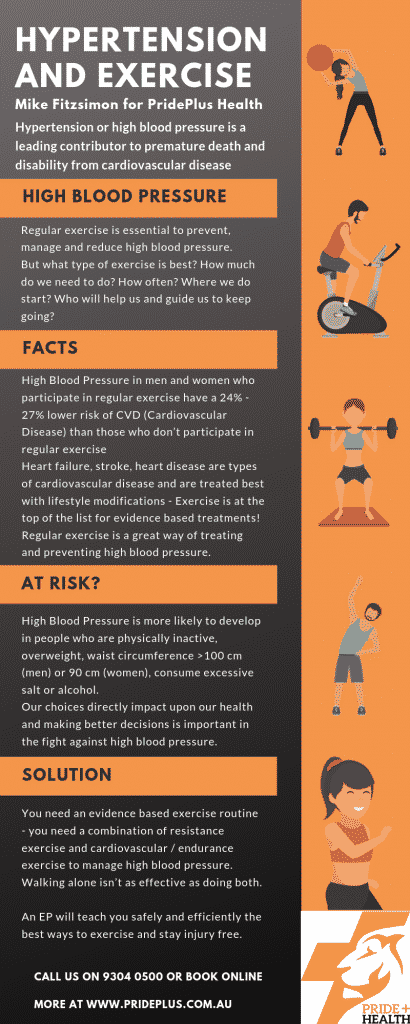
Image Source: prideplus.com.au
Your Health: Can You Exercise With High Blood Pressure Safely?
Yes, you can exercise safely if you have high blood pressure. In fact, moving your body is often a very good thing for you. It is one of the best things you can do to help lower your blood pressure numbers. But you need to be smart about it. Always talk to your doctor first. They can help you find safe exercises with hypertension that fit your health needs. Starting slowly and picking the right types of movement are key steps.
Why Moving Is Good for Your Blood Pressure
Exercise is like a wonder drug for your body, especially for your heart and blood vessels. When you move, your heart gets stronger. A stronger heart can pump more blood with less effort. This can lower the pressure in your arteries. Over time, regular exercise helps keep your blood pressure numbers down.
Benefits of Exercise
There are many good things exercise does for people with high blood pressure. These benefits of exercise for high blood pressure go beyond just your blood pressure numbers.
- Lowers Blood Pressure: This is the main goal. Regular movement makes your blood vessels more flexible. This lets blood flow more easily. This reduces pressure.
- Helps Control Weight: Exercise helps you burn calories. This can help you lose extra weight or stay at a healthy weight. Carrying too much weight puts more stress on your heart and blood vessels. Losing even a little weight can help lower blood pressure.
- Improves Cholesterol: Exercise can help improve your cholesterol levels. Better cholesterol means healthier blood vessels.
- Reduces Stress: Stress can make your blood pressure go up. Exercise is a great way to relieve stress. It can boost your mood too.
- Boosts Energy: You might feel more tired at first. But over time, regular exercise gives you more energy.
- Better Sleep: Exercise can help you sleep better. Good sleep is important for your overall health, including blood pressure.
- Stronger Muscles and Bones: Exercise makes your muscles and bones stronger. This helps you move better and lowers the risk of falls.
These good effects work together to help you manage high blood pressure. They also help lower your risk of other heart problems.
Starting Your Exercise Journey Safely
It is very important to start moving the right way when you have high blood pressure. Doing too much too fast can be risky. Taking smart steps helps you get the benefits without harm.
Talking to Your Doctor First
This is the most important step. Before you start any new exercise plan, talk to your doctor. Tell them you want to start exercising. They know your health history and any other health problems you have.
Your doctor can:
- Check your current blood pressure.
- See if you need any tests before starting.
- Suggest what kinds of exercise are best for you.
- Tell you what activities to avoid.
- Give you advice on how to start slow.
- Help you make an exercise plan that is safe.
Do not skip this step. Your doctor’s advice is key to exercising with high blood pressure safely.
Checking Your Numbers
It’s a good idea to know your blood pressure numbers. You can check them at home if you have a monitor. Checking them before and after exercise (after resting) can give you useful information.
- Before Exercise: Your doctor might suggest not exercising if your blood pressure is very high (like 180/110 mmHg or higher). Ask your doctor what numbers are safe for you to start exercising.
- After Exercise: It’s normal for your blood pressure to go up a little during exercise. But it should come down soon after you stop. If it stays high or goes very high, talk to your doctor.
Don’t rely only on checking your blood pressure. Pay attention to how you feel. Your body will give you signs.
High Blood Pressure Exercise Precautions
Knowing what to watch out for is a big part of staying safe. These high blood pressure exercise precautions help you know when something might be wrong.
- Warm-up and Cool-down: Always start your exercise time with 5-10 minutes of light movement (like walking slowly). End with 5-10 minutes of slow movement and stretching. This helps your heart and blood vessels get ready for and recover from exercise.
- Listen to Your Body: This is very important. Do not push yourself too hard, especially when starting. Exercise should make you feel good, not bad.
- Avoid Holding Your Breath: Do not hold your breath during strength training. This can make your blood pressure spike quickly. Breathe out as you lift or push. Breathe in as you lower the weight.
- Avoid Very Heavy Lifting: Lifting very heavy weights can cause a big, sudden rise in blood pressure. Lighter weights with more repeats are often safer for strength training high blood pressure. Your doctor or a trained fitness pro can advise on this.
- Stay Hydrated: Drink water before, during, and after exercise. Being thirsty can affect your body.
- Know the Signs to Stop: Stop exercising right away if you feel:
- Chest pain or pressure
- Neck, jaw, or arm pain
- Bad dizziness or lightheadedness
- Shortness of breath that is worse than normal for exercise
- A very fast or uneven heartbeat
- Feeling sick to your stomach
- Cold sweat
- Avoid Exercising in Extreme Weather: Very hot and humid or very cold weather can put extra strain on your heart. If you exercise outside, be careful or choose indoor activities on bad weather days.
- Check Your Medications: Some blood pressure medicines can affect your heart rate or how your body handles heat. Talk to your doctor about this. They might adjust your timing of medicine or give you tips.
- Do Not Exercise When You Are Sick: If you have a fever or feel unwell, give your body time to rest and get better.
Following these precautions makes exercising with hypertension much safer.
Finding the Right Way to Move
There are many ways to exercise. The best exercises for high blood pressure are often types that get your heart rate up and make you breathe a little faster. But other types of movement are good too.
Types of Exercise to Consider
Here are the main types of exercise that can help lower blood pressure. Knowing these types of exercise to lower blood pressure helps you choose what fits you best.
Cardio (Aerobic) Exercise
This is the type of exercise most people think of for heart health. Cardio exercise makes your heart beat faster and makes you breathe harder for a steady period of time. It is very good for lowering blood pressure. It is often called cardio for hypertension because it works your heart and lungs well.
- How it Helps: Cardio makes your heart stronger. It helps your blood vessels become more flexible. This makes blood flow easier.
- Examples of Cardio:
- Walking: Brisk walking is easy to start and can be done almost anywhere. It’s one of the best exercises for high blood pressure.
- Jogging or Running: If you are able, this is a step up from walking. Start slow and build up over time.
- Cycling: Riding a bike, either outside or on a stationary bike indoors, is a great cardio workout. It’s easier on your joints than running for some people.
- Swimming: This is a full-body workout that is very gentle on joints. The water supports your body.
- Dancing: Any type of dancing that gets your heart rate up is good cardio.
- Using Machines: Treadmills, elliptical trainers, stair climbers, and rowing machines at a gym or at home provide good cardio.
- Group Fitness Classes: Classes like aerobic dance, step aerobics, or spin classes can be fun and keep you motivated.
For cardio, try to reach a moderate intensity. This means you can talk, but you can’t sing. You should feel like you are working, but not so hard that you are out of breath and can’t speak a few words.
Strength Training
Strength training, also called resistance training, means working your muscles against something that resists them. This could be weights, resistance bands, or your own body weight. While cardio is key for blood pressure, strength training high blood pressure offers different benefits.
- How it Helps: Strength training builds muscle mass. More muscle helps your body burn more calories, even at rest. It also improves how your body uses sugar (glucose). Building muscle can help support healthy weight. It also improves bone health. Some studies suggest it might have a positive effect on blood pressure, although the effect is often less direct than cardio. The key is doing it safely.
- Precautions for Strength Training with High Blood Pressure:
- Use lighter weights or less resistance.
- Do more repetitions (like 10-15 per set).
- Move smoothly and with control.
- Breathe: This is critical. Never hold your breath. Breathe out when you lift the weight. Breathe in when you lower it. Holding your breath can cause a dangerous blood pressure spike.
- Rest between sets (at least 1-2 minutes).
- Avoid exercises where your head is much lower than your heart for long periods.
- Examples of Strength Training:
- Bodyweight Exercises: Squats, lunges, push-ups (on knees or against a wall if needed), planks, step-ups.
- Resistance Bands: Using stretchy bands for arm exercises, leg exercises, etc.
- Free Weights: Hand weights or dumbbells for bicep curls, shoulder presses, rows (use lighter weights).
- Weight Machines: Machines at the gym can help you control the movement and weight.
Strength training is an important part of a full exercise plan. It should be done on days you are not doing cardio, or after your cardio workout.
Flexibility and Balance Exercises
These types of exercises might not directly lower blood pressure a lot. But they are important for overall fitness and help you do cardio and strength training safely.
- How it Helps: Flexibility helps your muscles stay loose and prevents injury. Balance exercises help prevent falls, which is important as you get older.
- Examples:
- Stretching: Gentle stretching after your muscles are warm. Hold stretches for 15-30 seconds. Do not bounce.
- Yoga: Many types of yoga combine stretching, gentle strength, and balance. Some types are very relaxing, which can also help with stress.
- Tai Chi: This is a gentle mind-body practice that uses slow, smooth movements and deep breathing. It is known for improving balance and reducing stress.
Adding flexibility and balance helps create a well-rounded fitness plan.
How Often and How Long to Move
Once you know what types of exercise are good, you need to know how much to do. This is called how much exercise for hypertension is needed. There are general guidelines, but your doctor might give you different advice based on your health.
Guidelines for Exercise
Most health groups give similar advice for adults, including those with high blood pressure. These exercising with hypertension guidelines focus on getting enough total activity each week.
- Cardio: Aim for at least 150 minutes of moderate-intensity cardio exercise per week.
- You can break this up. Like 30 minutes a day, 5 days a week.
- Or you could do 10-minute bouts spread through the day. What matters is the total time.
- You could also do 75 minutes of vigorous-intensity cardio per week. This is when you are breathing hard and can only speak a few words. But check with your doctor if vigorous exercise is right for you. Moderate intensity is usually best and safest for most people with high blood pressure, especially when starting.
- Strength Training: Do strength training at least two days per week.
- Work all the major muscle groups (legs, hips, back, stomach, chest, shoulders, arms).
- Use lighter weights or resistance and do 10-15 repetitions per set. Aim for 1-3 sets of each exercise.
- Allow your muscles to rest for a day between strength training sessions.
- Flexibility/Balance: Do these types of exercises most days of the week.
Here is a simple way to look at the weekly goals:
| Type of Exercise | How Much | How Often |
|---|---|---|
| Cardio (Moderate) | At least 150 minutes total | 5 days a week or more |
| Cardio (Vigorous) | At least 75 minutes total | 3 days a week or more |
| Strength Training | Work all major muscle groups | At least 2 days a week |
| Flexibility & Balance | Stretch major muscle groups, practice balance | Most days of the week |
Note: Choose EITHER moderate OR vigorous cardio, or a mix of both (e.g., 30 mins vigorous counts the same as 60 mins moderate).
It’s important to start slowly if you haven’t been active. Maybe start with just 10-15 minutes of walking a few days a week. Slowly add more time and more days as you get stronger. Over time, build up to the recommended amounts. Consistency is more important than doing a lot all at once. Doing something almost every day is better than doing a lot just once a week.
Knowing When to Stop or Not Start
Exercise is good, but there are times when it might not be safe. Knowing when to avoid exercise high blood pressure problems is key. Your body will often give you warning signs. Pay attention to them.
Situations to Avoid Exercise
Do not start or continue exercising if you have any of the following:
- Very High Blood Pressure: If your blood pressure is very high (like 180/110 mmHg or higher, or whatever level your doctor told you is too high), do not exercise. Wait until your blood pressure is under better control. Exercise can help lower it over time, but exercising during a very high spike can be risky. Check with your doctor about what numbers are safe for you to exercise.
- Feeling Unwell: If you are sick, have a fever, have a bad cold, or feel very tired, take a break. Let your body use its energy to get well.
- Chest Pain or Discomfort: Any pain, pressure, squeezing, or fullness in your chest is a serious sign. Stop exercising right away. Seek medical help. This could be a sign of a heart problem.
- Pain Spreading: Pain from the chest that spreads to your arm, shoulder, neck, jaw, or back needs urgent attention. Stop and get help.
- Severe Shortness of Breath: It’s normal to breathe harder during exercise. But if you feel very short of breath, can’t catch your breath, or feel breathless when you haven’t even done much, stop.
- Dizziness or Fainting: Feeling lightheaded, dizzy, or like you might pass out is a sign to stop.
- Very Fast or Irregular Heartbeat: Your heart rate goes up with exercise. But if it feels like it is beating very fast, fluttering, or skipping beats in a way that feels wrong, stop and check with your doctor.
- Sudden, Severe Pain: If you feel sharp pain in a joint or muscle, stop that activity to avoid making it worse.
- During or Right After Eating a Large Meal: Wait at least 1-2 hours after a big meal before exercising.
- If You Have Other Health Problems Not Controlled: If you have other serious health issues like unstable angina, certain heart rhythm problems, or severe aortic stenosis, your doctor might advise against certain types or levels of exercise. Always follow their specific advice.
If you are exercising and any of these signs happen, stop slowly and safely. If the symptoms are serious (like chest pain, severe shortness of breath, or bad dizziness), get medical help right away. Do not try to finish your workout. This is a key part of exercising with hypertension guidelines – knowing when to stop is as important as knowing when to start.
Keeping Up the Good Work
Starting an exercise plan is great. Sticking with it is how you get the best long-term benefits for your blood pressure and overall health.
Making Exercise a Habit
Making exercise a regular part of your life takes planning and effort.
- Find Activities You Like: You are more likely to keep exercising if you enjoy it. Try different things – walking, swimming, dancing, cycling, gardening.
- Set Realistic Goals: Start small. Don’t expect to run a marathon next month if you haven’t exercised in years. Celebrate small successes.
- Schedule Your Workouts: Treat exercise like an important appointment. Put it on your calendar.
- Exercise with a Friend: Working out with someone can make it more fun and help you stay on track.
- Track Your Progress: Write down what you do. Seeing how far you’ve come can be very motivating. You can use a notebook, a phone app, or a fitness tracker.
- Be Flexible: Life happens. If you miss a workout, don’t give up. Just get back to it the next day.
- Reward Yourself: When you reach a goal, treat yourself (not with food that works against your healthy efforts!).
- Connect Exercise to Your Day: Walk to the store, take the stairs instead of the elevator, park further away. Find ways to add more movement throughout your day.
- Think Long-Term: Remember why you are doing this – for your health, to lower your blood pressure, to feel better, and live a healthier life.
Building exercise into your routine takes time. Be patient with yourself. Every little bit helps your health.
Watching Your Blood Pressure and How You Feel
Exercising regularly is a key part of managing high blood pressure. Monitoring how it affects you helps you stay safe and see the good results.
Tracking Your Numbers
If you check your blood pressure at home, exercise can be part of your monitoring plan.
- Check at Rest: Check your blood pressure before you start exercising, when you are relaxed. If it’s very high, as discussed before, skip exercise and talk to your doctor.
- Check After Resting: After you finish exercising, cool down completely. Rest for about 15-30 minutes. Then you can check your blood pressure. It should ideally be at or below your resting level before exercise. If it stays high, make a note and talk to your doctor.
- Regular Checks: Keep checking your blood pressure regularly (at home or at the doctor’s office) to see how your exercise program is helping over weeks and months. You might see your overall numbers start to decrease.
Tracking helps you and your doctor see the benefits of exercise and make sure your blood pressure is responding well.
Listening to Your Body
Numbers are helpful, but how you feel is just as important. Your body gives you feedback.
- How do you feel during exercise? Are you getting too out of breath? Do you feel dizzy? Is there any unusual pain?
- How do you feel after exercise? Do you recover quickly? Do you feel energized later? Or do you feel extremely tired or unwell?
- How do you feel day-to-day? Is exercise helping you sleep better? Do you have more energy for daily tasks?
Keep a simple log of how you feel during and after workouts, especially when you are starting. Note any signs or symptoms that worry you. Share this information with your doctor. They can help you understand what is normal and what might mean you need to adjust your exercise plan or check other things.
Exercise is a powerful tool for managing high blood pressure. By understanding the benefits, taking precautions, choosing the right activities, knowing how much to do, and listening to your body, you can safely make exercise a positive part of your health plan. Remember, the first step is always talking to your doctor.
Common Questions About Exercise and Blood Pressure
Here are answers to some common questions people ask about exercising with high blood pressure.
h4 How quickly can exercise lower blood pressure?
You might see a small drop in blood pressure right after one exercise session. This effect can last for several hours. For a lasting drop in your overall blood pressure numbers, you usually need to exercise regularly for a few weeks or months. Consistency is key to long-term results.
h4 Is it safe to do intense exercise with high blood pressure?
Moderate intensity exercise is generally recommended and very effective for lowering blood pressure for most people. Vigorous intensity exercise can also be beneficial, but it causes a bigger, faster rise in blood pressure during the activity. If you have high blood pressure, especially if it’s not fully controlled or you have other health problems, vigorous exercise might be riskier. Always talk to your doctor before trying vigorous activity. They can tell you if it’s safe for you and how to approach it.
h4 Can walking really lower blood pressure?
Yes! Brisk walking is a great form of cardio exercise and can be very effective at lowering blood pressure. It gets your heart rate up and helps your blood vessels work better. You don’t need fancy equipment or a gym. Just comfortable shoes and a safe place to walk. Aim for a pace where you can talk but not easily sing.
h4 What is a good heart rate to aim for during exercise?
Target heart rate zones are often used in exercise. For moderate intensity, a rough guide is 50-70% of your maximum heart rate. Your maximum heart rate is about 220 minus your age. So, for a 60-year-old, max heart rate is about 160 bpm. Moderate intensity would be roughly 80-112 bpm. However, this is just a general guide. Some blood pressure medications can affect your heart rate response. Much more important than hitting a specific number is paying attention to your perceived effort (how hard it feels) and the talk test (can you talk but not sing?). If you are concerned about heart rate, ask your doctor or a certified exercise professional for personalized guidance.
h4 Should I check my blood pressure during exercise?
Usually, you don’t need to check your blood pressure during exercise. It’s normal for it to go up while you are active. Checking it then doesn’t give useful information about your resting blood pressure control. It’s more helpful to check it before exercising (to make sure it’s not too high to start) and after your cool-down and a period of rest. However, if your doctor has given you specific instructions to monitor during exercise, follow their advice.
h4 Is exercise helpful even if I take blood pressure medicine?
Absolutely yes. Exercise is helpful even if you are already taking medication for high blood pressure. Exercise works in different ways than medicine to help lower blood pressure and improve heart health. It can make your medication work even better. In some cases, with regular exercise, healthy eating, and weight management, some people may be able to work with their doctor to reduce the dose or number of blood pressure medicines they need. But never stop or change your medication without talking to your doctor.
h4 How long does the blood pressure lowering effect of exercise last?
The direct blood pressure lowering effect from a single workout can last for about 24 hours. This is sometimes called the “post-exercise hypotension” effect. This is why exercising most days of the week is helpful – it helps keep your blood pressure lower more consistently. The long-term benefits, like stronger heart and more flexible blood vessels, build up over time with regular exercise.
h4 Can exercise make my blood pressure go too low?
In some cases, especially if you are on medication, exercise could potentially cause blood pressure to drop too much, leading to dizziness or feeling lightheaded, particularly right after you stop exercising. This is why the cool-down is important. It helps your body slowly return to a resting state. If you often feel dizzy after exercise, talk to your doctor. They might need to adjust your medication or give you other advice.
h4 What if I have high blood pressure and another condition like diabetes?
If you have high blood pressure plus other health problems like diabetes, heart disease, or kidney problems, it is even more important to talk to your doctor before starting exercise. Exercise is usually beneficial for these conditions too, but your doctor will need to give you specific guidance based on all your health needs. They can help you find the safest and most effective exercise plan.
h4 Is exercising in water good for high blood pressure?
Yes, absolutely. Water aerobics or swimming are excellent options. The water supports your body, making it easier on your joints. The resistance of the water provides a good workout. The feeling of the water can also be very relaxing, which helps reduce stress. Water exercise is one of the safe exercises with hypertension that many people find enjoyable and effective.