Image Source: www.ymcamidtn.org
How Long After Eating Should You Exercise? The Answer
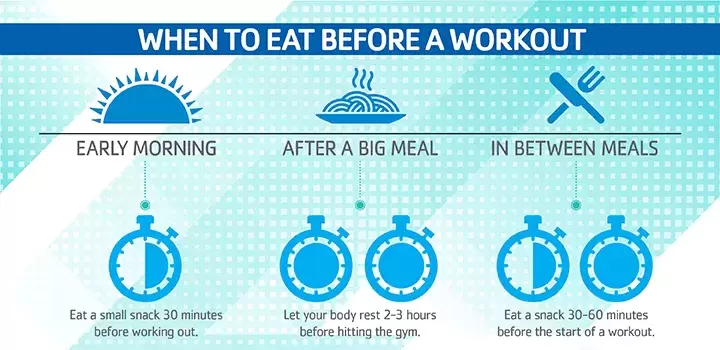
How long after eating should you exercise? The simple answer is: it depends. There is no single perfect time that works for everyone every time. How long you should wait depends on what you ate, how much you ate, and the kind of exercise you plan to do. For a large meal, most people feel best waiting 2 to 3 hours. For a smaller meal or snack, waiting 30 minutes to 1.5 hours is often enough.
Why Timing Your Meal Matters
Exercising soon after eating can feel uncomfortable. Your body needs time to break down food. This process is called digestion.
Digestion uses blood and energy. After you eat, blood flows to your stomach and gut. This helps your body digest food.
When you exercise, your muscles also need blood and energy. If you exercise too soon after eating, your body has to split the blood supply. Some goes to your gut for digestion. Some goes to your muscles for movement. This can lead to problems.
Things like cramps, nausea, and feeling bloated can happen. Waiting the right amount of time helps avoid these digestive issues exercise after eating. It lets your body finish digesting your meal or at least make good progress. Then, more blood is free to go to your muscles when you start your workout. This can help you feel better and perform better.
Deciphering the Digestive Process
What happens inside your body after you eat? Let’s take a look.
Your digestive system is a long tube. Food goes in one end and waste comes out the other. Along the way, food is broken down. Your body takes out the nutrients it needs.
- Mouth: You chew food here. Saliva starts breaking down carbs.
- Stomach: Food mixes with strong acids and enzymes. This turns food into a liquid mix called chyme. This step takes time, especially for large meals.
- Small Intestine: Most nutrients are taken into your blood here. This is where carbs, proteins, and fats are absorbed.
- Large Intestine: Water is absorbed. Waste is made ready to leave the body.
The speed of this process changes based on what you eat. It also changes based on how much you eat.
When food is in your stomach or small intestine, your body is busy digesting. Blood flow increases to these areas. If you start exercising hard now, your muscles call for blood too. This competition for blood flow is one reason for discomfort when exercising on full stomach. Your digestive system slows down because blood is sent to your muscles. This can leave food sitting in your stomach longer. This can cause pain or sickness.
Grasping Meal Timing Factors
Many things change how long you should wait after eating before you exercise. Thinking about these things helps you find your best workout after eating time.
What You Ate
The type of food makes a big difference in the timing of meal before exercise.
- Carbohydrates: These are sugars and starches. Simple carbs (like white bread, fruit, sugary drinks) are broken down fast. Complex carbs (like whole grains, vegetables) take a bit longer. Carbs are a main energy source for exercise. Eating some easily digested carbs closer to your workout can be good. Eating right before exercise might mean a small carb snack.
- Proteins: These take longer to digest than simple carbs. Your body uses protein to build and fix muscles.
- Fats: These take the longest to digest. Fats slow down how fast your stomach empties. A meal high in fat will need a much longer waiting time before exercise. Eating a fatty meal right before a workout is often a bad idea.
A meal with a mix of carbs, protein, and fat is normal. It will take longer to digest than just carbs.
How Much You Ate
The size of your meal is very important for exercise after eating duration.
- Large Meal: A big meal fills your stomach. It has lots of calories and often a mix of all food types. This needs a lot of time and energy to digest. You will need to wait much longer after a large meal.
- Small Meal or Snack: A light meal or snack is easier for your body to handle. Digestion is faster. The wait time before exercise is shorter. A small snack might be okay just 30-60 minutes before working out.
Exercising on full stomach from a large meal is likely to cause problems. Your body is still working hard on digestion.
What Kind of Exercise
The type and hardness of your exercise also matter for workout after eating time.
- Intense Exercise: Activities like fast running, high-intensity interval training (HIIT), or tough sports put a lot of stress on your body. Your muscles need a lot of blood. Your breathing and heart rate are high. This kind of exercise is hard to do if your body is still busy digesting a large meal. You need more time to wait before intense exercise. How long to wait after eating to run fast or do a hard spin class will be longer than for a walk.
- Moderate Exercise: Things like jogging, swimming laps, or cycling at a steady pace are less stressful than intense exercise. The body can often handle this sooner after eating than very hard exercise.
- Light Exercise: Activities like walking, gentle yoga, or stretching are easy on the body. These can often be done relatively soon after eating. Blood flow needs are lower. Digestive issues exercise after eating are less likely with light movement.
So, the best time to exercise after eating depends heavily on these three factors: what you ate, how much, and what you’ll do.
Interpreting the Guidelines: How Long to Wait?
Based on the factors above, here are some general guidelines for the timing of meal before exercise. Remember, these are starting points. You might need to change them based on how your body feels.
These suggestions help you find the best time to exercise after eating without discomfort.
Table 1: Suggested Wait Times Before Exercise
| Meal Type | Meal Size | Exercise Type | Suggested Wait Time | Notes |
|---|---|---|---|---|
| Large Meal (High Fat/Protein) | Full | Moderate to Intense | 3-4 hours or more | Fatty meals take longest to leave stomach. |
| Large Meal (Balanced) | Full | Moderate to Intense | 2-3 hours | Standard advice for a main meal. |
| Small Meal / Large Snack (Balanced) | Moderate | Moderate to Intense | 1-2 hours | Easier to digest than a large meal. |
| Small Snack (Carbs, easily digested) | Light | Any | 30-60 minutes | Quick energy boost. Avoid high fiber/fat. |
| Liquid Calories (Juice, Sports Drink) | Very Light | Any | 15-30 minutes | Absorbed very quickly. |
Let’s break down these times and ideas more.
- After a Big Dinner: If you eat a large meal with plenty of protein, fat, and carbs, your stomach will be full. Your digestive system will be working hard for several hours. Trying a hard workout too soon (less than 2-3 hours) is likely to cause problems. Wait at least 2-3 hours, maybe even 4 hours if the meal was very big or fatty. This applies whether you plan to run, lift weights hard, or do a tough class. This is key for avoiding exercising on full stomach issues.
- After a Standard Lunch: A normal-sized balanced meal still needs time. 2-3 hours is a good rule for moderate to intense exercise. If you are just going for a light walk, you might be okay sooner, maybe 1-1.5 hours after a regular-sized meal.
- After a Small Snack: If you just had a banana, a piece of toast, or a handful of crackers, this is quick energy. It won’t sit in your stomach for long. Waiting 30-60 minutes is often fine, especially if you plan to do moderate exercise. This kind of pre workout meal timing is often used by people needing a quick energy boost before they start. Eating right before exercise (like 30 mins) means choosing something small and simple.
Why Timing Matters for Comfort and Performance
Timing your food intake before exercise isn’t just about comfort. It can also affect how well you do.
Avoiding Digestive Discomfort
This is the most common problem with exercising too soon after eating.
- Nausea: Feeling sick to your stomach. Can happen if food is still in your stomach or moving too fast or too slow in your gut.
- Cramps: Pain in your stomach or sides. Often called “side stitches.” This may be due to the push and pull between digestion and exercise needs.
- Bloating: Feeling full and gassy. Some foods cause more gas than others. Exercise can make this feeling worse.
- Reflux: Stomach acid coming back up. Lying down or bending over during some exercises can make this happen if your stomach is full.
These digestive issues exercise after eating make your workout hard or impossible. You might have to stop or go much slower. Avoiding exercising on full stomach is the main way to prevent these.
Energy for Your Workout
Your body uses different fuels for energy during exercise. Carbs are the main fuel source, especially for high-intensity work. Protein and fats are used too, but carbs are quickest.
If you eat easily digested carbs about 30-60 minutes before exercise, your body can start using that energy soon. This is a common strategy for pre workout meal timing. It makes sure you have fuel ready to go.
If you wait too long after eating, your blood sugar might drop. You might feel tired or weak during your workout. So, timing is a balance. You need time to digest, but you also need energy ready. This relates to the question of should you eat before or after workout. For many people, a small, timed meal before is better than exercising on empty.
Specific Activities and Timing
Some types of exercise are more likely to cause problems if you eat too soon.
Running
Running often causes more digestive issues than other exercises. This is because of the up-and-down movement. This movement can jiggle your stomach contents. It can also cause more stress on your gut.
How long to wait after eating to run depends a lot on the run’s length and speed.
- Short, Easy Run: A light jog might be okay 1-1.5 hours after a small meal, or 30-60 minutes after a snack.
- Long or Fast Run: For runs longer than an hour or runs with fast parts, you need more time after a meal. 2-3 hours after a normal meal is often needed. A big meal might need 3-4 hours. Eating right before a long run is usually not a good idea, other than a very small carb source.
Runners often learn by trying what works best for them. Digestive issues exercise after eating are very common for runners if timing is off.
Strength Training
Weightlifting or strength training is usually less likely to cause stomach problems than running or jumping. The movement is more controlled. However, lifting heavy weights or doing hard sets still requires energy and blood flow to muscles.
Waiting 1.5-2 hours after a normal meal is often fine for strength training. If you had a very large meal, wait longer (2-3 hours). A small snack 30-60 minutes before is also common for a quick energy boost. The focus for strength training often shifts to making sure you have fuel, rather than just avoiding cramps. Pre workout meal timing for lifting might include some protein and carbs an hour or two out.
Swimming
Swimming can sometimes cause discomfort if you eat too soon. Being horizontal in the water can affect your stomach. Also, the hard breathing needed for swimming might be difficult with a full stomach. Wait at least 1-2 hours after a small meal or 30-60 minutes after a snack before swimming.
Yoga and Pilates
These exercises are usually lower intensity. They often involve bending and twisting. Eating right before a yoga or Pilates class can feel uncomfortable, especially during poses that put pressure on your stomach. Waiting 1-1.5 hours after a small meal is often enough. If you had a snack, 30 minutes might be okay. Listen to your body; some poses feel better with a less full stomach.
Fathoming Eating Before Exercise (Pre-Workout Fuel)
Many people benefit from eating something before exercise, especially if they haven’t eaten for several hours. This is where pre workout meal timing is key. The goal is to have energy available without upsetting your stomach.
What to Eat Right Before (30-60 minutes before)
If you need fuel closer to your workout time, choose foods that are:
- High in simple or easily digested carbs: Fruits (banana, berries), rice cakes, white toast, small amount of oatmeal, energy bar (check ingredients), sports drink (small amount).
- Low in fiber: Fiber is great for health but slows digestion. Too much before exercise can cause gas or bloating.
- Low in fat: Fat slows digestion a lot.
- Low to moderate in protein: Protein is important, but too much right before can also slow things down.
- Easy on your stomach: Everyone is different. Find what works for you.
Eating right before exercise means choosing something small, maybe 100-200 calories. The goal is quick energy, not a full stomach.
What to Eat 1-3 Hours Before
If you have more time, you can eat a small meal that includes:
- Complex carbs: Whole grain bread, oats, rice, pasta, potatoes. These give steady energy.
- Lean protein: Chicken, turkey, fish, tofu, eggs, Greek yogurt.
- Some healthy fat: Small amount of avocado, nuts, seeds.
This balanced approach gives your body lasting energy without being too heavy if you allow enough digestion time. This is the classic timing of meal before exercise advice for longer or harder workouts.
Eating Before or After Workout?
Should you eat before or after workout? This is a common question.
- Eating before: Provides energy for the workout, can improve performance, helps prevent low blood sugar. But, timing is needed to avoid discomfort.
- Eating after: Helps your body recover and rebuild muscle. It avoids any chance of stomach issues during the workout. But, you might feel low on energy during exercise, especially if you haven’t eaten for a long time.
For most people doing moderate to intense exercise, having some fuel before the workout is helpful. This might be a full meal a few hours before, or a small snack closer to the time.
Exercising on an empty stomach (like first thing in the morning before breakfast) works for some people, especially for lighter exercise. But for harder workouts, performance might suffer. The main goal of eating after a workout is recovery, not fueling the workout itself.
So, the “eat before or after workout” question often leads back to the timing of meal before exercise. A balanced approach often involves eating some form of energy before and then a recovery meal or snack after.
Grasping Individual Differences
It’s very important to remember that everyone is different. What works for one person might not work for you.
- Digestion Speed: Some people digest food faster than others.
- Stomach Sensitivity: Some people get digestive issues exercise after eating very easily. Others can eat closer to their workout without problems.
- Exercise Type Tolerance: You might find you can run soon after eating but lifting weights causes issues, or vice versa.
You might need to experiment to find your best time. Try waiting 1.5 hours after a small meal one day and see how you feel. The next time, try waiting 2 hours. Keep track of what you ate, when you ate, and how you felt during your workout. This will help you find your ideal workout after eating time.
Don’t copy what a top athlete does without thinking. They have trained their bodies over years. Start with the general guidelines and adjust slowly.
Listen to Your Body
Your body sends you signals. Pay attention to them.
- If you feel heavy, bloated, or sick during exercise, you likely didn’t wait long enough. Or maybe you ate the wrong type of food.
- If you feel weak, dizzy, or have no energy, you might have waited too long after your last meal or snack. Or you didn’t eat enough suitable food beforehand.
Learning to listen helps you fine-tune your timing of meal before exercise. It helps you figure out your best time to exercise after eating for comfort and performance.
Conclusion: Finding Your Sweet Spot
Knowing how long after eating should you exercise is key to comfortable and effective workouts. There isn’t one magic number. It depends on the food type, meal size, exercise type, and your own body.
General guidance is:
- Wait 2-3 hours after a large meal.
- Wait 1-1.5 hours after a small meal.
- Wait 30-60 minutes after a small snack.
High-fat and high-fiber foods need more time. Intense exercise needs more time. Listen to your body and experiment to find what works best for you. Avoiding exercising on full stomach prevents common problems like cramps and nausea. Eating right before exercise should involve small, easy-to-digest carbs for a quick energy boost. Considering the best time to exercise after eating based on these factors will improve your workouts and overall feeling. Your exercise after eating duration should allow proper digestion based on what and how much you consumed. Finding the right workout after eating time is a personal journey.
Whether you eat before or after workout often comes down to fueling for performance versus focusing purely on recovery. Most active people benefit from some fuel beforehand, timed correctly. Pre workout meal timing is just as important as the meal itself.
FAQ: Common Questions About Eating and Exercise
h4: Can I exercise right after eating a tiny snack?
Yes, usually. A very small snack, like a few crackers or half a banana (maybe 50-100 calories of simple carbs), is digested very quickly. Waiting 15-30 minutes might be enough, especially for light to moderate exercise. Still, listen to how you feel.
h4: What should I do if I get cramps or feel sick during exercise after eating?
Slow down or stop your exercise. Walk gently. Try to relax your stomach muscles. Deep breaths can sometimes help. In the future, wait longer after eating before you exercise, or try a smaller amount of food or different types of food beforehand. This means adjusting your exercise after eating duration.
h4: Is it better to exercise on an empty stomach?
It depends on the person and the exercise. Some people feel fine exercising on empty, especially for light morning workouts. However, for longer or harder workouts, having some fuel from eating right before exercise (like a small carb snack) or a meal a few hours prior can improve performance and prevent tiredness. The “eat before or after workout” choice is personal.
h4: Does drinking water affect timing?
Water is important for hydration and is usually fine before or during exercise. Avoid drinking very large amounts of water right before a workout, as this can also feel uncomfortable in your stomach. Small sips during exercise are usually best. Sports drinks with carbs and electrolytes are also common closer to or during long workouts for quick energy and hydration.
h4: Should I eat differently before morning exercise?
If you exercise first thing in the morning, you might not have time for a full meal. Many people find a small, easily digested carb snack (like half a banana or a few dates) 30 minutes before is enough. Others prefer to exercise on an empty stomach and eat breakfast after. For longer or harder morning workouts, you might need to get up earlier to have a small meal 1-1.5 hours beforehand. This is a common pre workout meal timing issue for early birds.
h4: How long after exercising should I wait to eat?
You can usually eat fairly soon after finishing your workout, especially if your goal is muscle recovery. Eating a mix of carbs and protein within 30-60 minutes after a hard workout is often recommended to help your muscles repair and refuel. There’s usually no need to wait a long time after exercise to eat.