Knowing how long to wait after eating before you exercise is key for feeling good and performing your best. The general rule is to wait about 1 to 3 hours after a meal before working out. But this time can change a lot based on what you ate, how much you ate, and the type of exercise you plan to do. Getting the timing exercise after meals right helps your body use energy well and avoids stomach problems.
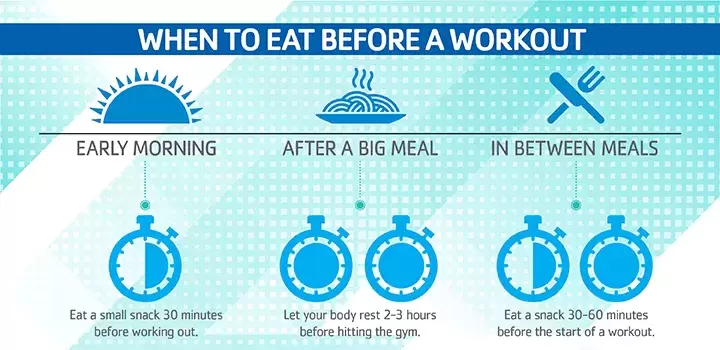
Image Source: www.ymcamidtn.org
Why Waiting After Eating Matters
When you eat, your body starts a big job called digestion. Digestion time before exercise is important. Food goes into your stomach. Your stomach needs energy and blood flow to break the food down. It uses muscles to mix food. It adds special juices. This process takes time.
If you exercise too soon after eating, your body tries to do two big things at once: digest food and work your muscles. Both need blood. Your body sends blood to your stomach to help digest. It also sends blood to your muscles to help them move. This can cause a fight for blood. Not enough blood in your muscles can make your workout feel hard. Not enough blood in your stomach can slow down digestion.
This struggle can cause problems. One common issue is stomach cramps after eating and exercising. You might feel sick to your stomach. You could feel heavy or slow. It’s like trying to drive a car while also changing a tire – not a good idea. Waiting gives your stomach time to do its job. It lets blood go to your muscles when they need it for exercise. This is why the waiting period after eating before gym is important.
How Digestion Works Simply
Let’s look simply at what happens after you eat.
Food Enters Your Body
- You chew food in your mouth. This is the first step.
- Food goes down a tube to your stomach.
- Your stomach is like a bag that mixes food.
- It uses strong acids and enzymes to break food into smaller parts.
Moving Food Along
- From your stomach, food moves to your small intestine.
- Here, most nutrients get taken into your blood.
- What’s left goes to your large intestine.
- Finally, waste leaves your body.
This whole trip takes many hours. But the time food stays in your stomach varies a lot. Simple foods like juice or fruit pass through quickly. More complex foods like meat and fats stay longer. This is why eating before workout needs thought. The type and amount of food change your digestion time before exercise. Exercising on full stomach, especially with slow-digesting foods, can be very uncomfortable.
Problems with Exercising Too Soon
Trying to exercise soon after eating can cause different issues. These problems can make your workout hard or even unsafe.
Feeling Sick or Queasy
Your stomach is full and busy digesting. Moving around a lot can make your stomach upset. Think of shaking a bottle filled with liquid and solids. This can make you feel sick. You might feel like throwing up.
Stomach Cramps
This is a very common problem. Stomach cramps after eating and exercising happen when your body is trying to digest and exercise at the same time. Your muscles need blood, but your stomach also needs blood. This can cause pain or cramps in your stomach area. It feels like a stitch or a bad ache.
Feeling Heavy or Sluggish
A full stomach makes you feel heavy. Your body is working on digestion, which uses energy. You might not feel light and ready to move fast or hard. This is especially true if you are exercising on full stomach after a big meal.
Less Energy for Muscles
Digestion takes blood flow. Exercise takes blood flow in your muscles. If you exercise too soon, blood flow is split. Your muscles might not get enough oxygen and nutrients from the blood. This can make you feel tired faster. You might not be as strong or have as much power. Your performance can drop. Getting the best time to exercise after food means your muscles get the blood they need.
General Timing Rules: How Long to Wait?
So, how soon to exercise after eating? The time you should wait changes with the size and type of your meal. Here are some general guides. This covers the waiting period after eating before gym.
After a Large Meal
A large meal means lots of food. It might have a mix of protein, carbs, and fats. Things like a big dinner, a large pasta dish, or a meal with lots of meat and gravy are large meals.
- Wait Time: You should wait at least 3 to 4 hours after a large meal.
- Why: Large meals take a long time to digest. Your stomach is full and needs many hours to empty. Waiting a long time for a heavy meal before workout is important. It lets your body focus on digestion before you ask muscles to work hard. Exercising after a heavy meal can very easily cause cramps and sickness.
After a Standard Meal
A standard meal is a normal lunch or dinner size. It might be a sandwich with soup, a piece of chicken with vegetables, or a regular-sized plate of food.
- Wait Time: It’s best to wait about 2 to 3 hours after a standard meal.
- Why: These meals need a good amount of time to pass through the stomach. Waiting a few hours lets your body get nutrients into your system without making your stomach upset during exercise. This is a common timeframe for timing exercise after meals.
After a Small Meal or Snack
A small meal or snack is a light amount of food. This could be a piece of fruit, a small yogurt, a slice of toast, or a handful of crackers. Liquid meals like smoothies or shakes often count here too, as they digest faster.
- Wait Time: You can often exercise about 30 minutes to 1 hour after a small snack.
- Why: Small amounts of food digest quickly. They provide some energy without filling your stomach too much. This is great for pre-workout meal timing. A light snack gives you fuel without causing discomfort.
After a Liquid Meal or Shake
Drinks like protein shakes, smoothies, or meal replacement drinks usually pass through the stomach much faster than solid food.
- Wait Time: You might only need to wait about 30 minutes after a liquid meal.
- Why: Liquids don’t need as much breakdown in the stomach. They move to the intestines faster. This is an easy way to get quick energy before exercise without a long waiting period after eating before gym.
Remember, these are just guides. Your own body is the best guide.
What Makes Your Waiting Time Change?
Many things can change how long you need to wait after eating before you feel ready to exercise.
The Type of Food You Ate
Different types of food digest at different speeds.
- Carbohydrates: Simple carbs (like fruit, white bread, sugary drinks) digest fastest. They give quick energy. Complex carbs (like whole wheat bread, oats, brown rice) take a bit longer.
- Proteins: Protein takes longer to digest than carbs. It helps build and fix muscles. Eating protein before a workout is good, but time it right.
- Fats: Fats take the longest time to digest. They slow down the emptying of your stomach. Meals high in fat need a longer waiting time before you exercise. Eating fatty foods close to exercise is a common reason for stomach cramps after eating and exercising.
The Size of Your Meal
This is simple: more food means longer digestion time before exercise. A huge meal will sit in your stomach much longer than a small snack. Heavy meal before workout wait time is always longer than a light meal wait time.
How Fast Your Body Digests
Everyone’s body is a little different. Some people naturally digest food faster than others. Things like stress, how well you slept, and if you have any stomach issues can also change digestion speed. You learn this by paying attention to your body.
The Type of Exercise You Will Do
The kind of workout matters.
- Light Exercise: Walking, easy cycling, or gentle yoga don’t put as much stress on your body or stomach. You might be able to do light exercise sooner after eating.
- Intense Exercise: Running fast, heavy weightlifting, or high-speed sports use a lot of energy and muscle power. They need more blood flow to muscles. Doing intense exercise on full stomach is more likely to cause problems like cramps and nausea. You need a longer waiting period after eating before gym for hard workouts.
How You Feel
Your personal comfort is very important. Even if the “rules” say you should be ready, if your stomach feels full, heavy, or upset, wait longer. Listen to your body’s signals.
Optimal Pre-Workout Meal Timing
Instead of just avoiding problems, let’s think about eating to help your workout. Pre-workout meal timing is about giving your body fuel.
What to Eat Before Exercise
The best time to exercise after food depends on what food you choose for fuel.
- 1-3 Hours Before: A balanced meal with carbs, protein, and a little fat is good. Carbs give energy. Protein helps muscles. Fat gives lasting energy but takes time to digest. Example: Chicken breast with sweet potato and vegetables.
- Less Than 1 Hour Before: Focus on simple carbohydrates. These digest fast and give quick energy. Avoid lots of fat, protein, or fiber right before. Example: A banana, an energy bar, a small amount of fruit juice.
Why Carbs Are Good Close to Exercise
Carbohydrates are your body’s main energy source for exercise, especially high-intensity work. Eating simple carbs shortly before a workout gives your muscles quick access to fuel (glucose). This can help you perform better and feel less tired. This is key for eating before workout to boost performance.
Why Fat and Fiber Can Be Bad Close to Exercise
Fat and fiber slow down digestion. Eating a lot of them right before exercise can leave food sitting in your stomach. This can cause stomach cramps, bloating, and discomfort during your workout. It makes exercising on full stomach more likely to cause problems.
When You Might Need Different Timing
Some situations need special timing thought.
Morning Workouts
Many people like to exercise first thing. Should you eat before a morning workout?
- Fasted Workout: Some people exercise without eating first. For light to moderate exercise (like a walk or easy run), this is often fine. Your body uses stored energy.
- Small Snack: For harder or longer morning workouts, a small, easily digested snack about 30-60 minutes before can help. A banana, a few dates, or a piece of toast are good choices. This provides quick fuel. This is good pre-workout meal timing for mornings.
- Full Breakfast: If you eat a normal breakfast, you need to wait the standard 2-3 hours before a hard workout.
Late Night Workouts After Dinner
If you eat a heavy dinner and then plan to exercise late, you definitely need a heavy meal before workout wait time. This could be 3-4 hours or even more. Exercising on full stomach from a large evening meal will almost certainly cause discomfort. It might be better to do a lighter workout or just wait until the next day if your dinner was large and late.
Exercising After Just Drinking Water
Drinking plain water does not need a waiting period before exercise. Water is important for staying hydrated. You can drink water right before and during exercise.
Exercising After Caffeinated Drinks
Coffee or tea usually passes through quickly. You might need a short wait (15-30 minutes) if you added milk or sugar, but mostly the issue is the liquid volume and its effect on your stomach, not digestion time. Coffee can even help some people perform better.
Listen to Your Body: Your Best Guide
No chart or rule can replace listening to how you feel.
- Pay Attention: After you eat and then exercise, notice how you feel. Do you have stomach cramps after eating and exercising? Do you feel heavy? Do you feel light and energetic?
- Experiment: Try waiting different amounts of time after different types of meals. See what works best for your body and your type of exercise.
- Start Slow: If you are unsure, wait longer than you think you need to. You can always shorten the waiting period after eating before gym next time if you felt fine and could have exercised sooner.
- Notice Symptoms: If you often get stomach cramps after eating and exercising, it’s a sign you’re not waiting long enough or you’re eating the wrong types of food too close to your workout.
Your body will give you signals. Learn to read them. The best time to exercise after food is when your body feels ready.
Summarizing Waiting Times
Here is a simple table to help you remember the general rules for timing exercise after meals.
| Meal Size/Type | Recommended Waiting Time (Approximate) | Notes |
|---|---|---|
| Large Meal | 3-4 hours or more | Especially if high in fat and protein. Heavy meal before workout wait time. |
| Standard Meal | 2-3 hours | Typical lunch or dinner size. |
| Small Meal / Snack | 30-60 minutes | Fruit, yogurt, toast, small energy bar. |
| Liquid Meal / Shake | 30 minutes | Smoothies, protein shakes. |
| Water Only | No wait needed | Hydration is key. |
Remember, these are starting points. Adjust based on how you feel, the type of food, and the intensity of your exercise. This helps you figure out how soon to exercise after eating.
The Goal: Fueling Performance and Comfort
The goal of timing exercise after meals is two-fold:
1. Fuel your body: Make sure you have enough energy for your workout. Pre-workout meal timing is about giving your body fuel.
2. Avoid discomfort: Prevent stomach cramps, sickness, or feeling heavy during exercise. This means avoiding exercising on full stomach or without enough waiting period after eating before gym.
Finding the best time to exercise after food balances these two needs. You want enough food to power your activity but enough time for digestion to start smoothly.
Thinking About Different Types of Food
Let’s look a little more at how food types affect your digestion time before exercise.
High-Carb, Low-Fiber Snacks
These are ideal close to exercise (30-60 minutes before). Examples:
* White bread or toast with jam
* Bananas or other ripe fruit
* Energy gels or chews
* Rice cakes
* Fruit juice (in moderation)
These provide quick energy without much work for your stomach. They are good for eating before workout for a fast energy boost.
Balanced Mini-Meals
These are good 1.5 – 2.5 hours before exercise. They offer more lasting energy. Examples:
* Oatmeal with a little fruit
* Yogurt with a few berries
* A small turkey or chicken sandwich on white bread
* Rice and a small piece of lean protein
These provide a mix of carbs and protein, starting the digestion process well before you work out. This timing exercise after meals works well for many people.
Full Meals
These require the longest wait (3-4+ hours). They are for your main meals away from exercise time. Examples:
* Steak or other red meat
* Pasta with creamy sauce
* Large portions of chicken or fish
* Meals high in oil or butter
* Beans or lentils (can cause gas for some)
* Large salads with lots of raw vegetables (high in fiber)
These meals take significant digestion time before exercise. A heavy meal before workout wait time is crucial to avoid discomfort.
Hydration is Also Key
While focusing on food timing, don’t forget water! Being well-hydrated is vital for good exercise. Dehydration can make you feel tired, cause cramps (muscle cramps, different from stomach cramps after eating and exercising), and hurt your performance. Drink water regularly throughout the day. Drink water before, during, and after your workout. Water doesn’t require a digestion wait.
Learning from Mistakes
It’s okay if you get the timing wrong sometimes. Maybe you ate too much or too close to your workout. You might feel:
- Nausea
- Stomach pain or cramps
- Bloating
- A heavy feeling
- Needing to stop or slow down
If this happens, don’t push through severe pain. Slow down or stop. Learn from the experience. Next time, wait longer or eat something different before your workout. This is how you find the best time to exercise after food for your own body.
Building a Routine
Finding the right timing exercise after meals might take some practice. Think about when you usually exercise. Then plan your meals and snacks around that time.
- Morning exercisers: Decide if you’ll eat a small snack (30-60 min before) or a full breakfast (wait 2-3 hours) or exercise fasted.
- Lunchtime exercisers: Plan your lunch. Eat it 2-3 hours before. Have a small snack closer if needed. Or eat a lighter lunch if you exercise sooner.
- Evening exercisers: If you exercise after work, plan your dinner timing. Or have a good afternoon snack and eat dinner after your workout. If you eat a heavy meal, remember the long heavy meal before workout wait time.
Make timing exercise after meals a normal part of your day.
Common Questions About Eating and Exercise
Here are answers to some questions people often ask about this topic.
h4 What if I feel hungry right before my workout?
If you feel hungry, a small, easy-to-digest snack 30-60 minutes before is usually fine and can give you needed energy. Choose simple carbs like a banana or a few crackers. This is good pre-workout meal timing.
h4 Can I exercise immediately after a very small snack like a few grapes?
For something very small and simple like just a few grapes, you likely don’t need a long wait. Maybe 15-20 minutes, or even less if you feel okay. It depends on your stomach’s comfort.
h4 Does drinking plain water require a waiting period before gym?
No. Drink water as needed. It’s important for exercise.
h4 Will exercising right after eating help me burn more calories?
Exercising on full stomach might make you feel like you’re working harder because your body is struggling to digest, but it doesn’t mean you burn significantly more calories overall. It’s more likely to make you feel sick or perform poorly, so you might not be able to exercise for as long or as hard. The discomfort isn’t worth any minor potential calorie burn difference.
h4 Is it bad to feel hungry during exercise?
A little hunger is usually okay. It means your body is using its stored energy. Extreme hunger might mean you didn’t eat enough beforehand or need a small snack if it’s a long workout. Don’t exercise when you are starving, but mild hunger is not a problem.
h4 What if I get stomach cramps often when exercising?
Getting stomach cramps after eating and exercising often means you are:
* Exercising too soon after eating.
* Eating the wrong types of food before exercise (too much fat, fiber, or a very large meal).
* Not hydrated enough.
* Doing very intense exercise that jostles your stomach.
Try waiting longer, changing what you eat before exercise, and making sure you drink enough water. Reduce intensity if needed.
h4 Is exercising on full stomach ever okay?
Generally, no, especially for moderate to intense exercise. Exercising on full stomach is uncomfortable and can lead to performance issues and stomach problems like cramps or nausea. Light activity like a gentle walk after a meal is different and can even help digestion for some people. But hard exercise after a meal is not recommended.
h4 How long does a heavy meal take to digest before I can do a hard workout?
A heavy meal before workout wait time is typically at least 3-4 hours, and sometimes longer depending on how much you ate and the fat content. It’s best to wait until you no longer feel food sitting heavily in your stomach. Digestion time before exercise for a heavy meal is significant.
Final Thoughts
Getting the timing exercise after meals right is a simple step that can make a big difference in how you feel and perform during your workouts. Avoid the problems of exercising on full stomach or dealing with stomach cramps after eating and exercising by giving your body time. Listen to your body, use the general guides as a starting point, and find the best time to exercise after food for you. Proper pre-workout meal timing fuels your body well and helps you enjoy your exercise more.