How much do fitness trainers make? The pay for fitness trainers changes a lot, but on average, a personal trainer salary falls in a moderate range. Many things affect this pay, like where they work, how much experience they have, and special skills they offer. Some trainers make much more than the average, reaching top salaries in the field.
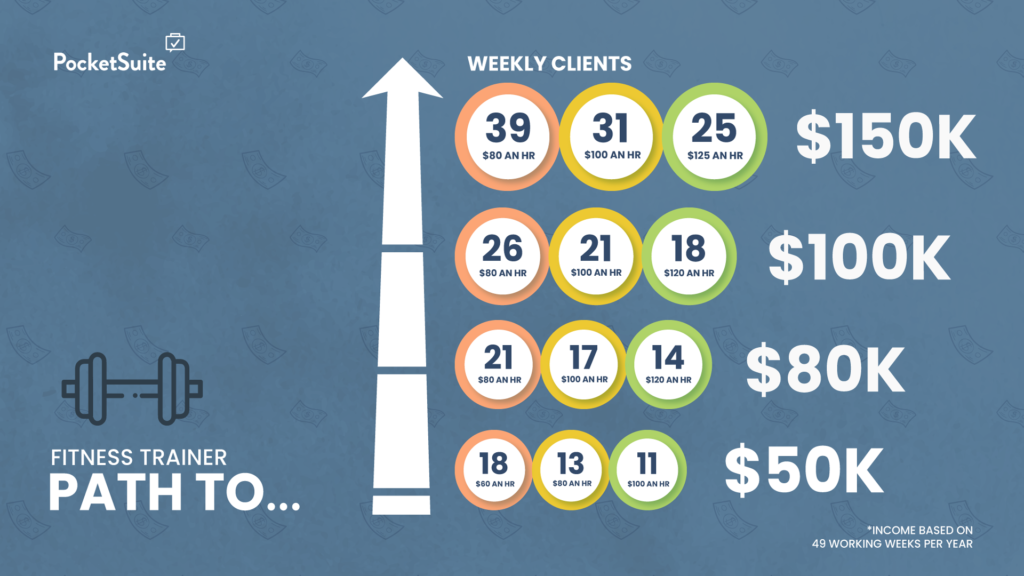
Image Source: pocketsuite.io
Deciphering Fitness Trainer Pay
Let’s look at the numbers for how much fitness trainers get paid. The average fitness trainer income can give you a general idea, but it’s just one part of the story. Many trainers earn more or less depending on their situation.
The median fitness trainer salary is another helpful number. The median is the middle point. It means half of trainers make more than this number, and half make less. This number is often seen as a good reflection of what a typical trainer earns.
Data shows that the average personal trainer salary is often somewhere in the range of $40,000 to $60,000 per year in the United States. But this can swing wildly. Some trainers just starting might make closer to $30,000, while highly skilled and experienced trainers can easily make over $70,000 or even $100,000 a year.
Think of fitness instructor pay like a scale. On the low end are trainers working part-time or those new to the job. In the middle are full-time trainers with some experience working at a gym. On the high end are top trainers who have built a strong reputation, specialize in certain areas, or run their own successful training businesses.
It’s important to remember that these numbers are averages. Your own pay could be very different based on where you are and what you do.
Here is a simple look at how pay can vary:
| Pay Level | Estimated Annual Range | What it Might Mean |
|---|---|---|
| Starting | $30,000 – $40,000 | New trainer, maybe part-time, smaller city |
| Average | $40,000 – $60,000 | Full-time trainer, some experience, working at a gym |
| Experienced | $60,000 – $80,000+ | Several years experience, good clients, perhaps specialized |
| Top Earners | $80,000 – $100,000+ | Highly experienced, specialized, large client base, possibly self-employed or top gym |
These numbers are just estimates. Real pay depends on many factors.
Grasping the Hourly Rate
Many fitness trainers get paid by the hour or by the session. An hourly rate personal trainer might charge clients a certain amount for each hour they spend training them. This is a common way to figure out pay, especially for one-on-one training.
The hourly rate can change a lot. A trainer just starting might charge $25 or $30 an hour. A trainer with years of experience, special skills, and working in a big city might charge $75, $100, or even more per hour.
Why such a big difference in the hourly rate personal trainer charges? Again, it comes down to value. Experienced trainers bring more knowledge. They know how to help clients reach tough goals. They might have training in areas like working with people who have injuries or training athletes. Clients are often willing to pay more for this extra skill and trust.
Also, where the training happens matters. Training at a high-end gym or a private studio usually costs more than training at a smaller, local gym. If a trainer travels to a client’s home, they might charge more to cover travel time and cost.
The hourly rate isn’t just about the money the trainer keeps. If they work for a gym, the gym takes a cut. If they are self-employed, they have costs like insurance, getting certified again, and maybe renting space.
Let’s look at how hourly rates can add up:
- Low Rate: $30/hour
- Training 20 sessions a week: $600/week
- Roughly $31,200/year (before any gym cut or costs)
- Medium Rate: $50/hour
- Training 20 sessions a week: $1000/week
- Roughly $52,000/year
- High Rate: $80/hour
- Training 20 sessions a week: $1600/week
- Roughly $83,200/year
This shows that getting a higher hourly rate is a big way trainers can make more money. But getting more clients and keeping them is just as important. A trainer charging $80 an hour but only training 10 sessions a week makes less than a trainer charging $50 an hour and training 30 sessions a week.
So, while the hourly rate is key, the number of hours worked also heavily impacts the average fitness trainer income.
Comparing Workplaces: Gym vs. Going Solo
Where a fitness trainer works makes a big difference in their pay and how they get paid. The two main paths are working for a gym or health club, or being a self employed personal trainer.
Working at a Gym
Most trainers start by working at a gym. The gym fitness trainer salary structure can vary. Some gyms pay trainers a set hourly wage for their time on the floor or when training clients. Others pay a cut of the money the client pays for the session. For example, if a client pays $60 for a session, the trainer might get $20-$35 of that.
-
Pros of Gym Work:
- Gyms find the clients for you. This is a big help when you are new.
- You often have a set schedule or regular hours.
- Access to equipment and space is provided.
- Sometimes gyms offer benefits like health insurance or paid time off, although this is not always the case for part-time trainers.
- You can learn from other trainers.
-
Cons of Gym Work:
- You earn less per session because the gym takes a cut.
- Your pay might be limited by the gym’s pay scale.
- You might have other duties besides training, like cleaning equipment or signing up new members.
A gym fitness trainer salary tends to be more stable, especially if the gym gives you regular hours or clients. However, the potential for high earnings is often capped by the gym’s pay system.
Being Self-Employed
A self employed personal trainer earnings can be much higher, but it also comes with more risk and work. Self-employed trainers run their own business. They find their own clients, set their own prices, and manage their own schedule.
-
Pros of Being Self-Employed:
- You keep all the money clients pay (after business costs).
- You can set your own hourly rate personal trainer price.
- You have full control over your schedule and who you train.
- Potential to earn much more than working at a gym.
- You build your own brand and reputation.
-
Cons of Being Self-Employed:
- Finding clients is all on you. This takes time and effort.
- You have to pay for your own insurance, equipment, certifications, and maybe rent for space.
- Income can be unsteady. Some months are busy, some are slow.
- No benefits like health insurance or paid vacation unless you pay for them yourself.
- Requires business skills, not just training skills.
Self employed personal trainer earnings have a much higher potential ceiling. The most successful trainers who make top salaries often work for themselves. They might train clients one-on-one, run group classes, offer online coaching, or even create fitness products. However, it takes time, effort, and business smarts to reach that level.
Many trainers start at a gym to gain experience and clients, and then transition to being self-employed later in their career.
Things That Change Your Pay
Many different factors affect how much a fitness trainer makes. It’s not just about being good at helping people exercise. These factors explain why there’s such a big difference between the average fitness trainer income and the top personal trainer salary.
Here are some key factors affecting fitness trainer salary:
- Experience: This is a big one. A trainer with 10 years of experience usually makes more than someone with 6 months. Experience means they’ve worked with many different people, faced various challenges, and know what works. They’ve also had time to build a loyal client base.
- Certifications and Education: Having the right papers matters. A certified personal trainer salary is generally higher than someone without a recognized certification. Top certifications from well-known groups like ACE, NASM, ACSM, or NSCA show that a trainer has met certain standards. Getting more certifications in special areas like corrective exercise, nutrition coaching, or training specific groups (like older adults or athletes) can also boost pay. College degrees in fitness-related fields can also help.
- Location: Where you live and work is very important. Trainers in big cities or wealthy areas usually charge more and make more money than trainers in smaller towns. The cost of living is higher, and people in these areas may have more money to spend on personal training. A personal trainer salary in New York City will likely be higher than one in a rural part of Kansas.
- Specialization: Becoming an expert in a specific area can increase your value and pay. Examples include training for marathons, helping people recover from injuries, working with pregnant clients, or focusing on weight loss with specific nutrition plans. Clients often pay more for a trainer who is an expert in exactly what they need help with.
- Type of Employer: As discussed, working for a big health club, a small private studio, or being self-employed affects pay structure and potential. High-end gyms often pay trainers more, but also might require more experience or certifications.
- Client Base: How many clients a trainer has and how consistent those clients are impacts income. A trainer with a full schedule of regular clients will make more than one struggling to find people to train. Building a good reputation and getting clients through word-of-mouth is key.
- Sales and Business Skills: For trainers who work at gyms, being able to sell training packages is often part of the job and can affect pay or bonuses. For self-employed trainers, business skills like marketing, sales, managing money, and client communication are vital for success and higher earnings.
- Training Format: One-on-one training usually has the highest hourly rate personal trainer can charge per person. However, training small groups or leading fitness classes can sometimes lead to higher overall earnings if you have many people paying a lower price. Online coaching is another format that can expand reach and income potential.
Understanding these factors affecting fitness trainer salary helps explain the wide range in personal trainer salary numbers you see. It’s a career where you have a lot of control over how much you can potentially earn based on the choices you make.
Ways to Make More Money as a Trainer
If you are a fitness trainer looking to increase your average fitness trainer income, there are many steps you can take. It’s not just about waiting for a raise. You can actively work to boost your earnings.
Here are some strategies to increase your personal trainer salary:
- Get More Certifications: Earning more respected and specialized certifications proves your skills and can justify higher rates. Look for certifications in areas with high demand, like corrective exercise, pre/postnatal fitness, or nutrition coaching. This makes you a certified personal trainer with extra skills.
- Gain Experience: The longer you work and the more clients you successfully help, the more valuable you become. Focus on getting results for your clients and building a strong reputation.
- Specialize: Find a niche market you are passionate about and become an expert in it. This can attract a specific type of client willing to pay for specialized knowledge.
- Improve Your Sales and Communication Skills: Whether you work for a gym or yourself, being good at talking to people, understanding their needs, and explaining the value of your services is crucial for getting and keeping clients.
- Raise Your Rates: As you gain experience, certifications, and build results, don’t be afraid to increase your hourly rate personal trainer fee. Research what other trainers in your area with similar skills are charging.
- Train Small Groups or Teach Classes: Group training allows you to train more people at once. While the per-person rate is lower, the total income for that hour can be higher than a one-on-one session. Teaching popular fitness classes (like spinning, yoga, or bootcamps) can also add to your overall fitness instructor pay.
- Offer Online Coaching: This expands your reach beyond your local area. You can offer custom workout plans, video calls, and support through apps. This can be a great way for a self employed personal trainer to reach more clients.
- Create Digital Products: Think about creating workout guides, meal plans, or online courses that clients can buy. This is passive income – you do the work once, and sell it many times.
- Build a Brand: Create a professional website, use social media to share tips and client success stories (with permission), and network with other health pros. This helps you stand out.
- Seek Out Higher-Paying Opportunities: Look for jobs at high-end gyms, corporate wellness programs, or even training professional athletes if you have the right skills.
By actively working on these areas, a fitness trainer can move from making an average fitness trainer income to a significantly higher personal trainer salary. It requires effort, learning, and treating training like a real business.
Looking Ahead at Fitness Jobs
What does the future look like for people who want to be fitness trainers? The fitness trainer job outlook is generally positive. More and more people are interested in health and fitness. They want help getting in shape, losing weight, or training for events.
Official sources like the U.S. Bureau of Labor Statistics predict good growth for jobs like fitness trainers and instructors. The need for trainers is expected to grow faster than the average for all jobs over the next several years.
Why is the fitness trainer job outlook good?
- More Focus on Health: People are more aware that exercise helps prevent diseases and live longer, healthier lives.
- Aging Population: As baby boomers get older, many want to stay active and healthy. They often seek trainers who can help them exercise safely.
- Rising Rates of Obesity: Sadly, obesity rates are high, which leads many people to seek professional help to lose weight and improve their health.
- Company Wellness Programs: More companies are offering fitness programs or gym access to their employees, creating jobs for trainers.
- Growth in Different Fitness Areas: Things like boutique studios, specialized training methods, and online fitness are becoming popular, opening up new types of jobs for trainers.
What does a good job outlook mean for pay? When there is high demand for a job, it can sometimes lead to higher pay, especially for skilled and experienced workers. As the need for trainers grows, those with strong skills, certifications, and good reputations may find it easier to charge higher rates and increase their average fitness trainer income.
However, the field is also competitive. Many people are getting certified. To stand out and earn more, trainers will need to continue learning, specializing, and providing great service.
The positive fitness trainer job outlook means that there will likely be opportunities for new trainers entering the field and for experienced trainers to grow their careers and potentially increase their personal trainer salary.
Comprehending Pay Differences
We’ve looked at average pay, hourly rates, where trainers work, and what affects how much they make. It’s clear that there isn’t just one answer to “How much do fitness trainers make?” The numbers can range from a modest gym fitness trainer salary to high self employed personal trainer earnings.
The difference between a low personal trainer salary and a top personal trainer salary often comes down to value and business savvy.
- Value: Trainers who have more experience, better certifications (making them a certified personal trainer with advanced skills), specialize in sought-after areas, and consistently get results for clients are simply more valuable. Clients are willing to pay more for their expertise and proven track record.
- Business Savvy: Especially for self-employed trainers, knowing how to find clients, market services, manage money, and provide excellent customer service is just as important as knowing exercises. Running a successful fitness business requires business skills alongside training skills.
The average fitness trainer income reflects a mix of all these factors across the country. The median fitness trainer salary gives us a middle ground. But the top earners are those who have maximized many of the positive factors we discussed. They might have multiple high-level certifications, years of experience, a strong specialization, work in a wealthy area, and run a smart business.
It’s a career path with potential, but how much you earn depends heavily on the effort you put into improving your skills, building your business, and understanding the market. The initial hourly rate personal trainer charges can grow significantly over time with smart choices and hard work.
Frequently Asked Questions About Trainer Pay
Here are some common questions people ask about how much fitness trainers make.
h4: Is personal training a well-paying job?
It can be, but it depends on the trainer. The average pay is moderate. Top trainers make very good money. Those just starting or working part-time may not make a lot. It offers the potential for good pay if you are skilled, experienced, and build a strong client base.
h4: Do certified personal trainers make more?
Yes, generally a certified personal trainer salary is higher than someone without a recognized certification. Certifications show you have met professional standards and have specific knowledge, which adds to your value. More advanced or specialized certifications can lead to even higher pay.
h4: How much do gyms pay fitness trainers?
Gym fitness trainer salary varies a lot. Some gyms pay an hourly wage, perhaps $15-$30 per hour. Others pay a percentage of the session cost, maybe 40% to 60% of what the client pays. High-end gyms might pay better or offer a higher percentage.
h4: Can I make a living as a self employed personal trainer?
Absolutely, many trainers make a great living being self-employed. This path often has the highest earning potential, but it also requires strong business skills to find clients, manage finances, and handle all aspects of running a business. Income can be less stable than working for a gym, especially at the start.
h4: Which city pays fitness trainers the most?
Pay tends to be higher in large cities and areas with a high cost of living or wealthier populations. Cities in California, New York, or other major metro areas often have higher average personal trainer salaries compared to smaller towns, although competition can also be higher.
h4: How does specialization affect fitness instructor pay?
Specializing in areas like corrective exercise, specific sports training, or working with certain health conditions can significantly increase fitness instructor pay. Clients often pay a premium for trainers with specific expertise that matches their unique needs.
h4: What is the fitness trainer job outlook like?
The fitness trainer job outlook is positive. The need for trainers is expected to grow faster than average in the coming years. This means there should be good job opportunities for qualified trainers.
h4: Is the hourly rate personal trainer charges the same as what they take home?
No. If working for a gym, the gym takes a percentage. If self-employed, the trainer must pay for business costs like insurance, rent, equipment, and taxes out of their hourly rate before figuring out their take-home pay.
h4: How long does it take to earn a good personal trainer salary?
It takes time to build experience, gain clients, and maybe specialize. While some trainers might earn a decent living relatively quickly, reaching a high average fitness trainer income or top salary often takes several years of hard work, learning, and building a reputation.
h4: Do online fitness trainers make good money?
Yes, online fitness can be very profitable for trainers. It allows them to reach many clients anywhere in the world. Successful online trainers can make significant income through one-on-one coaching, group programs, and digital products, often reaching high self employed personal trainer earnings. However, it requires strong online marketing and communication skills.