Feeling sick to your stomach after working out is a common problem. Why do I feel nausea after exercise? Often, it happens because your body is going through big changes during and right after hard work. Things like blood moving away from your gut, not drinking enough, low sugar, or pushing too hard can make you feel like throwing up.
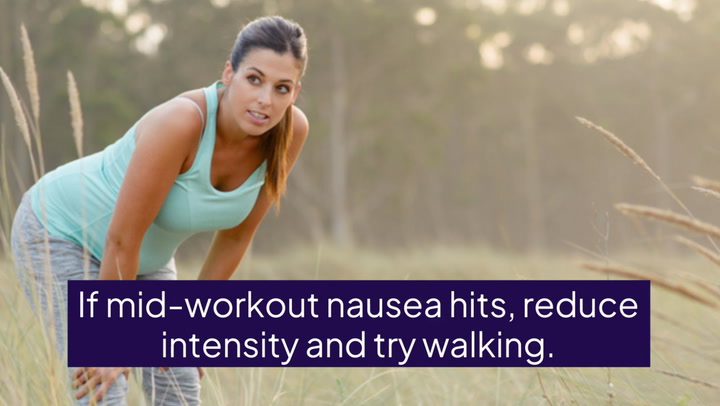
Image Source: cdn.jwplayer.com
Exploring the Causes of Exercise Nausea
Exercise is good for you, but sometimes it makes your stomach feel bad. This sick feeling, or nausea, happens for several reasons. It’s your body reacting to the stress of working out. When you run, lift weights, or do any hard exercise, your body has to work differently.
Blood Flow Shifts: A Key Player
When you exercise, your body sends most of your blood to your muscles and lungs. This is because they need a lot of oxygen and fuel to work hard. This means there is less blood going to your stomach and gut.
- Less Blood to Gut: With less blood, your stomach and intestines don’t work as well. They might not digest things properly. This slowdown can cause an upset stomach.
- Body’s Priority: Your body thinks keeping your muscles moving is more important than digesting food during hard work. This is a natural response, but it can lead to feeling sick.
This shift in blood flow is one big reason for nausea right after stopping exercise, especially if the exercise was very hard.
Hormone Responses: Chemical Signals
Exercise also changes the levels of certain chemicals, or hormones, in your body. Some of these hormones can affect how your stomach and gut feel.
- Stress Hormones: Exercise, especially tough workouts, raises stress hormones like adrenaline. These hormones can slow down digestion even more.
- Gut Hormones: Exercise can also change hormones that control stomach movement and feelings of hunger or sickness.
These hormone changes work with the blood flow shift to make your gut system stressed.
Common Culprits: What’s Happening Inside?
Beyond the basic body reactions, several specific things you do or don’t do can cause nausea after working out.
Lack of Water: Dehydration After Workout
Not drinking enough water before, during, and after exercise is a major cause of feeling sick. When you sweat, you lose water and salt.
- Thick Blood: Not enough water makes your blood thicker. This makes it harder for your heart to pump blood around, including to your muscles and brain.
- Digestion Stops: Dehydration also slows down digestion. Your stomach needs water to process food and move it through.
- Feeling Sick: When your body is low on water, you can feel tired, dizzy, and nauseous. This dehydration after workout is a very common reason people feel ill.
It’s not just about feeling thirsty. By the time you feel thirsty, you might already be starting to get dehydrated. Keeping water levels up is key.
Not Enough Fuel: Low Blood Sugar Symptoms Exercise
Your body uses sugar (glucose) for energy during exercise. If you don’t have enough sugar stored, or if you haven’t eaten properly, your blood sugar can drop too low.
- Brain Needs Sugar: Your brain needs a steady supply of sugar to work right.
- Feeling Bad: When blood sugar is low, you can feel weak, shaky, confused, dizzy, and very nauseous. These are classic low blood sugar symptoms exercise.
- Hitting the Wall: This is often what happens when athletes talk about “hitting the wall” – their fuel runs out, and they feel terrible.
Eating a small, easy-to-digest snack before a long or hard workout can help prevent this.
Pushing Too Hard: Overexertion Nausea
One of the most direct causes of feeling sick is simply doing too much. Overexertion nausea happens when you push your body past its current limits.
- Body Stress: Very high-intensity exercise puts a huge amount of stress on your body systems – your heart, lungs, and muscles work as hard as they can.
- Blood Flow Extreme: The shift of blood away from your gut is most extreme during very intense effort.
- Oxygen Debt: Your body might not get enough oxygen to keep up with the demand, creating an “oxygen debt.”
- Feeling Overwhelmed: All these things together can make your body feel overwhelmed, leading to a strong feeling of nausea or even vomiting.
If you feel exercise intensity sick, it’s a clear sign you need to slow down or stop. Your body is telling you it’s had enough for now. This is especially true when you’re new to exercise or trying a much harder workout than usual.
What You Ate (or Didn’t Eat): Eating Before Exercise Sick Feeling
When you eat and what you eat before exercising matters a lot.
- Eating Too Soon: If you eat a big meal too close to your workout, your stomach will be full and trying to digest. Exercise takes blood away from the stomach. This conflict can easily lead to an eating before exercise sick feeling. The food just sits there, causing discomfort and nausea.
- Eating the Wrong Things: Foods high in fat, protein, or fiber take a long time to digest. Sugary drinks or foods can cause a quick sugar spike followed by a crash. Eating these right before working out can upset your stomach or lead to low blood sugar later.
- Not Eating At All: As mentioned, exercising on an empty stomach can lead to low blood sugar. For some people, it can also make their stomach feel empty and unsettled, causing nausea.
Finding the right time and the right type of food to eat before exercise is a personal thing. It often takes some trying to figure out what works best for you. Upset stomach after running is very common and is often linked to food timing or choices before the run.
Stomach Problems: Acid Reflux During Exercise
Some people have issues like acid reflux or heartburn, where stomach acid comes back up into the tube leading to the mouth (esophagus). Exercise can make this worse.
- Bouncing and Pressure: Activities like running or jumping can cause physical bouncing that pushes stomach acid upwards.
- Core Pressure: Exercises that use your core muscles a lot can put pressure on your stomach.
- Position: Bending over or lying flat can also make reflux happen.
If you often get acid reflux during exercise, the burning feeling can sometimes lead to or be felt alongside nausea. Managing reflux with diet or timing of meals might help.
Beyond the Gut: Other Factors at Play
While many causes relate to your stomach and digestion, other body reactions can also cause you to feel sick after exercise.
Feeling Woozy: Dizziness After Working Out Connection
Feeling lightheaded or dizzy often goes hand-in-hand with nausea. If you feel dizziness after working out, nausea might follow.
- Quick Stop: Stopping hard exercise too quickly can cause blood to pool in your legs instead of returning to your brain. This sudden drop in blood to the brain causes dizziness.
- Dehydration/Low Sugar: Both dehydration and low blood sugar can also make you feel dizzy and nauseous.
- Inner Ear: Very intense or bouncy exercise can sometimes affect your inner ear, which helps with balance, leading to dizziness and motion-like sickness.
Dizziness is a sign that your body is struggling to get enough blood or fuel to your brain, or that your balance system is off. Nausea can be a symptom that comes with this feeling of being unwell.
Heat and Humidity: Environmental Stress
Exercising in hot or humid weather adds another layer of stress to your body.
- More Sweating: You lose more water and salt faster in the heat. This makes dehydration happen quicker.
- Body Overheating: Your body struggles to cool itself down. When your body temperature gets too high, it can cause heat exhaustion.
- Heat Exhaustion Symptoms: Symptoms of heat exhaustion include heavy sweating, a fast pulse, dizziness, weakness, headache, and importantly, nausea.
Exercising in the heat requires even more careful hydration and listening to your body to avoid problems.
Recognizing the Signs and Symptoms
How do you know if you’re just tired or if you’re heading towards exercise-induced nausea? Your body gives you clues.
Telling Symptoms
The main symptom is a feeling of sickness in your stomach, like you might throw up. But it often comes with other signs:
- Feeling queasy or like your stomach is churning.
- Feeling lightheaded or dizzy.
- Sweating more than usual, or suddenly stopping sweating in heat.
- Pale skin.
- Feeling weak or shaky.
- A headache.
- Feeling overly tired or wiped out.
- Sometimes, stomach cramps or pain.
If you feel these things during or after exercise, especially the sick stomach feeling, it’s time to pay attention.
Spotting Post Workout Recovery Issues
Nausea can be part of bigger post workout recovery issues. These issues mean your body isn’t bouncing back well after the effort.
- Extended Fatigue: Feeling extremely tired for a long time after the workout.
- Muscle Soreness: More severe or longer-lasting muscle pain than usual.
- Trouble Sleeping: Difficulty resting well after exercising.
- Lower Performance: Not being able to do as much or lift as much in future workouts.
- Getting Sick Often: Your immune system might be weaker if you’re not recovering well.
Nausea, especially if it happens often, can be a sign that you are pushing your body too hard without enough rest or fuel for recovery. Addressing these post workout recovery issues is important for long-term health and being able to keep exercising.
Stepping Towards Prevention: Practical Tips
Feeling sick after exercise is not something you just have to live with. There are many things you can do to stop it from happening. This is all about how to prevent exercise nausea.
Fueling Smart: Pre-Exercise Eating Tips
What and when you eat before exercise is super important.
- Timing is Key: Aim to eat a main meal 2-3 hours before a hard workout. If you need something closer to the time (like within an hour), choose a small, easy-to-digest snack.
- Choose Simple Carbs: Go for foods that give you energy but are easy on the stomach. Think a banana, a small piece of toast, or some oatmeal. These give you quick fuel.
- Avoid Problem Foods: Stay away from fatty, fried, or very spicy foods right before exercising. Also, be careful with very high-fiber foods or too much protein right before a tough session, as they digest slowly.
- Test It Out: Everyone is different. Try eating different things at different times before your workouts to see what makes your stomach feel best.
A little bit of easily used energy can make a big difference in preventing low blood sugar and an empty, unsettled stomach.
Staying Hydrated: Water is Your Friend
Drinking enough water is maybe the most important step to avoid feeling sick. This helps with dehydration after workout.
- Drink Before: Start drinking water hours before you exercise. Don’t wait until the last minute.
- Drink During: For workouts longer than 30-45 minutes, especially if they are hard or in heat, sip water regularly. Don’t gulp large amounts at once, as this can also upset your stomach. Small, regular sips are better.
- Drink After: Keep drinking water after your workout to replace what you lost sweating.
- Consider Electrolytes: For long, sweaty workouts (over an hour), a sports drink with electrolytes (salts) can be helpful. Electrolytes like sodium help your body hold onto water and are also lost in sweat. Too many sugary sports drinks can cause stomach upset, though, so sip them or water them down.
Being well-hydrated keeps your blood flowing smoothly and helps your body work better overall.
Finding Your Pace: Avoiding Overexertion Nausea
One of the simplest ways to avoid feeling sick is to not push yourself too hard, too fast. This helps prevent overexertion nausea.
- Start Slow: If you are new to exercise or returning after time off, begin with lower intensity and shorter workouts.
- Build Up Gradually: Slowly increase how long and how hard you work out over weeks and months.
- Listen to Your Body: Pay attention to the signals your body is sending. If you feel dizzy, overly tired, or nauseous, ease up.
- Warm-up and Cool-down: Always start with a few minutes of light activity to get your body ready and end with a cool-down to let your body slowly return to normal. This helps regulate blood flow.
It’s better to have a slightly easier workout without feeling sick than to push too hard and feel terrible afterwards. Managing exercise intensity sick feelings means respecting your body’s limits on any given day.
Listen to Your Body: Adjusting Exercise Intensity Sick Feelings
This point is worth repeating. Your body is smart. If it feels wrong, it probably is.
- Pay Attention: Don’t ignore early signs like feeling unusually tired, a bit dizzy, or the first hints of a queasy stomach.
- Adjust: If you notice these signs, slow down, reduce the weight, or take a short break.
- It’s Okay to Stop: On some days, your body might just not be up to the planned workout. It’s okay to cut it short or switch to something easier. Pushing through severe discomfort can lead to worse problems, including strong nausea or even injury.
Tuning into how you feel helps you prevent reaching the point of feeling truly sick from the exercise intensity sick response.
Cooling Down Right: Ending Well
A proper cool-down is more than just stretching. It helps your body switch from high activity back to rest smoothly.
- Gradual Slowdown: Don’t stop moving completely right after hard exercise. Spend 5-10 minutes doing light activity, like easy walking or slow cycling.
- Allows Blood Flow to Adjust: This helps your blood flow gradually move back towards your core and gut, preventing blood from pooling in your limbs.
- Prevents Dizziness: A cool-down helps prevent the sudden drop in blood pressure that can cause dizziness after working out. Since dizziness and nausea are linked, this can also help prevent feeling sick.
Skipping the cool-down increases the chance of feeling dizzy and nauseous as your body tries to recover too quickly.
Specific Tips for Running: Avoiding Upset Stomach After Running
Running is especially known for causing stomach issues. The bouncing motion and stress on the body can trigger problems.
- Test Food and Drink: Figure out what fuel and hydration work best for you during runs. Gels, chews, or different sports drinks might affect people differently. Practice using them during training, not just on race day.
- Avoid High Fiber/Fat Right Before: Especially for long runs, avoid foods that are hard to digest in the hours before.
- Proper Hydration During the Run: For runs over 45-60 minutes, taking small sips of water or sports drink during the run is crucial for preventing dehydration and stomach problems.
- Be Mindful of Intensity: Don’t start too fast. Easing into your running pace can help your stomach adjust.
- Consider Your Gearing: Tight clothing around the stomach might make things worse for some people.
- Listen to Your Gut: If you feel cramps or nausea starting during a run, slow down or take a walking break.
Preventing an upset stomach after running often involves dialing in your fueling and hydration strategy specific to running’s demands.
Strategies for How to Prevent Exercise Nausea (Summary)
Putting it all together, here’s a quick list of actions to take:
- Drink enough water before, during, and after exercise (Dehydration after workout).
- Eat a small, easily digested snack if exercising hard or long, especially if prone to low blood sugar symptoms exercise.
- Avoid large meals or hard-to-digest foods 2-3 hours before working out (Eating before exercise sick feeling).
- Start exercise slowly and build intensity gradually.
- Don’t push yourself past your current limits (Overexertion nausea, Exercise intensity sick).
- Pay attention to how your body feels and adjust intensity or stop if needed.
- Do a proper cool-down after exercise to prevent dizziness after working out.
- If prone to acid reflux during exercise, avoid trigger foods before workouts and manage symptoms.
- Be extra careful with hydration and intensity when exercising in heat.
- For specific activities like running, fine-tune your pre- and during-exercise fueling (Upset stomach after running).
- Focus on good overall post workout recovery issues prevention through rest and nutrition.
By following these steps, you greatly reduce the chances of feeling sick after your workout.
When to Seek Help: Don’t Ignore Your Body
Most of the time, exercise nausea is harmless and goes away with rest and fluids. But sometimes, it can be a sign of something more serious or a problem that needs a doctor’s help.
Signs You Need a Doctor
You should talk to a doctor if:
- Nausea after exercise happens very often, even when you follow prevention tips.
- The nausea is very severe or you are frequently vomiting.
- You have chest pain, severe dizziness that doesn’t go away, or feel like you might pass out.
- You have severe pain in your stomach.
- You have other worrying symptoms like a very fast heart rate that doesn’t slow down, trouble breathing, or confusion.
- You suspect you have heatstroke (high body temperature, hot dry skin, confusion – this is an emergency!).
- You have known health problems (like heart issues, diabetes, or severe reflux) that might be made worse by exercise.
While exercise nausea is often just a sign you pushed too hard or didn’t fuel right, listen to your body. If something feels seriously wrong or keeps happening despite your best efforts, get medical advice.
Grasping Post-Workout Care for Fewer Problems
Good care after exercise is just as important as preparing before and managing during. This helps your body recover and reduces the chance of problems like nausea. This is about post workout recovery issues.
Refueling and Rehydrating
Right after a workout, your body needs to start replacing what it lost and repairing muscles.
- Drink More Water: Continue to sip water in the hours after your workout. Don’t wait until you’re thirsty again.
- Eat a Recovery Snack/Meal: Within an hour or two after a hard workout, try to eat a meal or snack that has both carbohydrates (to refill energy stores) and protein (to help muscles repair). Examples: chicken and rice, Greek yogurt with fruit, a turkey sandwich, a recovery shake.
- Go Easy at First: If you felt nauseous, start with small sips of water or a sports drink and very plain foods like crackers or toast. Wait until your stomach feels settled before eating a larger meal.
Proper refueling and rehydrating are key parts of preventing future post workout recovery issues, including feeling sick.
Rest and Recovery
Your muscles don’t get stronger during the workout; they get stronger when you rest afterwards.
- Give Your Body Time: Allow enough rest between hard workout days.
- Get Enough Sleep: Sleep is crucial for muscle repair and overall body recovery.
- Listen to Fatigue: If you feel constantly drained, you might not be recovering enough. This can contribute to feeling unwell during or after exercise.
Poor recovery makes you more likely to experience negative effects from exercise, including nausea.
Addressing Post Workout Recovery Issues Directly
If you find yourself frequently battling fatigue, soreness, and nausea after workouts, it’s time to look at your overall recovery plan.
- Are you eating enough total calories?
- Are you getting enough protein throughout the day?
- Are you sleeping 7-9 hours a night?
- Are you taking enough rest days?
- Is your training program too demanding for your current fitness level?
Solving post workout recovery issues involves looking at your whole lifestyle around exercise, not just the workout itself. Improving recovery helps your body handle exercise better and reduces the likelihood of unpleasant side effects like nausea.
Summing Up: Exercise Without the Sick Feeling
Feeling nauseous after exercise is a clear sign that your body is under stress. It’s often caused by simple things like not enough water (dehydration after workout), low energy stores (low blood sugar symptoms exercise), or pushing too hard (overexertion nausea, exercise intensity sick). What you eat before (eating before exercise sick feeling) and stomach issues like acid reflux during exercise can also play a role. Other factors like dizziness after working out or heat can contribute.
The good news is that for most people, this sick feeling can be prevented. By paying attention to hydration, fueling your body correctly and at the right time, starting exercise slowly, listening to your body’s signals, and ensuring good post workout recovery issues are addressed, you can greatly reduce or stop exercise-induced nausea.
If nausea is severe, happens often, or comes with other worrying symptoms, it’s important to see a doctor to rule out any other health reasons.
Exercise should make you feel good, not sick. By making simple changes to how you prepare for and recover from your workouts, you can enjoy the benefits of being active without the unpleasant side effect of nausea. Remember the tips on how to prevent exercise nausea and make them part of your routine.
Frequently Asked Questions (FAQ)
h4> Can I eat right before I work out?
It’s generally not a good idea to eat a large meal right before hard exercise. Give yourself 2-3 hours after a main meal. If you need a boost closer to your workout (within an hour), have a small, easy-to-digest snack like half a banana or a few crackers. This helps prevent an eating before exercise sick feeling.
h4> What should I drink if I feel nauseous after exercise?
Sip plain water or a sports drink (diluted if needed) slowly. Avoid sugary sodas, juice, or milk right away. Electrolyte drinks can help replace salts lost through sweat if dehydration after workout is the cause.
h4> Is it bad if I feel dizzy after working out?
Feeling dizzy occasionally, especially after stopping suddenly, can happen because of blood flow changes. Doing a proper cool-down helps prevent this dizziness after working out. However, if dizziness is severe, lasts a long time, or happens often, it’s a good idea to talk to a doctor.
h4> Could low blood sugar be why I feel sick?
Yes, absolutely. Low blood sugar symptoms exercise include feeling shaky, weak, dizzy, and nauseous. Eating a small amount of carbohydrates before exercise, especially longer or harder sessions, can help keep your blood sugar stable.
h4> Does running make you more nauseous than other exercises?
Some people find that the bouncing motion of running can increase the chance of upset stomach after running compared to smoother activities like cycling or swimming. Blood flow shifts are also very pronounced during intense running. Proper fueling and hydration are especially important for runners.
h4> How long does exercise nausea usually last?
Most exercise-induced nausea is temporary. It usually gets better within a few minutes to an hour after you stop exercising, rest, cool down, and slowly rehydrate. If it lasts much longer, it could point to more significant dehydration, low blood sugar, or another issue, and you should pay close attention to your recovery and other symptoms.