Image Source: www.ymcamidtn.org
The Truth: How Long To Wait After Eating To Exercise
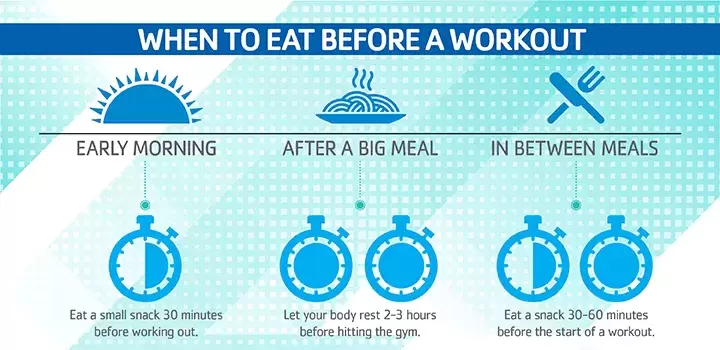
So, how long do you really need to wait after eating before you work out? The simple answer is: it depends, but generally, waiting at least 1-3 hours after a main meal is a good rule of thumb. For a light snack, 30 minutes to an hour might be enough. Exercising right after eating can cause discomfort and hurt your performance because your body is busy digesting food. Getting the timing right between eating and exercise helps your body use food for energy without digestive problems.
Grasping Digestion Time Before Exercise
When you eat, your body starts a big job: breaking down food into energy and nutrients. This process is called digestion. Your stomach and intestines need blood flow to do this work. Exercise also needs blood flow, but it sends it mostly to your muscles. These two needs compete.
Digestion takes time. How long depends on what you ate. A small snack passes through quicker than a big meal. When you work out too soon after eating, your body struggles to manage both tasks well. This can lead to problems like feeling sick or having cramps. Knowing about digestion time before exercise helps you plan your workouts better.
Interpreting What Happens When You Eat
Let’s break down what happens in your body after you eat.
* Food goes into your stomach.
* The stomach mixes food with acids and enzymes. This breaks it down.
* Then, food moves to the small intestine. Here, nutrients get absorbed into your blood.
* What’s left goes to the large intestine, then leaves the body as waste.
This whole journey needs energy and blood flow. Your body focuses on the digestive system.
Examining the Conflict with Exercise
When you start exercising, your muscles need fuel and oxygen. Your body responds by sending more blood to your muscles and lungs. If this happens while your stomach and intestines are full and busy digesting, there’s not enough blood to go around efficiently.
This competition for blood flow is why exercising right after eating can feel bad. Your digestive system slows down because blood is being sent to your muscles. Food stays in your stomach longer. Meanwhile, your working muscles might not get all the blood they need for peak performance.
Deciphering Factors That Change Digestion Time
There is no single answer for how long digest food exercise should wait. Many things change how fast your body processes food.
Size of the Meal
- Light snack before exercise: Something small like a piece of fruit or a handful of nuts digests quickly. You might only need to wait 30 minutes to an hour.
- Heavy meal before exercise: A large meal with lots of fat, protein, and fiber takes much longer. You might need to wait 3-4 hours or even longer. Your body has a lot more work to do.
What You Ate (Meal Composition)
- Carbohydrates: Simple carbs (like white bread, fruit) digest faster than complex carbs (like whole grains, vegetables). They are often good for quick energy before a workout.
- Protein: Protein takes longer to digest than carbs.
- Fats: Fats are the slowest to digest. A meal high in fat will stay in your stomach for a long time. Eating a lot of fat right before working out is often a bad idea.
- Fiber: Fiber is good for you, but it slows down digestion. High-fiber meals need more waiting time.
How Much You Drank
Liquids pass through the stomach much faster than solid food. Staying hydrated is important, but drinking large amounts right before intense exercise can still cause sloshing or discomfort.
Your Own Body
Everyone is different. Some people digest food faster than others. Your age, metabolism, and general health all play a role. Stress can also affect digestion speed.
Type of Exercise
The kind of workout you plan also matters for your workout timing after meal.
* Low-intensity exercise: A gentle walk or light cycling might be okay sooner after eating than intense activity.
* High-intensity exercise: Running fast, heavy lifting, or intense sports need more blood flow to muscles and are more likely to cause problems if your stomach is full. High-impact activities (like running, jumping) can make a full stomach feel worse because of the bouncing.
Identifying Risks of Exercising Too Soon
Ignoring the need for digestion time before exercise can lead to several problems.
* Stomach cramps or pain: This is very common. Your stomach muscles are working on digestion, while your core muscles are working for exercise. The conflict can cause painful cramps.
* Nausea or vomiting: If digestion slows down too much and your stomach is still full, you can feel sick. Hard exercise can make this worse.
* Acid reflux or heartburn: Food and stomach acid can come back up into your throat, causing a burning feeling.
* Feeling sluggish or heavy: A full stomach doesn’t feel good when you’re trying to move quickly or freely.
* Poor performance: Your body isn’t focused only on the exercise. You might feel weaker, have less energy, or find it harder to keep going. Your speed and endurance can suffer.
* Bowel urgency: For some people, exercising with food in the system can lead to needing to use the restroom urgently during the workout.
These issues show why exercising right after eating is often not a good idea, especially for moderate to intense workouts.
Establishing General Timing Guidelines
Based on how different foods digest, here are some common timing guidelines for when to exercise after eating. These are just starting points; listen to your own body.
After a Heavy Meal
A meal with significant amounts of protein, fat, and complex carbs (like dinner or a large lunch).
* Recommended Wait Time: 3 to 4 hours.
* Reasoning: This gives your body plenty of time to move the food out of your stomach and absorb nutrients in the small intestine. Blood flow can then be directed more easily to your muscles without causing major digestive upset. This timeframe is crucial for a heavy meal before exercise.
After a Standard Meal
A balanced meal with a mix of carbs, protein, and a moderate amount of fat (like a typical lunch or dinner portion).
* Recommended Wait Time: 2 to 3 hours.
* Reasoning: Most of the food will have left the stomach by this time. Your body is still processing, but the intense phase of stomach digestion is over. This is often seen as the best time workout after eating a regular meal.
After a Small Meal
A light meal focused on easily digestible carbs and some protein (like a sandwich or a small bowl of pasta).
* Recommended Wait Time: 1 to 2 hours.
* Reasoning: Less food means less work for the stomach. The food moves through quicker, allowing you to exercise sooner.
After a Light Snack
Something small and easy to digest, mostly carbs (like a banana, a few crackers, or a small energy bar).
* Recommended Wait Time: 30 minutes to 1 hour.
* Reasoning: These snacks provide quick energy without putting a heavy load on your digestive system. This is often fine for a light snack before exercise.
After Liquid Nutrition
A smoothie, protein shake, or sports drink.
* Recommended Wait Time: 15 to 30 minutes.
* Reasoning: Liquids empty from the stomach very quickly.
These are general rules for eating before exercise timing. Your experience might be different. Some people can tolerate working out sooner, others need longer.
Developing Your Pre-Workout Meal Strategy
Planning your pre-workout meal timing is important for energy and comfort. The goal is to have energy available when you need it without having a full stomach.
What Makes a Good Pre-Workout Meal?
- Easy to Digest: Choose foods that don’t sit heavily in your stomach.
- Good Source of Carbs: Carbohydrates are your body’s main fuel source during exercise. They provide quick energy.
- Moderate Protein: Some protein is good, but too much right before can slow you down.
- Low in Fat and Fiber: These slow digestion the most and are best avoided in large amounts right before exercise, especially intense exercise.
Examples by Timing
- 3-4 Hours Before: A full, balanced meal like chicken or fish with rice and vegetables. This fits the timeframe for a heavy meal before exercise if it’s a large portion.
- 2-3 Hours Before: A standard meal like a turkey sandwich on whole-wheat bread with a side salad. This fits the timeframe for a standard meal.
- 1-2 Hours Before: A smaller meal or larger snack like oatmeal with berries, a yogurt parfait, or a piece of toast with peanut butter. This aligns with small meal timing.
- 30-60 Minutes Before: A light snack before exercise like a banana, an energy bar (check ingredients for low fiber/fat), rice cakes, or a small handful of dried fruit. This is perfect for quick fuel.
- 15-30 Minutes Before: A sports drink, juice, or a few energy chews.
Choosing the right pre-workout meal timing helps ensure you have fuel in your system without feeling weighed down. This affects how long you can sustain effort and how strong you feel.
Grasping Why Timing Matters for Performance
Proper workout timing after meal doesn’t just prevent problems; it can boost your performance.
* Energy Availability: When you wait, your body has processed the food and absorbed the nutrients. Carbs are broken down into glucose, which is then available in your bloodstream or stored as glycogen in your muscles and liver, ready for use as fuel. If you exercise too soon, the energy from the food is still tied up in the digestive system.
* Reduced Discomfort: By waiting until food has moved out of the stomach, you avoid cramps, nausea, and the heavy feeling. This allows you to focus fully on your workout and push harder.
* Optimal Blood Flow: Waiting ensures blood flow can be efficiently directed to your working muscles, delivering oxygen and nutrients needed for energy production and muscle function.
The best time workout after eating is when the food has done its job of providing fuel but hasn’t yet caused discomfort from being in your stomach or intestines.
Interpreting Your Body’s Signals
The guidelines provided are general. The absolute truth about how long digest food exercise requires you to listen to your own body.
* Pay Attention: How do you feel when you try to exercise after different meals and waiting times? Do you get cramps? Feel tired? Feel great?
* Experiment: Try waiting different amounts of time after similar meals and see what works best for you.
* Consider Intensity: Remember that intense exercise needs a longer waiting period than easy exercise.
* Digestive Health: If you have digestive issues, you might need to wait longer or be more careful about what you eat before working out.
Your individual digestion speed before exercise is unique. Learn what works best for you through trial and error.
Deciphering Timing for Different Workout Types
Not all workouts are the same. The optimal exercise timing meal might differ based on your activity.
Running
High-impact and often higher intensity. Can cause bouncing and significant blood flow redirection.
* Needs more waiting time, especially after larger meals.
* A heavy meal before exercise is particularly risky for runners.
* Light snacks 30-60 mins before can be okay for shorter runs.
* Longer runs might benefit from easily digestible carbs closer to the start, but not a full stomach.
Weightlifting
Often involves bracing the core and can be intense, but less rhythmic bouncing than running.
* Still needs sufficient waiting time after meals to avoid nausea or feeling heavy during lifts.
* Protein timing around resistance training is important, but the main meal timing before is still key for comfort and energy.
* A small, easily digestible carb snack 30-60 mins before can provide energy for heavy lifts.
Swimming
Exercising horizontally can sometimes feel less comfortable on a full stomach for some people.
* Avoid large meals right before swimming.
* Digestive issues can be particularly bothersome in the water.
* Follow general waiting times based on meal size.
Cycling
Less impact than running, but intensity can vary.
* Can often tolerate food a little closer to the start than running, especially for lower intensities.
* Still need to avoid heavy meals causing discomfort, especially on long rides where digestion issues can become worse over time.
* Proper eating before exercise timing is crucial for fueling long rides without stomach problems.
Yoga or Pilates
Often lower intensity, but some poses can put pressure on the stomach area.
* Heavy meals right before can be uncomfortable, especially with twists and inversions.
* A light snack might be okay closer to the session.
* Main meal timing before depends on your personal comfort with the movements on a partially full stomach.
Considering the demands of your specific workout helps you decide on the best time workout after eating.
Compiling a Table of Typical Waiting Times
Here’s a simple table summarizing the general guidelines for eating before exercise timing:
| Meal Type | Example Foods | Suggested Waiting Time | Purpose |
|---|---|---|---|
| Heavy Meal | Steak, potatoes, gravy; Large pasta dish with cream sauce | 3-4+ hours | Allow full digestion of complex foods |
| Standard Meal | Chicken breast, rice, steamed veggies; Sandwich & salad | 2-3 hours | Allow most food to leave stomach |
| Small Meal / Larger Snack | Oatmeal; Yogurt with fruit; Toast with peanut butter | 1-2 hours | Provide energy without heavy stomach |
| Light Snack before exercise | Banana; Energy bar; Rice cakes; Apple | 30-60 minutes | Quick energy boost |
| Liquid Nutrition | Sports drink; Smoothie; Juice; Protein shake | 15-30 minutes | Hydration and quick carbs/protein |
This table provides a quick reference for how long to wait after eating to exercise, linking meal type to digestion time before exercise. Remember these are estimates; adjust based on your own experience and the intensity of your workout.
Fathoming Pre-Workout Hydration
While food timing is key, don’t forget about drinks. Water passes through the stomach faster than food, but drinking large amounts right before or during intense exercise can cause sloshing, bloating, or nausea.
- Hydrate well throughout the day.
- Drink water in the hour or two before your workout.
- Sip fluids during your workout as needed, rather than gulping large amounts.
- Sports drinks (with carbs and electrolytes) can be good for workouts lasting longer than an hour, consumed during the exercise or right before (within 30 mins).
Proper hydration supports digestion and performance, but like food, timing and amount matter.
Reflecting on Post-Workout Eating
While the focus is on eating before exercise timing, what you eat after is also important for recovery.
* After exercise, your muscles are ready to absorb nutrients to repair and rebuild.
* A meal or snack with carbs and protein within a couple of hours after your workout is generally recommended.
* Unlike pre-workout, speed of digestion isn’t as critical immediately post-workout, but choosing nutritious foods helps recovery.
Understanding the role of both pre- and post-workout nutrition gives you a complete picture for fueling your fitness. The optimal exercise timing meal includes planning for recovery too.
Navigating Individual Differences
It’s worth repeating: everyone is different.
* Some people have “iron stomachs” and can tolerate eating closer to a workout.
* Others have sensitive systems and need much longer waiting times.
* Metabolism, age, the type of food, and even stress levels that day can affect digestion.
Don’t just copy what someone else does. Use the general guidelines for how long digest food exercise as a starting point, then adjust based on your own body’s signals. Pay attention to how you feel during and after your workout based on when and what you ate.
Integrating LSI Keywords for Clarity
Let’s make sure we’ve touched on all the key ideas related to how long to wait after eating to exercise.
* Digestion time before exercise: This is the core concept – how long your body takes to process food before you start working out.
* Exercising right after eating: We discussed the problems and discomfort this can cause due to the conflict between digestion and muscle activity.
* Pre-workout meal timing: We looked at strategic times to eat different types of meals or snacks before exercise to maximize energy and minimize discomfort.
* Best time workout after eating: This isn’t a single time, but rather finding the optimal window based on meal size, composition, and individual factors.
* Eating before exercise timing: We provided specific guidelines for how long to wait after different types of food intake.
* How long digest food exercise: We explored the factors that influence this timeframe, emphasizing that it’s not a fixed duration.
* Workout timing after meal: We examined how to time your exercise session relative to your food intake.
* Light snack before exercise: We identified this as an option for quick energy with a shorter waiting time (30-60 minutes).
* Heavy meal before exercise: We highlighted the need for a much longer waiting period (3-4+ hours) after a large or rich meal.
* Optimal exercise timing meal: This is the point where your body has energy available from the food but is not burdened by active digestion in the stomach, allowing for best performance and comfort.
By considering all these aspects, you can find the truth about how long to wait after eating to exercise for you.
Planning Your Fueling Strategy
To make this practical, think about your typical day and workout schedule.
1. When do you usually work out? Morning, lunch break, evening?
2. When do you usually eat your main meals?
3. How long is your workout? How intense will it be?
Based on these questions, you can plan backward.
-
Example: You plan a hard run at 6:00 PM. You have dinner at 5:00 PM. A heavy meal before exercise (like a big dinner) requires 3-4 hours waiting. Eating a full dinner at 5:00 PM means you’d need to wait until 8:00-9:00 PM to run comfortably. This doesn’t work with your schedule.
- Solution: Eat your main dinner earlier (e.g., 3:00 PM) or have a standard meal at lunch (e.g., 1:00 PM) and just a light snack before exercise (like a banana) around 5:00 PM. This gives you energy for the run without a full stomach.
-
Example: You like to go to the gym right after work at 5:30 PM. You finish lunch around 12:30 PM. This gives you about 5 hours between your standard meal and your workout. This is well within the recommended 2-3 hour window for a standard meal, providing good energy availability.
- Solution: This timing works well. If you need a little extra boost for a hard session, a light snack before exercise around 5:00 PM might be beneficial.
Thinking through your workout timing after meal helps you avoid problems and ensure you’re fueled effectively.
Frequently Asked Questions (FAQ)
H5 Is it ever okay to exercise immediately after eating?
Generally, no, especially not moderate to intense exercise. Your body needs time to start digesting. Exercising right after eating will likely lead to discomfort like cramps, nausea, and poor performance because blood is needed for both digestion and muscles at the same time. For very light activity like a slow, short walk, it might be okay, but it’s usually better to wait at least 30 minutes even then.
H5 What should I do if I feel sick or cramped during exercise after eating?
Stop or significantly slow down your exercise. Try walking slowly or resting. Sip water if you can tolerate it. If the feeling doesn’t go away or gets worse, consider stopping the workout for the day. This is a sign you likely didn’t allow enough digestion time before exercise or ate something that didn’t agree with you.
H5 What kind of snack is best if I only have 30 minutes before a workout?
Choose something small and easy to digest that is high in simple carbohydrates. Examples include half a banana, a few dates, a small handful of pretzels or crackers, or a small energy chew. Avoid foods high in fat, protein, or fiber right before a workout when time is short. This is the perfect use case for a light snack before exercise.
H5 Does drinking coffee count as eating before exercise timing?
Coffee itself (without milk, cream, or sugar) is a liquid and passes through the stomach quickly. The caffeine can even boost performance. However, for some people, coffee can stimulate the digestive system or cause stomach upset. Listen to how your body reacts to coffee before a workout. If you add milk and sugar, it adds substances that need digestion, requiring a short waiting period (perhaps 30 minutes).
H5 I feel hungry before my workout but don’t have much time. What’s the best thing to eat?
If you’re hungry and have less than an hour, a light snack before exercise is your best bet. Again, focus on quick carbs like fruit or a small energy bar. This provides needed energy without causing the digestive upset of a larger meal or snack.
H5 How does digestion time affect endurance exercise compared to strength training?
Both benefit from proper timing. For endurance (running, cycling, etc.), digestive issues can be really limiting over a long period, and having readily available carbs is crucial. For strength training, feeling heavy or nauseous can interfere with lifting form and intensity. While fueling during very long endurance events is common and needs careful planning, the initial pre-workout timing principles for heavy meal before exercise and light snack before exercise still apply before starting the activity.
H5 Is it better to work out fasted or wait after eating?
Working out fasted (especially first thing in the morning) works well for some people and for certain types of exercise (like low-intensity cardio). It avoids any digestion issues. However, for higher intensity or longer duration workouts, having some fuel from food beforehand can significantly improve performance and energy levels. The “best” approach depends on your goals, the workout type, and how your body feels. The question isn’t just how long to wait after eating to exercise, but also whether you need to eat first at all.
Final Thoughts on Workout Timing After Meal
Finding the optimal exercise timing meal is a personal journey. While general rules provide a solid starting point (like waiting 2-3 hours after a standard meal or 3-4 hours after a heavy meal before exercise), your body is the ultimate guide. Pay attention to what you eat, when you eat it, and how you feel during your workouts. Adjust your eating before exercise timing based on your own experiences. By respecting your digestion time before exercise, you can fuel your body effectively, avoid discomfort, and perform at your best. Getting this timing right is a simple step that can make a big difference in your fitness routine.