How often should you exercise each week? Most health experts suggest aiming for about 150 minutes of easy to medium effort exercise or 75 minutes of hard effort exercise every week. You should also try to do muscle-making activities two or more days a week. But the best answer for you depends on what you want to achieve, how fit you are now, and what your body can handle.
Working out helps your body and mind in many ways. It makes your heart strong, helps you manage your weight, lifts your mood, and can help you sleep better. But knowing just how often to move your body can feel tricky. Let’s break down how to figure out your own weekly plan.
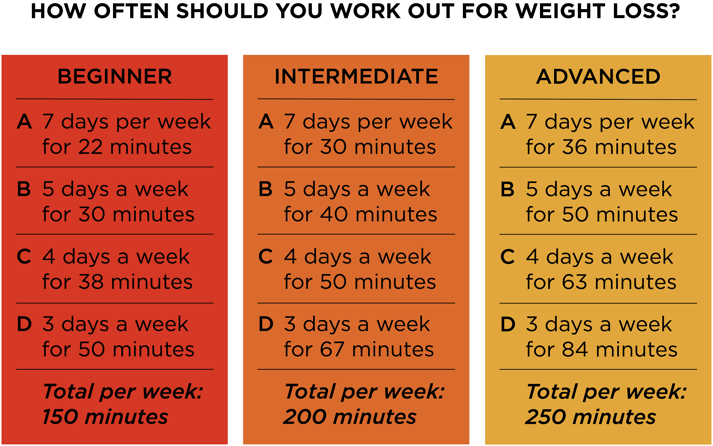
Image Source: www.chicagoathleticclubs.com
What the Health Rules Say About Moving
Big health groups like the World Health Organization and the American Heart Association have ideas about how much we should move. These are often called physical activity guidelines. They give us a good starting point for figuring out weekly exercise guidelines.
Most grown-ups should aim for these goals each week:
- Easy to Medium Effort: Do at least 150 minutes of activity where your heart beats faster, but you can still talk. Think of a fast walk or riding a bike on flat ground. This is moderate-intensity exercise.
- Hard Effort: Or, do at least 75 minutes of activity where your heart beats very fast, and it’s hard to talk. Think of running or swimming fast. This is vigorous-intensity exercise.
- Muscle Power: Do activities that make your muscles stronger at least two days a week. This could be lifting weights, using your body weight (like push-ups), or using resistance bands.
You can mix easy/medium and hard effort exercise. For example, 1 minute of hard effort counts the same as 2 minutes of easy/medium effort.
These exercise frequency recommendations are general ideas. They are meant to help most people get the basic health benefits of moving.
Putting Exercise Minutes to Work
How can you fit 150 minutes of easy/medium effort exercise into your week? Or 75 minutes of hard effort? You can spread it out.
You could do:
- 30 minutes of fast walking five days a week. (5 x 30 = 150 minutes)
- 25 minutes of running three days a week. (3 x 25 = 75 minutes)
- Mix it up! Maybe 20 minutes of fast walking two days, and 15 minutes of running two days. (2 x 20 = 40 easy/medium + 2 x 15 = 30 hard. 40 + (30 x 2) = 40 + 60 = 100 total easy/medium minutes)
The main thing is to reach the total time each week. Even short bursts of movement count. A 10-minute fast walk is better than sitting still.
Types of Exercise and How Often to Do Them
There are different ways to move your body, and each might be done a different number of times a week.
Cardio: Getting Your Heart Pumping
Cardio, or aerobic exercise, is any activity that makes your heart and lungs work harder. This includes running, swimming, cycling, dancing, or playing sports like basketball.
Cardio frequency depends on how long you do it and how hard you work (this is exercise intensity and exercise duration).
- If you do easy/medium effort cardio for 30 minutes, you might aim for 5 days a week.
- If you do hard effort cardio for 25 minutes, you might aim for 3 days a week.
Some people like doing shorter bursts of intense cardio, like High-Intensity Interval Training (HIIT). This is when you work very, very hard for short times, rest, and repeat. Because it’s so hard, you usually don’t need to do it as often. Maybe 2-3 times a week is enough, especially if you are just starting or doing other kinds of exercise too.
It’s important not to do hard cardio every single day. Your body needs time to get stronger and heal.
Strength Training: Making Muscles Strong
Strength training is about building muscle power. This is key for daily life, bone health, and helping your body burn more energy.
Strength training frequency usually looks different from cardio. Your muscles need time to fix themselves after a workout. When you lift weights or do exercises that work your muscles hard, you make tiny tears in the muscle fibers. During rest, these fibers repair and grow stronger.
Because of this, it’s generally best to work each muscle group 2-3 times per week. You need at least one day of rest between working the same muscles hard.
For example:
- You could work your whole body (legs, arms, chest, back, stomach) two times a week.
- You could split your workouts: Work your upper body one day, lower body the next, rest, then do upper body again, lower body again, and rest. This might mean 4 strength training days a week, but you’re not working the same muscles on back-to-back days.
The most common strength training frequency is often 2-3 days per week, focusing on the whole body or different body parts.
Other Types of Movement
Don’t forget other ways to move!
- Flexibility and Balance: Activities like yoga or stretching help you move better and prevent hurts. You can do these most days of the week.
- Daily Movement: Just moving more throughout the day counts! Take the stairs, walk more, clean your house. These add up and support your main workouts.
What Changes Your Exercise Days?
There is no magic number for workout days per week that works for everyone. Many things can change how often you should move your body.
Your Goals
What do you want to get from exercising?
- Better Health: Following the basic physical activity guidelines (150 mins easy/medium cardio, 2 days strength) is great for general health. This might mean 3-5 days of planned exercise.
- Lose Weight: You likely need to move more than the basic guidelines. This might mean more frequent cardio or longer sessions, perhaps 5-6 days a week, plus strength training.
- Build Muscle: You need regular strength training (2-4 days a week) and enough rest and food. Cardio is also important, but maybe less often than someone focused on weight loss.
- Train for an Event (like a race): Your plan will be very specific and likely include many days of training, varying intensity and duration. This is a more advanced goal.
- Reduce Stress/Improve Mood: Regular, perhaps moderate, exercise several days a week can help. Find activities you enjoy.
How Fit You Are Now
Someone just starting out cannot jump into working out 6 days a week at high intensity.
- If you are new to exercise, start slow. Maybe 2-3 days a week of easy to medium movement and one day of simple strength moves. This is your workout plan for beginners.
- As you get fitter, you can slowly add more days, more time, or harder effort.
Starting too fast is a common mistake and can lead to getting hurt or feeling burned out.
Your Age
Older adults benefit hugely from exercise. The general guidelines are similar, but the type and intensity might change. Focus on balance, moves that help you do daily tasks, and strength to keep muscles and bones strong. It’s often best to start slow and maybe with help from a doctor or trainer.
Young people and kids need lots of activity too, often more than adults.
Your Health
If you have any health problems (like heart issues, diabetes, joint pain), talk to a doctor before starting a new exercise plan. They can help you find safe ways to move and figure out the right frequency for you. Some conditions might mean you need more rest or different types of exercise.
How Much Time You Have
Real life matters! Can you really fit in 6 workouts a week with your job, family, and other things? Be honest with yourself. A plan you can stick to is better than a perfect-sounding plan you can’t do. Even 3-4 days a week of good exercise can make a big difference.
Planning Your Workout Days Per Week
Let’s look at some simple examples of how you might spread out your workout days per week. Remember, these are just ideas.
H5 A Basic Plan for Health (Maybe 3-4 days a week)
This plan aims to meet the minimum physical activity guidelines for general health.
- Day 1: Easy/Medium Cardio (30 mins) – Like a brisk walk.
- Day 2: Strength Training (Full Body, 30-45 mins) – Work all main muscle groups.
- Day 3: Rest or Light Activity (Stretching, slow walk)
- Day 4: Easy/Medium Cardio (30 mins)
- Day 5: Strength Training (Full Body, 30-45 mins)
- Day 6: Rest or Light Activity
-
Day 7: Rest or Light Activity
-
Why this works: Meets the 150 mins easy/medium cardio goal (30×2 = 60 mins done here, you could add another cardio day or do longer sessions to reach 150), meets the 2 days strength goal. Lots of rest time. Good workout plan for beginners.
H5 A Plan for More Fitness or Weight Goals (Maybe 4-6 days a week)
This plan adds more movement to help improve fitness or aid in weight loss.
- Day 1: Medium/Hard Cardio (30-45 mins) – Like jogging or cycling faster.
- Day 2: Strength Training (Upper Body, 45-60 mins)
- Day 3: Easy/Medium Cardio (30 mins) OR Rest/Light Activity
- Day 4: Strength Training (Lower Body + Core, 45-60 mins)
- Day 5: Medium/Hard Cardio (30-45 mins) OR HIIT (20-30 mins)
- Day 6: Rest or Light Activity (Maybe a long walk)
-
Day 7: Rest
-
Why this works: More frequent cardio helps burn more energy. Splitting strength training lets you work muscles hard while still giving them rest between specific muscle group days. Hits higher ends of exercise frequency recommendations.
H5 A Busy Person’s Plan (Maybe 3-5 shorter days)
If you don’t have big blocks of time, you can still fit it in. Focus on slightly harder effort or combine types.
- Day 1: Hard Cardio (25-30 mins) – Fast run or intense bike.
- Day 2: Strength Training (Full Body, 30 mins) – Focus on big moves.
- Day 3: Rest or Light Activity
- Day 4: Hard Cardio (25-30 mins)
- Day 5: Strength Training (Full Body, 30 mins)
- Day 6: Rest or Active Fun (Playing with kids, gardening)
-
Day 7: Rest
-
Why this works: Meets the 75 mins hard cardio goal (25×2 = 50 mins, add another hard day or make sessions longer to hit 75), meets the 2 days strength goal. Gets it done in shorter bursts.
Here is a simple table summarizing some common weekly exercise guidelines ideas:
| Goal | Cardio Days (per week) | Strength Days (per week) | Total Workout Days (approx) | Example Focus |
|---|---|---|---|---|
| Basic Health | 2-3 (30-60 min easy/med) | 2 | 3-5 | Meeting minimum physical activity guidelines |
| Improve Fitness | 3-4 (30-60 min med/hard) | 2-3 | 4-6 | More time/intensity on cardio |
| Build Muscle Power | 2-3 (shorter, any intensity) | 3-4 | 4-6 | Focus on lifting heavy things |
| Weight Management | 4-5 (30-60+ min med/hard) | 2-3 | 5-6 | High total minutes/energy burn |
| Beginner Plan | 2 (20-30 min easy) | 1-2 (simple moves) | 3-4 | Starting slow, learning basics |
Remember: These are just ideas. Build your plan based on your life and your body.
The Power of Resting
Thinking about how often should I exercise weekly is not just about the days you do exercise. It’s also very much about the days you don’t. The importance of rest days cannot be said enough.
Rest is when your body gets stronger.
- Muscles Repair: As mentioned, strength training breaks down muscle fibers. Rest lets them rebuild, bigger and better.
- Energy Replenished: Exercise uses up your body’s fuel. Rest days allow you to refill those energy stores.
- Prevents Overtraining: Too much exercise without enough rest can lead to feeling very tired, grumpy, having trouble sleeping, getting sick more often, and even getting hurt.
- Mental Break: Exercise is good for your mind, but constant pressure to perform can be stressful. Rest days give your mind a break too.
Rest days don’t have to mean doing absolutely nothing. Light movement like a slow walk, stretching, or gentle yoga can be helpful. This is often called “active recovery.” But having some days with very little planned exercise is key, especially after hard workouts.
Listen to your body. If you feel very tired, sore, or just not right, take an extra rest day. It’s better to rest and come back stronger than to push through and get hurt.
Simple Ideas for a Workout Plan for Beginners
If you are new to moving your body regularly, starting simple is best. A good workout plan for beginners focuses on building a habit and learning how different moves feel.
- Start Small: Maybe just 2-3 days of easy movement a week.
- Mix It Up: Do some walking (cardio) and some simple strength moves (like standing up from a chair, wall push-ups).
- Short Sessions: Even 15-20 minutes is a great start.
- Focus on Feeling Good: Don’t worry about speed or lifting heavy weights. Just focus on moving your body and how it makes you feel.
- Build Slowly: After a few weeks, if you feel ready, add 5-10 minutes to your sessions or add one more day.
Here is a simple example for a beginner’s week:
| Day | Activity | Time (approx) | Notes |
|---|---|---|---|
| Monday | Brisk Walking | 20 minutes | Get your heart rate up a little. |
| Tuesday | Simple Strength Moves | 15 minutes | Work legs, chest, back, arms, stomach gently. |
| Wednesday | Rest or Very Light Walk | — | Let your body rest. |
| Thursday | Brisk Walking | 20 minutes | Focus on good posture. |
| Friday | Simple Strength Moves | 15 minutes | Maybe try a few more repeats if you feel good. |
| Saturday | Rest or Fun, Easy Activity (like gardening) | — | Relax! |
| Sunday | Rest | — | Prepare for the week ahead. |
This plan meets the basic idea of exercise frequency recommendations for starting out: getting some cardio and some strength in each week. It’s simple, has lots of rest, and builds a good base.
Interpreting What Your Body Tells You
No plan on paper is perfect. You need to pay attention to your body. This is a big part of figuring out how often should I exercise weekly.
Signs you are doing too much or need more rest:
- Feeling very, very tired, not just tired from the workout.
- Muscles are sore for many days.
- Having trouble sleeping.
- Feeling grumpy or stressed more than usual.
- Getting sick often.
- Pain in joints or muscles that doesn’t go away.
If you notice these signs, it’s okay (and smart!) to cut back. Take extra rest days. Do lighter workouts. Ask yourself if your exercise frequency recommendations match how you feel. Maybe you need to lower your workout days per week for a little while.
On the other hand, if you feel great, have energy, and your workouts feel easy, maybe it’s time to gently increase your exercise duration, exercise intensity, or exercise frequency.
Crafting Your Own Plan
Now you have lots of ideas about how often should I exercise weekly. How do you build your plan?
- Know Your Why: Why do you want to exercise? (Health, weight, strength, fun?) Your goals shape your frequency.
- Look at Your Week: How much time do you really have? When can you fit in workouts? Be realistic.
- Know Your Starting Point: Are you a beginner, or have you been active for a while? Start at the right level.
- Think About the Types: What kind of cardio and strength training do you like? Plan for both.
- Schedule It: Write down your workout days per week. Treat them like important meetings.
- Plan for Rest: Make sure you schedule rest days. They are just as important as workout days.
- Be Flexible: Life happens. If you miss a day, don’t worry. Just get back on track the next day.
- Listen to Your Body: Pay attention and adjust your plan as needed.
- Ask for Help: If you’re unsure, talk to a doctor, a certified fitness trainer, or a physical therapist.
Remember the physical activity guidelines as a base, but build your plan on top of that, fitting your life and goals.
Why Doing It Regularly Matters Most
You might spend a lot of time thinking how often should I exercise weekly. Is it 3 days? 4 days? 5 days? While the exact number matters for specific goals, for most people, the most important thing is consistency.
Doing some exercise regularly is much better than doing a lot of exercise sometimes. It’s better to do 3 good workouts every week than to do 6 workouts one week and none for the next three weeks.
Regular movement helps your body build healthy habits and stay strong over time. Find a frequency that you can keep up with week after week. This is the real key to getting the lasting benefits of exercise. Your plan should be something you can stick to, not just for a few weeks, but for months and years.
Frequently Asked Questions
Here are simple answers to common questions about how often to exercise.
H5 Q: Can I exercise every single day?
A: It depends on the type and intensity. Light activity every day is usually fine. But hard workouts (like heavy lifting or very fast running) every day is usually not a good idea. Your body, especially your muscles, needs time to fix itself and get stronger after hard work. Rest days are important.
H5 Q: Is exercising for a short time okay?
A: Yes! Even 10 or 15 minutes of brisk movement is good for you. If you can’t do one long workout, break it up. A few short walks during the day count towards your total exercise duration.
H5 Q: How long should my workouts be?
A: It depends on how hard you work. For easy/medium effort, aim for 30 minutes or more per session. For hard effort, 20-30 minutes might be enough. Your total exercise duration over the week is what meets the main guidelines.
H5 Q: Do I have to do cardio and strength training?
A: For the best health results, yes, it’s good to do both. Cardio helps your heart and lungs. Strength training helps your muscles and bones. The physical activity guidelines suggest doing both each week.
H5 Q: What if I miss a week?
A: Don’t worry! Life happens. Just get back to your plan the next week. Don’t try to do double the workouts to make up for it. Consistency over time is more important than being perfect every single week.
H5 Q: How do I know if I’m working hard enough (exercise intensity)?
A: A simple way is the “talk test.”
* Easy/Medium: You can talk easily during the activity.
* Medium/Hard: You can talk, but it’s a little hard to say many words without stopping to breathe.
* Hard: You can only say a few words at a time.
H5 Q: How many workout days per week should a true beginner aim for?
A: A good workout plan for beginners might start with 3 days a week of planned activity. Maybe two days of easy cardio and one day of simple strength moves. This helps build the habit without overdoing it.
Choosing how often should I exercise weekly is a personal path. Start with the general physical activity guidelines, think about your goals and your life, make a simple plan including rest days, and listen to your body along the way. The best plan is one you can stick with to keep moving and stay healthy.