You just had a Botox treatment. You might be wondering when you can get back to your normal routine, especially exercise. How soon after Botox can you exercise safely? Most doctors and experts agree you should wait at least 24 hours before doing any kind of workout. Some suggest waiting up to 48 hours, especially for hard or intense exercise. This short wait helps avoid problems and makes sure your treatment works well.
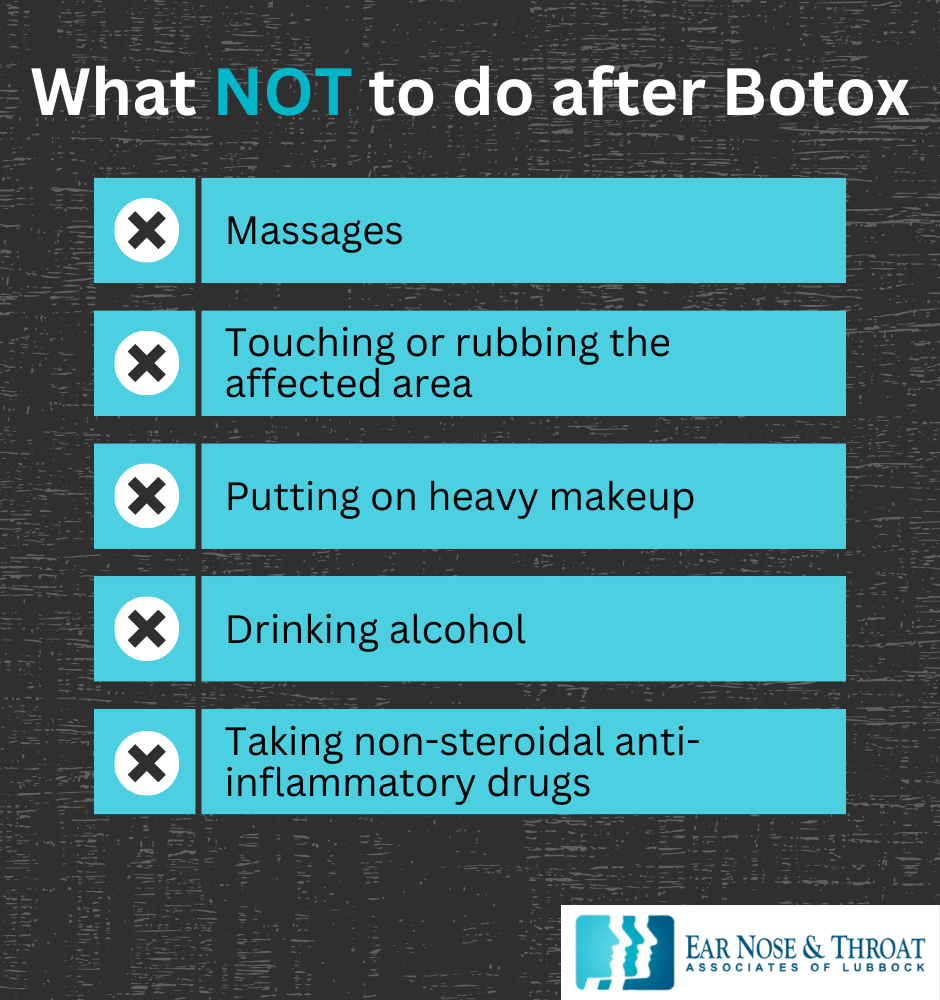
Image Source: www.entlubbock.com
Why You Need to Wait After Botox
Botox is a popular way to smooth out wrinkles. It works by making certain muscles relax. When you get Botox, a doctor uses a very thin needle to put a small amount of the substance into specific muscles in your face. Think of it like little keys fitting into little locks on your muscles. These keys stop the muscle from getting signals from nerves. This makes the muscle less active, and the skin on top looks smoother.
Right after the shots, the Botox starts to work on those muscles. It doesn’t happen right away. It takes time for the substance to attach to the nerve endings. This process usually takes a few hours. During this time, the Botox is settling into place.
What Happens Inside
When Botox goes into a muscle, it’s a liquid. The doctor puts it in a very exact spot. They pick the muscles that cause your wrinkles. For example, muscles that make frown lines or crow’s feet.
The goal is to keep the Botox right where the doctor put it. This helps it affect only the target muscles. It stops those muscles from squeezing so much.
The Science Bit Made Simple
Nerves send signals to muscles. These signals tell muscles to move. Botox blocks these signals. It does this at the point where the nerve meets the muscle. This point is called the neuromuscular junction.
Botox attaches to parts of the nerve ending here. This stops the nerve from sending the “squeeze” message to the muscle. Over the next few days, the muscle becomes less able to move.
Why Movement Matters
Right after your shots, the Botox is still settling. It is a liquid in your tissue. It hasn’t fully attached to the nerve endings yet. Intense movement or activities can cause the Botox to move away from the spot where it was injected. This is called diffusion.
If the Botox moves, it could affect muscles next to the ones the doctor wanted to treat. This can lead to problems. For example, if Botox for frown lines moves down a bit, it could affect the muscle that lifts your eyelid. This might cause a droopy eyelid, which no one wants.
Comprehending the Risks of Early Exercise
Doing intense exercise after Botox comes with certain risks. These risks are why doctors tell you to take it easy for a short time. Knowing these risks helps you understand why following the rules is important.
Potential Problems
Let’s look at what could go wrong if you exercise too soon after Botox.
-
Botox Moving (Diffusion): This is the main worry. Hard exercise makes your blood pump faster. It increases blood flow. Increased blood flow can push the liquid Botox away from the injection site. If Botox moves to nearby muscles, it can cause unwanted side effects. For example, a drooping eyelid, crooked smile, or other uneven looks. The doctor was very careful about where they put the needle. You want the Botox to stay there.
-
More Bruising and Swelling: Exercise raises your heart rate and blood pressure. This extra pressure can cause more bleeding at the tiny injection sites. More bleeding means more bruising. It can also make swelling worse. Most people get a little bit of swelling and maybe a small bruise after Botox. But hard exercise can make them bigger and last longer.
-
Less Effective Results: If the Botox moves away from the target muscle, less of it will be in the right place. This means the muscle might not relax as much as planned. Your results might not be as good as they should be. The wrinkles might not smooth out as much. You spent money on the treatment, so you want it to work its best.
-
Headache: Some people get a mild headache after Botox. Intense exercise can sometimes make a headache worse.
-
Feeling Unwell: After any small procedure, your body needs a little time to rest. Pushing yourself too hard with exercise might make you feel dizzy or unwell.
These side effects exercising too soon after Botox are usually not severe or lasting, but they can be annoying and take away from the good results you wanted.
How Long to Wait: The Standard Advice
The most common and widely accepted advice is to wait 24 hours before doing any kind of exercise. This includes light exercise.
Some experts are more cautious. They recommend waiting 48 hours. This is especially true for intense exercise after Botox. Waiting 48 hours gives the Botox more time to bind fully to the nerve endings. This makes it less likely to move.
It’s always best to ask your doctor what they recommend. They know how much Botox they used and exactly where they put it. They might have specific advice for you.
Decoding the 24-Hour Rule
Why 24 hours? This period is usually enough time for most of the Botox to settle and start binding to the nerve endings. It becomes less likely to be pushed around by increased blood flow.
Think of it like paint drying. Right after you paint, the paint is wet and can easily be smudged or dripped. After a few hours, it starts to dry. After 24 hours, it’s mostly dry and harder to mess up, though it might not be fully cured. Botox is similar. It needs time to settle and attach.
Botox Recovery Time Exercise: What to Expect
Your recovery time after Botox is usually very short. Most people can go back to their normal daily activities right away. But exercise is different because it affects blood flow and muscle movement more than just walking around.
Here’s a general timeline for Botox recovery time exercise:
-
Immediately After (First Few Hours): Avoid rubbing the treated areas. Keep your head upright. Do not lie down for 4-6 hours. And definitely no exercise.
-
First 24 Hours: This is the main waiting period. Avoid all exercise. This includes gym workouts, running, swimming, yoga, heavy lifting, and anything that makes your heart beat fast or involves significant body movement.
-
24 to 48 Hours: You can usually resume light activities. This might include a gentle walk. Some doctors say it’s okay to do light exercise after 24 hours, while others say wait 48 hours for anything more than very light walking. For intense exercise after Botox, most advise waiting the full 48 hours.
-
After 48 Hours: By this time, the Botox is generally settled. You can usually go back to your normal exercise routine, including intense activities.
Specific Guidelines for Exercise After Botox
Let’s break down different types of exercise and when you can do them. These are general Guidelines for exercise after Botox.
Light Exercise
- What it is: Walking slowly, very light stretching, easy everyday movements. Does not make you breathe hard or sweat much.
- When it’s okay: Many doctors say light walking is okay within a few hours, as long as it doesn’t involve positions where your head is below your heart (like some yoga poses). However, to be safest and follow the strictest guidelines, waiting 24 hours even for light exercise is best. After 24 hours, light exercise is generally considered safe.
Moderate Exercise
- What it is: Brisk walking, cycling at a moderate pace, elliptical trainer. Makes you breathe harder than normal but you can still talk.
- When it’s okay: Wait at least 24 hours. Waiting 48 hours is safer, especially if you had treatment in multiple areas.
Intense Exercise
- What it is: Running, high-intensity interval training (HIIT), heavy weightlifting, intense sports, power yoga, hot yoga. Makes your heart pump very fast, you breathe hard, and you sweat a lot.
- When it’s okay: Wait at least 48 hours. Intense exercise after Botox carries the highest risk of complications due to increased blood flow and possible upside-down positions.
Other Activities
- Yoga: Be careful with yoga poses where your head is below your heart (like downward dog). These positions increase blood flow to the face and can cause pressure. Avoid these types of poses for at least 24-48 hours. Gentle, upright yoga might be okay sooner, but it’s safer to wait.
- Swimming: Swimming involves a lot of movement and sometimes putting your head down. Wait at least 24-48 hours.
- Pilates: Similar to yoga, depends on the intensity and poses. Avoid moves with your head down. Wait 24-48 hours for most forms of Pilates.
- Weightlifting: Heavy lifting increases blood pressure and can cause you to strain or hold your breath, which also affects pressure in the head. Avoid for at least 48 hours.
- Massage or Facial: Avoid massaging the treated areas for several days (usually a week). This can push the Botox away from the injection site. Avoid facials for at least a week.
Summary Table of Botox Exercise Restrictions
Here is a quick look at when you can workout after Botox injections:
| Type of Activity | When Can You Usually Do It Safely? | Why Wait? |
|---|---|---|
| Gentle Daily Activities | Immediately (no rubbing face) | No risk to Botox placement |
| Light Walking | 24 hours (or maybe sooner if doc says) | Minimal risk, still good to be careful |
| Moderate Exercise | 24 – 48 hours | Reduces risk of swelling/bruising/movement |
| Intense Exercise | 48 hours | Highest risk of complications if done too soon |
| Yoga (Head Below Heart) | 48 hours | Increases blood flow/pressure in face |
| Heavy Weightlifting | 48 hours | Increases blood pressure/straining |
| Massage on Treated Area | At least 1 week | Can push Botox away |
| Facial | At least 1 week | Can affect product spread |
Note: Always follow the specific instructions from your doctor.
Side Effects of Exercising Too Soon
We talked about the risks. Let’s look closer at the side effects exercising too soon after Botox that you might see.
- More Visible Bruises: If you get bruises, they might be bigger or darker than they would have been.
- More Swelling: The puffed-up look around the injection sites might last longer.
- Droopy Eyelid (Ptosis): This is a rare but known side effect. It happens if Botox meant for the forehead or frown lines moves down and affects the muscle that lifts the upper eyelid. Exercising too soon increases this risk slightly. If this happens, it can last for a few weeks until the Botox wears off from that muscle. There might be eyedrops that can help a little, but mainly you have to wait.
- Uneven Results: If the Botox moves from one side of the face but not the other, or from the target muscle to a nearby one, the effects might look uneven. One eyebrow might be higher than the other, or one side of your smile might look different.
- Reduced Effect: The Botox might not work as well on the intended muscle. This means your wrinkles might not smooth out as much as you expected.
These side effects highlight why Botox exercise restrictions are put in place. They are there to protect your results and avoid unwanted issues.
Making Your Treatment a Success
Following post-care instructions is key to getting the best results from your Botox treatment. Exercise after Botox is one of the most important things to think about.
- Listen to Your Doctor: Your doctor is the best source of information for you. They know your medical history and the details of your treatment. Ask them specifically how long they think you should wait before you can workout after Botox injections.
- Be Patient: Waiting just 24 or 48 hours is a very short time in the grand scheme of things. Botox results take a few days to fully appear anyway. Waiting a couple of extra days for exercise won’t really delay seeing your final look. It protects it.
- Plan Ahead: If you have a big workout event or race coming up, plan your Botox appointment around it. Get the treatment well in advance (like two weeks before) or wait until after the event.
- Focus on Other Recovery: Use the time off from the gym to rest, stay hydrated, and follow other post-care tips like avoiding rubbing the area.
- When in Doubt, Wait: If you’re unsure whether an activity is okay, it’s safer to wait a bit longer. A few extra hours of rest won’t hurt, but exercising too soon might.
Fathoming Individual Differences
Everyone’s body is a little different. Healing times can vary. How your body reacts to Botox can also vary slightly. This is another reason why your doctor’s advice is so important.
Factors that might play a small role (but the general 24-48 hour rule still applies):
* Amount of Botox Used: A larger amount might take slightly longer to settle, though this effect is minimal compared to the binding process.
* Treatment Area: Some areas might be more prone to swelling or bruising than others.
* Your Body’s Healing: Some people bruise more easily or take longer for swelling to go down.
No matter these small differences, the core science of how Botox binds means the waiting period for exercise remains roughly the same for everyone. The Botox recovery time exercise is primarily dictated by the substance itself.
Why Intense Exercise Is More Risky
We’ve mentioned that intense exercise after Botox is riskier than light activity. Let’s delve a bit deeper into why.
Intense exercise does several things that are not good right after Botox:
1. Major Increase in Blood Flow: Your heart pumps hard and fast. Blood rushes throughout your body, including your face. This is the biggest factor pushing the liquid Botox around.
2. Increased Body Temperature: Heating up your body can theoretically affect how things spread in your tissues.
3. Sweating: While not a direct cause of Botox movement, heavy sweating can make you want to wipe or rub your face, which you should avoid.
4. Head Below Heart Positions: Many exercises (burpees, certain yoga poses, some weightlifting moves) put your head below your heart, greatly increasing blood pressure in the head and face.
5. Muscle Contractions: While the goal is to stop some muscle contractions, hard exercise involves a lot of facial expressions and muscle movements that could potentially disrupt the settling process, though this is less of a concern than blood flow.
These factors combined make intense exercise the activity with the strictest Botox exercise restrictions.
Beyond Exercise: Other Post-Care Tips
While exercise after Botox is a key point, here are other things to avoid in the first 24-48 hours to ensure the best results and minimize side effects exercising too soon after Botox:
- Avoid Rubbing or Massaging: Do not touch or rub the injected areas. This is just as important as avoiding early exercise to prevent the Botox from spreading.
- Stay Upright: Try not to lie down for 4-6 hours after your treatment. This helps the Botox settle using gravity.
- Avoid Heat: Stay away from hot baths, saunas, hot tubs, and tanning beds for 24-48 hours. Heat can increase blood flow and potentially affect the Botox.
- Avoid Alcohol: Some doctors recommend avoiding alcohol for 24 hours, as it can increase bruising.
- Avoid Blood Thinners: Unless prescribed by your doctor for a medical condition, avoid things that thin the blood like aspirin or ibuprofen right after your treatment (if you didn’t already avoid them before to prevent bruising).
- Avoid Other Facial Treatments: Wait at least a week before getting facials, chemical peels, or microdermabrasion.
Following these simple rules along with the Guidelines for exercise after Botox will help you achieve the best possible outcome from your treatment.
Grasping the Importance of the Waiting Period
You might think that waiting 24 or 48 hours isn’t a big deal. You might feel fine and think you can just power through your workout. But remember, the main reason for the wait is not how you feel, but what is happening inside your tissues at a microscopic level. The Botox is in liquid form and needs time to be absorbed and bind correctly.
Ignoring the recommended Botox post-care exercise guidelines is a gamble. Most of the time, maybe nothing bad will happen. But if it does, the side effects can be noticeable and take weeks to go away. Is skipping your workout for one or two days worth the risk of a droopy eyelid or uneven results? Probably not.
Think of the waiting period as an investment in your results. It’s a small sacrifice for a better outcome.
When Can I Workout After Botox Injections? Recap
Let’s bring it all together clearly.
- The shortest recommended wait time: 24 hours for any exercise.
- The safer recommended wait time: 48 hours, especially for intense exercise.
- Why wait? To prevent the Botox from moving from the injection site.
- What can happen if you don’t wait? More bruising, more swelling, Botox moving (leading to droopiness or unevenness), less effective results.
- What exercise is most risky early on? Intense exercise, anything with your head below your heart, heavy lifting.
- What’s okay? Gentle daily activities right away (but no rubbing). Light walking might be okay sooner but safest to wait 24 hours.
This covers the main points about how long after Botox to workout.
FAQs About Exercise and Botox
Here are some common questions people ask about exercise after getting Botox.
Q: Can I walk home after getting Botox?
A: Yes, light walking is generally fine. Just avoid power walking or anything that makes your heart rate very high. And keep your head up; don’t look down at your phone the whole time in a bent-over position.
Q: What if I accidentally exercised within 24 hours?
A: Don’t panic. The risks are increased, but it doesn’t mean you will definitely have problems. Just stop exercising, avoid touching your face, and follow all other post-care instructions carefully from that point on. Watch for any unusual side effects over the next few days, and contact your doctor if you are concerned (like if you notice a droopy eyelid).
Q: Does exercise make Botox wear off faster?
A: No, there is no strong evidence that exercising after the initial 24-48 hour waiting period makes your Botox wear off faster. Once the Botox has bound to the nerve endings, normal muscle activity from exercise doesn’t seem to affect its lifespan significantly. The duration of Botox effects varies person to person (usually 3-6 months) but is not linked to regular exercise routines after the initial recovery.
Q: Can I make facial expressions or move my face muscles after Botox?
A: Yes, some doctors even recommend making facial expressions in the treated area shortly after getting Botox (like frowning or raising your eyebrows). The idea is that this might help the Botox find and bind to the nerve endings in those muscles. However, do not rub or massage the area while making these expressions. Ask your doctor if they recommend this.
Q: What about sitting up versus lying down? Does that affect exercise?
A: The advice to stay upright for 4-6 hours after Botox is mainly about using gravity to help the liquid Botox stay where it was injected, reducing the chance it spreads downward (like potentially causing a droopy eyelid from forehead injections). While not directly related to the act of exercise, positions where your head is below your heart during exercise (like inversions in yoga) have a similar effect of increasing pressure and blood flow to the face, which is why they are restricted in the first 48 hours.
Q: How can I remember all these rules?
A: Your doctor’s office should give you written instructions. Keep them handy! When in doubt, remember the 24-48 hour rule for exercise and avoid touching your face. It’s simple rules for the best results.
Q: Is it okay to wear makeup or sunscreen after Botox?
A: Yes, you can usually apply makeup and sunscreen a few hours after treatment, but be very gentle when you do it. Do not rub or press hard on the injection sites.
This Guide: How Soon After Botox Can You Exercise Safely? covers the main points. Always talk to your doctor first. They know what is best for you. By following these simple guidelines, you help make sure your Botox treatment is safe and gives you the smooth look you want. Avoid those risks of exercising after Botox and enjoy your results!