Yes, sweating a lot during exercise is completely normal for most people. It is your body’s main way of cooling down. While causes of excessive perspiration when active can sometimes point to an underlying issue, heavy perspiration during training is usually a sign that your body is working hard to keep you cool. This article will look at why you sweat so much when you exercise and what factors influence how much you sweat.
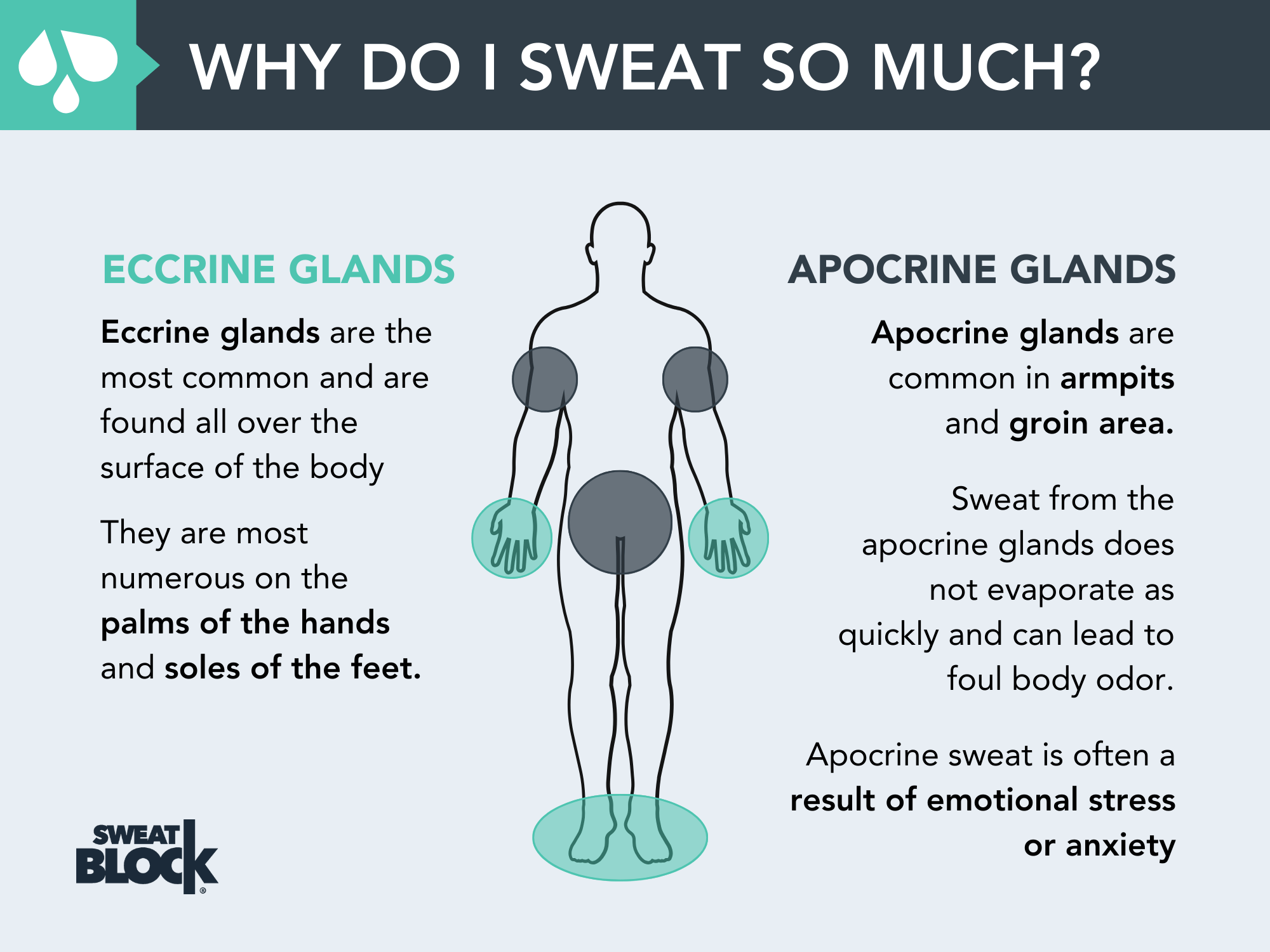
Image Source: www.sweatblock.com
Grasping Why Your Body Sweats
Your body is like a machine that needs to stay at a set temperature. When you exercise, your muscles work hard. This makes heat. Your body needs to get rid of this extra heat. If it didn’t, your inside temperature would go up too much. This could be dangerous.
Sweating is the main way your body cools itself down. It’s like your body’s own cooling system.
How Sweating Works
Think of your skin having tiny little holes called pores. Under your skin, you have sweat glands. When your body gets hot, your brain tells these glands to make sweat.
The sweat comes out of your pores onto your skin. Sweat is mostly water and some salt.
When sweat is on your skin, the heat from your body helps turn the liquid sweat into a gas (this is called evaporation). This process takes heat away from your skin. This makes you feel cooler. It’s like stepping out of a pool on a windy day – the wind makes the water on your skin evaporate quickly, and you feel cooler.
So, when you are working out, your muscles make heat. Your body sweats to release that heat. This helps keep your inside temperature safe.
Interpreting Your Sweat Rate: Why Some People Sweat More
You might look around the gym and see some people barely sweating, while others are drenched. Is something wrong? Usually, no. How much you sweat is different for everyone. Many things play a part in how much you sweat when you work out. These are the factors influencing sweat rate during exercise.
Fitness Level
This might sound backwards, but people who are very fit often start sweating sooner during exercise. Their body’s cooling system is very good at its job. It kicks in fast to stop the body from getting too hot. However, they might not sweat more overall than someone less fit doing the exact same workout once they get going. A fit person’s body is just better at managing heat from the start.
Someone less fit might get hotter faster because their body is working harder to do the same movement. This can also lead to a lot of sweat, but maybe it starts a bit later.
Your Weight
People who weigh more often sweat more. Body weight can act like an insulator. More body mass can mean more heat produced during exercise. It can also mean there is more tissue to cool down. The body has to work harder to lower its temperature.
The Temperature and Air Around You
This is a big one. If you are exercising in a hot place, your body has to work much harder to cool down. You will sweat a lot more than if you were exercising in a cool place.
How much water is in the air (humidity) also matters. If the air is very wet (high humidity), sweat doesn’t evaporate from your skin as easily. Remember, evaporation is what cools you down. If sweat just sits on your skin, it doesn’t help cool you much. So, in humid heat, you might sweat even more, but feel less cool.
How Hard You Are Working
The harder you exercise, the more heat your muscles make. This means your body needs to sweat more to get rid of the heat. A slow walk will make you sweat less than running fast or lifting heavy weights. Reasons for profuse sweating exercise are often linked to high effort. Heavy perspiration during training is common during intense workouts.
What You Are Wearing
Loose, light-colored clothes help your body cool down. They let air move over your skin. They also let sweat evaporate better. Tight clothes or clothes made of materials that don’t let air through can trap heat and sweat. This makes you feel hotter and might make you sweat more.
How Much Water You Drank
If you haven’t drunk enough water, your body might still sweat to cool down. But it’s harder for your body to make sweat if you are not well-hydrated. If you are well-hydrated, your body has plenty of fluid to make sweat and cool you effectively. Drinking enough water is key for good body temperature control exercise.
Your Sex
Men often sweat more than women. They tend to have more sweat glands, and their body’s ‘thermostat’ might be set a bit differently. However, this is not a strict rule. Some women sweat a lot, and some men sweat very little.
Your Age
As people get older, their ability to sweat might change. Older adults might not sweat as much or as quickly as younger people. This can make it harder for them to stay cool.
In short, there are many normal reasons why I sweat more than others workout. It’s often just how your body handles heat based on who you are and what you are doing.
Deciphering Profuse Sweating: When It’s More Than Normal
While sweating a lot during exercise is normal, sometimes people sweat too much, even for the level of activity. This is often called excessive sweating workout causes.
Primary Hyperhidrosis
Some people have a medical condition called primary hyperhidrosis. This condition makes them sweat much more than needed to cool the body. It often affects specific areas like the hands, feet, armpits, or head.
For people with hyperhidrosis, physical activity can really make the sweating much worse. Even light exercise might cause soaking sweat. This is different from normal heavy sweating because the sweating is already excessive even at rest or in cool conditions.
Other Medical Reasons
Sometimes, sweating a lot during exercise could be a sign of another health issue. These are less common but important to know about.
- Overactive Thyroid: This is when a small gland in your neck makes too many hormones. This speeds up your body’s functions, including making heat. People with an overactive thyroid often feel hot and sweat a lot, even when not exercising. Exercise makes it worse.
- Low Blood Sugar (Hypoglycemia): This can happen in people with diabetes. When blood sugar drops too low, sweating is a common sign. This can happen during or after exercise, especially if blood sugar isn’t managed well.
- Infections: When your body is fighting an infection, your temperature might go up (fever). You might sweat a lot, even without exercising. If you exercise while sick, you can sweat even more.
- Certain Medicines: Some drugs can cause increased sweating as a side effect.
- Anxiety or Stress: Feeling very nervous or stressed can make you sweat more. If exercise makes you anxious, or if you are stressed before starting, you might notice more sweat.
If you notice that you sweat much more than seems normal, or if it happens even when you aren’t hot or active, it’s a good idea to talk to a doctor. They can help figure out if it’s just your body’s normal way or if there’s something else going on.
Improving Body Temperature Control During Exercise
Good body temperature control exercise is important for safety and comfort. While sweating is key to this, sometimes you want to reduce excessive sweat during workout if it’s bothersome. You can do things to help your body cool itself well without getting completely soaked.
Stay Well-Hydrated
This is perhaps the most important tip. Drink water before, during, and after your workout. Being well-hydrated gives your body the fluid it needs to make sweat. It also helps your blood flow, which carries heat away from your muscles to your skin where it can escape. Dehydration makes it harder for your body to cool itself effectively.
Choose the Right Clothes
Wear clothing made of moisture-wicking fabrics. These materials pull sweat away from your skin to the outside of the fabric. This helps the sweat evaporate faster, which cools you down better than sweat soaking into cotton. Cotton holds onto moisture, making you feel wet and clammy, and it doesn’t help with cooling as well. Choose light colors if exercising outside in the sun, as dark colors absorb more heat.
Pick Your Workout Time and Place
If you sweat a lot in the heat, try to exercise in the coolest part of the day. Early morning or late evening are often better. If you can, exercise indoors in a place with air conditioning or fans. Fans move air over your skin, helping sweat evaporate faster.
Let Your Body Get Used to the Heat
If you need to exercise in the heat, start slowly. Your body can get used to hotter weather over time (this is called heat acclimatization). Start with shorter, less intense workouts in the heat. Slowly increase the time and how hard you work. Your body will become better at sweating more efficiently and at a lower body temperature over a few weeks.
Use Cooling Aids
Simple things can help.
* Splash cold water on your face or neck.
* Use a wet towel around your neck.
* Drink cold water during your workout.
These actions can help lower your surface temperature and make you feel more comfortable.
Manage Your Weight and Fitness
As discussed, being fitter and maintaining a healthy weight can help your body manage heat better. Regular exercise improves your body’s cooling system. It helps your body sweat more effectively when needed.
Consider What You Eat and Drink Before
Eating a big meal right before working out can make you feel hotter because your body is using energy to digest food. Caffeine can also sometimes increase sweating. Alcohol can affect your hydration and ability to regulate temperature, so it’s best to avoid it before exercise.
By taking these steps, you can help your body manage its temperature better and potentially reduce excessive sweat during workout, making your training more comfortable.
Fathoming Sweat During Different Exercises
Not all exercises make you sweat the same amount. Different types of activity put different demands on your body and create different amounts of heat. Heavy perspiration during training is highly dependent on the type of training.
Cardio vs. Strength Training
- Cardio (like running, biking, dancing): These exercises get your heart rate up and involve large muscle groups moving repeatedly. They produce a lot of heat. You will likely sweat a lot during moderate to intense cardio sessions.
- Strength Training (like lifting weights): You might not sweat as much during rest periods between sets, but the intense effort during lifting sets still creates heat. For heavy lifting or fast-paced circuit training, you can still sweat heavily.
Intensity Matters
Doing exercise at a high intensity will always make you sweat more than doing the same exercise at a low intensity. Sprinting produces more heat and therefore more sweat than jogging. Lifting heavy weights for few reps might cause less overall sweat than lifting lighter weights for many reps with short rests, because the total work done and heat produced over the session might be higher in the latter case.
Skill and Efficiency
Someone who is very skilled at an exercise, like a pro swimmer, might look like they aren’t working hard. They move very efficiently. This means their muscles might be producing less extra heat compared to someone just learning the skill who uses wasted movements. So, skill can influence sweat too, though intensity is usually a bigger factor.
Addressing Concerns About Sweat
Is sweating a lot during exercise normal? Yes, in most cases. But sometimes, people worry about it.
Worry About Smelling
Sweat itself doesn’t usually smell bad. The smell comes from bacteria on your skin breaking down sweat. Keeping clean, wearing clean clothes, and using antiperspirant or deodorant can help manage odor.
Worry About Appearance
Some people feel embarrassed by sweat marks on clothes. This is very common. Wearing moisture-wicking clothes can help. Darker clothes might show sweat less than light grey or bright colors. Remember that sweating during exercise is a sign of hard work and a healthy body doing its job!
Worry About Losing Too Much Water
Sweating does mean losing water and salts (electrolytes). If you sweat a lot and don’t drink enough, you can get dehydrated. This is why staying hydrated is so important, especially for people who sweat heavily. Drink based on thirst and consider electrolyte drinks if you are exercising intensely for a long time (more than an hour) or in very hot conditions.
Deciphering the Science Behind Sweat Variation
Why do reasons for profuse sweating exercise differ so much from person to person? Beyond the obvious things like heat and effort, there’s a complex system at play.
Sweat Glands
You have millions of sweat glands across your body. There are two main types: eccrine and apocrine.
* Eccrine glands: These are all over your body, especially on hands, feet, forehead, and armpits. They make the watery sweat that cools you down during exercise.
* Apocrine glands: These are found mainly in areas with hair, like armpits and groin. They produce a thicker, milky sweat that contains fat and protein. This is the type of sweat that causes body odor when bacteria break it down.
The number of active eccrine sweat glands you have can vary. This is partly set by genetics. Some people are born with more active sweat glands than others. This is one reason why I sweat more than others workout, even when doing the same thing.
Brain’s Role in Temperature Control
Your brain has a part called the hypothalamus. It acts like your body’s thermostat. It gets signals about your body temperature. If the temperature goes up, it sends signals to your sweat glands to start working. It also tells blood vessels in your skin to open wider to release heat.
How sensitive is your hypothalamus? How quickly does it react? This can differ slightly between people. Someone whose hypothalamus is very quick to detect rising temperature and send signals to sweat might start sweating sooner and possibly more heavily to prevent the body from overheating. This ties into factors influencing sweat rate during exercise like fitness level; a fitter body might have a more finely tuned thermostat.
Hormones
Hormones play a role in many body functions, including sweating. Changes in hormone levels, like during puberty, pregnancy, or menopause, can affect how much you sweat.
Blood Volume
People who are well-hydrated and fit tend to have a higher blood volume. More blood means the body can transport heat away from the working muscles to the skin more efficiently. It also means there’s more fluid available to create sweat. This is another reason why fitter individuals, while they might start sweating sooner, are often better at using sweat for cooling.
Genetics
Yes, genetics play a part! Just like how tall you are or the color of your eyes is influenced by your genes, so is your tendency to sweat. Some families just sweat more than others. This is part of the normal human variation.
Understanding these different aspects helps to see why there isn’t one simple answer to “Why do I sweat so much when I exercise?”. It’s a mix of your biology, your fitness, and the conditions around you.
Knowing When to Seek Medical Advice
While excessive sweating workout causes are often normal, sometimes sweating can be a sign that you need to talk to a doctor.
See a doctor if:
- You sweat heavily even when you are not exercising or hot. This could be hyperhidrosis physical activity or another condition.
- Your heavy sweating during training suddenly changes (gets much worse or much less) without a clear reason like a change in workout or weather.
- Sweating comes with other symptoms like:
- Chest pain
- Shortness of breath
- Dizziness or lightheadedness
- Sudden weight loss
- Sweating mostly at night
- Fever
- Fast heartbeat (palpitations)
These combined symptoms could point to a different medical issue that needs attention. Don’t try to guess what it is; let a doctor help you. They can ask questions, do checks, and figure out if your sweating is just normal variation or if there’s something more to it.
For people diagnosed with hyperhidrosis physical activity, there are also treatments available to help manage the condition, which a doctor can discuss.
Living With Being a Heavy Sweater
If you are someone who just naturally sweats a lot when you exercise, even after trying tips for reducing excessive sweat during workout, remember that it’s usually a sign of a strong body working hard to cool itself.
Embrace it! It means your body’s cooling system is effective. Focus on staying hydrated and wearing the right clothes. Don’t feel embarrassed; many people sweat heavily when they push themselves physically.
For athletes, sweating a lot is just part of the game. They learn how to manage fluids and electrolytes to perform at their best.
Practical Tips for Daily Life (Beyond the Workout)
- Carry a towel: A small towel can be helpful during workouts.
- Pack extra clothes: If you sweat a lot, having a dry shirt to change into after is key.
- Use antiperspirants correctly: Antiperspirants work best when applied at night to clean, dry skin. They block sweat ducts. Deodorants only cover smell.
- Consider powders: Body powders can help absorb moisture in areas prone to heavy sweating.
Heavy perspiration during training is a sign of a body doing its job well. Unless it’s linked to other symptoms or happens at rest, it’s likely just your normal level of sweat.
Recap: Key Points About Sweating and Exercise
- Sweating is your body’s main way to cool down during exercise.
- How much you sweat varies greatly from person to person.
- Factors like fitness, weight, heat, humidity, workout intensity, and clothing all affect sweat rate.
- Excessive sweating during workout causes are often just normal body differences.
- Sometimes, very heavy sweating can be linked to medical conditions like hyperhidrosis or other health issues.
- Staying hydrated, wearing the right clothes, and choosing workout times can help manage sweating.
- See a doctor if sweating is extreme, happens at rest, or comes with other worrying symptoms.
Understanding why you sweat helps you see that it’s a natural process. It’s a sign your body is working hard and staying safe.
Frequently Asked Questions (FAQ)
h4 Is sweating a lot during exercise normal?
Yes, for most people, sweating a lot during exercise is completely normal. It shows your body is working effectively to cool itself down as your muscles make heat.
h4 Why do I sweat more than others workout?
Many things affect this. Your fitness level, body weight, genetics, the temperature around you, how hard you are exercising, and even what you are wearing can all make you sweat more or less than someone else doing the same workout. It’s often just normal variation.
h4 What are the causes of excessive perspiration when active?
Normal causes include high workout intensity, hot or humid weather, higher body weight, or being very fit (your body starts cooling earlier). Less common causes can include medical conditions like hyperhidrosis, an overactive thyroid, or low blood sugar, but these often involve sweating a lot even when not exercising.
h4 Is heavy perspiration during training a sign of a good workout?
Yes, often it is! Heavy sweat usually means you are working hard enough to raise your body temperature and make your cooling system kick in. It shows you are putting in effort.
h4 Can I reduce excessive sweat during workout?
You can’t stop your body from sweating when it needs to cool down, but you can manage it. Tips include staying well-hydrated, wearing moisture-wicking clothes, exercising in cooler places, and letting your body get used to hot weather slowly.
h4 What is hyperhidrosis physical activity?
Hyperhidrosis is a condition where someone sweats excessively, more than is needed for cooling. Physical activity often makes hyperhidrosis much worse, leading to extreme sweating even during light exercise. If you sweat soaking amounts even when resting, it could be hyperhidrosis.
h4 Does sweating a lot mean I burn more calories?
Not directly. Sweating is about cooling, not calorie burning. You burn calories by working your muscles. The amount of sweat doesn’t perfectly match calories burned. You sweat more when it’s hot, for example, but you aren’t necessarily burning more calories. However, often, harder workouts lead to more sweating and more calorie burn, so there’s a link, but sweat isn’t the measure itself.
h4 How much water should I drink if I sweat a lot during exercise?
You should drink enough to replace the fluids you lose. A general rule is to drink water based on your thirst. For longer or more intense workouts, especially in heat, try to drink 16-20 ounces of water a couple of hours before, 7-10 ounces every 10-20 minutes during the workout, and more after. If exercising intensely for over an hour, consider drinks with electrolytes.
h4 Are there dangers to sweating too much during exercise?
The main danger is dehydration from not replacing the fluids and salts you lose. If you sweat a lot and don’t drink, you can become dehydrated, which can affect performance and health. In extreme heat, losing too much fluid without replacing it can increase the risk of heat exhaustion or heatstroke.
h4 When should I be concerned about sweating during exercise?
Be concerned if your sweating is suddenly different, happens excessively even when you aren’t exercising or hot, or comes with other worrying symptoms like dizziness, chest pain, shortness of breath, or unexpected weight loss. In these cases, talk to a doctor.
Sweating is a vital part of exercise. It’s a sign your body is working hard to perform and stay safe. For most people, sweating a lot simply means their body’s cooling system is doing its job well.