Many people ask, “How does exercise lower cholesterol?” Simply put, regular exercise can help improve your cholesterol numbers, which is good for your heart. It works by helping your body manage fats better. Yes, exercise can help lower your “bad” LDL cholesterol and triglycerides while often raising your “good” HDL cholesterol. This makes exercise a key part of taking care of your heart health.
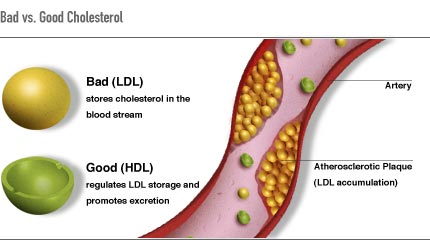
Image Source: storage.googleapis.com
Seeing How Exercise Helps Cholesterol
Cholesterol is a waxy fat. Your body needs some of it to build healthy cells. But too much can cause problems. It can build up in your arteries, making them narrow. This can make it harder for blood to flow through. High cholesterol raises your risk of heart disease and stroke.
There are two main types of cholesterol:
* LDL Cholesterol: This is often called “bad” cholesterol. High levels can lead to plaque buildup in your arteries.
* **HDL Cholesterol: This is often called “good” cholesterol. It helps carry cholesterol away from the arteries to the liver, where it’s removed from the body. Higher levels are better.
Triglycerides are another type of fat in your blood. High triglycerides can also raise your risk of heart disease, especially with high LDL or low HDL.
Exercise helps your body handle all these fats better. It’s not magic, but it uses several helpful pathways.
What Happens Inside Your Body
When you exercise, many good things happen that affect your cholesterol.
* Your muscles use energy. This energy comes from the food you eat and the fats stored in your body, like triglycerides.
* Exercise helps your body move triglycerides out of your blood and into your muscles to be burned for energy.
* Regular exercise can also help your liver become better at taking “bad” LDL cholesterol out of your blood.
* It can boost the making of “good” HDL cholesterol. HDL helps clean up the extra cholesterol in your body.
Think of it like this: Exercise is like giving your body a tune-up for managing fats. It helps burn the stored fat (triglycerides) and improves the system that cleans up bad cholesterol (LDL) and moves out the good cholesterol (HDL).
The Liver’s Role Improves
Your liver plays a big part in controlling cholesterol. It makes cholesterol and also removes it from your blood. When you exercise regularly, your liver can get better at grabbing LDL particles from your blood. This means less bad cholesterol stays in your arteries.
Clearing Out Triglycerides
Exercise is very good at lowering triglycerides. When you work out, your muscles need fuel. They use glucose (sugar) and fatty acids from triglycerides. Doing this regularly keeps triglyceride levels lower in your blood. Imagine your muscles are like hungry engines burning fuel. Exercise makes them burn fat more.
Boosting Good Cholesterol (HDL)
Raising HDL cholesterol is one of the great benefits of HDL cholesterol exercise. While it can be tricky to raise HDL significantly through diet alone for many people, exercise is one of the most effective ways. Scientists think exercise helps by making the body produce more of the proteins that make up HDL particles. It also might help the HDL particles work better at picking up cholesterol.
Lessening Bad Cholesterol (LDL)
LDL cholesterol lowering exercise is also very helpful. While the effect might be smaller than on triglycerides or HDL, it is still important. Exercise can help lower the number of small, dense LDL particles, which are thought to be more harmful than larger ones. As mentioned, it also helps the liver clear LDL from the blood.
So, exercise works on all fronts: lowering bad fats (LDL, triglycerides) and raising good fat (HDL). This is why exercise for heart health is such a strong message.
Finding the Right Kinds of Exercise
Not all exercise is the same, but most types help with cholesterol. The best approach often involves a mix. We can look at types of exercise for cholesterol.
Moving Your Body: Aerobic Exercise
Aerobic exercise cholesterol benefits are well known. This is any activity that gets your heart rate up and keeps it there for a while. It’s also called cardio.
* Walking fast
* Running
* Swimming
* Cycling
* Dancing
* Using an elliptical machine
These activities burn a lot of calories and fat. They are especially good at:
* Lowering triglycerides.
* Raising HDL cholesterol.
* Helping with weight loss, which can also improve cholesterol numbers.
When you do aerobic exercise, your body uses fuel constantly. This steady burning helps clear triglycerides from your blood. It also seems to give the HDL system a boost.
Examples of Aerobic Activities:
- Brisk Walking: Easy to start. Can do anywhere. Aim for a pace where you can talk but not sing easily.
- Running or Jogging: A higher impact option. Burns more calories faster.
- Cycling: Good for knees. Can be done outside or on a stationary bike.
- Swimming: Whole body workout. Easy on joints.
- Dancing: Fun way to move. Can be very effective depending on style and effort.
Aim for activities you enjoy. This makes it easier to stick with them over time. Consistency is key for cholesterol benefits.
Building Muscle: Strength Training
Strength training cholesterol effects are also positive and important. This type of exercise builds muscle mass.
* Lifting weights (free weights, machines)
* Using resistance bands
* Bodyweight exercises (push-ups, squats, planks)
While aerobic exercise is great for the heart and blood fats directly, strength training helps too.
* More muscle helps your body burn more calories even when you’re resting. This helps with weight management.
* Building muscle mass can improve how your body uses insulin, which helps control blood sugar. This can also have good effects on cholesterol and triglycerides.
* It helps improve overall metabolism.
Strength training might not raise HDL as much as aerobic exercise, but it’s a vital part of a full fitness plan for lifestyle changes lower cholesterol. It helps your body become more efficient at handling fuel and staying at a healthy weight.
Examples of Strength Training:
- Bodyweight exercises: Squats, lunges, push-ups (on knees or toes), planks.
- Using Resistance Bands: Versatile, can work all major muscle groups.
- Lifting Weights: Dumbbells, barbells, weight machines. Start with lighter weights to learn the right form.
Combine strength training with aerobic exercise for the best results. They work together to improve your body’s health.
Mixing It Up: Other Activities
Other types of exercise also help.
* Yoga: Improves flexibility, strength, and balance. Can help reduce stress, which is good for overall health. Some forms are quite active.
* Pilates: Focuses on core strength and control.
* Sports: Playing tennis, basketball, soccer, etc., provides both aerobic activity and bursts of strength.
Any movement is better than no movement. Find ways to be more active throughout your day.
How Much and How Hard: Frequency and Intensity
How often you exercise and how hard you push yourself matter for cholesterol. This brings us to exercise frequency cholesterol and exercise intensity cholesterol.
How Often (Frequency)
Regularity is very important. It’s better to do some exercise most days of the week than a lot just once in a while.
* Aim for at least 150 minutes of moderate-intensity aerobic exercise per week, or 75 minutes of vigorous-intensity aerobic exercise. You can split this up. For example, 30 minutes of brisk walking five days a week.
* Try to do strength training for all major muscle groups at least two times per week.
More exercise can give even better results for cholesterol, especially for raising HDL and lowering triglycerides. If you can do more than the minimum, that’s great. The key is consistency. Your body gets used to the healthy changes when you exercise often.
How Hard (Intensity)
The effort you put in matters too.
* Moderate Intensity: You can talk, but you can’t sing. Your heart rate is up. You feel warmer. Examples: brisk walking, cycling on flat ground, dancing.
* Vigorous Intensity: You can only say a few words at a time. Your heart rate is much higher. You are sweating a lot. Examples: running, fast swimming, cycling uphill, high-intensity interval training (HIIT).
Both moderate and vigorous intensity exercise help cholesterol.
* Moderate intensity is a great starting point and is very effective, especially for those new to exercise. It’s easier to maintain over longer periods.
* Vigorous intensity can sometimes lead to faster improvements or greater increases in HDL, but it’s also harder on the body and carries a higher risk of injury if you’re not ready.
Combining different intensities can be helpful. Some days do a moderate walk, other days do a more vigorous activity like jogging or a faster bike ride.
Finding Your Intensity
A simple way to judge intensity is the “talk test”:
* Moderate: You can talk easily, but maybe not sing.
* Vigorous: You can only say a few words before needing to take a breath.
Another way is to measure your heart rate. Talk to your doctor about a safe target heart rate for you.
Start slow if you are new to exercise. Slowly increase how long you exercise and how hard you work out. This helps prevent injury and burnout.
The Bigger Picture: Exercise and Overall Heart Health
Exercise does much more than just change cholesterol numbers. It improves exercise for heart health in many ways.
* Lowers Blood Pressure: Regular exercise helps make your heart and blood vessels stronger. This helps lower blood pressure, which is a major risk factor for heart disease.
* Helps Manage Weight: Exercise burns calories. Combined with healthy eating, it helps you reach and stay at a healthy weight. Carrying extra weight can negatively affect cholesterol, blood pressure, and blood sugar.
* Improves Blood Sugar Control: Exercise helps your body use insulin better. This keeps blood sugar levels more stable, which is important for preventing type 2 diabetes and heart disease.
* Reduces Stress: Exercise is a great stress reliever. Chronic stress can harm your heart.
* Strengthens the Heart Muscle: Like any muscle, your heart gets stronger when you work it. A stronger heart pumps blood more easily.
* Improves Circulation: Exercise helps your blood vessels stay flexible and open, improving blood flow throughout your body.
All these benefits together create a powerful shield against heart disease. Focusing only on cholesterol numbers misses the full value of exercise.
Putting it All Together: Lifestyle Changes
Lowering high cholesterol often works best when exercise is part of bigger lifestyle changes lower cholesterol.
* Healthy Eating: Eating foods low in saturated and trans fats, cholesterol, and added sugars is key. Focus on fruits, vegetables, whole grains, lean protein, and healthy fats (like those in avocados, nuts, seeds, and olive oil).
* Weight Management: Losing even a small amount of weight (5-10%) can improve cholesterol and triglycerides.
* Not Smoking: Smoking damages blood vessels and greatly increases the risk of heart disease. Quitting is one of the best things you can do for your health.
* Limiting Alcohol: Too much alcohol can raise triglycerides and blood pressure.
* Managing Stress: Find healthy ways to cope with stress.
* Enough Sleep: Poor sleep can affect heart health.
Exercise fits perfectly into this picture. It supports healthy eating by helping with weight management. It’s a great way to manage stress. It improves how your body uses energy from food.
Making Exercise a Habit
It can be hard to start and stick with an exercise plan.
* Find Activities You Enjoy: You’re more likely to do something you like.
* Start Small: Don’t try to do too much too soon. Begin with short sessions and slowly increase the time and intensity.
* Set Realistic Goals: Aim for something you can actually achieve.
* Schedule It: Treat exercise like an important appointment. Put it on your calendar.
* Find a Friend: Working out with someone can make it more fun and help you stay motivated.
* Track Your Progress: See how far you’ve come. This can be very motivating.
* Be Patient: It takes time to see big changes in cholesterol numbers. Stick with it.
Your doctor can help you create a safe exercise plan, especially if you have existing health problems.
How Soon Will You See Results?
Seeing changes in cholesterol from exercise takes time and consistency.
* You might start to see some effects on triglycerides fairly quickly, maybe within a few weeks of regular exercise.
* Changes in HDL might take a couple of months or more of consistent effort.
* Lowering LDL from exercise alone can vary. It often happens best when exercise is combined with weight loss and healthy eating.
It’s not a quick fix. The benefits grow over time as you make exercise a regular part of your life. Keep in mind that diet plays a huge role in LDL levels, often more than exercise alone. But exercise strongly helps HDL and triglycerides, and supports overall heart health.
Creating a Personal Plan
Think about what kind of exercise fits your life.
* Do you have time for longer, less intense workouts (like a daily brisk walk)?
* Or would shorter, more intense bursts fit better (like a few jogging sessions a week)?
* Where can you exercise? At home, a gym, outside?
* What equipment do you have or can access?
Start with something you can do now. Even 10-15 minutes of walking a few times a day is better than nothing. Slowly build up to longer sessions or add more challenging activities.
Listen to your body. Rest when you need to. If something hurts, stop. Consider talking to a physical therapist or certified trainer for guidance on proper form.
Table: Exercise Types and Their Cholesterol Impact
Here’s a quick look at how different types of exercise help:
| Exercise Type | Main Impact on Triglycerides | Main Impact on HDL | Main Impact on LDL | Other Benefits for Heart Health |
|---|---|---|---|---|
| Aerobic (Cardio) | Significant Reduction | Good Increase | Moderate Reduction | Lowers blood pressure, manages weight, improves circulation |
| Strength Training | Moderate Reduction | Slight Increase | Moderate Reduction | Builds muscle, improves metabolism, helps with weight management |
| Combined Program | Best Overall Reduction | Best Overall Increase | Best Overall Reduction | All benefits of both types, plus better body composition |
This table shows why a mix is often recommended for comprehensive heart health.
Grasping Why Exercise is Key
Exercise is not just about looking good or fitting into clothes. It’s a powerful medicine for your health, especially for your heart and managing fats in your blood. By helping to lower bad cholesterol (LDL), clear out excess fats (triglycerides), and boost the good kind (HDL), exercise directly works to keep your arteries healthier. When combined with other positive lifestyle changes lower cholesterol, it forms a strong plan to reduce your risk of heart disease.
Making exercise a regular part of your life is an investment in your long-term health. It might feel hard at first, but the benefits for your cholesterol and overall well-being are huge. Start moving today for a healthier tomorrow.
Frequently Asked Questions (FAQ)
Q: Is walking enough to lower cholesterol?
A: Yes, brisk walking is a great form of aerobic exercise and can help lower LDL and triglycerides while potentially raising HDL, especially if done regularly and at a moderate pace for at least 150 minutes per week. More is often better.
Q: How long does it take to see cholesterol changes from exercise?
A: You might see changes in triglycerides within a few weeks. Raising HDL usually takes a couple of months or more of consistent exercise. Lowering LDL can take longer and often depends more heavily on diet, but exercise helps. Be patient and stay consistent.
Q: Do I need to sweat a lot for exercise to help my cholesterol?
A: Moderate intensity exercise (where you can talk but not sing) is very effective. Vigorous intensity (where talking is difficult) can sometimes show faster results, especially for HDL. Both help. The most important thing is regular movement.
Q: Can exercise alone fix high cholesterol?
A: Exercise is a very powerful tool, but it often works best when combined with other healthy lifestyle changes lower cholesterol, especially eating a diet low in unhealthy fats. Sometimes, medication is also necessary, depending on how high your cholesterol is and your overall heart disease risk. Always talk to your doctor.
Q: What is the best exercise for lowering LDL?
A: While aerobic exercise is very effective, lowering LDL often requires a combination of aerobic exercise, a heart-healthy diet (low in saturated/trans fats), weight management, and sometimes medication. Exercise helps the body clear LDL, but reducing intake through diet is also critical.
Q: I have knee problems. What exercises can I do?
A: Low-impact options are great. Swimming, cycling (stationary or on flat ground), and using an elliptical machine are usually easier on the joints than running. Water aerobics is also a good choice. Strength training with proper form can also help support joints. Talk to your doctor or a physical therapist.
Q: How does exercise help triglycerides specifically?
A: Exercise makes your muscles use fat for energy. This helps clear triglycerides from your bloodstream. Doing regular exercise increases your body’s ability to use fats efficiently.
Q: If my cholesterol is normal, do I still need to exercise?
A: Yes! Exercise offers wide-ranging benefits for overall heart health, including lowering blood pressure, managing weight, improving blood sugar, and reducing stress. It helps keep your cholesterol healthy and prevents future problems. It’s good for your whole body.