Many people ask, “How long after exercise can you eat?” You can eat quite soon after finishing your workout. While the idea of a strict “anabolic window” right after exercise was once very popular, research now shows you have a bit more time. Eating within an hour or two after you finish exercising is usually fine and gives you eating after workout benefits. This post workout meal timing helps your body start repairing and getting stronger.
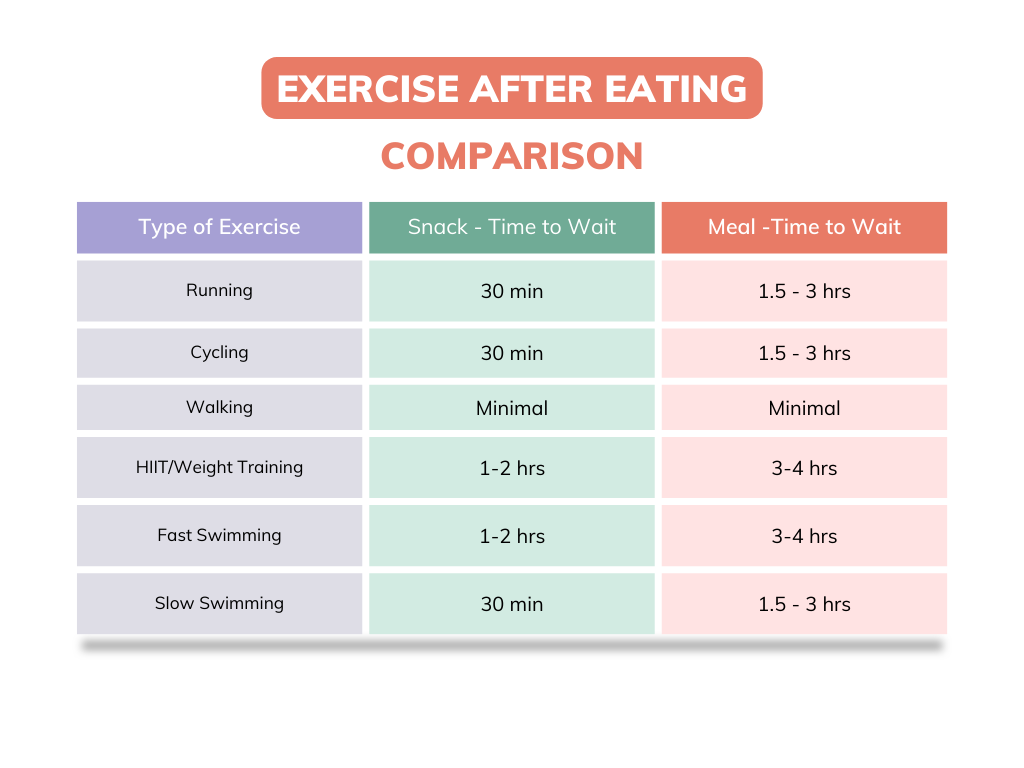
Image Source: images.squarespace-cdn.com
Deciphering the Anabolic Window
People used to think there was a very small window of time, maybe 30 minutes, right after exercise when you had to eat to get results. They called this the anabolic window after exercise. The idea was that your muscles were extra ready to take in nutrients during this short time. Missing this window, they thought, meant you wouldn’t build muscle or recover well.
Recent science tells us the picture is a bit different. The anabolic window after exercise is not as narrow as we once thought. It’s more like a longer period, stretching up to several hours after you finish your exercise. Your muscles are ready to use nutrients for growth and repair for a longer time than just 30 minutes. This is good news. It means you don’t need to rush to eat the second you drop the weights or step off the treadmill. You have time to shower, travel home, or prepare a proper meal.
However, this doesn’t mean timing doesn’t matter at all. Eating within a few hours is still a good plan. It kickstarts the recovery process faster than waiting a long time.
Why Eating After Workouts Helps Your Body
Your body uses energy when you exercise. It also puts stress on your muscles. Eating after exercise helps your body fix itself and get ready for the next time you exercise. This is all part of muscle recovery nutrition.
There are two main things your body needs after a workout:
- Energy Refill: Your body stores energy as something called glycogen in your muscles and liver. When you work out, especially hard or for a long time, you use up some of this glycogen. Eating carbohydrates after exercise helps refill these energy stores. This is
glycogen replenishment timing. Getting carbs back into your body helps you feel less tired and ready for your next workout. - Muscle Repair and Growth: Exercise creates tiny tears in your muscle fibers. This sounds bad, but it’s how muscles get stronger. When you eat protein, your body breaks it down into smaller parts called amino acids. These amino acids are like building blocks. Your body uses them to repair those tiny tears and build new, stronger muscle tissue. This is where
protein intake after exerciseis very important.
So, eating after exercise isn’t just about filling your stomach. It’s about giving your body the tools it needs to recover, refuel, and build strength. It supports eating after workout benefits like better recovery, less muscle soreness, and improved performance over time.
What Foods Are Best After Exercise?
Giving your body the right fuel after a workout is key. The best food to eat after workout typically includes a mix of protein and carbohydrates.
Protein: Why You Need It
Protein is essential for muscle recovery nutrition. As mentioned, it provides the building blocks (amino acids) your muscles need to repair and grow. Protein intake after exercise is a critical part of getting stronger.
Think of your muscles like a wall that needs repair after some work. Protein provides the new bricks. Eating enough protein helps your body get those bricks to where they need to go quickly.
How much protein do you need after a workout? The amount can change based on your size and how hard you worked out. A common guideline is to eat about 20-40 grams of protein after exercise. But what you eat throughout the whole day is more important than just this one meal. Make sure you are getting enough protein spread across all your meals.
Here are some simple, good sources of protein:
- Chicken breast or turkey
- Fish (like salmon or tuna)
- Lean beef
- Eggs
- Greek yogurt or cottage cheese
- Milk
- Protein powder (whey, casein, plant-based)
- Beans and lentils
- Tofu or tempeh
- Nuts and seeds (in moderation, they also have fat)
Picking easily digestible protein sources can be helpful right after a workout. For example, a protein shake or Greek yogurt might be easier on your stomach than a large steak.
Carbs: Why They Matter Too
Carbohydrates are also very important after exercise. They are your body’s main source of energy. Eating carbs after a workout helps restore your glycogen replenishment timing. This means you refill the energy stores in your muscles and liver that you used up.
Why refill glycogen? Because it:
* Helps your muscles recover faster.
* Gets you ready for your next workout.
* Can help protein get into your muscles.
Simple carbohydrates are often recommended after exercise because they are digested quickly. This means they get to your muscles faster to start refilling glycogen. However, including some complex carbs is also fine, especially if your next workout isn’t for 24 hours or more.
How many carbs? Again, it depends on your workout. If you did a long or very hard workout (like a marathon run or a long cycling ride), you need more carbs to refill energy stores. If you did a shorter, less intense workout, you need fewer. A general idea is to eat about 1-1.2 grams of carbs per kilogram of your body weight within a few hours after a tough workout.
Here are some simple, good sources of carbohydrates:
- Fruits (bananas, berries, apples)
- Rice
- Potatoes (sweet or white)
- Oats
- Bread or toast
- Pasta
- Quinoa
- Smoothies with fruit and yogurt/milk
- Cereal
Combining protein and carbs is key for the best food to eat after workout. They work together to help your body recover and build muscle.
Putting It Together: Simple Meal Ideas
Creating a good post workout meal timing involves getting both protein and carbs. Here are some easy ideas for what to eat:
- Protein shake with a banana: Quick, easy to digest, good protein and fast carbs.
- Greek yogurt with berries and granola: Protein-rich yogurt, carbs from fruit and granola.
- Chicken breast with rice: Classic meal, good protein and complex carbs.
- Salmon with sweet potato: Healthy fats, good protein, and complex carbs.
- Scrambled eggs with toast: Simple, good protein and carbs.
- Cottage cheese with pineapple: Protein and fast-digesting fruit carbs.
- Tuna sandwich on whole-wheat bread: Protein and complex carbs.
- Oatmeal made with milk and topped with nuts: Carbs, some protein from milk and nuts, healthy fats.
You don’t need fancy recipes. Simple, whole foods work best for muscle recovery nutrition.
Timing for Different Fitness Goals
The question “How long after exercise can you eat?” might have a slightly different answer depending on what you are trying to achieve.
Eating for Muscle Growth
If your goal is to gain muscle (how long after exercise to eat for muscle gain), making sure you get enough protein and calories throughout the day is the most important thing. You need a calorie surplus (eating more calories than you burn) and enough protein to build muscle.
The anabolic window after exercise is still relevant here, but remember it’s not a tiny window. Eating a good protein and carb meal within 1-3 hours after finishing your strength training workout is a good strategy. This helps jumpstart the muscle repair and growth process. Getting protein intake after exercise and carbohydrate intake after exercise relatively soon supports this.
If you train first thing in the morning after not eating all night, your body might benefit more from eating sooner (within an hour) compared to someone who ate a meal right before exercising.
Consistency is more important than hitting a perfect timing. Eating a balanced post-workout meal consistently is better than stressing about eating within 15 minutes one day and missing it completely the next.
Eating for Weight Loss
If your goal is weight loss (how long after exercise to eat for weight loss), the total number of calories you eat in a day is the most important factor. You need to eat fewer calories than you burn to lose weight.
Post-workout nutrition is still important for recovery and maintaining muscle while losing fat, but the timing is less critical for the weight loss goal itself. You don’t need to worry that eating right away will stop you from losing weight. As long as the post-workout meal fits into your daily calorie plan, it’s fine.
Some people find that eating after a workout helps control their hunger later in the day, which can help with weight loss. Others might prefer to wait a bit if they aren’t hungry right away.
The main thing for weight loss is total daily calories and overall diet quality. Get enough protein and fiber to feel full, and eat mostly whole, unprocessed foods. When you eat your post-workout meal should fit comfortably into this overall plan.
Things That Change When You Should Eat
While the general idea is to eat within a few hours, some things can change the best post workout meal timing for you:
- What you ate before exercise: If you ate a full meal containing protein and carbs a couple of hours before your workout, your body still has those nutrients available. You might not need to eat immediately after exercising. The nutrients from your pre-workout meal are still working for you.
- The type of exercise:
- Strength Training: Focus on protein and carbs to repair muscles and refill some energy stores. Eating within a few hours is beneficial for muscle growth.
- Endurance Exercise (running, cycling): If your session was long or very hard, refilling
glycogen replenishment timingis crucial. Getting carbs in fairly soon can help you recover faster, especially if you have another hard session coming up soon. - Light Exercise: A walk or gentle yoga session doesn’t use up as much energy or stress muscles as much. You might not need a dedicated “post-workout meal.” Your regular meal times are likely fine.
- How hard you worked: A very intense workout uses more energy and stresses muscles more than an easy one. A harder workout means your body might benefit more from getting nutrients sooner to start recovery.
- Your personal preference: Some people are starving after a workout. Others feel a bit sick or have no appetite. Listen to your body. If you’re not hungry, a small snack or a liquid form (like a shake) might be easier. Don’t force yourself to eat a big meal if you don’t feel ready.
- Your schedule: The reality of your day matters. It’s better to eat a good meal a bit later than planned than to eat junk food quickly or skip eating because you missed a tiny window. Plan your meals around your workouts and your life.
Making Post-Workout Eating Simple
Getting your post workout meal timing right doesn’t have to be hard. Here are some simple tips:
- Prepare ahead: Have snacks or meals ready to go. This stops you from making poor food choices when you are tired and hungry after exercising.
- Keep it portable: If you exercise away from home, pack a shake, a yogurt cup, a piece of fruit, or a sandwich.
- Combine protein and carbs: Aim for both in your post-workout food.
- Drink water: Don’t forget to rehydrate! Drink water with your meal or snack.
- Listen to your body: Eat when you feel ready and choose foods that make you feel good.
The goal is to consistently provide your body with the nutrients it needs to recover and get stronger. The exact minute you eat is much less important than what you eat and that you eat something beneficial within a reasonable timeframe (usually within a few hours) after a challenging workout.
Conclusion
So, how long after exercise can you eat? There’s no single, strict rule for everyone, but eating within 1-3 hours after finishing most workouts is a good approach for supporting recovery and muscle growth. The old idea of a super-short anabolic window after exercise isn’t fully supported by current research.
Focus on the eating after workout benefits by including a mix of protein and carbohydrates in your post-workout meal. This helps with muscle recovery nutrition, glycogen replenishment timing, and provides the building blocks (protein intake after exercise and carbohydrate intake after exercise) your body needs.
Whether your goal is how long after exercise to eat for muscle gain or how long after exercise to eat for weight loss, the overall quality of your diet and getting enough total calories and protein throughout the day are the most important factors. Post-workout timing is a helpful part of a good plan, but it’s not the only thing that matters.
Find a timing and food choice that works for your body, your workout type, and your daily schedule. Make it a regular habit, and you’ll support your fitness goals effectively.
Frequently Asked Questions (FAQ)
h4 Is the anabolic window after exercise real?
Yes, in a way, but it’s not a short, urgent window. Your muscles are ready to take in nutrients for repair and growth for several hours after exercise, not just 30 minutes. You have time to eat a proper meal.
h4 Do I need a protein shake right after working out?
No, you don’t need a protein shake. You need protein and carbs. A protein shake is a convenient way to get protein quickly, especially if you can’t eat a meal right away or prefer liquid food after exercise. Whole foods like chicken, fish, eggs, or yogurt work just as well if eaten within a reasonable time.
h4 What is the best food to eat after workout?
A mix of protein and carbohydrates is best. Examples include chicken and rice, fish and sweet potato, Greek yogurt with fruit, or a protein shake with a banana.
h4 Does eating right after exercise help with glycogen replenishment timing?
Yes, eating carbohydrates after exercise helps refill your muscle and liver glycogen stores that were used during your workout. This is important for energy recovery, especially after long or hard workouts.
h4 Can I skip eating after a light workout like a walk?
If your workout was very light, like a short walk, you likely don’t need a specific post-workout meal. Your regular meals will provide the nutrients you need. Focus on your overall daily diet.
h4 How important is protein intake after exercise?
It’s very important for muscle recovery nutrition. Protein provides the building blocks for muscle repair and growth. Getting enough protein after exercise, and throughout the day, helps your muscles get stronger.
h4 Does the post workout meal timing matter if I’m trying to lose weight?
For weight loss, the total calories you eat in a day matter most. Eating after a workout is fine as long as it fits into your daily calorie plan. It can even help control hunger. The exact timing is less critical for weight loss itself compared to overall calorie balance.
h4 What if I exercise late at night? Should I still eat?
If you exercise late, it’s still a good idea to get some protein and maybe some carbs, especially if it was a hard workout. A smaller, easily digestible snack like Greek yogurt or a small protein shake might be better than a large meal right before bed. Getting some nutrients helps with recovery even overnight.
h4 How does carbohydrate intake after exercise help?
Carbs help refill your energy stores (glycogen) that you used during exercise. This improves recovery and gets your muscles ready for your next workout.